
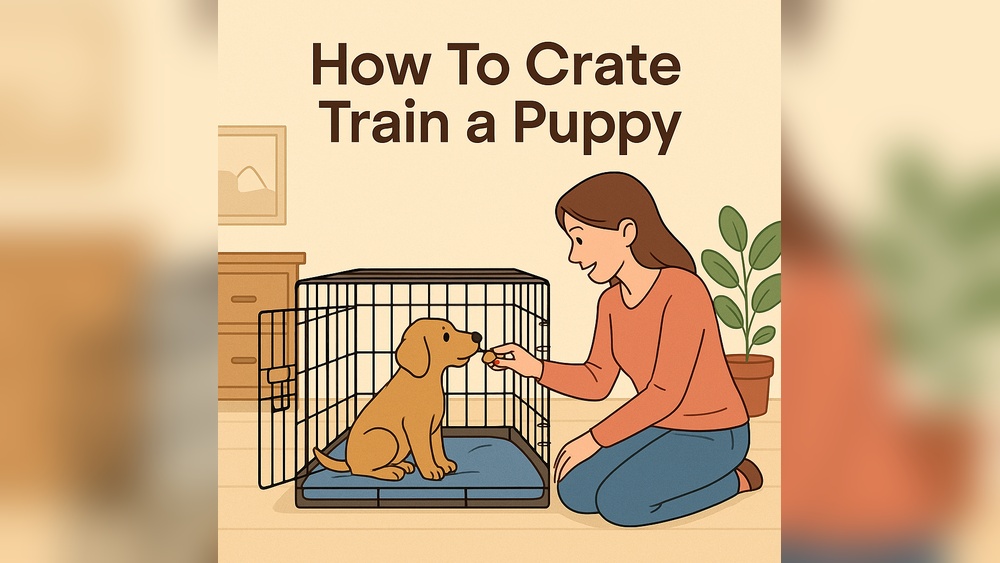
Bringing a new puppy home is exciting, but training them can feel overwhelming. Crate training is one of the best ways to keep your puppy safe and comfortable while teaching good habits.
If you want your puppy to love their crate and make training easier, you need the right approach. You’ll discover simple, effective tips that can turn crate time into a happy, stress-free experience for both you and your puppy. Keep reading to unlock the secrets that will make crate training a success from day one.
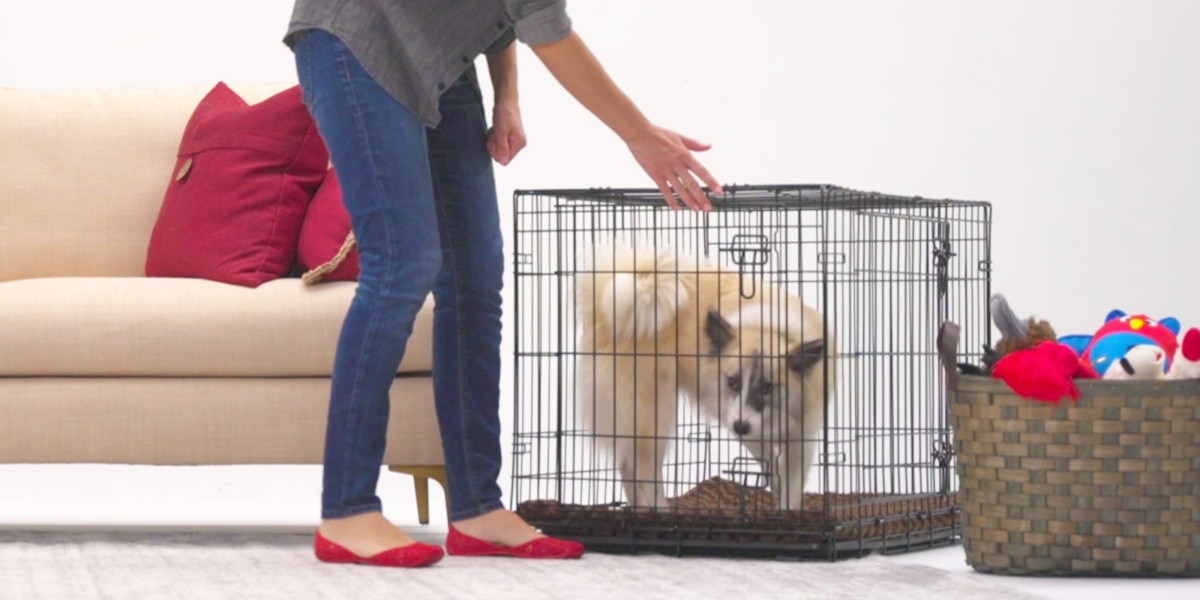
Credit: www.purina.com
Choosing The Right Crate
Choosing the right crate is key to successful puppy training. The crate should suit your puppy’s size, comfort, and safety needs. Picking a proper crate helps your puppy feel secure and calm. It also makes training easier and faster. Consider a few important factors before buying a crate. These factors ensure your puppy enjoys the crate and uses it often.
Size Matters
The crate must be big enough for your puppy to stand, turn, and lie down. Too small a crate makes the puppy uncomfortable and stressed. Too large a crate might encourage your puppy to use one corner as a bathroom. Measure your puppy’s length and height to find the right size. Some crates come with dividers to adjust the space as your puppy grows.
Material Options
Crates come in different materials like plastic, metal, and fabric. Plastic crates are sturdy and cozy, great for travel. Metal crates offer good ventilation and visibility. Fabric crates are lightweight and easy to carry but less durable. Choose a material that fits your lifestyle and puppy’s behavior. Think about how often you will move the crate and how strong your puppy is.
Comfort Essentials
Add soft bedding inside the crate to make it inviting. A cozy blanket or crate pad helps your puppy relax. Place toys and chew items to keep your puppy busy. Avoid overcrowding the crate with too many items. Keep the crate clean and dry to maintain comfort. A happy puppy is more likely to enjoy crate time and learn faster.

Credit: zigzag.dog
Introducing The Crate
Introducing the crate to your puppy is the first step in crate training. The crate should feel safe and calm. It is important to make this new space welcoming. Your puppy will learn that the crate is a good place to rest and relax.
Start slow and be patient. This helps your puppy adjust and enjoy the crate. The goal is to create a happy, cozy spot your puppy wants to enter.
Creating A Positive Space
Place the crate in a quiet, comfortable area. Add a soft blanket or bed inside. Use familiar smells like a worn t-shirt. This helps your puppy feel calm and secure. Avoid forcing your puppy inside. Let them explore the crate at their own pace.
Using Treats And Toys
Give treats near and inside the crate. This builds a good connection with the crate. Use special toys only for crate time. Chew toys or puzzle toys work well. These keep your puppy busy and happy while inside.
Short Initial Sessions
Start with very short times in the crate. Just a few minutes at first. Praise your puppy when they go inside. Gradually increase the time as your puppy feels more comfortable. Always end sessions on a positive note.
Establishing A Routine
Establishing a routine helps your puppy feel safe and understand what to expect. Puppies learn best with regular habits. A steady schedule reduces anxiety and builds trust. Consistent timing guides your puppy through play, rest, and meals.
Consistent Crate Times
Set specific times for crate training each day. Use the crate during naps and bedtime. Keep crate sessions short at first. Gradually increase the time as your puppy adjusts. Regular crate use makes the space familiar and cozy.
Incorporating Play And Rest
Balance crate time with active play and quiet rest. Play helps your puppy burn energy. Rest inside the crate teaches calm behavior. Schedule crate breaks after play to avoid boredom. This mix supports healthy development and crate comfort.
Feeding Schedule
Feed your puppy at the same times daily. Place meals inside or near the crate. This creates a positive link with the crate. Consistent feeding helps regulate bathroom habits. It also encourages your puppy to enjoy crate time.

Credit: www.chaostocalmk9training.com
Managing Crate Anxiety
Managing crate anxiety is essential for a happy puppy and smooth training. Puppies may feel scared or stressed when first using a crate. Helping them feel safe makes crate time calm and positive. Here are ways to reduce anxiety and build trust.
Recognizing Stress Signs
Watch for signs of stress in your puppy. Whining, barking, or scratching the crate show discomfort. Pacing or heavy panting can also mean anxiety. Spot these early to help your puppy relax sooner.
Gradual Alone Time
Start with short crate sessions. Stay nearby and offer treats or toys. Slowly increase time alone in the crate. This helps your puppy get used to being inside safely. Don’t rush the process to avoid fear.
Soothing Techniques
Use calm voices and gentle petting outside the crate. Leave a soft blanket or an item with your scent inside. Playing soft music or white noise can comfort your puppy. These small actions help reduce stress and create a peaceful space.
Handling Accidents
Accidents happen during crate training. Puppies are still learning where and when to go. Handling these accidents calmly helps your puppy learn faster. Reacting the right way builds trust and good habits.
Cleaning Tips
Clean accidents quickly to remove all smells. Use an enzyme cleaner designed for pet messes. Avoid ammonia-based cleaners; they smell like urine to dogs. Thorough cleaning stops your puppy from returning to the same spot. Keep the crate dry and fresh at all times.
Avoiding Punishment
Never punish your puppy for accidents. Punishment causes fear and confusion. Your puppy might hide accidents or avoid you. Stay calm and patient during training. Focus on teaching where to go, not scolding mistakes.
Reinforcing Good Behavior
Praise your puppy when they use the crate correctly. Give treats and gentle words right after good behavior. Consistent rewards help your puppy understand what you want. Positive reinforcement is key to faster training success.
Extending Crate Time
Extending crate time helps your puppy grow comfortable and calm inside the crate. It takes patience and small steps. This phase builds trust and makes crate training effective. The goal is to keep your puppy relaxed and happy during longer stays.
Building Duration Slowly
Start with short crate sessions of a few minutes. Gradually add five to ten minutes each day. Watch your puppy’s reaction. If they stay calm, increase the time. Avoid rushing or forcing long stays early on. Slow progress helps your puppy feel safe.
Monitoring Puppy’s Comfort
Check your puppy often while in the crate. Look for signs of stress like whining or scratching. Offer a soft bed and favorite toy to ease anxiety. Make sure the crate is the right size—not too big or small. Comfort keeps your puppy relaxed and willing to stay longer.
Balancing Freedom And Safety
Give your puppy freedom after crate time with supervised play. Avoid letting them roam unsupervised too soon. This balance helps prevent accidents and bad habits. Use the crate for rest and safety, not punishment. A happy puppy learns to enjoy both crate time and free time.
Travel And Crate Training
Travel and crate training go hand in hand for a calm, happy puppy. Crates offer a safe space during trips. They help puppies feel secure amid new sights and sounds. Proper crate training makes traveling easier for both you and your puppy.
Preparing For Trips
Start by letting your puppy explore the crate at home. Use treats and toys to create a positive feeling. Pack familiar items like a blanket or favorite toy. Plan short drives first to help your puppy adjust. Always bring water and snacks for longer trips.
Crate Safety On The Move
Secure the crate well in the vehicle. Avoid placing it where it can slide or tip. Keep the crate away from direct sunlight or drafts. Check your puppy often but avoid opening the crate on the road. Make sure your puppy has enough ventilation at all times.
Maintaining Routine Away From Home
Keep feeding and bathroom breaks on a regular schedule. Use the crate at rest stops to help your puppy relax. Stick to the same bedtime routine, even in new places. A consistent routine reduces stress and helps your puppy settle quickly.
Frequently Asked Questions
How Long Should Crate Training Take For Puppies?
Crate training usually takes 1 to 2 weeks with consistent effort. Puppies learn faster with short, positive sessions. Gradually increase crate time to build comfort and trust.
What Is The Best Time To Start Crate Training?
Start crate training as soon as you bring your puppy home. Early training helps build routine and reduces anxiety. Puppies adapt quickly when training begins during their first weeks.
How Can I Make The Crate Comfortable For My Puppy?
Add soft bedding and familiar toys inside the crate. Keep the crate clean and quiet. Comfort encourages your puppy to see the crate as a safe space.
How Often Should I Let My Puppy Out Of The Crate?
Take your puppy out every 1 to 2 hours during the day. Frequent breaks prevent accidents and help with potty training. Always reward good behavior outside the crate.
Conclusion
Crate training helps your puppy feel safe and secure. Keep training sessions short and consistent. Always use positive words and gentle praise. Be patient; every puppy learns at their own pace. A well-trained puppy grows into a happy dog. Trust the process and enjoy the journey.
Small steps lead to big success. Your effort makes a difference every day.

