Potty training your puppy can feel like a big challenge, but it doesn’t have to be stressful. If you want your furry friend to learn quickly and avoid accidents in the house, you’re in the right place.
Imagine having a happy puppy who knows exactly where to go when nature calls—saving you time, frustration, and extra cleaning. You’ll discover simple, effective tips that make potty training easier for both you and your puppy. Ready to turn those puppy accidents into success stories?
Let’s get started!

Credit: petcareadvisorusa.com
Choosing The Right Spot
Choosing the right spot for potty training helps your puppy learn faster. A clear, specific place guides your puppy where to go. It also helps keep your home clean and fresh. Setting this spot early makes training easier for both of you.
Think about where your puppy feels comfortable. The spot should be easy to reach and safe. It must be quiet, away from busy areas or loud noises. Your puppy will trust this area and use it often.
Indoor Vs Outdoor Training
Decide if you want your puppy to potty inside or outside. Indoor training uses pads or a small toilet area. This is good for small spaces or bad weather. Outdoor training needs a yard or nearby park. It teaches your puppy to go outside only.
Outdoor training often takes longer. Puppies must learn to wait and find the right place. Indoor training is quicker but may need more cleaning. Choose what fits your lifestyle and home best.
Consistency In Location
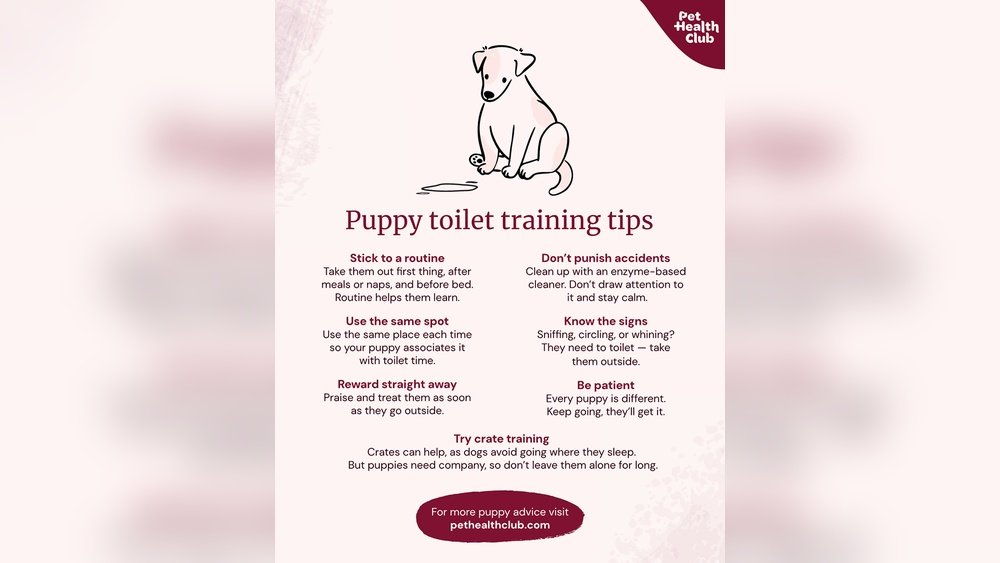
Always use the same spot for potty time. Puppies learn faster when the place does not change. They remember the smell and go there on their own. Moving the spot confuses them and slows training.
Bring your puppy to this spot after meals and naps. Praise and reward them when they go there. This builds a strong habit. Keep the area clean but do not remove all smells. The scent helps your puppy find the right place.
Setting A Schedule
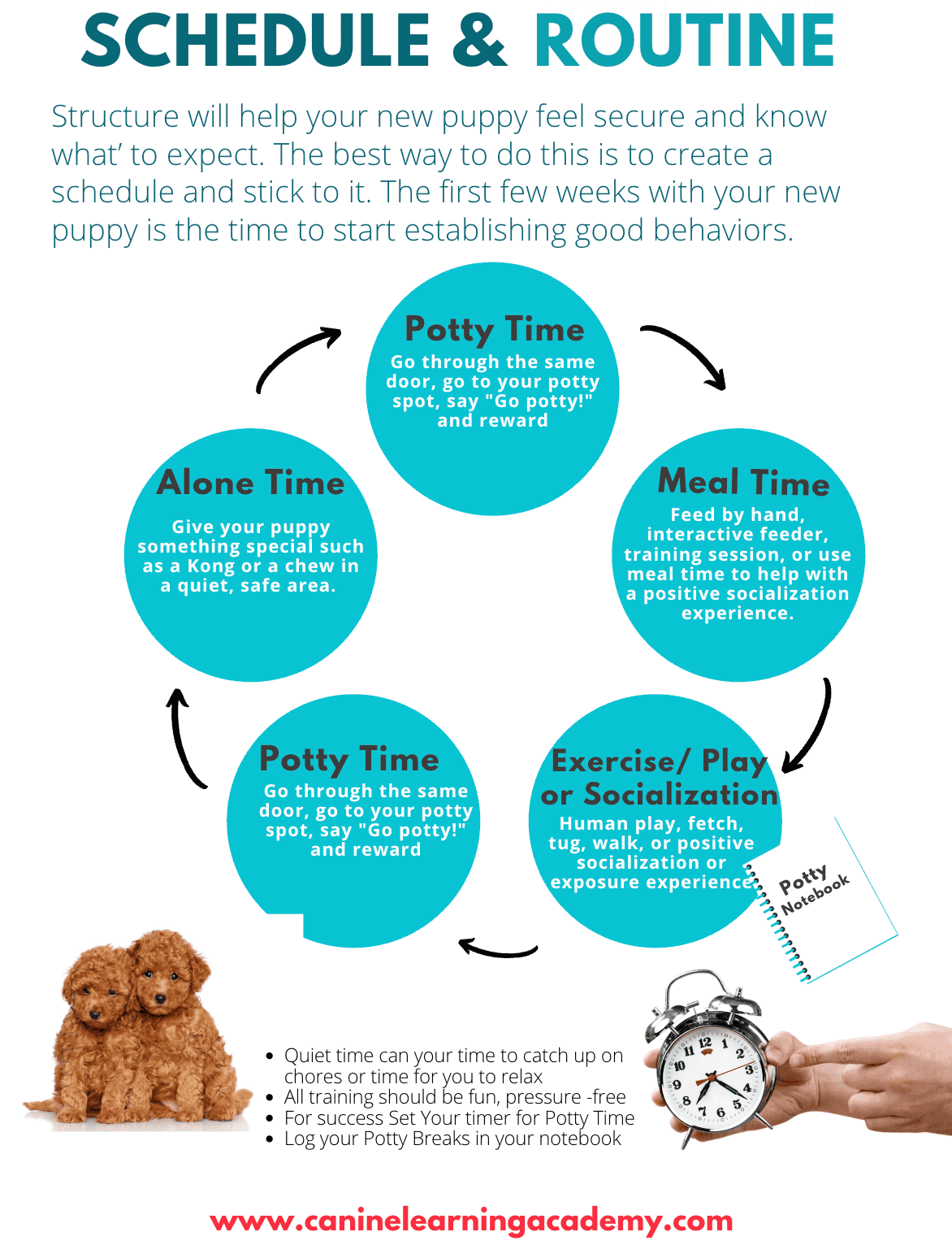
Setting a schedule is key to successful puppy potty training. Puppies learn best with routine. A clear plan helps your puppy know when to eat and go outside. This reduces accidents and builds good habits. Consistency makes training easier for both you and your puppy.
Feeding Times And Potty Breaks
Feed your puppy at the same times each day. This creates a predictable pattern. Usually, puppies need to potty soon after eating. Plan to take your puppy outside right after meals. Regular potty breaks throughout the day keep accidents away. Young puppies may need breaks every two hours. Older puppies can wait longer but still need frequent trips outside.
Recognizing Puppy’s Signals
Puppies show signs when they need to go. Watch for sniffing, circling, or whining. These signals mean your puppy needs a potty break. Respond quickly by taking them outside. Praise your puppy after they go in the right place. This helps them learn what you expect. Paying attention to these signals makes training faster and smoother.
Positive Reinforcement
Positive reinforcement is a powerful way to train puppies. It helps them learn good behavior quickly. Puppies respond well to rewards that make them happy.
Using positive reinforcement makes potty training less stressful. It builds trust between you and your puppy. The puppy feels safe and eager to please.
Treats And Praise
Treats are a great tool to encourage puppies. Give a small treat immediately after they potty outside. This helps them link the action with a reward.
Praise is just as important as treats. Use a happy voice and gentle petting. This shows your puppy you are proud of them.
Combine treats and praise for best results. It keeps the puppy motivated to learn and repeat good behavior.
Using Clicker Training
Clicker training uses a small device that makes a clicking sound. Click the device right after the puppy potties outside.
The click marks the good behavior clearly. Then, give a treat to reinforce it.
This method helps puppies understand exactly what you want. It speeds up the potty training process and reduces confusion.
Handling Accidents
Puppies are learning and accidents will happen during potty training. Handling accidents with care helps your puppy learn faster. Staying calm and consistent is key to good training. How you react affects your puppy’s behavior and confidence.
Cleaning Techniques
Clean accidents quickly to remove all smells. Use enzyme-based cleaners to break down urine and poop. Avoid ammonia cleaners because they smell like urine to dogs. Rinse the area well after cleaning. This stops your puppy from returning to the same spot.
Avoiding Punishment
Never punish your puppy for accidents. Punishment can cause fear and confusion. Puppies do not understand blame. Use positive words and praise when they go in the right place. Focus on teaching and guiding your puppy gently.
Crate Training Benefits
Crate training helps puppies learn where to go potty. It creates a safe space for your puppy. Puppies usually avoid soiling their sleeping area. This natural habit helps with potty training. Crate training also builds good routines and reduces accidents. It keeps your puppy calm and secure when unsupervised.
Choosing The Right Crate
Pick a crate that fits your puppy well. The crate should be big enough to stand and turn. Avoid crates that are too large. Large crates may encourage your puppy to potty inside. A snug crate feels like a den to your puppy. Make sure the crate is sturdy and easy to clean.
Using Crate For Potty Training
Use the crate to set a potty schedule. Put your puppy in the crate after meals and naps. Take your puppy outside right after leaving the crate. Praise your puppy for going potty outside. Do not use the crate as punishment. Keep crate time short at first. Gradually increase the time as your puppy learns.
Patience And Consistency
Patience and consistency are key when potty training puppies. Puppies learn best with calm and steady guidance. Quick reactions and repeated actions help them understand what is expected. Expect some mistakes and stay calm. Your puppy needs time to learn and grow.
Dealing With Setbacks
Setbacks happen often during potty training. Puppies may have accidents inside the house. Do not punish or yell at your puppy. Stay calm and clean the area well. Use setbacks as learning moments. Praise your puppy when they do it right. This builds trust and helps them try again.
Maintaining Routine
A daily routine makes potty training easier. Take your puppy outside at the same times each day. Feed your puppy on a schedule to help predict bathroom needs. Consistent times for walks and bathroom breaks reduce accidents. Stick to the routine even on busy days. Puppies feel safe and learn faster with steady habits.
Common Challenges
Potty training a puppy often comes with some challenges. These challenges can slow progress and cause frustration. Understanding common problems helps owners stay patient and consistent. Here are two frequent challenges to expect.
Separation Anxiety
Separation anxiety makes puppies nervous when left alone. This stress can cause accidents inside the house. Puppies may urinate or defecate more often during anxious times. Creating a calm space and short separation periods can help. Praise and rewards build confidence and reduce anxiety over time.
Marking Behavior
Marking is when puppies spray small amounts of urine. This happens to show territory or react to new smells. Male puppies are more likely to mark, but females can too. Consistent potty training and cleaning marked spots remove the scent. Preventing marking needs patience and clear rules about where to go.

Credit: www.reddit.com
When To Seek Help
Potty training a puppy can be challenging. Sometimes, your puppy may not learn as fast as you expect. Signs of trouble include frequent accidents or fear of going outside. Knowing when to seek help can save time and stress. Early support improves your puppy’s learning experience.
Consulting A Veterinarian
Visit a veterinarian if accidents happen often. Health problems can cause potty issues. Infections, digestive problems, or bladder issues may be the cause. A vet can check your puppy’s health. They can rule out medical reasons for accidents. Getting a diagnosis helps choose the right training approach.
Professional Training Options
Professional trainers offer expert guidance for difficult cases. Trainers use proven methods to teach puppies. They can spot mistakes in your routine. Trainers show you how to fix problems. Group classes or private sessions are available. A trainer’s help can improve your puppy’s progress quickly. Working with a professional saves frustration and stress.
Credit: caninelearningacademy.com
Frequently Asked Questions
How Long Does Puppy Potty Training Usually Take?
Puppy potty training often takes 4 to 6 months. Consistency, patience, and routine speed up the process. Young puppies have limited bladder control, so frequent breaks are essential.
What Is The Best Time To Start Potty Training?
Start potty training as soon as you bring your puppy home. Early training helps establish good habits quickly. Puppies are most receptive to learning between 8 and 16 weeks old.
How Often Should I Take My Puppy Outside To Potty?
Take your puppy outside every 1 to 2 hours initially. Also, bring them out after meals, naps, and playtime. Frequent trips prevent accidents and reinforce positive potty behavior.
What Are Effective Rewards For Potty Training Puppies?
Use treats, praise, and affection as rewards. Immediate positive reinforcement helps puppies associate pottying outside with good outcomes. Avoid punishment to encourage trust and learning.
Conclusion
Potty training your puppy takes time and patience. Stay calm and consistent every day. Reward good behavior to encourage learning. Expect some accidents; it’s part of training. Keep a regular schedule to help your puppy. Soon, your puppy will understand where to go.
Enjoy the process and bond with your pet. Training builds trust and a happy home. Keep these tips in mind for success. Your puppy will thank you with good habits.