

If you have a Maltese dog or are thinking about getting one, understanding their behavior is key to building a strong bond. These small dogs are full of personality, but sometimes their actions can leave you puzzled.
Wouldn’t it be great to know why your Maltese acts the way it does? You’ll discover the secrets behind Maltese dog behavior. By the end, you’ll feel more confident in caring for your furry friend and making your life together happier and smoother.
Ready to unlock the mystery of your Maltese’s behavior? Let’s dive in.
Maltese Personality Traits
The Maltese dog is known for its charming personality. This small breed has traits that make it a beloved companion. Understanding these traits helps owners enjoy their pets more. Maltese dogs are much more than just cute faces. Their behavior reflects a mix of affection, energy, and intelligence.
Affectionate Nature
Maltese dogs love to be close to their owners. They enjoy cuddling and often seek attention. This breed thrives on love and care. Their gentle and sweet nature makes them great pets for families. They form strong bonds and show loyalty easily. Being affectionate is part of their charm.
Playful Energy
Despite their small size, Maltese dogs have lots of energy. They enjoy playtime and games that keep them active. This playfulness helps them stay healthy and happy. They love toys and interactive activities. Engaging their playful side builds a strong connection with owners. It also prevents boredom and restlessness.
Intelligence And Curiosity
Maltese dogs are smart and curious by nature. They learn new commands quickly and enjoy exploring their surroundings. Their intelligence makes training easier and fun. Curiosity drives them to discover new things every day. This breed benefits from mental stimulation to stay sharp. Owners appreciate their quick thinking and alertness.

Credit: dogtime.com
Common Behavioral Patterns
Maltese dogs have unique behaviors that many owners find charming. Understanding these behaviors helps build a stronger bond. This section explores common patterns in Maltese dog behavior. It covers social habits, training responses, and feelings of separation.
Social Interaction
Maltese dogs love being around people. They enjoy attention and often seek it out. These dogs are friendly with strangers and other pets. They may bark to alert their owners of visitors. Maltese dogs thrive on social contact and can feel lonely without it.
Response To Training
Maltese dogs learn quickly with gentle training. They respond best to positive reinforcement like treats and praise. Repetition helps them remember commands. These dogs enjoy short training sessions that keep their focus. They may struggle with harsh corrections and lose interest.
Separation Anxiety
Maltese dogs often feel anxious when left alone. They may bark, whine, or act restless. This anxiety comes from their strong need for companionship. Owners can reduce stress by providing toys or leaving soft music. Gradual alone time helps them adjust better.
Communication Styles
Maltese dogs have unique ways to share their feelings and thoughts. They use many signals to talk with people and other dogs. Understanding these helps build a strong bond. Their communication shows their mood and needs clearly.
They rely on body moves, sounds, and eye contact to express themselves. Each style tells a different story. Observing these clues leads to better care and friendship.
Body Language
Maltese dogs use their bodies to send messages. Tail wagging often shows happiness and friendliness. A stiff body may mean alertness or nervousness. Ears that move forward mean curiosity or interest. When they lie down and roll over, they feel safe and trust you. Watch their posture to understand how they feel.
Vocalizations
These dogs make various sounds to communicate. Barking can mean excitement, warning, or a call for attention. Soft whining may show they want comfort or are feeling anxious. Growling is a sign of discomfort or warning. Each sound helps you know what your Maltese is feeling inside.
Eye Contact
Maltese dogs use their eyes to connect with you. Direct eye contact can mean trust and love. Avoiding eyes may show fear or submission. Slow blinking is a sign of relaxation and calmness. Watching their eyes helps you understand their mood quickly.
Training Tips For Maltese
Training a Maltese dog can be a joyful experience. These small dogs are smart and eager to learn. Good training helps them become well-behaved pets. It also builds a strong bond between you and your dog. Understanding their nature makes training easier and more fun.
Positive Reinforcement
Use treats and praise to encourage good behavior. Maltese respond well to rewards. Give a small treat or kind words when they obey commands. This method helps them learn faster. Avoid punishment as it can scare your dog. Positive reinforcement creates trust and happiness during training.
Consistency And Patience
Train your Maltese regularly and at the same time each day. Consistency helps your dog understand what you expect. Use the same words for commands every time. Be patient if your dog makes mistakes. Small dogs need time to learn new skills. Keep training sessions short to hold their attention.
Housebreaking Strategies
Set a regular schedule for bathroom breaks. Take your Maltese outside often, especially after eating or sleeping. Praise them immediately after they go outside. Use a specific word for bathroom time to help them learn. Clean accidents quickly and avoid punishment. A calm and steady approach works best for housebreaking.
Managing Behavioral Challenges
Maltese dogs are friendly and loving pets. Sometimes, they show behaviors that need attention. Managing these behaviors helps keep your home calm and happy. Understanding their needs and habits is key. Consistent care and gentle training can solve many problems.
Barking Control
Maltese dogs may bark a lot. They bark to alert or express excitement. Teach them to stop barking on command. Use a calm, firm voice. Reward quiet moments with treats or praise. Avoid yelling; it can make barking worse. Provide toys to keep them busy. Regular walks reduce boredom and barking.
Dealing With Shyness
Some Maltese dogs feel shy around strangers. Help them by introducing new people slowly. Use soft words and gentle touches. Encourage short, positive meetings. Let your dog explore at their own pace. Avoid forcing interactions. Patience builds confidence and trust. Praise brave behavior with rewards.
Preventing Destructive Behavior
Bored or anxious Maltese dogs may chew furniture or shoes. Provide plenty of safe chew toys. Keep personal items out of reach. Exercise your dog daily to burn energy. Create a quiet space for them to relax. Use positive reinforcement to encourage good habits. Replace bad chewing with toys or treats.
:strip_icc()/maltese-dog-breed-profile-1117979_FINAL-edit-861315b54e344f9a885f18d3449bd564.jpg)
Credit: www.thesprucepets.com
Exercise And Mental Stimulation
Maltese dogs are small but full of energy. They need both exercise and mental challenges to stay happy and healthy. Without enough activity, they can become bored or restless. This can lead to unwanted behavior. Giving them daily exercise helps keep their bodies fit. Mental tasks keep their minds sharp and prevent dullness.
Daily Activity Needs
Maltese dogs need at least 30 minutes of exercise every day. Short walks and playtime work well. They enjoy running around in a safe space. Regular activity helps control their weight. It also reduces stress and anxiety. Consistency is key to keeping them balanced.
Interactive Toys
Interactive toys are great for Maltese dogs. These toys challenge their minds and keep them busy. Puzzle feeders and treat-dispensing toys work best. They encourage problem-solving skills. Toys that move or make sounds catch their attention. Rotate toys to keep their interest alive.
Training Games
Training games provide mental stimulation and build trust. Simple commands like “sit” and “stay” work well. Use treats and praise as rewards. Short sessions prevent frustration. Games like hide and seek improve focus. Training strengthens your bond and keeps their mind active.
Socializing Your Maltese
Socializing your Maltese is a key part of their growth and happiness. Early social experiences help them become calm and friendly dogs. A well-socialized Maltese enjoys meeting new friends and feels safe in many places. This builds confidence and reduces fear or anxiety.
Introducing To Other Pets
Introduce your Maltese to other pets slowly and gently. Start with calm animals in a quiet room. Let them sniff and observe each other without pressure. Watch their body language for signs of stress or curiosity. Positive meetings encourage good behavior and friendships.
Meeting New People
Expose your Maltese to different people often. Invite friends and family over to say hello. Allow your dog to approach at their own pace. Praise calm and friendly actions to build trust. Meeting many people helps prevent shyness or fear.
Exposure To Different Environments
Take your Maltese to various places regularly. Walk in parks, visit pet-friendly stores, or explore quiet streets. New sights and sounds teach your dog to stay relaxed outside. This exposure reduces nervousness and increases their social skills.
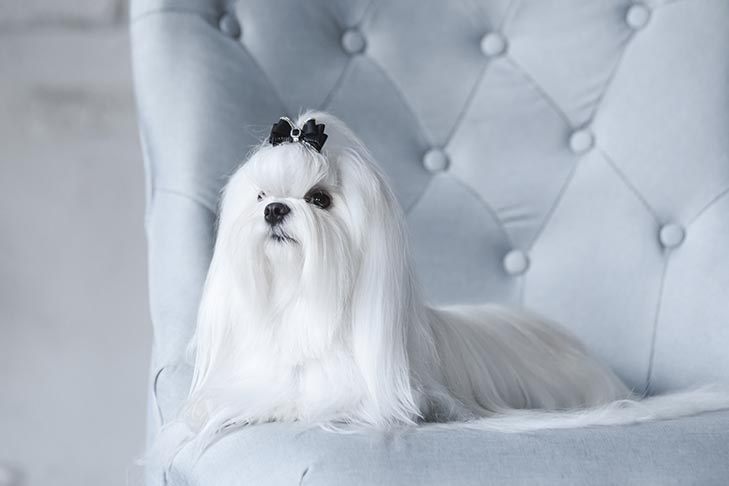
Credit: www.akc.org
Frequently Asked Questions
What Are Common Maltese Dog Behavior Traits?
Maltese dogs are affectionate, playful, and social. They enjoy human companionship and often seek attention. They can be alert and make good watchdogs. Their behavior reflects intelligence and eagerness to please, making training easier.
How Do Maltese Dogs Behave Around Children?
Maltese dogs are generally gentle and friendly with children. They enjoy playful interactions but need supervision with very young kids. Their small size means they can be easily injured, so teaching children respectful behavior is important.
Are Maltese Dogs Good For Apartment Living?
Yes, Maltese dogs adapt well to apartment living. They are small and do not need large spaces. Regular walks and playtime help them stay active and mentally stimulated indoors.
How Do Maltese Dogs Respond To Training?
Maltese dogs are intelligent and respond well to positive reinforcement training. They learn commands quickly but can be sensitive. Consistent, gentle training methods work best to encourage good behavior and social skills.
Conclusion
Maltese dogs are gentle and loving companions. They enjoy playtime and need regular exercise. Training them with patience brings the best results. These dogs often form strong bonds with their owners. Understanding their behavior helps build a happy relationship. They thrive in calm, caring homes.
Small but full of energy, they need attention every day. Knowing their habits makes caring for them easier. A Maltese dog can bring joy and comfort to any family. They deserve kindness and good care always.


