

Have you ever wondered how drug dogs become experts at sniffing out illegal substances? These incredible animals don’t just rely on instinct—they go through special training that sharpens their natural abilities.
If you want to know the secrets behind their skills and what it takes to turn a regular dog into a powerful detection partner, keep reading. Understanding this process might change the way you see these four-legged heroes and their vital role in keeping communities safe.
Selection Of Drug Dogs
Selecting the right dog is the first step in training drug dogs. Not every dog can become a good detector. Trainers choose dogs with strong noses and the right behavior. This choice helps make training faster and more successful.
Many factors matter in selection. The dog’s breed and natural skills play a big role. Also, the dog’s personality and energy level affect its work. Trainers test these traits carefully before starting training.
Breeds With Strong Scenting Abilities
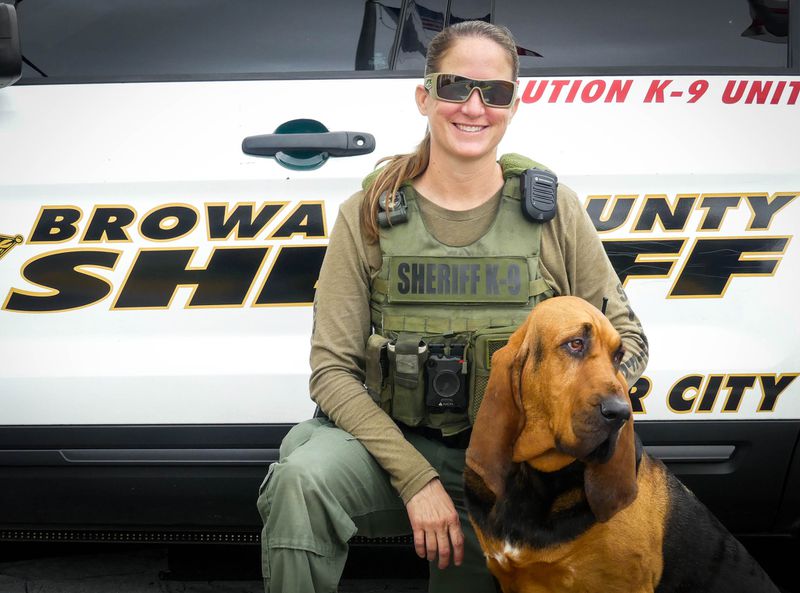
Certain dog breeds have better noses for detecting drugs. Bloodhounds are famous for their strong sense of smell. German Shepherds and Belgian Malinois are also common choices. Labs and Springer Spaniels work well too. Their noses can pick up faint scents quickly.
These breeds have been bred for scent work or police tasks. Their natural ability makes them faster learners. They can follow scent trails even in difficult places. This skill is crucial in drug detection work.
Temperament And Drive Factors
A dog’s personality is as important as its nose. Drug dogs need a strong drive to search and find. They must enjoy work and stay focused for long hours. Calm dogs with steady energy often do well.
Trainers look for dogs that like to play and solve problems. High motivation helps them keep going during training. A friendly but confident dog can handle busy, noisy places. Temperament tests help find the best candidates.
Credit: www.3dk9detection.com
Basic Obedience Training
Basic obedience training is the first step in preparing drug dogs for their important work. This training teaches dogs how to listen and respond to their handler’s commands. Without this foundation, dogs cannot perform well in the field. The training focuses on clear communication and building trust between the dog and handler. It creates a strong bond that helps the dog stay calm and focused during searches.
Commands And Control
Drug dogs learn simple commands such as sit, stay, come, and heel. Handlers use these commands to guide the dog’s actions. Training starts with short sessions and lots of rewards. The dog learns to obey quickly for treats or praise. Control is vital because the dog must follow instructions in busy or noisy places. Good control prevents distractions and keeps the dog safe.
Building Focus And Discipline
Focus is key for drug dogs to detect scents accurately. Trainers teach dogs to ignore distractions like other animals or people. They use exercises that require the dog to concentrate for longer periods. Discipline helps dogs stay on task even when tired or excited. This skill grows with practice and consistency. A well-disciplined dog works better and finds drugs faster.
Scent Detection Techniques
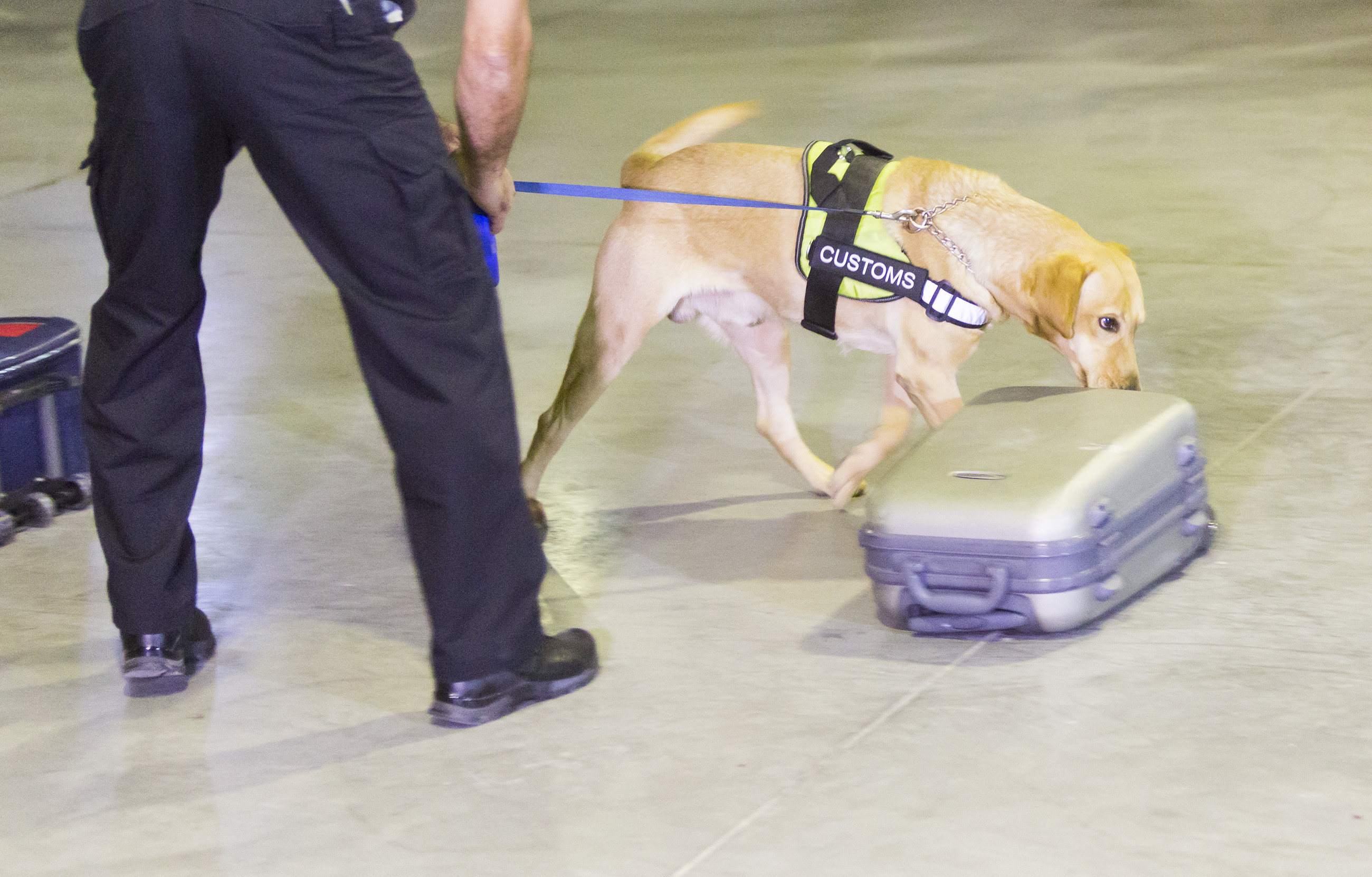
Scent detection is the core skill for drug dogs. These dogs learn to find specific smells among many others. Trainers use special methods to teach dogs how to recognize and follow these scents. The training focuses on clear signals and rewards.
Dogs have a strong sense of smell. They can detect tiny amounts of odors. Training helps them use this ability for drug detection. The process starts with understanding the target odors and then uses positive reinforcement.
Introduction To Target Odors
Target odors are the specific smells dogs must find. These include drugs like marijuana, cocaine, or heroin. Trainers use real samples or safe substitutes during training. Dogs learn to notice these smells even in complex places.
Each drug has a unique scent pattern. Dogs are trained to focus only on these patterns. This helps avoid false alerts. Repetition and exposure help dogs remember the target odors well.
Positive Reinforcement Methods
Positive reinforcement is key in training drug dogs. Dogs get treats or playtime after finding the right scent. This makes them want to search harder and longer.
Trainers use toys or food as rewards. The dog learns that finding the target odor brings good things. This method builds a strong bond between dog and trainer.
Regular practice with rewards helps dogs stay motivated. It also improves their focus and accuracy in detecting drugs.
Advanced Search Training
Advanced search training helps drug dogs work in real-world situations. They learn to find drugs in many places. This training builds on basic skills and prepares dogs for complex tasks.
Vehicle And Building Searches
Dogs practice searching cars, trucks, and vans. They sniff inside and outside the vehicle. Trainers hide drugs in hard-to-find spots. Dogs learn to stay calm and focused. They check trunks, seats, and engine areas. In buildings, dogs search rooms and hallways. They must ignore distractions like people and noises. The goal is to find hidden drugs quickly and accurately.
Tracking And Area Sweeps
Tracking means following a scent trail left by a person. Dogs learn to track scents over different surfaces. This skill helps find people carrying drugs. Area sweeps involve searching large open spaces. Dogs move in patterns to cover every inch. They find drugs hidden in grass, bushes, or debris. Training includes working with handlers to stay on track. This teamwork improves success in real searches.
Handler And Dog Bonding
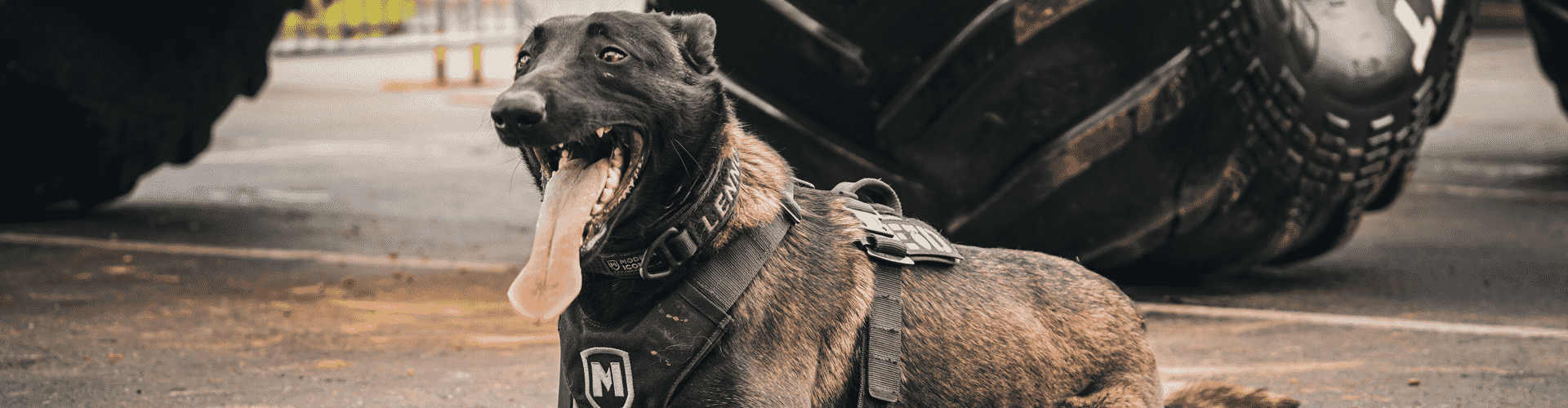
The bond between a drug dog and its handler is very strong. This connection helps the dog do its job well. Training builds this bond step by step. The handler and dog learn to work as one. This relationship is key to successful drug detection.
Trust and clear communication form the base of this partnership. The handler guides the dog using specific signals. The dog listens and reacts quickly. This teamwork creates a smooth and effective working pair.
Communication Skills
Handlers use voice commands, hand signals, and body language. Dogs learn to understand these cues clearly. Training focuses on making signals easy to follow. Dogs respond to subtle hints from their handlers. This sharp communication speeds up drug detection.
Consistent practice helps dogs know what to expect. Handlers speak in a calm and clear tone. Dogs pick up on tone and gestures fast. This clear exchange lowers mistakes during searches.
Trust And Teamwork
Trust grows through daily training and care. Dogs rely on handlers for direction and safety. Handlers trust dogs to alert to drugs correctly. This mutual trust leads to stronger teamwork. Each success builds confidence in the bond.
Teamwork means sharing goals and working closely. Handlers reward dogs with praise or treats. This positive feedback encourages good behavior. Dogs feel motivated and handlers feel supported. Together, they become an unstoppable team.
Credit: www.3dk9detection.com
Maintaining Skills And Readiness
Maintaining skills and readiness is vital for drug dogs. Training does not stop after the initial learning phase. These dogs need ongoing practice to stay sharp. Their ability to detect drugs depends on constant reinforcement and care.
Regular Drills And Exercises
Drug dogs perform regular drills to keep their skills strong. These exercises mimic real-life scenarios. Trainers hide scents in different places for the dogs to find. This practice helps dogs stay alert and confident. Consistent drills prevent the dogs from losing focus or interest. Trainers also vary the drills to challenge the dogs. This variety keeps the training effective and engaging.
Health And Well-being
Good health is crucial for drug dogs. Proper diet, exercise, and rest support their performance. Trainers monitor the dogs for any signs of illness or injury. Regular vet check-ups ensure the dogs remain fit. A healthy dog can work longer and with better accuracy. Mental health matters too. Dogs need breaks and positive interactions to avoid stress. Healthy, happy dogs perform their best on the job.
Challenges In Drug Dog Training
Training drug dogs is a complex task filled with challenges. Trainers must ensure dogs detect drugs accurately. Mistakes can cause serious problems. Trainers face issues like false alerts and new drug types. Understanding these challenges helps appreciate the skill behind drug dog training.
False Alerts And How To Manage Them
False alerts happen when dogs signal drugs but find none. These mistakes waste time and resources. Trainers use regular practice to reduce false alerts. They reward dogs only for correct signals. This keeps dogs focused and precise. Trainers also watch dog behavior closely to spot errors early. Consistent training helps dogs learn to ignore distractions.
Adapting To New Substances
New drugs appear on the market often. Dogs must learn to detect these new substances quickly. Trainers introduce small amounts of new drugs for safe practice. Dogs get familiar with the new smells through repeated exposure. This training keeps drug dogs effective in changing environments. Staying updated helps dogs catch illegal drugs better.
Credit: www.todayifoundout.com
Frequently Asked Questions
How Long Does It Take To Train A Drug Dog?
Training a drug dog usually takes 8 to 12 weeks. This period includes basic obedience and specialized scent detection training. Consistent practice and positive reinforcement help dogs learn efficiently. The exact time varies based on the dog’s breed, age, and experience.
What Methods Are Used To Train Drug Detection Dogs?
Drug dogs are trained using reward-based methods. Trainers use toys or treats to reinforce correct scent identification. Positive reinforcement encourages dogs to focus and respond reliably. Training involves scent imprinting, search exercises, and controlled exposure to target odors.
Which Dog Breeds Are Best For Drug Detection?
Breeds like German Shepherds, Belgian Malinois, and Labrador Retrievers excel in drug detection. They have strong scenting abilities, high energy, and trainability. These breeds adapt well to rigorous training and are commonly used by law enforcement agencies.
How Do Trainers Teach Dogs To Recognize Drug Scents?
Trainers use scent samples of various drugs during sessions. Dogs learn to associate these smells with rewards. This process is called scent imprinting. Over time, dogs can detect even small traces of drugs in different environments.
Conclusion
Drug dogs learn through patience and clear rewards. Trainers use smells to guide their work. These dogs help keep communities safe every day. Their training needs time and strong teamwork. Understanding how they train shows their important role. This skill helps catch illegal substances fast.
Drug dogs prove how animals and humans can work well. Their training is a careful, step-by-step process. It takes dedication to prepare these special dogs. The result? A partner ready to protect and serve.


