

Planning to travel to Europe with your dog? It’s an exciting adventure, but it comes with important details you need to know.
From pet passports to airline rules, every step matters to keep your furry friend safe and happy. You’ll discover simple tips and expert advice that make traveling with your dog smooth and stress-free. Ready to explore Europe together? Keep reading to find out how to prepare and enjoy every moment with your best companion by your side.
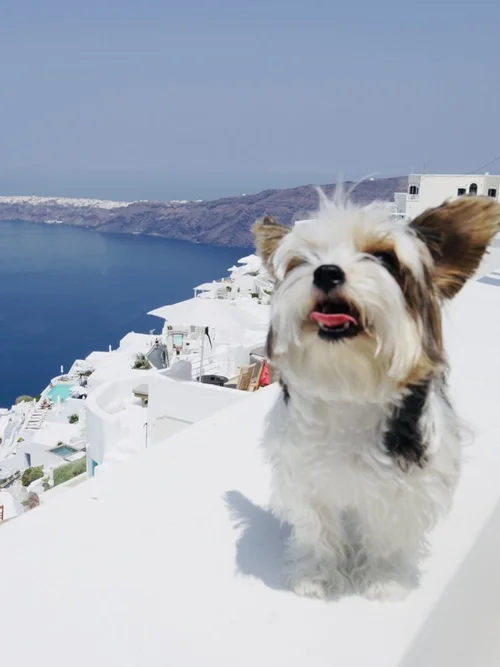
Credit: www.discoveryescapes.com
Preparing For The Trip
Traveling to Europe with your dog needs careful planning. Preparing your pet ensures a smooth and happy journey. Start early to avoid last-minute stress. Focus on health, paperwork, and finding the right places to stay. These steps make the trip safe and fun for both of you.
Health Checks And Vaccinations
Visit the vet several weeks before the trip. Your dog needs a full health check to confirm fitness for travel. Vaccinations are essential, especially rabies. Some countries require specific shots before entry. Keep records of all vaccines and treatments. Parasite prevention is also important. Ask your vet about flea, tick, and worm control options.
Pet Passports And Documentation
A pet passport is necessary for most European countries. It contains your dog’s ID, vaccination history, and health records. You can get one from your vet or local authorities. Always carry the passport during travel. Some countries may ask for additional documents. Check the entry rules for each destination. Missing paperwork can cause delays or denial of entry.
Choosing Pet-friendly Accommodations
Not all hotels or rentals accept pets. Research and book places that welcome dogs. Look for spots with easy outdoor access for walks. Some hotels offer pet beds or bowls. Check rules about size and number of pets allowed. Read reviews from other travelers with dogs. A good place to stay makes your trip more relaxing and enjoyable.
Travel Options With Your Dog
Traveling to Europe with your dog can be exciting and fun. Choosing the right way to travel is very important. Each option has its own rules and comforts for your pet. Understanding these choices helps you plan a smooth trip. Here are some common travel methods to consider for your dog.
Flying With Your Pet
Flying is the fastest way to reach Europe. Most airlines allow small dogs inside the cabin. Larger dogs usually travel in the cargo hold. Booking early is a good idea to secure a spot for your dog. Always check airline rules about pet carriers and health documents. Your dog should be calm and comfortable during the flight. Bringing familiar toys or blankets helps reduce stress.
Train Travel Across Europe
Trains offer a relaxed and scenic way to travel. Many European trains welcome dogs on board. Some require dogs to wear muzzles or have a ticket. Smaller dogs might need to stay in a carrier. Train travel lets your dog move a bit more than flying. Stations often have pet-friendly areas for breaks. Planning your route and stops makes the journey easier for both of you.
Driving And Road Trips
Driving gives you the most control over the trip. Your dog can stay in familiar surroundings during the drive. Frequent stops allow your pet to stretch and relieve itself. Make sure your car is safe with a pet seat belt or crate. Carry enough water, food, and any medicines your dog needs. Road trips let you explore many places at your own pace. This option suits dogs who dislike crowded spaces.
Packing Essentials For Your Dog
Packing for your dog is important before traveling to Europe. You need to bring items that keep your pet happy, healthy, and safe. The right supplies make the trip easier and more fun for both of you. Focus on food, comfort, and safety to cover all needs. Prepare well to avoid problems on the road.
Food And Water Supplies
Bring enough dog food for the entire trip. Use the same brand your dog eats at home. Sudden food changes can upset your dog’s stomach. Pack portable bowls for food and water. Collapsible bowls save space in your bag. Carry clean water in a bottle or jug. Dogs must stay hydrated during travel and walks.
Comfort Items And Toys
Comfort items help your dog feel safe in new places. Bring a favorite blanket or bed from home. Familiar smells reduce stress and anxiety. Include a few toys your dog enjoys. Toys keep your dog busy and calm during downtime. Small, soft toys work best for travel. Avoid noisy toys that may disturb others.
Safety Gear And First Aid
Always use a sturdy leash and harness for walks. A reflective collar or vest improves visibility. Keep a copy of your dog’s health records handy. Pack a basic first aid kit for emergencies. Include bandages, antiseptic wipes, and tweezers. Know the location of nearby vets in Europe. Safety gear protects your dog in unfamiliar places.
Navigating European Pet Policies
Traveling to Europe with your dog can be exciting and rewarding. Each country in Europe has different rules for pets. Knowing these rules helps avoid problems at borders and during your trip. Understanding pet policies keeps your dog safe and happy.
Country-specific Rules
Each European country sets its own rules for pets. Some need a pet passport or vaccination records. Rabies shots are usually mandatory. Certain breeds may face restrictions or bans. Always check the specific rules for your destination country. This preparation saves time and stress.
Customs And Border Control
Border officials check pet documents carefully. Your dog must have a microchip for identification. Health certificates prove your dog is fit to travel. Customs officers may ask questions about your dog’s health. Be ready to show all paperwork to avoid delays.
Leash And Behavior Regulations
Many European cities require dogs to be on a leash in public. Some places need a muzzle for specific breeds. Dogs must behave well in public spaces. Loud barking or aggressive behavior is not allowed. Respecting these rules keeps everyone safe and happy.
Activities And Destinations
Traveling to Europe with your dog opens many chances to explore together. Europe offers many activities and places where dogs are welcome. This makes your trip fun and stress-free. You and your dog can enjoy parks, beaches, cafes, and outdoor adventures. Here are some great options for dog-friendly activities and destinations in Europe.
Dog-friendly Parks And Beaches
Many European cities have parks where dogs can run and play off-leash. Some parks have special areas just for dogs. Beaches along the Mediterranean and Atlantic coasts often allow dogs, especially in the off-season. These spots are perfect for your dog to swim, dig, and explore safely. Visiting these parks and beaches helps your dog burn energy and enjoy fresh air.
Pet-friendly Cafes And Restaurants
Europe has many cafes and restaurants that welcome dogs inside or in outdoor seating areas. These places often provide water bowls and treats for pets. You can enjoy a meal or coffee while your dog relaxes at your side. Cities like Paris, Amsterdam, and Barcelona are known for their pet-friendly dining spots. Eating out with your dog allows you to experience local culture together.
Outdoor Adventures With Your Dog
Europe offers many outdoor adventures suitable for dogs and their owners. Hiking trails in the Alps, Scottish Highlands, and Pyrenees are popular for dog-friendly treks. Many national parks allow dogs on leashes along marked trails. Canoeing, biking, and even some boat tours welcome dogs. These activities provide exercise, fresh air, and bonding time in beautiful nature.

Credit: www.rac.co.uk
Health And Safety Tips
Traveling with your dog to Europe requires careful attention to health and safety. Keeping your pet calm and safe makes the trip enjoyable for both of you. Prepare well to avoid common risks and handle emergencies smoothly.
Know how to reduce your dog’s stress, find vet help, and prevent travel hazards. These tips keep your dog healthy and happy on the road.
Dealing With Travel Stress
Travel can be scary for dogs. Noise, new places, and long trips cause stress. Keep your dog calm with familiar toys and blankets. Speak softly and offer treats. Take breaks to let your dog stretch and drink water. A calm dog travels better and stays healthy.
Emergency Vet Services In Europe
Vet services vary across Europe. Research emergency vets in your travel area before you go. Save their contact info on your phone. Know the location of the nearest 24-hour clinic. Carry your dog’s medical records and vaccination papers. Quick access to help is vital in emergencies.
Avoiding Common Travel Hazards
Europe has many hazards for dogs. Watch out for busy streets and crowded places. Avoid feeding your dog unknown foods or plants. Keep your dog on a leash to prevent accidents. Check your dog for ticks after outdoor walks. Staying alert protects your dog from harm.
Cultural Etiquette For Dog Owners
Traveling with your dog in Europe offers a unique chance to explore new places together. Understanding cultural etiquette helps make your trip smooth and enjoyable. Different countries have different rules and customs about dogs.
Respect and care for local traditions show good manners. This helps you avoid problems and makes locals happy. Being aware of how to behave with your pet in public spaces matters a lot.
Respecting Local Customs
Many European countries have strict rules for dogs. Some places require dogs to wear muzzles or be on a leash. Public parks, restaurants, and shops may have their own dog policies. Always check local laws before visiting.
Respect quiet hours and avoid noisy behavior from your dog. Some cultures do not like loud barking or running dogs indoors. Always clean up after your dog to keep the area tidy.
Interacting With Other Travelers
Not everyone feels comfortable around dogs. Some travelers may fear dogs or have allergies. Ask permission before letting your dog approach others. Keep your dog close and under control in crowded places.
Use a calm voice to guide your dog near strangers. Avoid allowing your dog to jump on people. Good behavior creates a positive impression for dog owners everywhere.
Responsible Pet Ownership Abroad
Bring all necessary documents for your dog, like passports and vaccination records. Follow health rules to protect your pet and others. Feed and hydrate your dog regularly during travel.
Keep your dog safe from traffic and busy streets. Use collars with ID tags and consider microchipping. Responsible care shows respect for your pet and the community.

Credit: www.execpets.co.uk
Frequently Asked Questions
What Documents Are Required To Travel With A Dog To Europe?
You need a pet passport, microchip, and up-to-date vaccinations. A rabies vaccination is mandatory at least 21 days before travel. Some countries may require additional health certificates. Always check the specific entry rules of your destination country.
How To Prepare My Dog For A Long Flight To Europe?
Acclimate your dog to the travel crate weeks before the trip. Ensure they have had a bathroom break before boarding. Avoid feeding them heavily before flying. Bring familiar toys and a leash for comfort and control during transit.
Are There Quarantine Rules For Dogs Entering Europe?
Most European countries do not require quarantine if all health rules are met. Unvaccinated or improperly documented pets may face quarantine. Verify the quarantine policies of the specific country you plan to visit to avoid surprises.
Can I Bring My Dog On European Public Transport?
Many European public transport systems allow small dogs, often with a fee. Larger dogs may require a muzzle and leash. Rules vary by country and transport type. Research local regulations before traveling with your dog.
Conclusion
Traveling with your dog to Europe can be a joyful experience. Planning ahead makes the journey smooth and stress-free. Check pet rules for each country you visit. Carry all needed documents and health certificates. Pack your dog’s favorite toys and food.
Take breaks during long trips for comfort. Enjoy exploring new places together and making memories. Your dog will love the adventure as much as you do. Safe travels and happy tails!


