

Training your dog to roll over is more than just a fun trick—it’s a great way to build a stronger bond with your furry friend. Imagine the joy you’ll feel when your dog responds eagerly to your command, showing off this cool move to family and friends.
You might think teaching this trick is complicated, but with the right steps, you and your dog can master it together quickly. Ready to turn your dog into a star performer? Keep reading, and you’ll discover simple, effective tips to make rolling over a breeze for both of you.
Getting Ready To Train
Training your dog to roll over starts with good preparation. This step helps your dog focus and makes learning easier. A calm and clear plan sets the stage for success. Before teaching the trick, get everything ready to help your dog learn quickly and happily.
Choosing The Right Environment
Pick a quiet place with few distractions. A calm room or backyard works well. Avoid noisy areas or places with many people. Your dog will pay better attention in a peaceful spot. Keep the space clean and safe for your dog to move freely.
Gathering Treats And Tools
Use small, tasty treats your dog loves. Treats should be soft and easy to chew. Have a clicker if you use one for training. Bring a comfy mat or blanket for your dog to lie on. Keep everything within reach before you start training.
Setting A Training Schedule
Train in short sessions, about 5 to 10 minutes. Repeat training daily for best results. Pick times when your dog feels alert and hungry. Avoid training right after meals or when your dog is tired. Consistency helps your dog remember the new trick.
Teaching The Roll Over Command
Teaching your dog to roll over is a fun and rewarding trick. It builds trust and strengthens your bond. The process takes patience and clear steps. Focus on simple commands and positive rewards. This helps your dog learn faster and enjoy training.
Starting With Basic Commands
Begin by teaching your dog to lie down calmly. Use a clear, calm voice to say “down.” Reward your dog with praise or a small treat. Repeat this step until your dog lies down on command. This is the foundation for rolling over.
Using Treats To Guide Movement
Hold a treat near your dog’s nose to get attention. Slowly move the treat toward your dog’s shoulder. This encourages your dog to turn their head and body. Move the treat in a circular path to guide the roll. Keep movements slow and smooth for easy following.
Encouraging The Roll Over Action
Once your dog starts to follow the treat, add the command “roll over.” Use a happy tone to keep your dog interested. Praise your dog immediately after a successful roll. Practice in short sessions to keep your dog focused. Patience and repetition make this trick stick.
Reinforcing The Behavior
Reinforcing the behavior is key to teaching your dog to roll over. It helps your dog understand that rolling over is good. This makes your dog more likely to do it again. The way you reward and guide your dog shapes the learning process.
Rewarding Success
Give treats or praise immediately after your dog rolls over. This shows your dog the action is right. Use small, tasty treats to keep your dog interested. Praise with a happy voice to encourage your dog.
Using Verbal And Physical Cues
Say a clear word like “roll over” each time you ask. Use hand motions to guide your dog’s movement. Keep your cues simple and steady. This helps your dog link words and actions clearly.
Practicing Consistency
Train your dog at the same time every day. Use the same commands and rewards each session. Short, frequent sessions work best to keep your dog focused. Consistency builds strong habits quickly.

Credit: www.lordjameson.com
Troubleshooting Common Issues
Training a dog to roll over can be fun but also tricky at times. Some dogs learn fast, while others need more patience and care. Common problems often arise during training sessions. Understanding these issues helps keep training smooth and effective. Below are some tips to handle common challenges while teaching your dog to roll over.
Dealing With Distractions
Distractions can slow down your dog’s learning. Loud noises, other pets, or people can divert your dog’s attention. Choose a quiet place for training sessions. Keep sessions short and focused. Use treats and praise to keep your dog engaged. Gradually add distractions only after your dog masters the command in calm settings.
Handling Reluctant Dogs
Some dogs may resist rolling over. They might feel unsure or uncomfortable. Start by rewarding small steps toward the full roll. Use a gentle voice and soft touch. Avoid forcing your dog to roll over. Patience is key. Celebrate every little progress to build your dog’s confidence.
Avoiding Common Mistakes
Many trainers make simple errors that slow progress. Don’t rush the training process. Avoid repeating commands too fast. Give your dog time to understand each step. Use clear and consistent signals. Stop training if your dog seems tired or stressed. Consistency and calmness lead to better results.
Advanced Tips For Faster Training
Training your dog to roll over can be simple with the right techniques. Advanced tips speed up learning and make training fun. These tips help your dog understand commands faster. They also keep your dog interested and motivated.
Try these methods to improve training sessions and see quicker results.
Incorporating Clicker Training
Clicker training uses a small sound to mark good behavior. The click tells your dog exactly when they do something right. This clear signal helps your dog learn commands faster. Use the click every time your dog rolls over correctly. Follow the click with a small treat to reward your dog. This method builds strong communication between you and your dog.
Short And Frequent Sessions
Keep training sessions short to hold your dog’s attention. Ten-minute sessions work best for most dogs. Practice several times a day rather than one long session. Short, frequent training helps your dog remember commands better. It also reduces frustration for both you and your dog. End each session on a positive note to keep your dog excited for next time.
Celebrating Progress
Celebrate every small step your dog makes. Praise and treats encourage your dog to keep trying. Notice even partial rolls and reward them. This positive feedback builds confidence and eagerness. Happy dogs learn faster and enjoy training more. Make progress a big deal to motivate your dog daily.
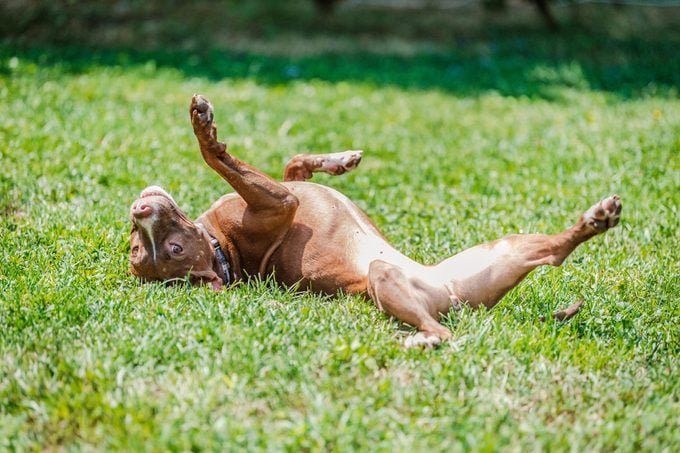
Credit: www.rd.com
:strip_icc()/why-dogs-like-belly-rubs-4584399-hero-27e23577c3f748de8dc5c4233687ddb7.jpg)
Credit: www.thesprucepets.com
Frequently Asked Questions
How Long Does It Take To Train A Dog To Roll Over?
Training a dog to roll over usually takes 1 to 2 weeks. Consistent, short sessions daily help dogs learn faster. Patience and positive reinforcement improve results. Every dog learns at its own pace, so adjust training accordingly.
What Treats Work Best For Teaching Roll Over?
Small, soft, and tasty treats work best for teaching roll over. Use high-value treats your dog loves. This keeps your dog motivated and focused. Avoid large or hard treats to prevent distraction or discomfort during training.
Can Any Dog Learn To Roll Over?
Most dogs can learn to roll over with proper training. However, some breeds or dogs with physical issues may struggle. Always consider your dog’s health and comfort during training. Modify exercises if needed to ensure safety and enjoyment.
How Do I Encourage My Dog To Roll Over?
Use a treat to guide your dog’s head in a circular motion. This encourages the roll over movement. Praise and reward immediately when your dog completes the roll. Repeat in short sessions for better learning and retention.
Conclusion
Training your dog to roll over takes patience and practice. Keep sessions short and fun to hold your dog’s interest. Use treats and praise to encourage good behavior. Don’t rush; learning happens step by step. Stay calm and consistent with your commands.
Enjoy the bonding time with your furry friend. Soon, rolling over will become a happy trick for both of you. Training builds trust and makes your dog more confident. Keep practicing, and celebrate every small success along the way.

