

Are you wondering when the right time is to switch your furry friend to adult dog food? Feeding your dog the right food at the right age is crucial for their health and happiness.
Too early, and they might miss out on important nutrients; too late, and they could gain unwanted weight or face digestive issues. You’ll discover the exact signs to look for and the best time to make the change. Keep reading to ensure your dog gets the nutrition they need to thrive every step of the way.
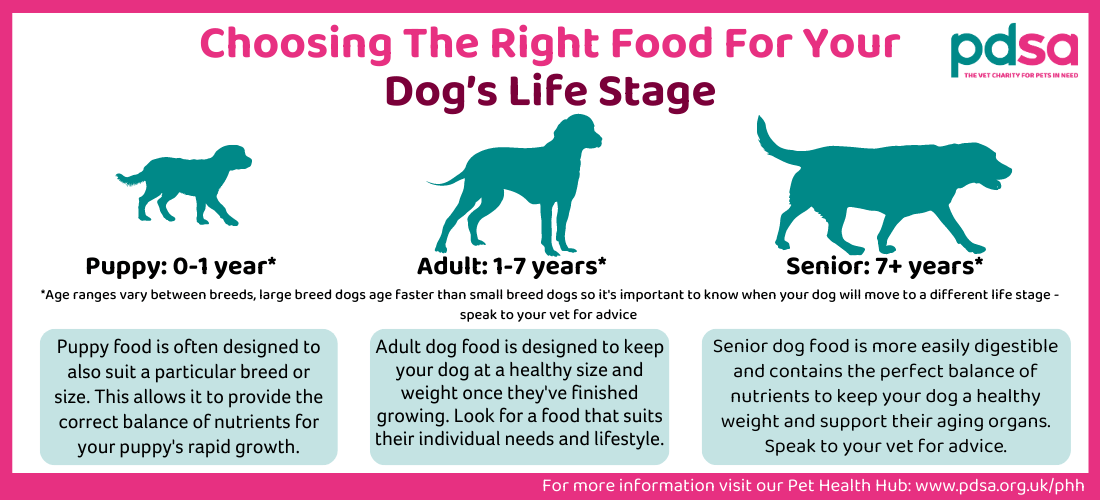
Credit: www.pdsa.org.uk
Signs Your Puppy Is Ready
Knowing when to switch your puppy to adult food is important for their health. Puppies grow fast. Their needs change as they develop. Watching for clear signs helps you make the right choice. These signs show your puppy is ready for adult food.
Physical Development Milestones
Puppies must reach certain physical stages before switching food. Their baby teeth fall out. Adult teeth start to grow in. This usually happens around 4 to 6 months old. Their bones and muscles become stronger. They look less chubby and more lean. These changes show their body can handle adult food.
Behavioral Changes
Watch how your puppy acts as it grows. They become less playful like a baby. They start to eat less often but larger meals. They show more focus and energy. They may lose interest in puppy-specific treats. These changes mean their digestive system matures. They are ready for more solid, adult food.
Weight And Size Considerations
Size matters when switching to adult food. Small breeds may switch earlier, around 9 months. Larger breeds need adult food later, sometimes after 12 months. Check your puppy’s current weight and size. Compare with the breed’s average adult size. If your puppy is close, it’s time to change food. This helps avoid feeding too much or too little.
Age Guidelines For Switching
Knowing the right age to switch your dog from puppy food to adult food is important. The timing affects your dog’s health and growth. Feeding adult food too early or too late can cause problems. Age guidelines help you make the best choice for your pet.
Typical Age Range
Most dogs move to adult food between 9 and 12 months old. Small breeds often switch closer to 9 months. Larger breeds may need puppy food until 12 to 18 months. This allows them to grow fully before changing their diet.
Breed-specific Timing
Different breeds grow at different speeds. Small dogs mature faster and need adult food earlier. Giant breeds take longer to finish growing. For example, Great Danes may stay on puppy food for up to 18 months. Adjust feeding time based on your dog’s breed size.
Consulting Your Veterinarian
Your vet knows your dog’s health and growth best. They can suggest the right time to switch foods. Regular check-ups help track your dog’s development. Follow your vet’s advice for a smooth transition to adult food.
Choosing The Right Adult Food
Choosing the right adult food for your dog is an important step. Adult dogs have different needs than puppies. Their food should support their energy, health, and weight. Picking the best food helps your dog stay strong and happy. Let’s explore how to choose the right adult dog food.
Nutritional Needs Of Adult Dogs
Adult dogs need balanced nutrition to maintain good health. Protein helps keep muscles strong. Fat provides energy. Carbohydrates give fuel for daily activities. Vitamins and minerals support the immune system and bones. The right amount of calories prevents weight gain or loss. Each dog’s needs differ by size, breed, and activity level.
Types Of Adult Dog Food
Dry kibble is common and easy to store. It helps keep teeth clean. Wet canned food has more moisture and can be tastier. Some dogs prefer fresh or raw food diets. Grain-free options suit dogs with allergies. Choose a type that fits your dog’s health and taste.
Reading Food Labels
Check the first ingredients for quality protein, like chicken or beef. Avoid foods with too many fillers like corn or wheat. Look for balanced nutrients and no artificial additives. The label should say the food meets AAFCO standards. This means the food is complete and safe for adult dogs.
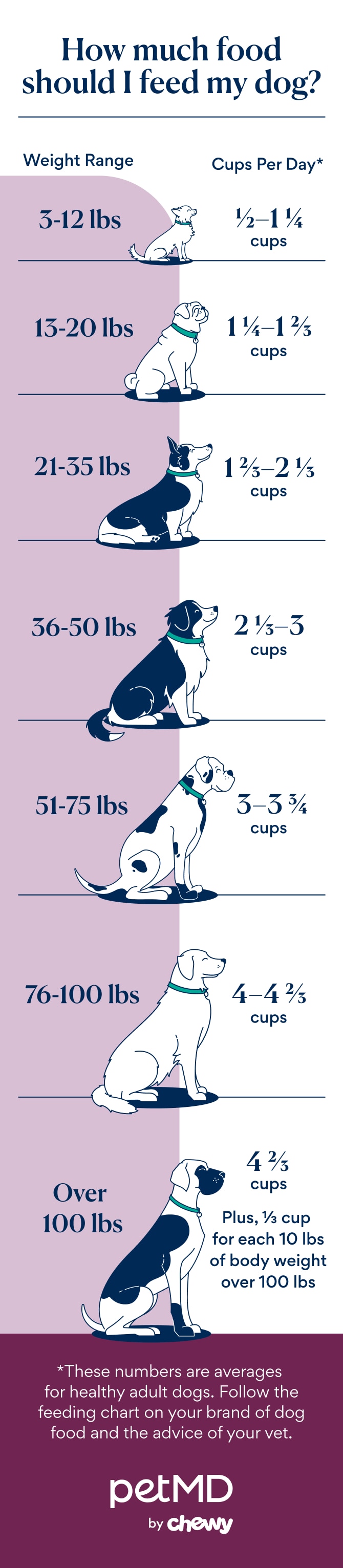
Credit: www.petmd.com
Transitioning To Adult Food
Transitioning a dog from puppy food to adult food is an important step. It helps the dog get the right nutrients for its new life stage. This change should be done carefully. A sudden switch can upset the dog’s stomach or cause other problems. Take time and watch your dog closely during this period.
Gradual Food Mixing
Start by mixing a small amount of adult food with the puppy food. Increase the adult food portion slowly over 7 to 10 days. This helps the dog’s stomach adjust to the new food. Mixing food also keeps the dog interested in eating. Avoid changing the food too fast to prevent digestive upset.
Monitoring For Digestive Issues
Watch for signs like vomiting, diarrhea, or constipation. These can mean the dog’s stomach does not like the new food yet. If these signs appear, slow down the transition. Sometimes the dog needs more time to adjust. Contact a vet if problems continue for several days.
Adjusting Portion Sizes
Adult dogs need different amounts of food than puppies. Measure portions based on the dog’s weight and activity level. Avoid overfeeding to prevent weight gain. Underfeeding can cause weakness or poor health. Adjust portions as the dog grows and becomes more active.
Common Mistakes To Avoid
Feeding your dog adult food at the right time is important for their health. Many dog owners make mistakes that can affect their pet’s growth and digestion. Avoiding these errors helps your dog stay strong and happy.
Switching Too Early
Changing to adult food before your dog is ready can cause problems. Puppies need special nutrients for growth. Their bones and muscles develop fast. Giving adult food too soon may not provide enough vitamins and minerals.
Wait until your vet says your dog is ready. Most dogs switch between 9 to 12 months old. Large breeds might need more time. Small breeds grow faster and switch earlier.
Abrupt Food Changes
Switching food suddenly can upset your dog’s stomach. Digestive issues like diarrhea or vomiting may happen. Dogs need time to adjust to new food.
Change food gradually over 7 to 10 days. Mix a small amount of adult food with puppy food. Slowly increase the adult food portion. This helps your dog’s digestion adapt smoothly.
Ignoring Individual Dog Needs
Every dog is different. Some may need special diets due to health or breed. Age, size, and activity level affect food needs. One size does not fit all.
Consult your vet to choose the best adult food. Watch for signs like weight gain or loss. Adjust food type or amount as needed. Caring for your dog’s unique needs keeps them healthy.
Credit: www.bluebuffalo.com
Benefits Of Timely Switching
Switching your dog to adult food at the right time brings many benefits. It supports their growth and keeps them strong. Feeding adult food too early or too late can cause health problems. Timely switching helps your dog stay active and healthy throughout their life.
Improved Health And Energy
Adult dog food has the right nutrients for mature dogs. It helps maintain strong muscles and bones. Your dog will have more energy for play and walks. Proper nutrition reduces the risk of illness and infections.
Better Weight Management
Adult food contains balanced calories to prevent weight gain. It helps keep your dog’s weight steady and healthy. Overweight dogs face many health risks like joint pain. Feeding the right food keeps your dog fit and happy.
Enhanced Coat And Skin Condition
Adult dog food includes vitamins that improve skin health. Your dog’s coat will be shinier and softer. Healthy skin reduces itching and dryness. Proper nutrition supports a strong immune system for better skin.
Frequently Asked Questions
When Is The Right Age To Feed Adult Dog Food?
Most dogs can start adult food at about 12 months old. Large breeds may need puppy food longer, up to 18-24 months. Consult your vet to ensure the timing suits your dog’s growth and health.
Why Switch From Puppy To Adult Dog Food?
Adult dog food meets the nutritional needs of mature dogs. It has fewer calories and adjusted nutrients to maintain healthy weight and energy. Switching at the right time supports proper development and overall health.
Can Feeding Adult Food Too Early Harm Puppies?
Yes, feeding adult food too soon may cause nutrient deficiencies. Puppies need extra protein and calories for growth. Early switching can lead to poor development and health issues. Always follow vet advice on timing.
How To Transition From Puppy To Adult Food?
Gradually mix adult food with puppy food over 7-10 days. Increase adult food portion slowly while decreasing puppy food. This helps avoid digestive upset and allows your dog to adjust smoothly.
Conclusion
Feeding your dog adult food at the right time supports their health. Most dogs switch around one year old, but check breed and size needs. Watch your dog’s growth and energy for signs of readiness. Gradually changing food helps avoid stomach issues.
Always choose quality dog food made for adults. Consult your vet if unsure about timing or diet. Healthy food means a happy, active dog for years. Simple steps make feeding easier and better for your dog’s life.


