

Are you thinking about adding a furry friend to your family but worried about space or busy days? Small dog breeds might be the perfect match for your lifestyle.
These little companions bring big hearts, endless energy, and loads of personality into your home. Whether you want a playful buddy for your daily walks or a calm lap dog to relax with, understanding the best small dog breeds will help you find the one that fits your life perfectly.
Keep reading to discover which tiny pups could become your new best friend!

Credit: www.goodhousekeeping.com
Popular Small Dog Breeds
Small dog breeds are loved for their compact size and big personalities. These dogs fit well in apartments and small homes. They need less space but still offer great companionship. Many small breeds have unique traits that make them popular pets worldwide.
Below are some of the most popular small dog breeds. Each has special qualities that attract dog lovers. Discover what makes these little dogs so charming and fun.
Chihuahua Charm
Chihuahuas are tiny but full of spirit. They are brave and alert, making them good watchdogs. Their small size means they are easy to carry everywhere. They form strong bonds with their owners and love attention.
Pomeranian Personality
Pomeranians have fluffy coats and bright eyes. They are lively and curious dogs. Their playful nature keeps families entertained. These dogs enjoy learning tricks and being part of activities.
Yorkshire Terrier Traits
Yorkshire Terriers have silky hair and a confident look. They are smart and very loyal. These dogs are energetic and enjoy playtime. They adapt well to different living spaces.
French Bulldog Features
French Bulldogs have a sturdy body and bat-like ears. They are calm and friendly companions. These dogs do well in apartments and small homes. Their easy-going nature makes them great for families.
Dachshund Delight
Dachshunds have long bodies and short legs. They are curious and brave for their size. These dogs love to explore and dig. Their unique shape and happy personality attract many dog lovers.
Choosing The Right Small Dog
Choosing the right small dog means thinking about many things. Small dogs come in many types, each with different needs. Picking the best dog for your home and life makes a big difference. This guide helps you find the small dog that fits your style. Consider their personality, space needs, and care requirements.
Temperament And Lifestyle
Small dogs have many different personalities. Some are calm and quiet. Others are lively and playful. Match a dog’s temperament to your daily routine. Choose a dog that fits your activity level. Some small dogs enjoy long walks. Others prefer short playtimes inside. Think about how much time you have for your dog. A good match keeps both happy.
Space And Exercise Needs
Space is important for small dogs. Some breeds adapt well to small apartments. Others need a yard or more room to run. Exercise needs also vary. Some small dogs need lots of daily exercise. Others are happy with less activity. Make sure your home suits your dog’s energy level. This helps keep your dog healthy and calm.
Grooming And Care
Grooming needs differ among small dog breeds. Some have short hair that needs little care. Others have long or curly coats requiring regular brushing. Check if you can manage grooming tasks. Some dogs need professional grooming often. Also, consider health care and diet. Proper care keeps your small dog happy and strong.
Benefits Of Small Dogs
Small dogs offer many benefits that suit different lifestyles. They bring joy and companionship without needing too much space or time. Their size makes them ideal for many people, especially those living in cities or with busy schedules.
Apartment Friendly
Small dogs fit well in apartments or small homes. They need less space to move around. This makes them happy in a cozy area. Their smaller size also means less noise and mess. They adjust better to indoor living than bigger dogs.
Travel Companions
Small dogs are easy to carry on trips. They fit in carriers and small cars with ease. They enjoy being close to their owners during travel. Their size lets them join more activities. You can take them on planes, trains, or road trips.
Lower Maintenance Costs
Small dogs usually cost less to care for. They eat less food, which saves money. Grooming and medical expenses are often lower. Toys and accessories are smaller and cheaper. Their size means fewer expenses overall.
Credit: www.newsweek.com
Training Tips For Tiny Dogs
Training tiny dogs can be fun but requires patience. These small breeds have unique needs. Their size does not mean they are easier to train. They need clear guidance and consistent rules. Understanding common challenges helps in teaching your small dog well.
Housebreaking Challenges
Small dogs often take longer to housebreak. Their tiny bladders need frequent bathroom breaks. Use a regular schedule for feeding and potty times. Praise your dog immediately after they go outside. Avoid punishment for accidents inside the house. Patience is key for success in housebreaking.
Socialization Strategies
Tiny dogs can be shy or nervous around others. Introduce them slowly to new people and pets. Use treats to reward calm behavior. Short, positive experiences build confidence. Socialization helps prevent fear and aggression later. Start early and keep interactions gentle and fun.
Obedience Basics
Teach simple commands like sit, stay, and come. Use a soft voice and small treats as rewards. Short training sessions work best for tiny dogs. Keep lessons fun and avoid stress. Consistent practice helps your dog learn faster. Obedience builds trust and safety for your pet.
Health Concerns In Small Breeds
Small dog breeds are popular for their size and charm. Their health requires special care. These dogs can face unique health problems. Knowing these concerns helps keep them happy and safe.
Common Genetic Issues
Small dogs often inherit certain health problems. Patellar luxation is common; it affects their knee joints. Dental problems also occur due to small mouths. Heart diseases like mitral valve disease appear in many small breeds. Regular checks help catch these early.
Diet And Nutrition
Small dogs need balanced diets with the right nutrients. Overfeeding causes obesity, leading to other health problems. Protein and vitamins support their energy and coat health. Avoid giving human food that may harm them. Proper meals keep them active and strong.
Regular Vet Checkups
Frequent vet visits are vital for small dogs. These checkups spot issues before they worsen. Vaccines protect against common diseases. Dental cleanings prevent tooth decay and infections. Regular health monitoring extends their lifespan and quality of life.
Credit: www.purina.com
Frequently Asked Questions
What Defines A Small Dog Breed?
Small dog breeds typically weigh under 22 pounds and stand less than 16 inches tall. They are ideal for apartment living and easy to carry.
Which Small Dog Breeds Are Best For Families?
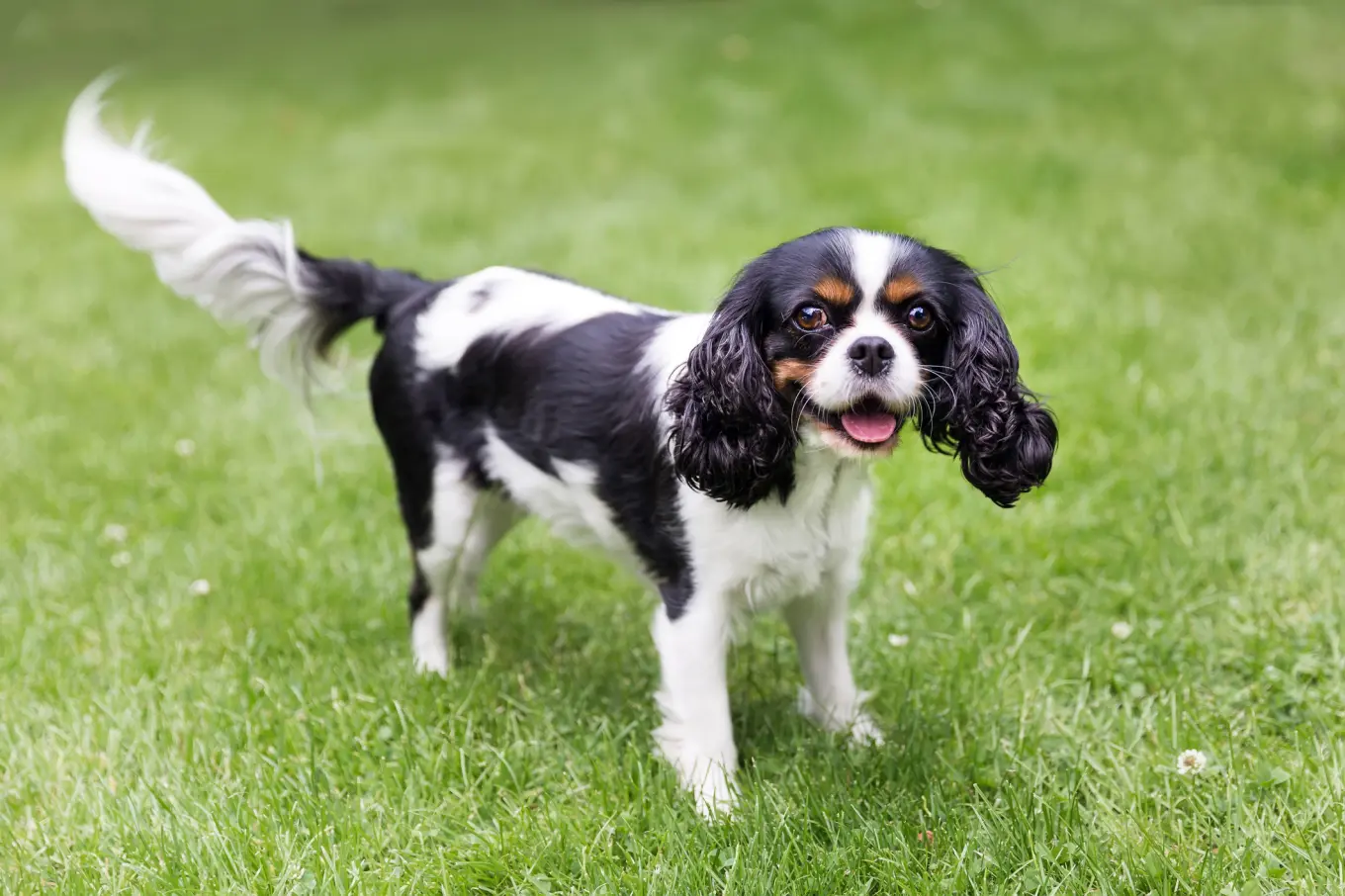
Breeds like Beagle, Cavalier King Charles Spaniel, and French Bulldog are friendly, gentle, and good with children, making them perfect family pets.
How Do Small Dog Breeds Differ In Temperament?
Small breeds vary; some are lively and playful, like Jack Russell Terriers, while others are calm and affectionate, like Shih Tzus.
Are Small Dog Breeds Easier To Train?
Many small breeds are intelligent and eager to please, making training easier. Consistent, positive reinforcement works best for them.
Conclusion
Small dog breeds fit well in many homes and lifestyles. They need care, love, and attention every day. These dogs bring joy and comfort to families. Choosing the right small breed depends on your space and activity level. Each breed has its own unique traits and needs.
Small dogs can be great companions for kids and adults alike. They offer fun, friendship, and loyalty in a small package. Consider these points carefully before welcoming one into your life. A small dog can make a big difference in your home.


