

Are you wondering if it’s okay to feed your adult dog puppy food? You might think it’s harmless or even beneficial, but the truth isn’t so simple.
What you feed your dog can affect their health, energy, and happiness in ways you might not expect. Before you make a decision, it’s important to understand how puppy food differs from adult dog food and what it could mean for your furry friend.
Keep reading to find out if giving your adult dog puppy food is a good idea or a hidden risk you should avoid.
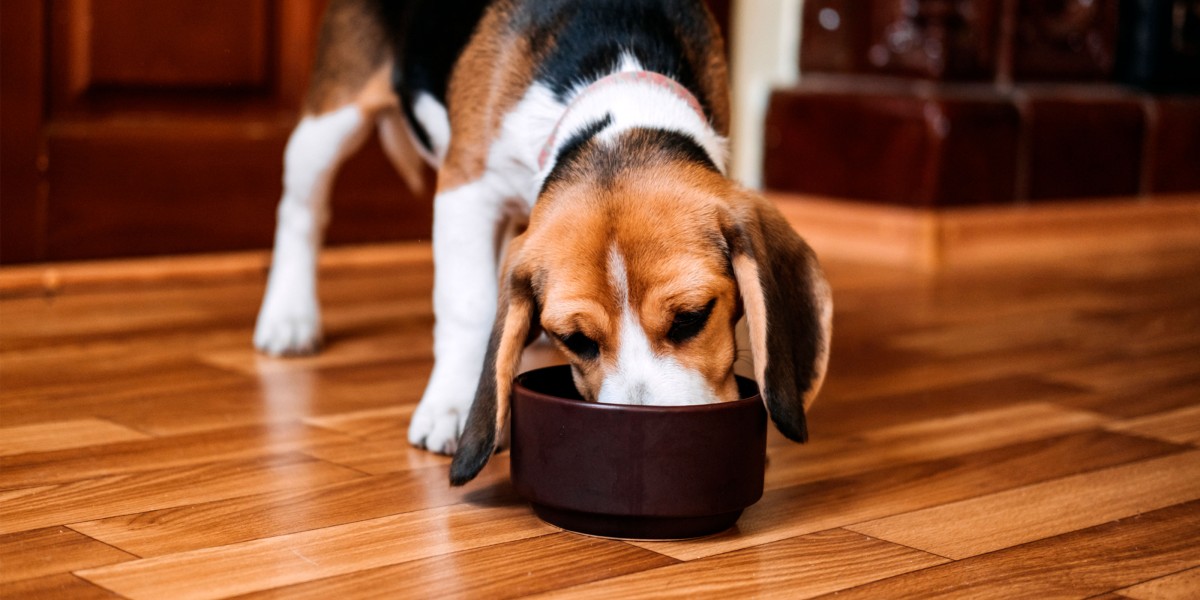
Credit: www.purina.com
Differences In Nutritional Needs
Adult dogs and puppies have very different nutritional needs. Their bodies grow and use energy in different ways. Feeding an adult dog puppy food can cause imbalances. Understanding these differences helps you choose the right food. It supports your dog’s health and longevity.
Calorie Requirements
Puppies need more calories than adult dogs. They burn energy fast to grow and play. Adult dogs need fewer calories to avoid gaining too much weight. Puppy food is rich in calories to meet their higher energy use. Feeding it to adult dogs can lead to obesity and joint problems.
Protein And Fat Levels
Puppy food contains more protein and fat than adult dog food. These nutrients help build muscles and support brain development in puppies. Adult dogs need less protein and fat to maintain their health. Too much protein and fat can cause digestive issues and weight gain in adult dogs.
Essential Vitamins And Minerals
Vitamins and minerals in puppy food are designed for rapid growth. These include calcium and phosphorus in higher amounts to strengthen bones. Adult dogs require balanced vitamins and minerals to maintain their body functions. Excess minerals can harm adult dogs’ kidneys and bones over time.
Potential Risks For Adult Dogs
Feeding adult dogs with puppy food might seem harmless. Yet, it carries several risks. Puppy food is designed for growing dogs, not adults. This difference affects your dog’s health in many ways. Understanding these risks helps you choose the right food for your dog.
Weight Gain And Obesity
Puppy food has more calories and fat than adult dog food. Adult dogs do not need extra calories. Eating puppy food regularly can cause weight gain. Overweight dogs face many health problems. Obesity can lead to joint pain and difficulty moving. It also raises the risk of diabetes and heart disease.
Digestive Issues
Adult dogs have different digestive needs. Puppy food may be too rich for their stomachs. This can cause upset stomach, diarrhea, or vomiting. Long-term feeding of puppy food can harm digestion. It may lead to poor nutrient absorption and discomfort. Balanced adult dog food helps keep digestion healthy.
Long-term Health Concerns
Puppy food lacks the right nutrients for adult dogs. Feeding it for a long time can cause nutrient imbalances. This affects skin, coat, bones, and muscles. Adult dogs may develop problems like weak bones and poor coat quality. Proper adult dog food supports strong bones and a shiny coat.
When Puppy Food Might Be Suitable
Puppy food is rich in nutrients that support growth and energy. This makes it too rich for most adult dogs. Yet, certain adult dogs may need extra nutrition. In these cases, puppy food might be helpful for a short time. Understanding when this applies helps keep your dog healthy.
Pregnant Or Nursing Dogs
Pregnant dogs need more calories and nutrients. Puppy food can support the growth of puppies inside. Nursing dogs also burn more energy. Feeding them puppy food can help maintain their strength and milk supply. It ensures both mother and puppies get enough nutrition.
Recovering From Illness Or Surgery
Dogs recovering from sickness or surgery need extra care. Puppy food offers high protein and calories. This helps repair tissues and regain energy. It can be easier to digest for weak dogs. Veterinarians often recommend puppy food during recovery.
Underweight Adult Dogs
Some adult dogs struggle to gain weight. Puppy food can provide extra calories and nutrients. It supports healthy weight gain and muscle growth. Feeding underweight dogs puppy food can help them reach a healthy size safely.
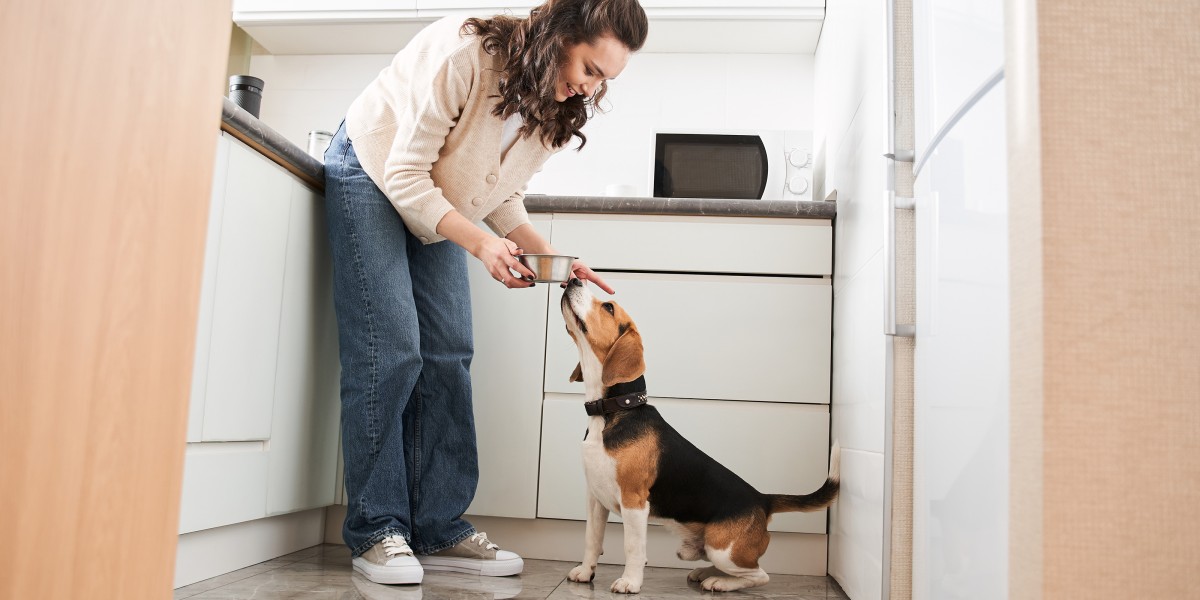
Credit: www.purina.com
Veterinarian Recommendations
Veterinarians give clear advice about feeding adult dogs puppy food. Puppy food has more calories and nutrients to help growth. Adult dogs do not need this extra nutrition. Feeding adult dogs puppy food can cause weight gain and health issues.
Choosing The Right Food
Veterinarians suggest choosing food made for your dog’s age. Adult dog food has the right balance of protein, fats, and vitamins. This helps keep your dog healthy and active. Check the label to confirm the food matches your dog’s size and breed too.
Transitioning Between Diets
Changing your dog’s food should be slow and steady. Sudden changes can upset their stomach. Mix small amounts of new food with the old. Increase the new food amount over one to two weeks. Watch for any signs of discomfort or allergies during this time.
Monitoring Your Dog’s Health
Keep an eye on your dog’s weight and energy levels. If you see changes, talk to a vet. Regular check-ups help catch problems early. Vets can recommend diet adjustments based on your dog’s health needs.
Alternatives To Puppy Food For Adults
Adult dogs need food that fits their age and health needs. Puppy food is rich in calories and nutrients for growth. Adult dogs usually need fewer calories and a balanced diet to stay healthy. Choosing the right food helps keep your dog active and strong. There are many good alternatives to puppy food for adult dogs.
Senior Dog Formulas
Senior dog formulas support older dogs’ health. These foods have nutrients for joints and digestion. They often contain less fat to avoid weight gain. Senior formulas help keep teeth and bones strong. These foods are gentle on sensitive stomachs.
Grain-free And Specialized Diets
Grain-free diets suit dogs with allergies or sensitivities. These foods use ingredients like sweet potatoes or peas. Specialized diets target health issues like kidney problems or weight control. They provide balanced nutrition without unwanted ingredients. Many vets recommend these for dogs with special needs.
Homemade And Raw Diet Options
Some owners prefer homemade or raw diets for adults. These diets use fresh meat, vegetables, and grains. They offer control over ingredients and quality. Homemade meals must be balanced to avoid nutrient gaps. Raw diets mimic a dog’s natural eating habits. Always consult a vet before starting these diets.
:strip_icc()/Puppy-food-feeding-schedule-2804779-a35fb27f23bd427cbea6ed24236fee22.jpg)
Credit: www.thesprucepets.com
Frequently Asked Questions
Is It Harmful To Feed Adult Dogs Puppy Food?
Feeding adult dogs puppy food occasionally is not harmful. However, puppy food has higher calories and nutrients, which may cause weight gain and digestive issues if given regularly.
Can Adult Dogs Digest Puppy Food Properly?
Adult dogs can digest puppy food, but it is richer and more calorie-dense. Long-term feeding may lead to obesity or nutrient imbalance in adult dogs.
What Are The Risks Of Feeding Adult Dogs Puppy Food?
Risks include excessive calorie intake, obesity, and nutrient imbalance. Puppy food is designed for growth, not for adult maintenance, which can affect health over time.
How Does Puppy Food Differ From Adult Dog Food?
Puppy food contains more protein, fat, and calories to support growth. Adult dog food has balanced nutrients for maintenance and energy needs, preventing weight gain.
Conclusion
Feeding adult dogs puppy food is not ideal for their health. Puppy food has extra calories and nutrients meant for growing dogs. Adult dogs may gain weight or face digestive issues from it. Choose food designed for adult dogs to meet their needs.
Proper nutrition keeps dogs active and happy. Always check labels before changing their diet. A balanced diet supports a long, healthy life for your dog. Careful feeding shows you love and respect your pet.


