

Are you wondering if a grain free diet for your dog is really missing something important? You might have heard a lot about grain free dog food being healthier or better for certain pets.
But what if there’s more to the story? What if your dog’s diet is lacking key nutrients or benefits by avoiding grains altogether? You’ll discover exactly what a grain free diet for dogs might be missing—and why it matters for your furry friend’s health and happiness.
Keep reading to find out how to make the best choice for your dog’s nutrition.
Grain Free Diet Basics
A grain free diet for dogs removes all types of grains from their food. It focuses on ingredients that do not include wheat, corn, rice, or barley. This diet aims to reduce allergies or digestive problems that some dogs face with grains.
Many dog owners choose this diet to help pets with sensitive stomachs. It can also be suitable for dogs with specific health needs. Understanding the basics helps in making better food choices for dogs.
What Grains Are Excluded
Grains like wheat, corn, rice, and barley are not part of grain free diets. Oats and rye are also left out. These grains often cause allergies or digestion issues in some dogs. Removing these grains can improve a dog’s health and comfort.
Common Grain Substitutes
Grain free dog foods use other ingredients to replace grains. Sweet potatoes, peas, and lentils are popular substitutes. These provide energy and fiber without causing grain-related problems. Many formulas use chickpeas and tapioca as well. These options keep the food nutritious and tasty for dogs.
Reasons For Grain Free Diets
Many dog owners choose grain free diets for their pets. These diets exclude grains like wheat, corn, and rice. The reasons vary but often focus on health benefits. Understanding why grain free diets are popular helps owners make better choices.
Two main reasons stand out. One is allergies and sensitivities. The other is digestive health concerns. Both affect a dog’s comfort and well-being.
Allergies And Sensitivities
Some dogs have allergies to grains or gluten. These allergies cause itching, redness, and skin problems. Grain free diets remove these triggers. Owners see fewer allergic reactions and happier pets.
Grain sensitivities may cause ear infections or paw licking. Grain free food can reduce these signs. Dogs with such issues often feel more comfortable and active.
Digestive Health Concerns
Grains can be hard for some dogs to digest. This leads to gas, bloating, or diarrhea. Grain free diets use alternative ingredients like potatoes or peas. These are easier on the stomach and intestines.
Better digestion means better nutrient absorption. Dogs on grain free diets often have healthier stools and more energy. This diet supports overall digestive health and comfort.
Benefits Of Grain Free Diets
A grain free diet for dogs removes wheat, corn, rice, and other grains. This diet focuses on proteins and vegetables instead. Many dogs benefit from this change in their food. Their overall health can improve in clear ways. The benefits often show up quickly and are easy to notice.
Improved Skin And Coat
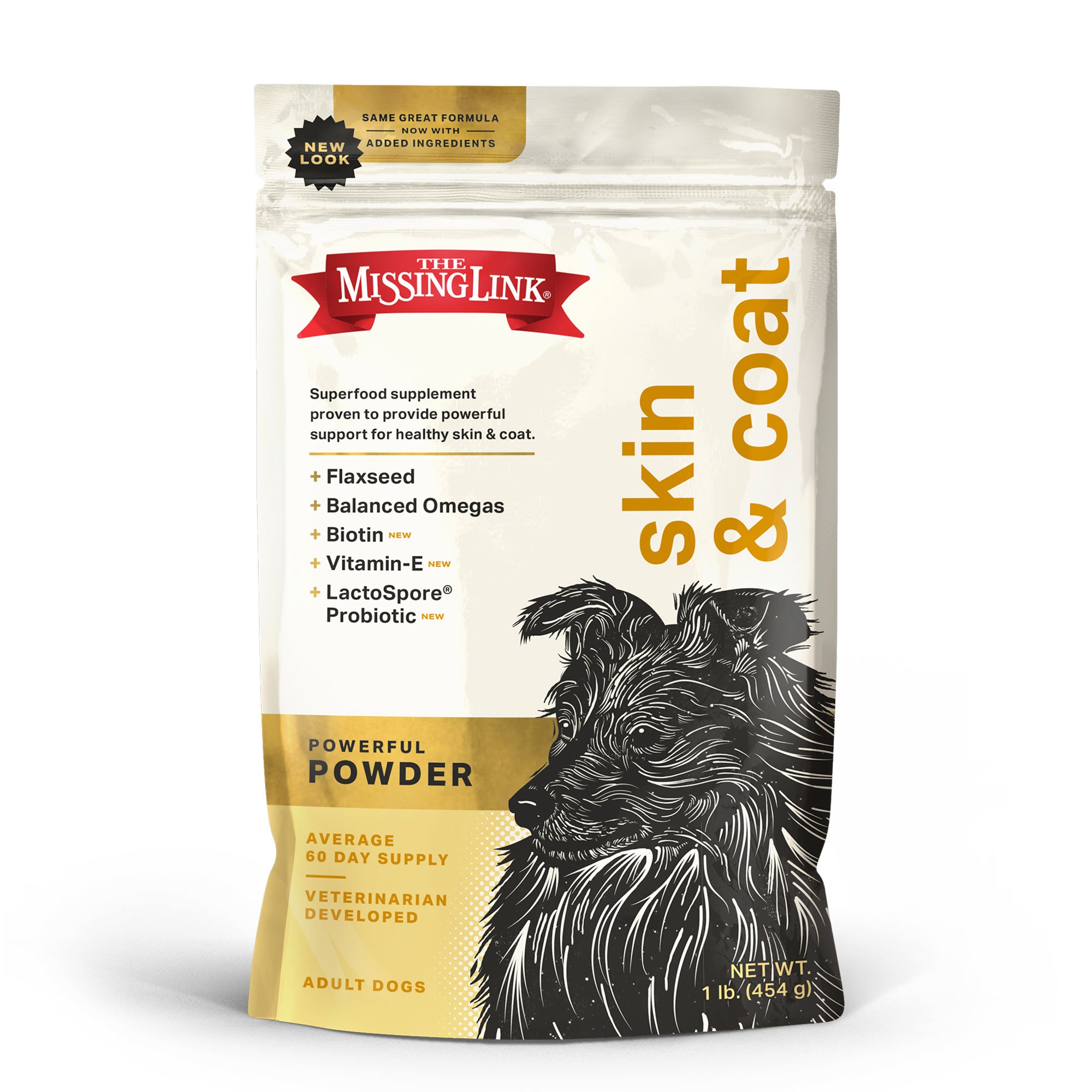
A grain free diet can help dogs with itchy, dry skin. Many dogs have allergies to grains. Removing grains reduces skin irritation and redness. Their coats become shinier and softer. This diet supports healthy skin cells and reduces flare-ups. It helps dogs look and feel better every day.
Enhanced Energy Levels
Dogs on grain free diets often have more energy. The diet offers better protein and fat sources. These nutrients fuel muscles and support activity. Dogs may play longer and stay active throughout the day. Energy improvements also help with mood and behavior. A lively dog is a happy dog.
Credit: missinglinkproducts.com
Potential Risks And Considerations
A grain free diet for dogs removes grains like wheat, corn, and rice. This diet aims to reduce allergies and improve digestion. Some dog owners choose it for their pets’ health. Yet, this diet is not without risks. Knowing these risks helps you make better choices for your dog’s food.
Grain free diets can cause issues if not balanced well. Dogs need certain nutrients that grains often provide. Missing these nutrients can lead to health problems. Also, some studies link grain free diets to heart issues in dogs. Understanding these risks is important before changing your dog’s diet.
Nutritional Imbalance
Grains supply fiber, vitamins, and minerals. Removing grains means these nutrients must come from other foods. Some grain free diets lack enough fiber. This can cause digestive problems like constipation or diarrhea. Dogs also need B vitamins found in grains. Without these, dogs may feel weak or tired. Choosing a grain free diet means watching nutrient levels closely.
Heart Health Implications
Recent research shows a link between grain free diets and heart problems. Some dogs develop a condition called dilated cardiomyopathy (DCM). DCM weakens the heart muscle and affects blood flow. The cause is not fully understood but may relate to missing nutrients. Taurine deficiency is one possible factor. Grain free diets may lack taurine or its building blocks. Regular vet check-ups can catch heart issues early. Talk to your vet before switching diets.
Choosing The Right Grain Free Food
Choosing the right grain free food for your dog takes care and attention. Not all grain free foods are the same. Some may lack important nutrients your dog needs. Others might contain fillers that do not help your pet’s health.
Understanding how to select the best grain free food helps keep your dog happy and healthy. Focus on quality ingredients and balanced nutrition. This section shows how to read ingredient labels and why consulting your veterinarian matters.
Reading Ingredient Labels
Start by checking the ingredient list on the dog food package. Look for real meat or fish as the first ingredient. Avoid foods with many artificial additives or fillers.
Check for sources of carbohydrates like potatoes or peas. These replace grains in grain free foods. Make sure there is a good mix of proteins, fats, and vitamins. This balance supports your dog’s energy and health.
Watch out for vague terms like “meat meal” without specifying the animal. Clear labeling shows better quality. The fewer ingredients, the easier it is to understand what your dog eats.
Consulting Your Veterinarian
Your veterinarian knows your dog’s health history best. They can recommend grain free foods suited to your pet’s needs. Some dogs have allergies or sensitivities that require special diets.
Discuss any diet changes with your vet before starting. They may suggest tests or monitor your dog’s response. This helps avoid problems and ensures proper nutrition.
Vets can also guide you on portion size and feeding frequency. This advice supports your dog’s overall well-being on a grain free diet.

Credit: www.amazon.com
Homemade Grain Free Options
Homemade grain free meals offer a healthy alternative for dogs with grain sensitivities. Preparing food at home lets you control every ingredient. It ensures your dog eats fresh, natural, and balanced meals.
Making grain free food at home can be simple and fun. You can customize recipes to suit your dog’s taste and needs. Using safe ingredients helps keep your dog healthy and happy.
Safe Ingredients To Use
Choose lean meats like chicken, turkey, or beef. Fish such as salmon or whitefish also work well. Use vegetables like carrots, peas, and sweet potatoes. These add vitamins and fiber to the diet. Avoid any foods that can cause allergies or upset your dog’s stomach.
Avoiding Common Mistakes
Do not skip essential nutrients. Dogs need protein, fats, vitamins, and minerals daily. Avoid using too many treats or unhealthy snacks. Do not feed only one type of meat or vegetable. Rotate ingredients for a balanced diet. Always check with your vet before changing your dog’s food.
Monitoring Your Dog’s Response
Switching your dog to a grain free diet is a big change. It is important to watch how your dog reacts. Careful monitoring helps you see if the new diet is working well. This also helps catch any problems early. Pay close attention to your dog’s health and behavior during this time.
Signs Of Improvement
Look for better digestion. Fewer tummy issues like gas or diarrhea are good signs. Your dog’s coat should look shinier and feel softer. Energy levels may rise, with your dog acting more lively. Reduced itching or skin redness shows the diet might be helping. Appetite should stay steady or improve. These changes usually appear within a few weeks.
When To Seek Professional Help
Call your vet if your dog loses weight suddenly. Watch for vomiting that does not stop. Severe diarrhea or blood in stool needs attention. If your dog seems very tired or weak, get help. Skin problems that get worse need a vet’s advice. Always seek help if your dog shows signs of pain. Early action can prevent serious health issues.

Credit: www.amazon.com
Frequently Asked Questions
What Nutrients Are Missing In A Grain Free Diet For Dogs?
Grain free diets often lack essential carbohydrates, fiber, and some vitamins. Dogs may miss out on energy and digestive benefits. Supplementing with alternative nutrient sources is important to maintain balanced nutrition and support overall health in dogs on grain free diets.
Can Dogs Get Enough Fiber Without Grains?
Yes, dogs can get fiber from vegetables, fruits, and legumes. These sources support digestion and bowel health. It’s crucial to include diverse fiber-rich ingredients to ensure proper gastrointestinal function and prevent deficiencies in grain free diets.
Are Grain Free Diets Deficient In Essential Vitamins?
Grain free diets may lack certain B vitamins and vitamin E found in grains. Pet owners should check ingredient labels and consider supplementation to prevent vitamin deficiencies and maintain a healthy immune system for their dogs.
How Do Grain Free Diets Affect Dog Energy Levels?
Dogs may experience lower energy if grains are removed without proper substitutes. Grains provide carbohydrates, a primary energy source. Alternative ingredients like sweet potatoes or peas help maintain adequate energy in grain free dog foods.
Conclusion
A grain free diet for dogs misses certain fibers and nutrients found in grains. These help with digestion and energy. Not all dogs need grain free food; some do well with grains. Always watch your dog’s health and talk to a vet before changing diets.
Balance and variety keep dogs strong and happy. Choose food that suits your dog’s needs best. Simple and clear choices work well for your furry friend.


