

Have you ever wondered if your cat can learn tricks just like a dog? You might think training a cat is impossible, but what if it’s not?
Imagine your furry friend coming when called, sitting on command, or even playing fetch. It’s easier than you think, and you’ll discover simple ways to unlock your cat’s hidden talents. Ready to change how you see your cat forever? Keep reading to find out how you can start training your cat today.

Credit: www.purina.com
Differences Between Cats And Dogs
Cats and dogs are very different animals. Their behaviors, ways of learning, and what drives them vary a lot. Understanding these differences helps to see why training cats is not like training dogs.
Each pet has its own style. Dogs often follow commands easily. Cats may not respond the same way. Knowing these differences is key for any pet owner.
Behavioral Traits
Dogs are pack animals. They like to follow a leader. They seek approval and enjoy company. Cats are more independent. They act alone and choose when to interact. Dogs show clear signs of obedience. Cats show affection in subtle ways.
Learning Styles
Dogs learn through repetition and rewards. They remember commands well. Cats learn by watching and exploring. They may try things on their own. Dogs respond quickly to training. Cats take more time and patience.
Motivation Factors
Dogs want praise and treats. They work to please their owner. Cats are motivated by curiosity or food. Some cats like play or petting as rewards. Dogs often seek attention. Cats may prefer quiet and space.
Credit: vogdog.com
Basic Training Principles For Cats
Training a cat is different from training a dog. Cats have unique behaviors and ways of learning. Understanding basic training principles helps make the process easier. Patience and the right approach lead to better results. Training can improve your cat’s behavior and strengthen your bond.
Positive Reinforcement
Positive reinforcement means rewarding good behavior. Cats learn faster when they get treats or praise. Ignore bad behavior instead of punishing. Use small, tasty treats to encourage your cat. Reward immediately after the behavior to connect the action and the treat.
Consistency And Patience
Consistency is key in cat training. Use the same commands and routines daily. Repeat training sessions but keep them short, about five minutes. Be patient as cats learn at their own pace. Avoid frustration; slow progress is normal for cats.
Setting Realistic Goals
Set simple and clear goals for your cat. Start with basic commands like “sit” or “come.” Avoid expecting dog-like obedience. Focus on achievable tasks to keep your cat motivated. Celebrate small wins to encourage further learning.
Effective Commands For Cats
Training cats requires patience and clear commands. Cats respond well to simple, consistent instructions. Teaching effective commands helps build trust and good behavior. It also makes living with your cat easier. Below are some key commands to start with.
Teaching Name Recognition
Start by calling your cat’s name softly. Use a happy tone and say the name clearly. When your cat looks at you, reward with a treat or gentle pet. Repeat this often during quiet moments. This helps your cat learn to respond to its name. Name recognition is the first step in training.
Litter Box Training
Show your cat the litter box right away. Place them inside after meals or naps. Keep the box clean and in a quiet place. Praise your cat when it uses the box correctly. Consistent routine and positive feedback make learning faster. Most cats learn litter box habits quickly.
Simple Tricks Like Sit And Come
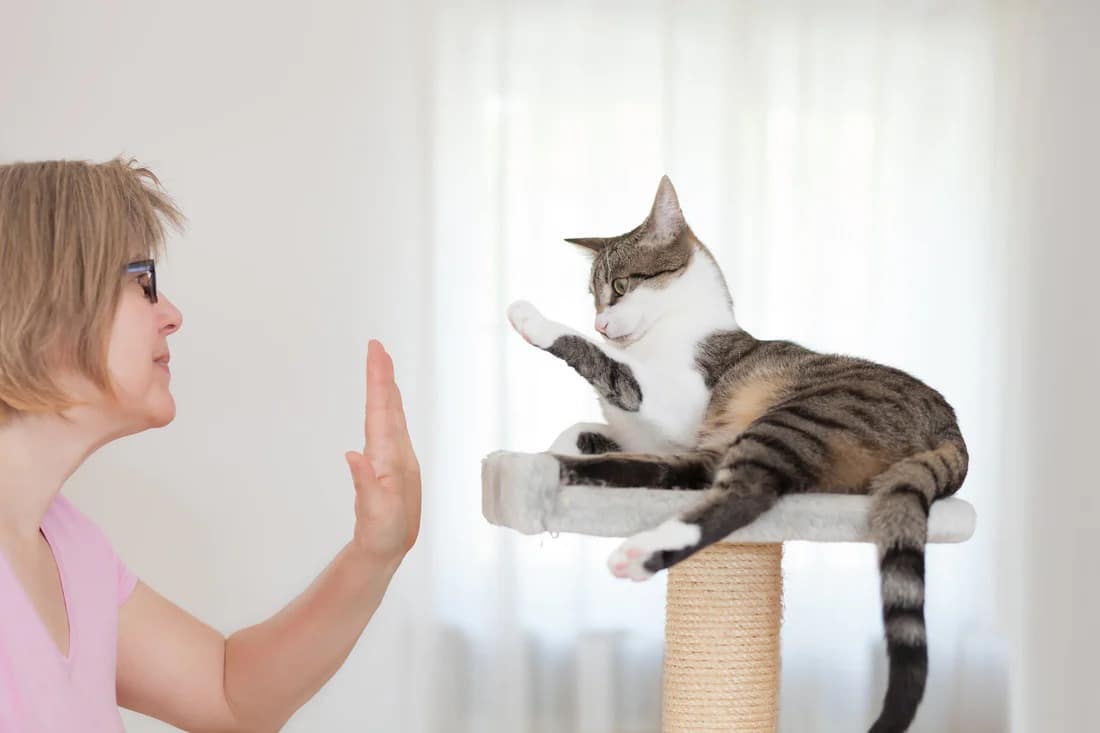
Teach your cat to sit by holding a treat above its head. Move the treat back slowly so the cat sits down. Say “sit” clearly as it sits, then reward. For “come,” call your cat’s name and say “come.” Reward when the cat moves toward you. Practice these commands in short, fun sessions daily.
Tools And Treats That Help
Training a cat requires patience and the right tools. Using treats and toys helps keep your cat interested. These tools make learning fun and rewarding. Cats respond well to positive reinforcement. The right treats and toys can guide their behavior.
Choosing The Right Treats
Pick treats your cat loves. Small, soft treats work best. They should be easy to chew and swallow. Use treats that smell strong to catch their attention. Avoid giving too many treats to keep your cat healthy. Treats help your cat focus during training.
Using Clicker Training
A clicker makes training clear and simple. The click sound marks the right action. Your cat learns to connect the sound with a reward. This method helps cats understand what you want. Clicker training is gentle and effective for cats.
Toys To Encourage Learning
Toys motivate cats to follow commands. Use toys that move or make noise. Interactive toys keep your cat curious and active. Toys can turn training into playtime. This keeps your cat eager to learn more.
Common Challenges And Solutions
Training a cat is not the same as training a dog. Cats have different personalities and habits. This creates unique challenges for training. Understanding these challenges helps find better solutions. Patience and the right approach make training easier.
Dealing With Distractions
Cats get distracted easily. Noises, movements, or other pets can break their focus. Keep training sessions in a quiet, calm room. Use minimal toys or treats to avoid too many distractions. Short sessions work best. This helps cats stay attentive and learn faster.
Overcoming Resistance
Cats often resist commands or new behaviors. They may simply ignore instructions. Avoid forcing them. Instead, use gentle encouragement with treats and praise. Repeat commands softly and clearly. Give cats time to understand. Small, slow steps reduce resistance and build trust.
Maintaining Interest
Cats lose interest quickly during training. Change activities often to keep them curious. Use high-value treats that they really like. Keep sessions short and fun. End on a positive note. This keeps cats eager to learn more next time.
Credit: www.newsweek.com
Advanced Training Techniques
Advanced training techniques help deepen your cat’s skills and bond. Cats can learn more than basic commands. Training taps into their natural curiosity and agility. These methods keep cats mentally and physically active.
Agility And Obedience
Agility training uses small obstacles like tunnels and poles. It improves your cat’s coordination and confidence. Start with simple tasks, like jumping over a low bar. Reward your cat with treats or praise. Obedience means teaching your cat to listen well. Use clear, consistent commands for best results. Practice short sessions to keep your cat interested.
Leash Training
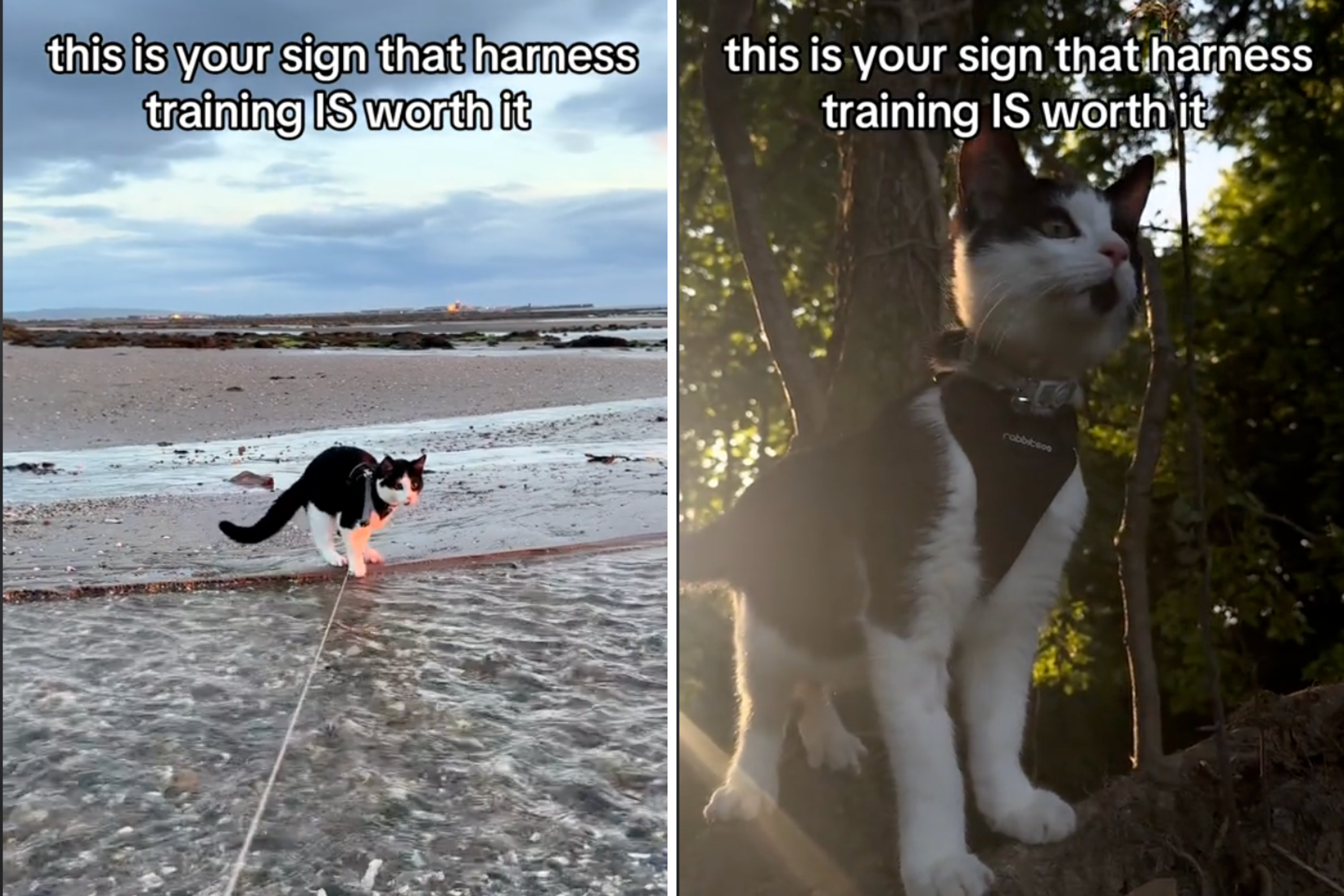
Leash training helps your cat explore safely outside. Begin indoors with a harness and leash. Let your cat wear the harness alone first. Next, attach the leash and follow your cat’s lead. Walk slowly and reward calm behavior. Leash walks provide exercise and new experiences. Patience is key; some cats take longer to adjust.
Interactive Games
Interactive games engage your cat’s mind and body. Use toys that move or make noise to spark interest. Hide treats in puzzle feeders to challenge your cat. Play short games several times a day. Rotate toys to keep playtime fresh. These games reduce boredom and strengthen your bond.
Benefits Of Training Your Cat
Training a cat offers many benefits beyond basic tricks. It helps improve your cat’s daily life and your relationship. Cats can learn commands and behaviors just like dogs. Training makes their world clearer and less stressful. It also makes living together more peaceful and fun.
Improved Behavior
Training helps reduce unwanted behaviors like scratching or biting. Cats learn what is okay and what is not. This makes your home safer and cleaner. Training also helps with litter box habits. Well-trained cats are easier to manage and live with.
Stronger Bond
Training creates trust between you and your cat. Spending time together builds a closer connection. Cats feel more secure and loved with training. This bond makes your cat more friendly and relaxed. It also helps during visits to the vet or travel.
Mental Stimulation
Training exercises your cat’s brain. It keeps their mind active and sharp. Mental challenges prevent boredom and bad habits. Cats enjoy learning new things and solving problems. A busy mind leads to a happier and healthier cat.
Frequently Asked Questions
Can Cats Be Trained Like Dogs Effectively?
Yes, cats can be trained but differently than dogs. They respond well to positive reinforcement and patience. Training requires consistency and understanding of their unique behaviors.
What Commands Can Cats Learn Compared To Dogs?
Cats can learn basic commands like “sit,” “come,” and “stay. ” However, they may not respond as reliably as dogs. Training should focus on simple, reward-based commands.
How Long Does It Take To Train A Cat?
Training duration varies by cat’s personality and consistency. Typically, short daily sessions over weeks yield good results. Patience and positive rewards speed up learning.
Are There Benefits To Training Cats Like Dogs?
Training improves a cat’s mental stimulation and behavior. It strengthens the bond between owner and pet. It also reduces unwanted behaviors like scratching or aggression.
Conclusion
Cats can learn new things, just like dogs do. Training takes patience and kindness. Each cat has its own pace and style. Rewards and gentle guidance work best. Expect small steps and celebrate progress. Training strengthens your bond with your cat.
Enjoy teaching and learning together every day. With time, cats can follow simple commands too. It’s all about love and patience.


