

Have you ever wondered how dogs are bred and what goes into creating the perfect furry companion? Whether you’re thinking about adding a new dog to your family or just curious about the process, understanding how dogs are bred can give you valuable insight.
This knowledge helps you make smarter choices and ensures your future pet is healthy and happy. Keep reading to discover the secrets behind dog breeding and what it means for you and your four-legged friend.

Credit: www.amazon.com
Basics Of Dog Breeding
Dog breeding is a careful process that requires knowledge and responsibility. It aims to produce healthy puppies with good traits. Breeders focus on selecting the right dogs, understanding genetics, and ensuring health. These basics help maintain strong dog breeds and avoid common problems.
Selecting Suitable Breeding Dogs
Choosing the right dogs for breeding is important. Breeders look for dogs with good temperaments and strong physical traits. Both parents should meet breed standards. Age, size, and behavior also matter. Only healthy dogs without genetic defects should be chosen. This helps produce puppies with the best qualities.
Genetic Considerations
Genetics play a key role in dog breeding. Each dog carries genes that affect appearance and health. Breeders study family history to avoid passing bad traits. They aim to keep positive traits while reducing risks. Understanding genetics helps prevent inherited diseases. Careful planning improves the breed’s future.
Health Screening Essentials
Health checks are vital before breeding. Dogs must be tested for common breed diseases. Tests include hip and elbow evaluations, eye exams, and heart checks. Vaccinations and parasite control are also necessary. Health screening protects puppies from illnesses. It ensures strong and happy dogs for years ahead.
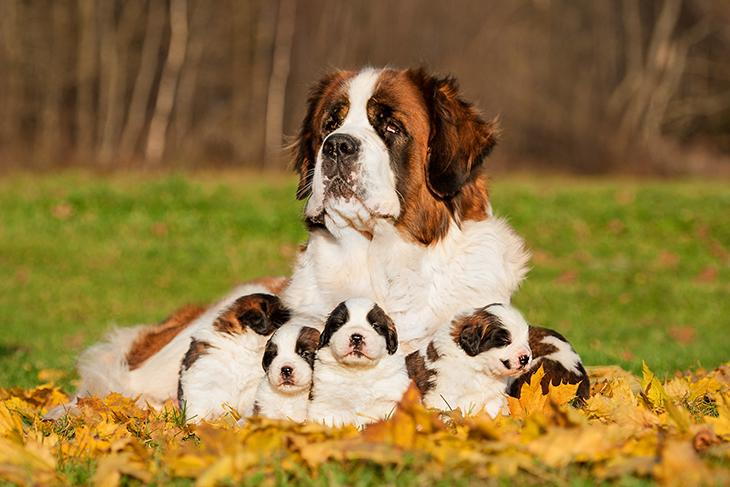
Credit: www.denison-vet.com
Preparing For Breeding
Preparing for breeding is a crucial step to ensure healthy puppies and a smooth process. It involves careful planning and attention to the dog’s health and environment. Proper preparation helps avoid common problems during pregnancy and birth.
Timing The Breeding Cycle
Knowing the right time to breed is essential. Female dogs have heat cycles every six months. The best time to breed is usually between the 9th and 14th day of the cycle. Watch for signs like swelling and bleeding. Breeding too early or late can reduce chances of pregnancy.
Nutrition And Care For Breeding Dogs
Good nutrition supports the health of breeding dogs. Feed a balanced diet with high-quality protein. Vitamins and minerals help build strong puppies. Regular exercise keeps the dog fit. Avoid stress and provide clean water at all times. Regular vet check-ups ensure the dog is healthy for breeding.
Setting Up A Safe Environment
Create a calm and clean space for breeding and whelping. The area should be quiet and free from distractions. Use soft bedding and keep the temperature comfortable. Remove hazards like sharp objects or toxic plants. A safe environment helps the dog feel relaxed and secure.
Breeding Methods
Breeding dogs involves different methods to help produce healthy puppies. Each method has its own process and benefits. Knowing these methods helps breeders choose the best way to breed dogs safely and effectively.
Natural Mating Techniques
Natural mating is the most common and oldest method of breeding dogs. The male and female dogs meet in person to mate. This process allows dogs to use their instincts and natural behavior. It is simple and usually works well when the dogs are healthy. Breeders watch the dogs closely to ensure the mating goes smoothly. This method needs the dogs to be in the same place at the right time.
Artificial Insemination
Artificial insemination (AI) is a modern breeding method. It involves collecting sperm from a male dog and placing it in a female dog’s reproductive tract. This method helps when natural mating is not possible. AI allows breeders to use sperm from distant or unavailable males. It also reduces the risk of injury or disease during mating. A vet usually performs this procedure to ensure safety and success.
Choosing The Right Approach
Selecting the best breeding method depends on several factors. The health of both dogs is very important. Distance between dogs and their behavior also matters. Some dogs may not mate naturally due to fear or size differences. The breeder’s experience and resources play a role too. Each method has pros and cons. Careful choice helps produce strong and healthy puppies.
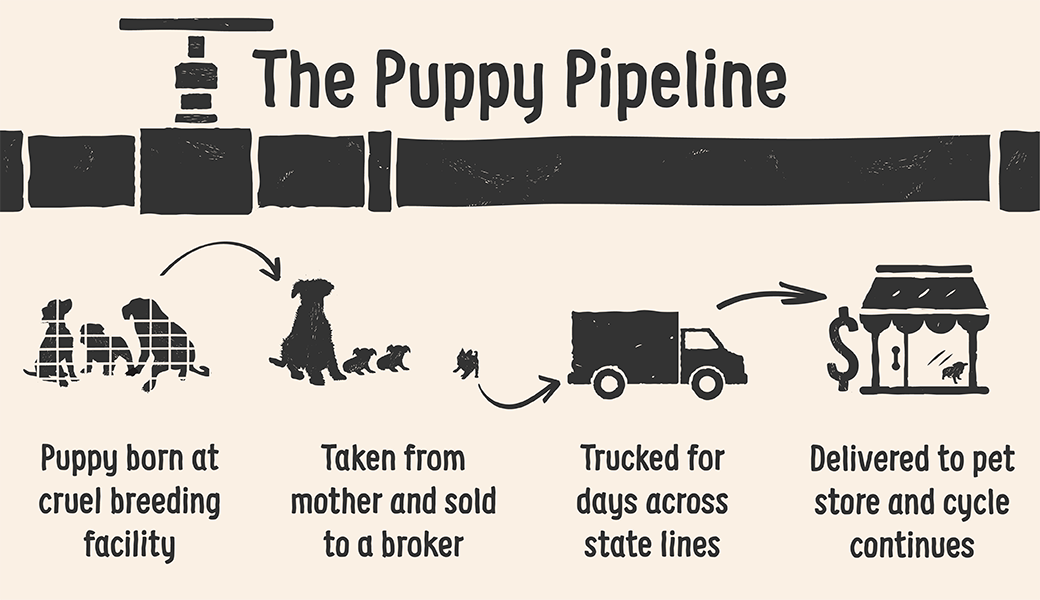
Credit: www.aspca.org
Pregnancy And Whelping Care
Caring for a pregnant dog requires special attention. Pregnancy and whelping care ensure both mother and puppies stay healthy. Understanding the stages helps provide the best support during this critical time.
Monitoring Pregnancy Progress
Track the dog’s health throughout pregnancy. Watch for changes in appetite, behavior, and weight. Regular vet visits confirm the pregnancy and check puppy development. Ultrasounds or X-rays help see the puppies inside the mother.
Keep an eye on any unusual signs like vomiting or weakness. Early detection of problems can save lives. Record the dog’s temperature daily in the last week. A drop in temperature means labor is near.
Nutrition During Pregnancy
Feed high-quality food designed for pregnant dogs. Proper nutrition supports the mother and growing puppies. Increase food quantity gradually after the first month. Avoid sudden diet changes to prevent stomach upset.
Provide fresh water at all times. Pregnant dogs need more energy and nutrients. Supplements like calcium or vitamins might be needed but only with vet advice. Balanced nutrition helps ensure healthy puppies and smooth delivery.
Preparing For Birth
Set up a quiet, warm, and clean whelping area. The space should be comfortable and free from noise. Gather supplies like clean towels, heating pads, and a scale.
Learn the signs of labor such as restlessness and nesting. Keep emergency vet contacts ready. Stay calm and support the dog but do not interfere unless necessary. Proper preparation helps a safe and smooth birth process.
Caring For Newborn Puppies
Caring for newborn puppies is a vital part of dog breeding. Puppies need gentle care and attention from birth. Their first days are delicate and require proper handling to ensure strong health and growth.
Providing a warm, clean space helps puppies feel safe. Newborns rely on their mother for warmth and nutrition. Breeders must watch closely for any signs of distress or illness. Early care sets the foundation for healthy development.
Neonatal Care Practices
Keep puppies warm at all times. Use heating pads or heat lamps carefully. Avoid drafts and cold floors. Check puppies frequently to ensure they are comfortable. Clean the whelping area daily to prevent infections. Gently handle puppies to help them adjust to human touch.
Feeding And Socialization
Newborn puppies should nurse from their mother often. Mother’s milk provides essential nutrients and antibodies. If the mother cannot feed, use a puppy milk replacer. Feed small amounts every two to three hours. Early socialization begins with gentle handling and soft voices. This helps puppies grow confident and friendly.
Health Checks And Vaccinations
Regular health checks are important for newborn puppies. Watch for signs of illness such as weakness or lack of appetite. Schedule the first vet visit within two weeks. Vaccinations start around six to eight weeks old. Follow the vet’s advice on vaccination and deworming schedules. Keeping puppies healthy protects them from common diseases.
Ethical Breeding Practices
Ethical breeding practices focus on the health and well-being of dogs. Responsible breeders care deeply about the future of each puppy. They follow rules to avoid harm and promote strong, healthy dogs.
Avoiding Overbreeding
Overbreeding can harm a dog’s health. Ethical breeders limit the number of litters a dog has. This helps prevent health problems and keeps dogs happy. Giving dogs enough rest between litters is important. It also ensures the puppies get proper care and attention.
Promoting Genetic Diversity
Genetic diversity keeps dog breeds strong and healthy. Ethical breeders choose parents that are not closely related. This lowers the risk of inherited diseases. Testing for genetic issues is common. It helps select healthy dogs for breeding. Diversity improves the chances of long, healthy lives.
Ensuring Lifelong Commitment
Breeders should care for their dogs for life. Ethical breeders support owners after selling puppies. They offer advice and help if problems arise. Some even take dogs back if needed. This shows true responsibility and respect for the animals.
Frequently Asked Questions
How Are Dogs Bred Naturally?
Dogs breed naturally through mating when a female is in heat. Male dogs detect this and mate to produce puppies. Natural breeding relies on instincts and timing, often used by pet owners and breeders for healthy litters.
What Methods Are Used For Dog Breeding?
Dog breeding methods include natural mating and artificial insemination. Artificial insemination helps with genetic diversity and breeding challenges. Both methods aim to produce healthy puppies with desired traits and improve breed standards.
How Long Is A Dog’s Gestation Period?
A dog’s gestation period lasts about 58 to 68 days. This varies slightly by breed and individual health. During this time, the female needs proper nutrition and care for a healthy pregnancy.
Why Is Selective Breeding Important For Dogs?
Selective breeding focuses on enhancing desired traits like health, temperament, and appearance. It reduces genetic disorders and maintains breed standards. Responsible breeders prioritize health to improve the overall quality of future generations.
Conclusion
Breeding dogs is a careful process that needs attention and care. Choosing healthy parents helps produce strong puppies. Breeders must know about genetics and health checks. This helps avoid problems later. Proper care during pregnancy keeps puppies safe. Each breed has unique traits to consider.
Understanding these steps helps people appreciate dog breeding more. It takes time, knowledge, and love to breed dogs well. The result is happy, healthy dogs that make great pets. This guide shows how careful breeding supports good dog health and behavior.


