

Are you wondering when your puppy should switch from baby food to adult dog food? Knowing the right time to make this change is important for your dog’s health and growth.
Feed them too early, and they might miss out on vital nutrients. Wait too long, and they could struggle with digestion or weight issues. You’ll discover the signs to look for and expert tips to help you make the best choice for your furry friend.
Keep reading to ensure your dog’s diet supports a strong and happy life.
Credit: www.purina.com
Puppy Feeding Stages
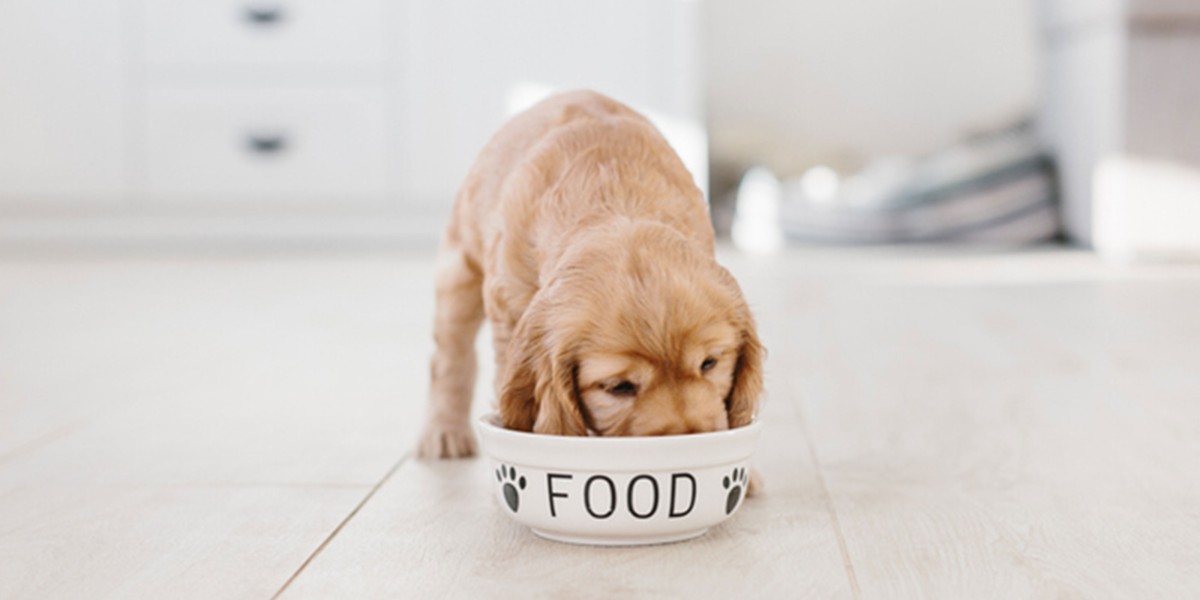
Puppy feeding stages are important for healthy growth. Puppies need different food at each stage. Their digestive system changes as they grow. Feeding the right food helps build strong bones and muscles. It also supports brain development and energy levels. Understanding these stages helps owners give the best care.
Milk To Solid Transition
Puppies start by drinking their mother’s milk. Milk gives all the nutrients they need at first. Around three weeks old, puppies try solid food. This is a soft mix called mush or gruel. It helps puppies learn to chew and digest solids. The transition should be slow and gentle. This prevents stomach upset and ensures proper nutrition.
Typical Weaning Age
Weaning usually happens between four and six weeks. At this age, puppies eat more solid food. They drink less milk from their mother. By eight weeks, most puppies eat only solid food. This is the time to introduce high-quality puppy food. It provides the right balance of nutrients. Proper weaning supports healthy growth and development.
Signs Your Dog Is Ready
Knowing when your dog is ready to eat adult food is key for their health. Watch for clear signs. These signs show your puppy is growing and needs new nutrition. Watch their body and behavior closely. These hints help you make a smooth switch to adult food.
Teeth Development
Puppies start losing baby teeth around four months old. New adult teeth come in by six months. Strong, clean teeth mean your dog can chew adult food well. Watch for less biting and more chewing. This shows their mouth is ready for harder food.
Increased Appetite
Growing dogs eat more to fuel their bodies. You may notice your puppy is always hungry. They finish meals quickly and ask for more. This hunger means their body needs more energy. Adult food has more nutrients to support this growth.
Weight And Size Milestones
Your dog’s weight and size change fast in the first year. Most dogs reach about 75% of their adult size by six months. Check your vet’s advice for your breed’s growth timeline. Reaching these milestones signals it’s time for adult food. This helps keep your dog healthy and strong.
Choosing The Right Adult Food
Choosing the right adult food for your dog is very important. Adult dogs have different needs than puppies. Their food must help keep them healthy and active. Picking a good food means your dog gets the right vitamins, minerals, and energy. This helps your dog live a long and happy life.
Knowing what to look for can be hard. There are many types of food and labels to understand. This guide will help you choose the best adult food for your dog.
Nutritional Needs
Adult dogs need balanced nutrition to stay strong. Protein helps build muscles. Fat gives energy for daily activities. Carbohydrates support digestion and energy too. Vitamins and minerals keep the immune system healthy. The right mix depends on your dog’s size, age, and activity level. Overfeeding or underfeeding can cause health problems. Choose food that fits your dog’s unique needs.
Types Of Adult Dog Food
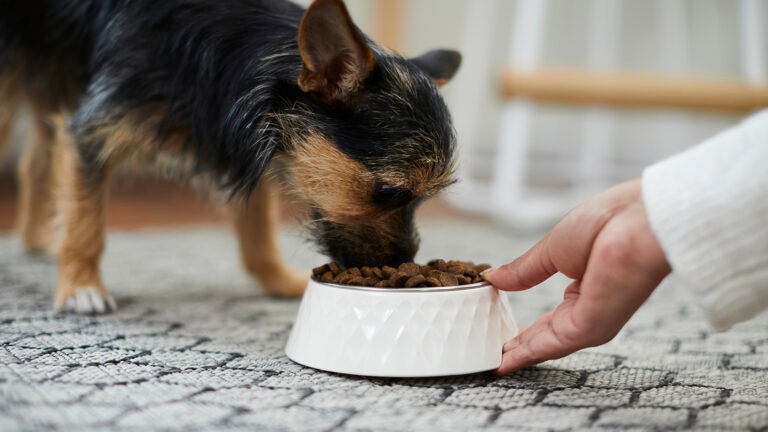
Dry kibble is popular and easy to store. It helps keep teeth clean. Wet food has more moisture and tastes good. It can be easier to chew for some dogs. Semi-moist food is soft and sweet but may have more sugar. Raw diets include fresh meat and bones but need care to be safe. Home-cooked meals give control but require knowledge to balance nutrients. Pick a type that suits your dog’s health and your lifestyle.
Reading Food Labels
Food labels show important details about the food. Check the first ingredient. It should be a good source of protein. Look for words like “chicken,” “beef,” or “fish.” Avoid foods with too many fillers like corn or wheat. Check the guaranteed analysis for protein and fat levels. Look for added vitamins and minerals. The label also tells you the food’s calorie content. This helps you feed the right amount. Choose foods that meet AAFCO standards for adult maintenance.
Credit: www.bowlerspets.com
How To Switch Foods Safely
Switching your dog from puppy food to adult food needs care. Sudden changes can upset your dog’s stomach. A smooth change helps keep your dog healthy and happy. Follow simple steps to make the switch safe and easy.
Gradual Transition Plan
Start by mixing 25% adult food with 75% puppy food. After three days, change to 50% adult and 50% puppy food. Then, move to 75% adult and 25% puppy food. Finish by giving only adult food after a week. This slow change helps your dog’s body adjust well.
Monitoring Digestive Health
Watch your dog’s stool daily during the food change. Soft or loose stools show digestion issues. If problems last more than two days, slow the transition. Keep an eye on energy levels and appetite too. Healthy digestion means your dog is ready for new food.
Common Feeding Mistakes
Do not switch foods abruptly. Avoid mixing too many treats during the transition. Do not feed adult food too early or too late. Skipping the gradual plan can cause stomach upset. Consistent feeding times help your dog adjust faster.
Expert Tips For Feeding
Feeding your dog the right way is key to their health. Experts suggest clear guidelines for a smooth transition to adult food. These tips help maintain energy and support growth. Careful feeding supports a happy, healthy dog for years.
Below are expert tips on meal frequency, hydration, and diet adjustments based on activity. Follow these to keep your dog balanced and strong.
Meal Frequency And Portion Control
Puppies need more meals than adult dogs. Start with three to four meals daily. Gradually reduce to two meals as they grow. Portion size matters. Feed according to your dog’s weight and age. Avoid overfeeding to prevent obesity. Use feeding guidelines on the dog food label. Measure meals with a cup or scale for accuracy.
Hydration Importance
Water is vital for digestion and overall health. Always provide fresh, clean water. Change water daily to keep it fresh. Dogs eating dry kibble need more water. Monitor water intake to spot health problems early. Encourage drinking after play and exercise. Hydration helps maintain energy and body functions.
Adjusting Diet For Activity Level
Active dogs burn more calories and need more nutrients. Increase food portions for high-energy dogs. Less active dogs require fewer calories to avoid weight gain. Adjust treats and snacks to balance total intake. Monitor your dog’s weight and energy regularly. Consult your vet to tailor the diet as needed.
When To Consult A Vet
Knowing the right time to switch your dog to adult food is important. Sometimes, your dog may show signs that need a vet’s advice. A vet can help with feeding guidance and health checks. Watch your dog closely for any unusual signs. Consult a vet to keep your dog safe and healthy.
Unusual Eating Behaviors
Dogs may suddenly lose interest in food or eat too fast. Some dogs may vomit after eating or refuse food altogether. These behaviors can signal health problems. A vet can check for infections, digestive issues, or pain. Early vet visits prevent worsening health conditions.
Growth Concerns
Puppies grow at different rates. Some may be too small or too large for their age. Poor growth or weight loss needs a vet’s evaluation. The vet can suggest the right food and supplements. Healthy growth ensures your dog stays active and strong.
Allergies And Sensitivities
Itchy skin, redness, or digestive upset might mean allergies. Some dogs react to ingredients in adult food. A vet can test for allergies or sensitivities. They may recommend special diets or treatments. Proper care helps your dog feel comfortable and happy.
Credit: www.chewy.com
Frequently Asked Questions
When Should Puppies Start Eating Adult Dog Food?
Puppies typically start eating adult dog food around 12 months old. Large breeds may switch later, around 18 months. Transition gradually to avoid digestive upset.
Why Switch From Puppy To Adult Dog Food?
Adult dog food meets mature dogs’ nutritional needs. It has fewer calories and supports healthy weight. Puppy food has more fat and protein for growth.
How To Transition Puppies To Adult Food Safely?
Mix adult food with puppy food gradually over 7-10 days. Increase adult food daily to avoid stomach upset. Monitor your dog’s health during transition.
What Signs Show A Dog Is Ready For Adult Food?
Signs include slowed growth, stable weight, and dental maturity. Puppies losing baby teeth and eating less frequently are ready to switch.
Conclusion
Choosing the right time for adult dog food is important. Most dogs start eating adult food around one year old. Small breeds may switch earlier, large breeds might wait longer. Watch your dog’s growth and energy levels closely. Speak with your vet to make the best decision.
Changing food too soon can upset digestion. Take it slow and mix old food with new. Your dog’s health and happiness come first. Feeding adult food at the right time supports strong bones and good energy. Keep your dog healthy with proper nutrition.


