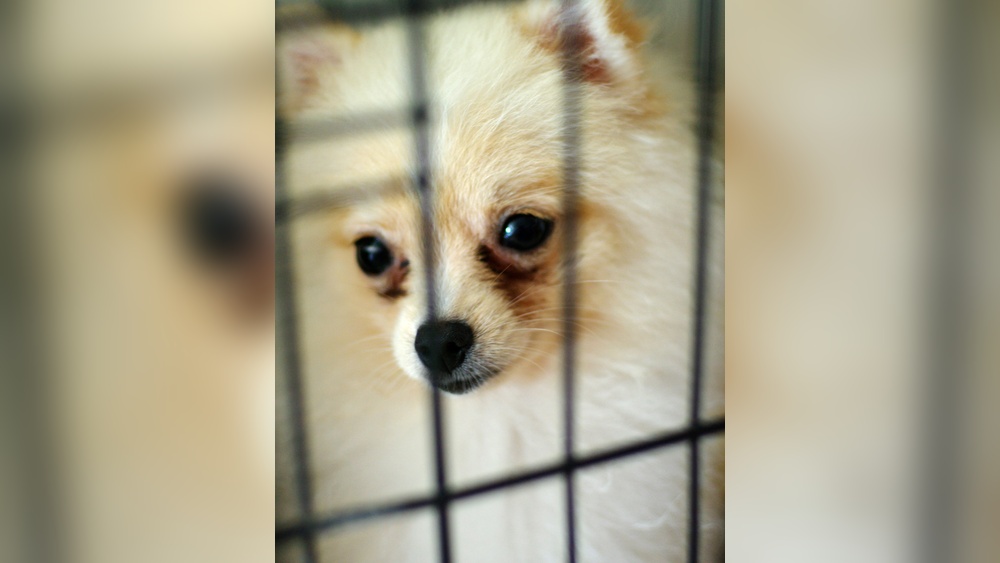
Have you ever wondered if dog breeding is truly ethical? When you look at those adorable puppies, it’s easy to feel excited and hopeful.
But beneath the cuteness, there are important questions you need to consider. Is breeding done with the dogs’ well-being in mind? Could it cause harm to the animals involved? If you care about dogs and want to make informed choices, this article will guide you through the facts and ethical concerns.
Keep reading, because what you learn here might change how you see dog breeding forever.

Credit: www.lemon8-app.com
Ethics In Dog Breeding
Ethics in dog breeding raises many important questions. Breeding dogs is not just about producing puppies. It involves care, respect, and responsibility. Ethical breeding means putting dogs’ needs first. It requires honesty and fairness. Understanding these ethics helps protect dogs and their future.
Moral Responsibilities
Breeders must act with strong moral values. They should breed dogs only to improve the breed. Using dogs for profit alone is wrong. Respect for animals means avoiding harm and suffering. Breeders must think about the long-term effects of their choices. Every decision should benefit the dogs and their families.
Welfare Of Breeding Dogs
Breeding dogs need excellent care every day. They require good food, clean homes, and regular health checks. Stress and poor living conditions hurt dogs deeply. Ethical breeders provide love and attention to their dogs. No dog should be overbred or neglected. Their well-being is the top priority in breeding.
Impact On Puppy Health
Health problems can pass from parents to puppies. Ethical breeders test dogs for diseases before breeding. They avoid pairing dogs with known genetic issues. Healthy puppies grow stronger and live longer lives. Poor breeding can cause pain and illness in puppies. Good breeding helps create happy, healthy dogs for families.

Credit: florenceah.com
Common Breeding Practices
Dog breeding involves several common practices that affect the health and well-being of dogs. These practices vary widely in their goals and methods. Understanding them helps to judge their ethics better. Below are the main types of breeding practices used today.
Selective Breeding Methods
Selective breeding chooses dogs with specific traits to mate. Breeders aim for desired features like size, color, or temperament. This method can improve breed standards and reduce some health issues. But it may also cause genetic problems if done carelessly. Careful selection and health testing are key to ethical breeding.
Commercial Breeding Operations
Commercial breeders focus on producing many puppies for sale. These operations often prioritize profit over animal welfare. Dogs may live in crowded, poor conditions. Puppies might lack proper socialization and health care. Many commercial breeders face criticism for unethical treatment of dogs.
Backyard Breeders
Backyard breeders are small-scale, often casual breeders. They breed dogs without full knowledge of genetics or health screening. These breeders may unintentionally produce puppies with health or behavior problems. Lack of proper care and space is common. Backyard breeding raises concerns about responsible ownership and animal welfare.
Controversies Surrounding Breeding
Dog breeding has sparked many debates worldwide. It raises strong feelings and serious questions about animal welfare. Some see it as a way to preserve special breeds. Others worry about the harm it may cause. This section explores key controversies surrounding dog breeding.
Overpopulation Concerns
Many dogs need homes. Shelters often overflow with stray and abandoned dogs. Breeding adds more dogs to this problem. Some puppies do not find good homes. This leads to more dogs living in poor conditions. Overpopulation also increases the risk of dogs being euthanized.
Genetic Disorders And Inbreeding
Breeding sometimes focuses on looks, not health. Inbreeding can cause genetic problems. Dogs may inherit diseases like hip dysplasia or heart issues. These health problems make dogs suffer. Treating these conditions is costly and difficult. Ethical breeding should avoid these risks.
Animal Cruelty Allegations
Some breeders prioritize profit over care. Puppies may live in cramped, dirty spaces. Mothers may be forced to have many litters without rest. This causes stress and pain for the dogs. Cruel treatment often stays hidden from the public. True ethical breeding must respect all animals’ well-being.
Alternatives To Traditional Breeding
Traditional dog breeding raises many ethical questions. Many people seek better choices that respect animal welfare. Alternatives to traditional breeding offer ways to care for dogs responsibly.
These options help reduce overpopulation and prevent health issues. They also support dogs in need of homes. Exploring these alternatives can guide better decisions for dogs and owners alike.
Adoption And Rescue
Adopting a dog saves a life. Shelters have many dogs waiting for homes. Rescue groups focus on dogs needing special care. Adoption avoids supporting overbreeding. It gives dogs a second chance to be loved. Many rescued dogs adapt quickly to new families. Adoption is a responsible and kind choice.
Ethical Breeding Programs
Ethical breeders prioritize dog health and well-being. They avoid breeding for profit or appearance only. Careful selection prevents genetic diseases. These breeders provide proper living conditions and socialization. Transparent practices build trust with buyers. Ethical breeding respects the dog’s quality of life. It aims to improve breeds responsibly.
Sterilization And Population Control
Sterilization helps control dog populations. Spaying and neutering prevent unwanted litters. This reduces the number of homeless dogs. Population control lowers strain on shelters and rescues. It also decreases health risks related to overbreeding. Sterilization is a simple step with big benefits. It supports a healthier dog community overall.
Regulations And Standards
Regulations and standards shape the ethics of dog breeding. They set rules to protect dogs and ensure breeders act responsibly. Different bodies create these rules to cover health, welfare, and breeding practices. Understanding these helps us see how ethical dog breeding can be supported or challenged.
Kennel Club Guidelines
Kennel clubs provide clear rules for dog breeders. They focus on animal health, behavior, and proper care. Their guidelines often include health checks before breeding. They also promote breeding for good temperament and breed standards. These rules help keep breeding ethical and dogs safe.
Government Policies
Governments set laws to regulate dog breeding activities. These laws often require licenses for breeders. They also set minimum care standards and limit the number of breeding dogs. Some policies protect dogs from cruelty and neglect. These rules aim to stop unethical breeding practices.
Enforcement Challenges
Enforcing breeding rules can be difficult. Limited resources reduce the number of inspections. Some breeders operate without licenses or break rules. Lack of public awareness also weakens enforcement. These challenges make it harder to keep dog breeding ethical.
Future Of Dog Breeding
The future of dog breeding is changing fast. New ideas and tools shape how breeders work. Society’s view on breeding also shifts. These changes bring hope for healthier, happier dogs. Understanding these trends helps us see where dog breeding is headed.
Technological Advances
Technology plays a big role in dog breeding today. DNA tests help identify health risks early. Breeders can avoid passing bad genes to puppies. Artificial insemination allows careful selection of mates. These methods improve the quality of breeds. Technology also helps track a dog’s lineage easily.
Shifting Public Attitudes
People now care more about dog welfare. They want ethical breeding and healthy animals. Puppy mills face growing criticism and legal limits. Many prefer adopting from shelters or rescues. Ethical breeders gain respect by focusing on health. Public pressure pushes breeders to improve their practices.
Promoting Responsible Ownership
Good dog breeding includes teaching owners about care. Breeders can guide buyers on feeding and training. Responsible ownership leads to happier dogs and fewer problems. Education reduces the number of abandoned pets. Future breeding will likely focus on supporting owners too.
Credit: nationalkennelclub.com
Frequently Asked Questions
Is Dog Breeding Ethical From An Animal Welfare View?
Dog breeding ethics depend on the breeder’s care and intent. Responsible breeders prioritize health, temperament, and well-being. Unethical breeding risks genetic defects, poor living conditions, and exploitation. Ethical breeding promotes healthy dogs and supports breed preservation while avoiding harm.
How Does Unethical Breeding Harm Dogs?
Unethical breeding often causes genetic diseases and health problems. It can lead to overpopulation and neglect. Poor breeding practices may result in behavioral issues and shortened lifespans. Avoiding unethical breeders protects dogs from suffering and promotes better welfare standards.
Can Ethical Dog Breeding Support Breed Preservation?
Yes, ethical breeding helps preserve rare breeds. It maintains genetic diversity and health. Responsible breeders follow guidelines to avoid inbreeding and defects. This practice supports the breed’s longevity and ensures healthy, well-socialized puppies.
What Role Do Regulations Play In Dog Breeding Ethics?
Regulations enforce minimum welfare standards for breeding. They help prevent puppy mills and cruelty. Licensing and inspections promote responsible breeding practices. Strong laws protect dogs and encourage ethical treatment in breeding operations.
Conclusion
Ethics in dog breeding matter greatly to many people. Breeding should focus on dogs’ health and well-being. Avoiding harm and suffering must be the top goal. Responsible breeders care deeply for each dog. Poor practices cause problems for dogs and owners.
Choosing to breed means taking serious responsibility. Dogs deserve love, care, and respect always. Think carefully before supporting any breeding practices. Only ethical breeding helps dogs live happy lives. The future of dog breeding depends on good choices.