

Are you thinking about adding a furry friend to your life but worried about space or ease of care? Small dog breeds might be the perfect match for you.
These little companions bring big hearts and endless joy without taking up much room. Whether you live in an apartment or just want a pup that’s easy to carry and manage, knowing which small dog breeds fit your lifestyle can make all the difference.
Keep reading to discover some adorable, loyal, and smart small dog breeds that could soon become your best friend.
Popular Small Dog Breeds
Small dog breeds have become popular for many reasons. They fit well in small homes and apartments. These dogs are easy to carry and travel with. Many people love their lively and friendly nature. Here are some popular small dog breeds that many enjoy as pets.
Chihuahua
Chihuahuas are one of the smallest dog breeds. They often weigh less than six pounds. These dogs are lively and very alert. They form strong bonds with their owners. Chihuahuas need little exercise but love playtime.
Pomeranian
Pomeranians have fluffy coats and bright eyes. They are small but full of energy. These dogs enjoy attention and love to be social. Their friendly nature makes them great companions. Pomeranians need regular grooming to stay neat.
French Bulldog
French Bulldogs have a muscular, compact body. Their short coat is easy to care for. These dogs are calm and get along well with children. They enjoy short walks and indoor play. French Bulldogs are known for their charming personality.
Dachshund
Dachshunds have long bodies and short legs. They are curious and brave dogs. These dogs enjoy digging and chasing small animals. Dachshunds need regular exercise to stay healthy. Their unique shape makes them easy to recognize.
Shih Tzu
Shih Tzus have beautiful, long coats. They are gentle and friendly with people. These dogs enjoy calm walks and cuddles. Shih Tzus need regular brushing to avoid tangles. They are great pets for families and seniors.
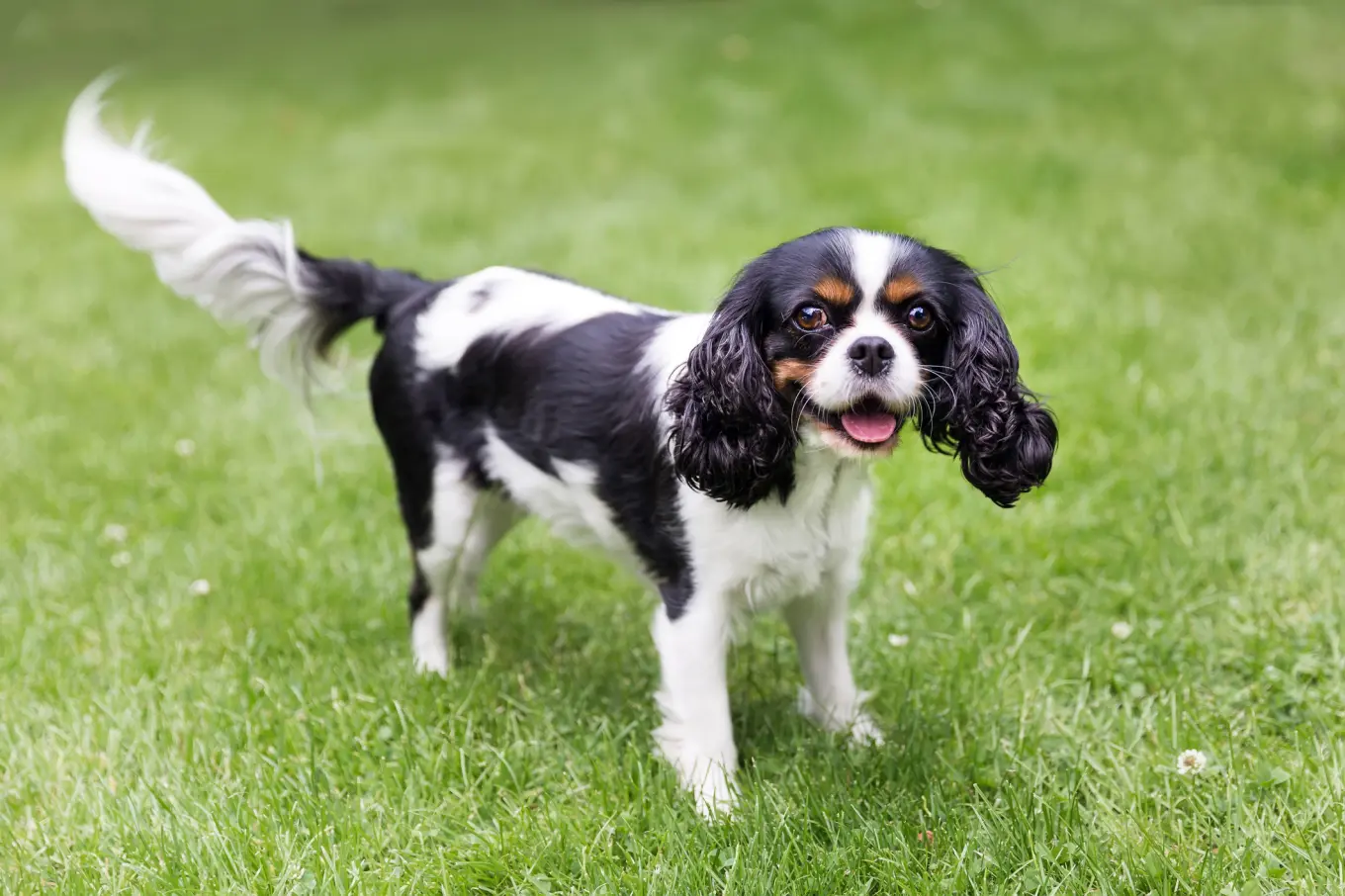
Credit: www.newsweek.com
Traits Of Small Dogs
Small dog breeds have unique traits that make them popular pets. They fit well in apartments and small homes. Their size affects how they behave, exercise, and need care. Understanding these traits helps you choose the right small dog.
Temperament
Small dogs are often lively and friendly. Many enjoy being close to their owners. Some can be protective despite their size. They usually adapt well to families and children. Socialization is important to keep them calm and happy.
Exercise Needs
Small dogs need regular but moderate exercise. Short walks and playtime keep them healthy. They get tired faster than larger dogs. Indoor play can also provide good activity. Exercise helps prevent boredom and behavior problems.
Lifespan
Small dogs generally live longer than big dogs. Many small breeds live 12 to 16 years. Good diet and care can increase lifespan. Regular vet visits are important for health. Their longer life means more years of companionship.
Grooming Requirements
Grooming depends on the breed’s coat type. Some small dogs need daily brushing. Others require only occasional grooming. Regular nail trimming and ear cleaning are necessary. Grooming keeps dogs clean and comfortable.
Choosing The Right Small Dog
Choosing the right small dog is an important step. Small dogs come in many shapes and personalities. Picking a breed that fits your life makes living together happy. Think about your home, your family, and your daily routine. This helps you find a dog that feels like part of the family.
Living Space Considerations
Small dogs can live in many spaces. Apartments and small homes often suit tiny breeds. Some small dogs need less room to run and play. Others may need more space to stay active. Check if your home has enough room for your dog’s needs.
Allergy-friendly Options
Some small dogs shed less hair and dander. These breeds are better for people with allergies. Poodles and Maltese are good examples. They help reduce allergic reactions. Choose a breed known for being allergy-friendly to keep your home clean and safe.
Activity Levels
Small dogs have different energy levels. Some are calm and love to relax. Others need lots of playtime and exercise. Match the dog’s activity level with your lifestyle. This keeps your dog healthy and happy every day.
Compatibility With Children
Not all small dogs like children. Some are gentle and patient with kids. Others may be shy or nervous around loud noise. Pick a breed known for being good with children. This helps create a safe and fun home for everyone.

Credit: www.newsweek.com
Care Tips For Small Dogs
Small dogs need special care to stay healthy and happy. Their size makes some needs different from bigger dogs. Caring well helps them live longer and enjoy life.
Many small dog breeds have delicate bones and fast metabolisms. Attention to diet, training, health, and social habits is very important. Here are some care tips for small dogs.
Nutrition
Small dogs need food made for their size and energy. Choose high-quality dog food with the right nutrients. Feed small meals several times a day to avoid low blood sugar. Fresh water must always be available. Avoid giving too many treats to prevent weight gain.
Training Basics
Start training early with simple commands. Use positive rewards like treats and praise. Small dogs respond well to short, fun sessions. Consistency is key. Teach basic manners to avoid bad habits like excessive barking or jumping.
Health Concerns
Small dogs can have dental problems and fragile bones. Regular vet visits help catch issues early. Keep teeth clean with brushing or dental chews. Watch for signs of joint pain or breathing troubles. Vaccinations and parasite control keep them safe.
Socialization
Socializing small dogs helps reduce fear and aggression. Expose them to different people, pets, and places. Start socializing at a young age with gentle experiences. Proper social skills make walks and visits more enjoyable. A well-socialized dog feels more confident and calm.
Benefits Of Small Dogs As Pets
Small dogs make wonderful pets for many reasons. They fit well into busy lifestyles and smaller living spaces. Their size brings unique benefits that many pet owners appreciate daily. Understanding these benefits helps in choosing the right dog breed for your home and life.
Ease Of Travel
Small dogs are easy to carry and transport. They fit comfortably in small carriers and bags. Taking them on trips is less stressful than with larger dogs. Many airlines allow small dogs to travel in the cabin. This makes vacations and visits simpler and more enjoyable.
Lower Maintenance Costs
Small dogs usually eat less food than big dogs. Their grooming needs are often easier and cheaper. Vet bills can be lower due to fewer health problems. They also require smaller beds and toys. This helps save money on daily and monthly pet care expenses.
Adaptability To Various Homes
Small dogs adapt well to apartments and small houses. They need less space to play and rest. These dogs adjust easily to city life or quieter areas. Their small size makes it easier to live with other pets. This flexibility suits many different living situations.

Credit: www.goodhousekeeping.com
Frequently Asked Questions
What Are The Most Popular Small Dog Breeds?
Popular small dog breeds include the Chihuahua, Pomeranian, French Bulldog, Dachshund, and Yorkshire Terrier. These breeds are loved for their compact size and friendly nature, making them ideal for apartment living and families.
How Much Exercise Do Small Dog Breeds Need?
Small dog breeds generally need 20 to 40 minutes of daily exercise. This keeps them healthy and happy without overwhelming their smaller bodies. Regular walks and playtime are usually sufficient.
Are Small Dog Breeds Good For Apartment Living?
Yes, small dog breeds are excellent for apartment living. Their size requires less space, and many adapt well to indoor environments. Proper training and regular exercise are essential to manage their energy levels.
What Health Issues Do Small Dog Breeds Face?
Common health issues in small dog breeds include dental problems, patellar luxation, and heart conditions. Regular vet check-ups and proper care help prevent or manage these issues effectively.
Conclusion
Small dog breeds fit well in many homes and lifestyles. They need love, care, and attention like any pet. Choosing the right breed depends on your space and activity level. These little dogs often bring big joy and companionship. Think about their needs before making a choice.
Small dogs can be great friends for kids and adults. Enjoy the journey of finding your perfect small dog breed!


