
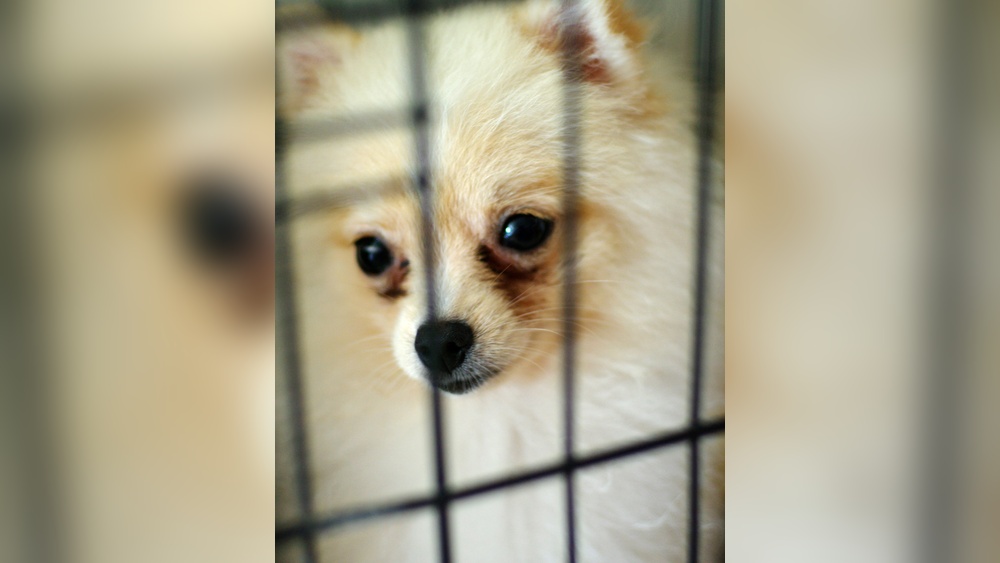
Have you ever wondered what really goes on behind the scenes of dog breeding? You might think it’s all about creating cute puppies, but there’s a darker side that many don’t see.
Dog breeding can cause serious harm to animals, leading to health problems and suffering. If you care about dogs and want to make informed choices, understanding why dog breeding is bad is crucial. Keep reading to discover the hidden truths that could change the way you think about puppies forever.

Credit: theconversation.com
Health Risks In Dog Breeding
Dog breeding can cause serious health problems for puppies and adult dogs. Many breeders focus only on looks or profit. They often ignore the health of the animals. This leads to many risks that affect dogs’ lives and well-being. Understanding these health risks helps us see why dog breeding is harmful.
Common Genetic Disorders
Breeding dogs without careful checks spreads genetic diseases. Some illnesses pass from parents to puppies. These include hip dysplasia, heart problems, and eye diseases. Such conditions can cause pain, poor quality of life, and early death. Puppies born with these disorders often need long, costly care.
Impact Of Inbreeding
Inbreeding happens when close relatives breed. It reduces genetic diversity. This makes dogs weaker and more likely to get sick. Inbreeding increases the chance of birth defects and immune system problems. Many breeders use inbreeding to keep certain traits. This harms the dogs’ health over time.
Physical Deformities
Selective breeding often causes physical deformities. Some dogs have twisted spines, short legs, or flat faces. These deformities can cause breathing problems, joint pain, and difficulty moving. Dogs with such issues suffer daily discomfort. These problems result from prioritizing appearance over health.
Ethical Concerns
Ethical concerns are a major reason why dog breeding faces criticism. Many practices in breeding harm the dogs physically and mentally. These concerns affect how society views breeders and the animals involved.
Exploitation Of Animals
Dog breeding often treats animals as mere products. Breeders focus on profit, not the dogs’ well-being. Dogs may live in cramped spaces without proper care. This causes stress, illness, and unhappiness. Many dogs never see a real home or love.
Puppy Mills And Their Conditions
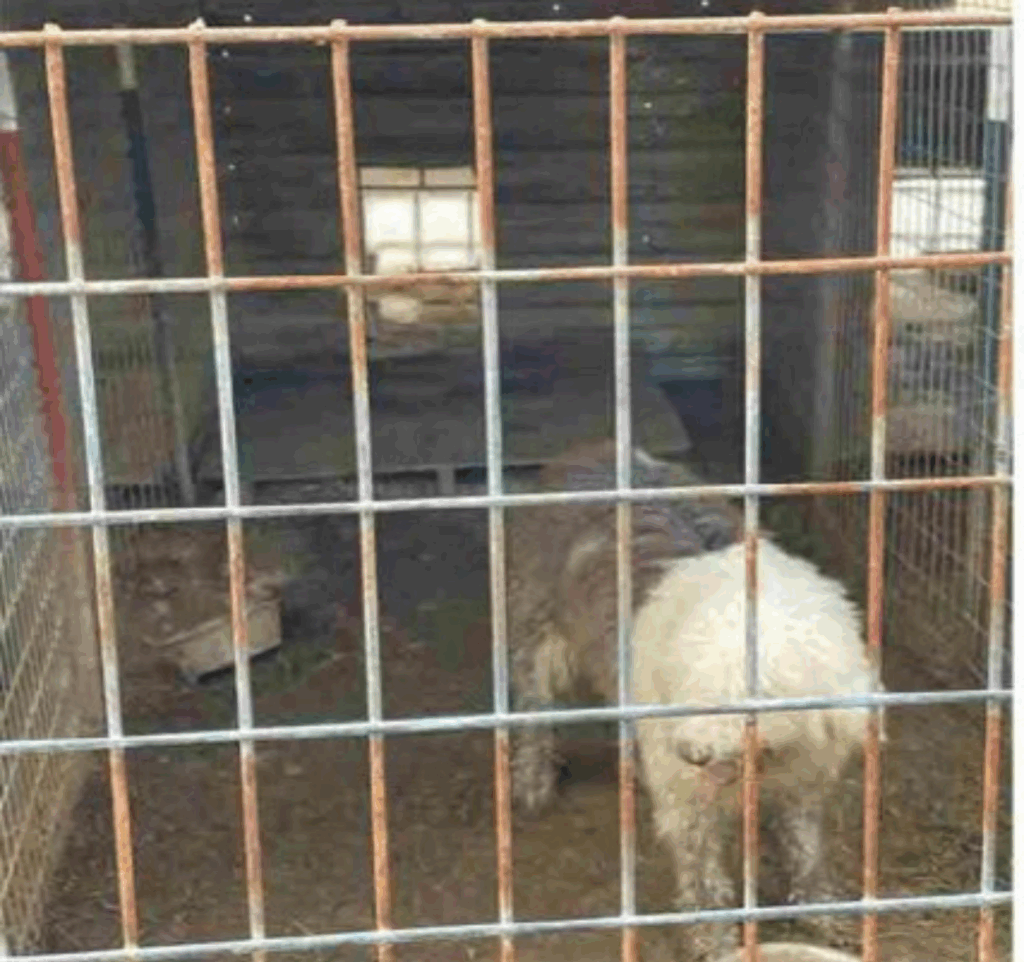
Puppy mills are large-scale breeding facilities. They keep many dogs in poor conditions. These places lack cleanliness and space for the animals. Dogs rarely get enough food or medical care. Puppies from mills often have health and behavior problems.
Overpopulation And Homeless Pets
Breeding increases the number of dogs in shelters. Many dogs end up homeless or abandoned. Shelters struggle to care for all animals. Overpopulation leads to more dogs being euthanized. Responsible pet ownership and adoption help reduce this problem.
Behavioral Issues
Behavioral issues are common problems in dogs from breeding mills or irresponsible breeders. These dogs often show signs of stress and confusion. Their behaviors can make living with them hard for owners. Understanding these issues helps us see why dog breeding can be harmful.
Aggression And Anxiety
Many bred dogs show aggression towards people or other animals. This happens because of fear and poor handling. Anxiety is also common. Dogs may bark, growl, or hide without clear reasons. These behaviors come from stress and bad experiences early in life.
Lack Of Socialization
Social skills are weak in many bred dogs. They do not learn how to play or interact with others properly. This lack of socialization causes fear and confusion. Dogs may avoid contact or act shy. Without early social time, dogs struggle to fit into homes.
Impact On Temperament
Temperament varies widely in bred dogs. Some are nervous, others are overly excitable. This unpredictability comes from poor breeding practices. Stable and calm traits are often missing. Owners may find it hard to trust or control their dog.
Economic And Legal Problems
Dog breeding causes many economic and legal problems. These problems affect breeders, buyers, and the community. Understanding these issues helps explain why dog breeding often leads to trouble.
High Veterinary Costs
Breeding dogs need frequent health checks. Vaccines, tests, and treatments cost a lot. Sick puppies need special care and medicine. These expenses can add up quickly for breeders. Buyers also face high vet bills for unhealthy dogs. High medical costs hurt both sides financially.
Regulations And Enforcement Challenges
Many places have laws about dog breeding. These laws aim to protect animals and people. Enforcing these rules is difficult. Some breeders ignore the laws to save money. Authorities lack resources to check all breeders. This leads to illegal breeding and poor conditions.
Fraudulent Breeding Practices
Some breeders lie about their dogs’ health and history. They sell sick or poorly bred puppies for high prices. Buyers often lose money and get unhealthy pets. Fraud damages trust in the dog breeding market. It also harms animals and honest breeders.
Alternatives To Breeding
Dog breeding causes many problems like overpopulation and poor dog health. Alternatives help protect animals and reduce these issues. Choosing other options supports animal welfare and gives dogs a better life.
Adoption Benefits
Adoption saves lives by giving homeless dogs a home. Shelters have many dogs waiting for love. Adopted dogs often feel grateful and form strong bonds. This choice reduces the demand for breeders and helps stop puppy mills. Adoption costs less than buying from breeders. It is a kind way to help animals in need.
Supporting Rescue Organizations
Rescue groups care for abandoned and abused dogs. They provide medical help and find safe homes. Supporting these groups with donations or volunteering helps save more dogs. Rescues raise awareness about dog welfare. They promote kindness and responsible pet care. Helping rescues strengthens the whole animal community.
Promoting Responsible Pet Ownership
Good pet care starts with owners who understand dogs’ needs. Responsible owners train, feed, and visit vets regularly. Teaching others about pet care reduces neglect and abandonment. Spaying and neutering pets prevent unwanted litters. Responsible ownership helps control dog populations and keeps pets healthy. It is the best way to respect and love dogs.

Credit: www.reddit.com
Credit: www.letlovelive.org
Frequently Asked Questions
Why Is Dog Breeding Considered Harmful?
Dog breeding often prioritizes appearance over health, leading to genetic defects. It can cause health problems and reduce dogs’ quality of life. Overbreeding also contributes to pet overpopulation and increased euthanasia rates in shelters.
How Does Dog Breeding Affect Animal Welfare?
Dog breeding can cause suffering due to poor living conditions and health issues. Many breeders neglect proper care, leading to stress and illness. This compromises the welfare and happiness of both parent dogs and puppies.
What Are The Risks Of Breeding Purebred Dogs?
Purebred dog breeding often increases inherited diseases and genetic disorders. Limited gene pools reduce genetic diversity, causing health problems. This results in expensive veterinary care and shorter lifespans for affected dogs.
Does Dog Breeding Contribute To Pet Overpopulation?
Yes, irresponsible dog breeding adds to pet overpopulation. Many puppies end up in shelters or are abandoned. This strains animal rescue resources and increases the number of homeless animals.
Conclusion
Dog breeding often causes health problems for puppies. Many breeders focus on looks, not well-being. This leads to weak dogs with costly care needs. Breeding also adds to pet overpopulation issues. Shelters overflow with dogs needing homes. Choosing adoption helps save lives and reduces harm.
Think about the dog’s future, not just the breed. Caring for animals means making smart, kind choices. Ending harmful breeding protects dogs and communities alike. It’s time to act with heart and wisdom.


