

Are you worried about allergies but still want to welcome a furry friend into your home? Finding the right dog that won’t trigger sneezes or itchy eyes can feel like a challenge.
But what if there are dog breeds designed to be gentle on your allergies and perfect for your family? You’ll discover which hypoallergenic dogs are truly family-friendly, helping you make a confident choice for your loved ones. Keep reading to find the best match for your home and breathe easier with your new companion.
Hypoallergenic Dogs Explained
Many families want dogs but worry about allergies. Hypoallergenic dogs can be a solution. These dogs cause fewer allergic reactions. Understanding what makes a dog hypoallergenic helps families choose well.
Not all dogs are equal for allergy sufferers. Some breeds shed less or produce fewer allergens. This can make living with a dog easier for sensitive people.
What Makes A Dog Hypoallergenic
Hypoallergenic dogs produce fewer allergens than other dogs. They often shed less hair and dander. Dander is tiny skin flakes that cause allergies. Some breeds also have hair that grows differently. This hair traps dander and stops it from spreading. Dogs with curly or wiry hair tend to be better for allergy sufferers. These dogs need regular grooming to reduce allergens.
Common Allergens In Dogs
Dog allergens come from skin flakes, saliva, and urine. The main allergen is a protein called Can f 1. It is in dog saliva and skin. When dogs lick themselves, the allergen spreads to their fur. When fur falls off, allergens spread in the air. This can cause sneezing, itchy eyes, or skin rashes. Some breeds produce less Can f 1, causing fewer reactions.

Credit: www.vermontmarblemuseum.org
Top Hypoallergenic Breeds For Families
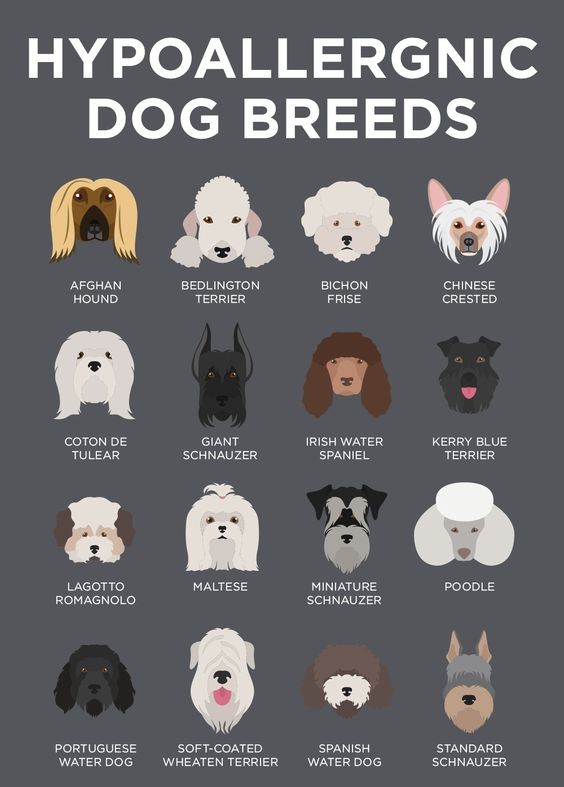
Finding a hypoallergenic dog breed can ease allergy concerns for families. These breeds shed less and produce fewer allergens. They fit well in homes with children and allergy sufferers. Each breed has unique traits and care needs. Choosing the right one means happier pets and healthier families.
Here are some of the top hypoallergenic dog breeds that suit family life. They offer friendly temperaments and manageable grooming. These dogs enjoy playtime and make great companions for kids.
Poodles And Their Mixes
Poodles come in standard, miniature, and toy sizes. They have curly, low-shedding coats. Poodles are smart and easy to train. Their mixes, like the Labradoodle, also inherit these traits. They enjoy active play and are very loyal.
Bichon Frise
The Bichon Frise has a soft, curly coat that sheds little. These dogs are cheerful and gentle with children. They adapt well to apartment or house living. Regular grooming keeps their coat healthy and clean.
Portuguese Water Dog
Portuguese Water Dogs have curly, water-resistant fur. Their coats do not shed much, which helps with allergies. These dogs are energetic and love family activities. They need daily exercise and mental stimulation.
Schnauzer Varieties
Schnauzers come in miniature, standard, and giant sizes. Their wiry coat sheds minimally and traps allergens. They are protective and good with children. Regular brushing prevents mats and keeps the coat neat.
Maltese
The Maltese has a long, silky coat that sheds very little. These dogs are affectionate and playful. They enjoy being with family and are good indoor pets. Daily grooming is needed to avoid tangles.
Choosing The Right Hypoallergenic Dog
Choosing the right hypoallergenic dog is important for a happy family life. Each breed has unique traits that affect daily living. Matching these traits with your family’s needs helps create a strong bond. Focus on temperament, size, and energy to find a good fit.
Temperament And Family Compatibility
Temperament shows how a dog behaves with people and kids. Some breeds are calm and gentle, perfect for small children. Others might be more protective or shy. Choose a dog that matches your family’s personality. Friendly and patient dogs usually do well in homes with kids.
Size Considerations
Size matters in a family setting. Small dogs need less space and are easier to carry. Large dogs might require more room and care. Think about your home size and how much space you have. Choose a dog size that fits comfortably in your living area.
Energy Levels And Exercise Needs
Energy levels vary by breed. Some dogs need lots of playtime and walks. Others prefer short, gentle exercise. Consider your family’s activity level. Pick a dog that matches your daily routine. This keeps both the dog and family happy and healthy.
Credit: pethelpful.com
Allergy Management Tips For Dog Owners
Managing allergies is key for families with dogs. Even hypoallergenic breeds can cause reactions. Careful steps can reduce allergy symptoms at home. These tips help create a safer space for everyone.
Regular Grooming Practices
Brush your dog often to remove loose hair and dander. Use a damp cloth to wipe your dog’s coat. Bathe your dog regularly with gentle shampoo. Clean your dog’s bedding and toys weekly. Grooming lowers the amount of allergens in the air.
Home Cleaning Strategies
Vacuum floors and furniture often using a HEPA filter vacuum. Wash blankets, curtains, and cushion covers in hot water. Avoid carpets if possible; choose easy-to-clean floors instead. Dust surfaces with a damp cloth to trap allergens. Keeping your home clean reduces allergy triggers significantly.
Using Air Purifiers
Air purifiers help remove airborne pet dander and dust. Choose purifiers with HEPA filters for best results. Place purifiers in main living areas and bedrooms. Run the purifier daily for continuous air cleaning. Clean or change filters as recommended by the manufacturer.
Myths About Hypoallergenic Dogs
Many people believe hypoallergenic dogs do not cause allergies at all. This idea is a common myth. Allergies depend on proteins found in a dog’s skin, saliva, and urine. These proteins can trigger reactions in sensitive people.
Understanding these myths helps families choose the right dog. It also sets realistic expectations about allergy symptoms.
No Dog Is 100% Allergen-free
No dog breed is completely free of allergens. All dogs produce proteins that can cause allergies. Some breeds shed less hair and dander, which may reduce allergens. But even these dogs can trigger allergic reactions. Allergy levels depend on individual sensitivity and exposure. Knowing this helps families prepare for possible allergy symptoms.
Shedding Vs. Allergens
Many people confuse shedding with allergens. Shedding is the loss of hair, while allergens come from dander and saliva. Dogs that shed less do not always mean fewer allergens. Some breeds shed little but still produce allergenic proteins. Regular grooming and cleaning can lower allergens in the home. This helps families manage allergy symptoms more effectively.
Credit: suburban-k9.com
Frequently Asked Questions
What Are Hypoallergenic Dog Breeds For Families?
Hypoallergenic dog breeds shed less dander, causing fewer allergies. Popular family-friendly breeds include Poodles, Bichon Frises, and Portuguese Water Dogs. These dogs are gentle, social, and good with kids, making them ideal for family environments.
How Do Hypoallergenic Dogs Reduce Allergy Risks?
Hypoallergenic dogs produce fewer allergens, mainly dander and saliva proteins. Their low-shedding coats minimize airborne allergens. This reduces allergic reactions, helping sensitive family members enjoy pet companionship without discomfort.
Are Hypoallergenic Dogs Suitable For Families With Kids?
Yes, many hypoallergenic breeds are friendly, patient, and playful with children. Breeds like Maltese and Shih Tzus are gentle and adaptable. These traits make them excellent companions for families with kids and allergy concerns.
Do Hypoallergenic Dogs Require Special Grooming?
Yes, regular grooming is essential for hypoallergenic dogs. Their coats need frequent brushing to prevent matting and reduce dander. Grooming helps maintain their allergy-friendly qualities and keeps them healthy and comfortable.
Conclusion
Hypoallergenic dog breeds can be great for families with allergies. These dogs shed less and cause fewer allergic reactions. Each breed has its own needs and personality. Choose a breed that fits your family’s lifestyle. Spending time with a dog before adopting helps a lot.
Enjoy the love and joy a hypoallergenic dog brings. A happy family and a happy dog make a perfect match.


