

Have you ever wondered why your dog acts the way it does around other dogs or even people? Understanding alpha dog behavior can change the way you see your furry friend and improve your relationship.
If you want to know what makes an alpha dog stand out, how this affects your pet’s actions, and what you can do to manage or encourage this behavior, you’re in the right place. Keep reading, and you’ll discover simple insights that can help you connect better with your dog and create a happier home for both of you.

Credit: www.tandfonline.com
Alpha Dog Traits
Alpha dogs show clear traits that set them apart from others. These traits help them lead and keep order in a group. Understanding these traits gives insight into their behavior and role.
Alpha dogs act with strength and clarity. They use body language and quick choices to guide others. These traits make them natural leaders in dog packs and human settings.
Confidence And Assertiveness
Alpha dogs stay calm in all situations. They do not show fear or doubt. Their strong presence helps them gain respect from others. They speak through actions, not noise. This confidence makes others follow their lead.
Body Language Signals
Alpha dogs use clear body signals. They hold their head high and tail steady. Eye contact is firm but not threatening. Their posture shows control and calm. These signals tell others who leads without fights.
Decision-making Skills
Alpha dogs decide quickly and wisely. They choose the best path for the group. Their choices keep the pack safe and united. Others trust their judgment and follow. Good decisions keep order and avoid chaos.
Pack Hierarchy Basics
Understanding pack hierarchy is key to knowing alpha dog behavior. Packs have a clear social order. This order helps dogs live together with less conflict. It guides their actions and interactions daily. Each dog has a role that fits into this structure.
Roles Within The Pack
Each dog in a pack has a specific role. The alpha dog leads and makes decisions. Betas support the alpha and keep peace. Omegas are often the last in rank but help reduce tension. Every role is important for the pack’s survival and harmony.
Establishing Dominance
Dominance is not about constant fighting. It is about respect and clear signals. Dogs use body language to show rank. The alpha dog uses calm confidence and assertive behavior. Challenges happen but are usually brief and rarely violent. This keeps the pack stable.
Maintaining Order
The alpha dog keeps order by setting rules. It controls access to food, space, and mates. Other dogs follow to avoid conflict. This structure reduces stress in the group. Regular routines and clear roles help the pack stay balanced and safe.
Leadership Techniques
Leadership techniques play a vital role in managing alpha dog behavior. Clear and firm leadership helps dogs feel safe and reduces stress. Dogs respond well to leaders who communicate clearly and set clear rules. These techniques build trust and respect between you and your dog.
Consistent Communication
Consistency is key in dog leadership. Use simple commands every time. Your dog learns faster when signals stay the same. Avoid confusing your dog with different words for the same action. Body language also matters. Stand tall and confident. Dogs notice your tone and posture. Clear communication helps your dog understand what you want.
Setting Boundaries
Boundaries teach your dog what is allowed. Set rules for where your dog can go and what it can do. Do not let your dog break rules sometimes. Mixed signals cause confusion and bad behavior. Use gentle but firm corrections to show limits. Boundaries give your dog structure and reduce anxiety. A dog with clear limits feels more secure.
Positive Reinforcement
Reward good behavior to encourage it again. Use treats, praise, or petting as rewards. Positive reinforcement builds a happy and willing dog. Avoid punishment; it can cause fear and aggression. Rewarding good actions helps your dog learn faster. Celebrate small successes to keep your dog motivated. Positive leadership creates a strong bond and good habits.
Common Challenges
Alpha dog behavior can be tricky to handle. Dogs with this trait often show strong-willed and dominant actions. These behaviors can cause challenges for owners. Understanding these challenges helps in managing your dog better.
Many owners face struggles with defiance and aggression. Managing more than one dog adds complexity. Awareness and patience are key to handling these situations well.
Handling Defiant Behavior
Defiant dogs test boundaries often. They may ignore commands or act stubborn. Consistency is crucial in training. Use clear rules and stick to them daily. Avoid harsh punishment; it can worsen defiance. Positive reinforcement works better to encourage good behavior.
Managing Multiple Dogs
Multiple dogs create a unique dynamic. Alpha dogs can fight for control. Watch their interactions closely to prevent fights. Separate them if tension rises. Teach each dog individual commands. This reduces confusion and competition.
Preventing Aggression
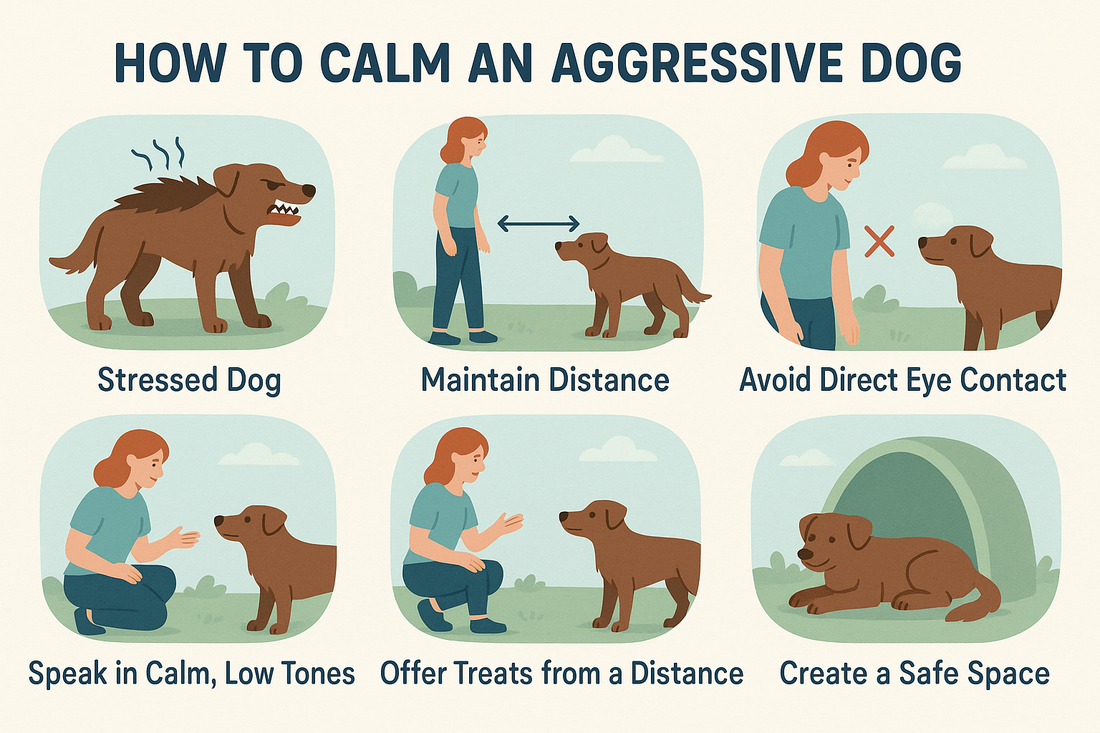
Aggression is a serious concern with alpha dogs. Early socialization helps lower aggressive tendencies. Avoid situations that trigger fear or stress. Calm your dog with gentle voice and touch. Seek professional help if aggression grows. Safety comes first for everyone involved.
Building Strong Bonds
Building strong bonds with an alpha dog is key to a happy relationship. These dogs need clear connection and guidance. A strong bond helps your dog feel safe and valued. It also makes training easier and life more joyful. Focus on trust, shared time, and emotional ties to grow your bond.
Trust And Respect
Trust forms the base of your bond with an alpha dog. Show patience and consistency in your actions. Respect your dog’s space and signals. This creates a peaceful and secure environment. Your dog learns to trust you as a leader. Respect flows both ways, making cooperation simple and smooth.
Shared Activities
Spend time doing things your dog enjoys. Walks, play, and training sessions build connection. These activities show your dog you care. They also help release energy and reduce stress. Shared moments create positive memories. Your dog will look forward to these times every day.
Emotional Connection
Alpha dogs respond well to emotional bonds. Notice your dog’s feelings and moods. Offer comfort and praise when needed. Use calm voices and gentle touches. This helps your dog feel understood and loved. An emotional link deepens trust and loyalty. It makes your dog eager to please and stay close.

Credit: germanshepherdshop.com
Training Tips For Alpha Dogs
Training alpha dogs needs patience and clear guidance. These dogs have strong personalities and need firm leadership. Setting clear rules helps them understand their place. Consistency is the key to success. Training should focus on respect, trust, and communication.
Establishing Routine
Alpha dogs thrive on routine. A set schedule for walks, meals, and playtime builds security. Predictability reduces anxiety and unwanted behavior. Use the same commands daily. Repeat training sessions at the same time. This creates a stable environment for learning.
Socialization Strategies
Socializing alpha dogs early is vital. Introduce them to different dogs and people calmly. Controlled meetings teach polite behavior and reduce aggression. Reward calm and friendly responses. Avoid overwhelming them with too many new experiences at once. Gradual exposure improves confidence and manners.
Problem-solving Exercises
Alpha dogs enjoy challenges that engage their minds. Use puzzle toys and obedience tasks to stimulate thinking. Teach new commands to boost focus and discipline. Problem-solving keeps them busy and less destructive. Praise effort and success to build motivation.
Credit: nirapet.com
Frequently Asked Questions
What Is Alpha Dog Behavior In Dogs?
Alpha dog behavior refers to dominance traits where a dog asserts control over others. It often includes confident body language and leadership tendencies within a group.
How Can I Identify Alpha Dog Traits?
Look for confident posture, direct eye contact, and control over resources. Alpha dogs often lead play and show assertiveness in social settings.
Is Alpha Dog Behavior Aggressive?
Not always. Alpha behavior is about leadership, not aggression. Aggression may appear but is not a defining trait of alpha dogs.
Can Alpha Dog Behavior Be Trained Or Changed?
Yes, consistent training and positive reinforcement can manage alpha behaviors. Proper socialization helps balance confidence and obedience in alpha dogs.
Conclusion
Alpha dog behavior shows how dogs lead and interact. Understanding these traits helps improve training and care. Dogs need clear rules and kind guidance to feel safe. Leaders show calm confidence, not force or fear. Respecting your dog’s nature builds trust and friendship.
Every dog has its own personality and style. Patience and consistency bring the best results. Watching your dog closely reveals what they need. Good leadership creates a happy, balanced dog. Keep learning and enjoy the journey with your pet.


