

If you have a Husky, you know how full of energy and spirit they can be. But sometimes, their behavior can be confusing or even frustrating.
You might be wondering why your Husky is acting out, digging up the yard, or howling at night. Understanding these behavior problems is key to building a happier, stronger bond with your dog. You’ll discover common Husky behavior issues and simple ways to handle them, so you and your furry friend can enjoy a peaceful home together.
Keep reading—your Husky’s best behavior is closer than you think!
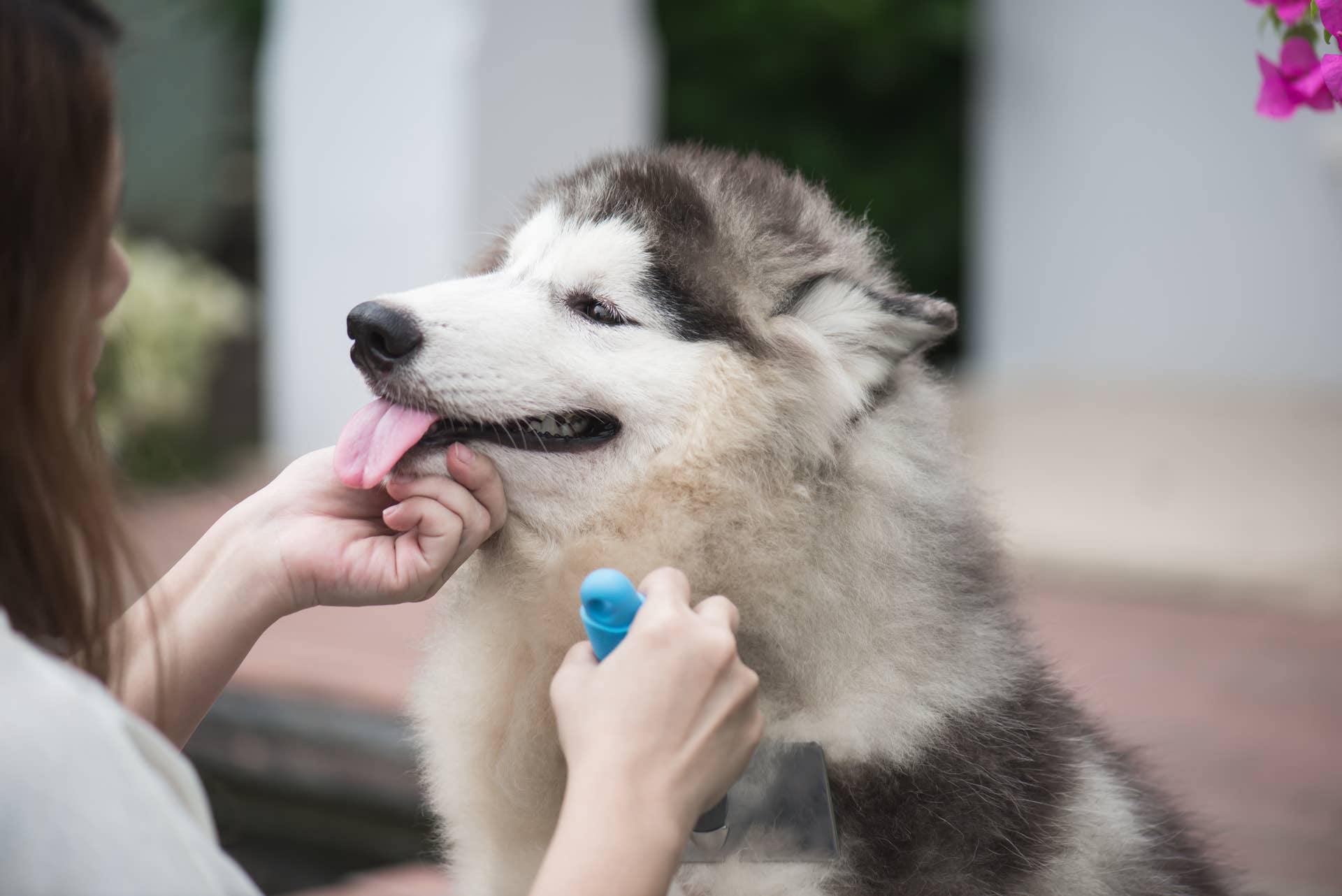
Credit: pethelpful.com
Common Husky Behavior Issues
Huskies are known for their strong personalities and high energy. These traits can lead to common behavior problems. Understanding these issues helps owners manage their dogs better. Each problem has clear signs and solutions. Being aware of these behaviors improves your bond with your husky.
Excessive Barking
Huskies often bark loudly and frequently. This can annoy neighbors and owners. Barking may happen due to boredom or wanting attention. It can also signal anxiety or alertness to sounds. Training and exercise reduce excessive barking.
Destructive Chewing
Chewing is normal but becomes a problem if it damages things. Huskies chew when stressed or bored. They need strong toys to satisfy this urge. Without proper outlets, they may destroy furniture or shoes. Supervision and chew toys help control this behavior.
Escape Tactics
Huskies are known escape artists. They dig under fences or jump over them. Their strong desire to explore drives this behavior. Secure fencing and mental stimulation limit escapes. Owners must be vigilant to keep their huskies safe.
Digging Habits
Digging is natural for huskies. They dig to find cool spots or hide things. This habit can damage gardens and yards. Providing a digging area and regular exercise reduces unwanted digging. Redirecting their energy is key.
Separation Anxiety
Huskies form strong bonds and dislike being alone. Separation anxiety causes whining, pacing, or destruction. It happens when they feel stressed without their owners. Gradual training and leaving comfort items ease anxiety. Consistency is important.
Aggression Signs
Huskies rarely show aggression but can if scared or threatened. Growling, snapping, or biting are warning signs. Early socialization and training prevent aggressive behavior. Understanding their body language helps avoid problems.
Causes Of Behavior Problems
Understanding the causes of Husky dog behavior problems helps in managing them better. These causes often come from how a dog’s needs are met every day. Problems arise when these needs are ignored or misunderstood.
Lack Of Exercise
Huskies are very active dogs. They need lots of physical activity to stay calm. Without enough exercise, they may become restless and destructive. Running, walking, and playing are important for their health and behavior.
Insufficient Training
Training teaches Huskies how to behave properly. Without clear rules, they can become stubborn or disobedient. Consistent, simple training helps them learn good habits and reduces frustration for both dog and owner.
Socialization Deficits
Huskies need to meet many people and animals. Lack of socialization can cause fear or aggression. Early exposure to different situations helps them feel safe and confident in new environments.
Boredom And Mental Stimulation
Huskies are smart dogs. They need mental challenges to stay happy. Boredom can lead to chewing, digging, or howling. Toys, puzzles, and training games keep their minds active and prevent bad behavior.
Health Concerns
Sometimes behavior problems come from health issues. Pain or illness can make a Husky irritable or withdrawn. Regular vet visits ensure your dog stays healthy and comfortable.
Training Techniques That Work
Training a Husky can be tough but rewarding. These dogs are smart and strong-willed. Simple commands may take time to stick. Using the right methods helps shape good behavior.
Training builds trust and respect between you and your Husky. It reduces unwanted actions like pulling or digging. Patience and clear signals make all the difference.
Positive Reinforcement
Reward good behavior with treats or praise. Huskies respond well to kindness and encouragement. Avoid punishment; it can cause fear or stubbornness. Celebrate small wins to keep your dog motivated.
Consistency And Routine
Stick to the same rules every day. Huskies learn best with steady routines. Feed, walk, and train at regular times. Consistency helps them understand what you expect.
Crate Training
Use a crate as a safe space, not a punishment. It helps with housebreaking and calming your dog. Make the crate comfortable and inviting. Let your Husky explore it on their own first.
Leash Training
Teach your Husky to walk calmly on a leash. Start indoors, then move outside gradually. Stop and wait if they pull. Reward walking beside you to encourage good habits.
Recall Commands
Train your Husky to come when called every time. Use a clear, happy voice and treats. Practice in quiet areas before adding distractions. Reliable recall keeps your dog safe outdoors.

Credit: www.reddit.com
Exercise And Mental Stimulation
Husky dogs need both exercise and mental stimulation to stay happy and healthy. Without enough activity, they can become restless and develop behavior problems. Keeping their mind and body busy helps prevent boredom and destructive habits.
Exercise and mental challenges are key to managing a Husky’s energy. They are smart and active dogs that thrive on tasks and play. Providing regular physical and mental activities can improve their mood and behavior.
Daily Physical Activities
Huskies require at least one hour of exercise each day. Running, walking, or hiking helps burn excess energy. Regular physical activity keeps their muscles strong and minds sharp. Skipping exercise can lead to hyperactivity and chewing.
Interactive Toys
Interactive toys engage Huskies and make playtime fun. Toys that move or make sounds capture their attention. These toys challenge their problem-solving skills. They help Husky dogs stay entertained when alone.
Puzzle Games
Puzzle games stimulate a Husky’s brain. These games ask dogs to find hidden treats or solve simple tasks. Puzzles improve focus and reduce boredom. They keep Huskies mentally fit and less likely to act out.
Agility Training
Agility training provides physical and mental exercise. It includes jumping, weaving, and running through obstacles. This training boosts coordination and confidence. Huskies love the challenge and excitement of agility courses.
Scent Work
Scent work taps into a Husky’s natural tracking ability. Dogs search for hidden scents or objects using their nose. This activity sharpens concentration and satisfies instincts. Scent work calms Huskies and reduces anxiety.
Managing Escape Behaviors
Huskies are known for their strong desire to explore. This trait often leads to escape attempts. Managing escape behaviors is important for their safety and your peace of mind. Understanding how to keep your husky secure helps prevent stress and injuries.
Secure Fencing Solutions
Huskies can jump, dig, or climb fences. A tall fence, at least six feet high, is best. Use materials that huskies cannot easily break or climb. Bury wire mesh underground to stop digging under fences. Check fences regularly for weak spots or holes.
Supervised Outdoor Time
Always watch your husky during outdoor play. This prevents quick escapes and unsafe situations. Use a leash or long lead in open areas. Supervised time helps build trust and control. It also lets you notice escape attempts early.
Providing Alternatives
Give your husky plenty of exercise to reduce restlessness. Toys and puzzles keep their mind busy. Safe digging areas satisfy their natural instincts. Regular walks and runs tire them out. A tired husky is less likely to try escaping.
Training To Stay
Teach your husky to stay on command. Start training in a quiet, enclosed space. Use treats and praise to encourage good behavior. Practice stay commands near gates and doors. Consistent training builds trust and reduces escape urges.
Handling Separation Anxiety
Separation anxiety is a common challenge for Husky owners. These dogs bond deeply with their humans and feel stressed when left alone. Handling this anxiety helps your Husky stay calm and happy. It also protects your home from damage caused by stress behaviors.
Gradual Departure Practice
Start with short absences. Leave the room for a few minutes and return. Gradually increase time away. This teaches your Husky that you always come back. Avoid making big goodbyes or emotional returns. Keep departures calm and simple.
Comfort Items
Give your Husky familiar toys or blankets. These items carry your scent and feel safe. Chew toys can distract and relax your dog. Rotate comfort items to keep your Husky interested. This reduces feelings of loneliness during your absence.
Calming Techniques
Use soft music or white noise to soothe your Husky. Consider natural calming sprays or diffusers. Gentle massage before leaving can ease stress. Exercise your dog well before departure. A tired Husky is less anxious and restless.
Professional Help
Seek advice from a trainer or vet for severe cases. They can suggest behavior plans or medication. Early help prevents worsening anxiety. Professional support guides you and your Husky to better days.
Dealing With Aggression
Husky dogs can show aggression for many reasons. Dealing with this behavior early helps keep everyone safe. Understanding what causes aggression is the first step. Then, you can teach your husky to act calmly and kindly.
Identifying Triggers
Watch your husky closely to see what makes it angry. Common triggers include loud noises, strange people, or other dogs. Some huskies react to fear or pain. Knowing these triggers helps you avoid tough situations.
Controlled Socialization
Introduce your husky to new people and dogs slowly. Use calm settings and short meetings. Let your dog feel safe during these times. Praise calm behavior to build good habits. Controlled socialization lowers stress and aggression.
Avoiding Punishment
Never punish your husky for growling or snapping. Punishment can increase fear and aggression. Instead, stay calm and redirect your dog’s focus. Use rewards to encourage good behavior. This approach builds trust and respect.
Seeking Expert Guidance
Find a dog trainer or behaviorist if aggression continues. Experts know how to handle tough cases safely. They provide tools to manage and reduce aggression. Getting help early prevents problems from growing worse.
Nutrition And Health Impact
Nutrition and health play a big role in a husky’s behavior. Poor diet or health issues can cause restlessness or aggression. A healthy husky is more calm and focused. Paying attention to food and health helps prevent many behavior problems.
Balanced Diet
A balanced diet gives huskies energy and supports their brain. Protein, fats, and carbs must be in the right amounts. Avoid feeding too many treats or human food. Fresh water should always be available to keep them hydrated.
Regular Vet Checkups
Regular vet visits catch health problems early. Pain or illness can make huskies act out. Vaccines and parasite control keep them feeling good. A healthy dog behaves better and is more active.
Supplements For Behavior
Some supplements help calm anxious huskies. Omega-3 fatty acids support brain health and mood. Ask your vet before giving any new vitamins or supplements. Natural supplements can improve focus and reduce stress.
Monitoring Changes
Watch your husky’s behavior daily. Sudden changes may signal health problems. Keep a log of eating habits, energy, and mood. Early action helps fix problems before they get worse.
Creating A Happy Environment
Creating a happy environment is key to managing husky dog behavior problems. Huskies are active and intelligent dogs. They need care and attention to stay calm and well-behaved. A good environment keeps them safe, healthy, and happy.
Small changes in their space and routine make a big difference. These dogs thrive in places where they feel secure and stimulated. Owners play a big role in shaping their mood and actions.
Safe And Stimulating Space
Huskies need a space that feels safe and inviting. Provide a quiet spot for rest away from noise. Add toys and puzzles to keep their minds busy. Change toys often to avoid boredom. A secure yard or fenced area lets them run freely. Avoid spaces with sharp objects or hazards. Safety helps reduce anxiety and unwanted behavior.
Routine And Structure
Huskies do best with a clear daily routine. Set regular times for feeding, walking, and play. Consistent schedules reduce stress and confusion. It teaches them what to expect each day. Structure helps control hyperactivity and impulsiveness. Keep routines simple and easy to follow.
Positive Owner Interaction
Spend quality time with your husky every day. Use calm voices and gentle touch to build trust. Praise good behavior with treats or kind words. Avoid harsh punishments or yelling. Positive interaction strengthens your bond. It encourages your husky to listen and behave.
Community And Social Groups
Huskies enjoy meeting other dogs and people. Join local dog parks or social groups. Socializing improves their confidence and manners. It also reduces loneliness and destructive habits. Watch their behavior in groups to ensure safety. Social time helps huskies stay balanced and happy.
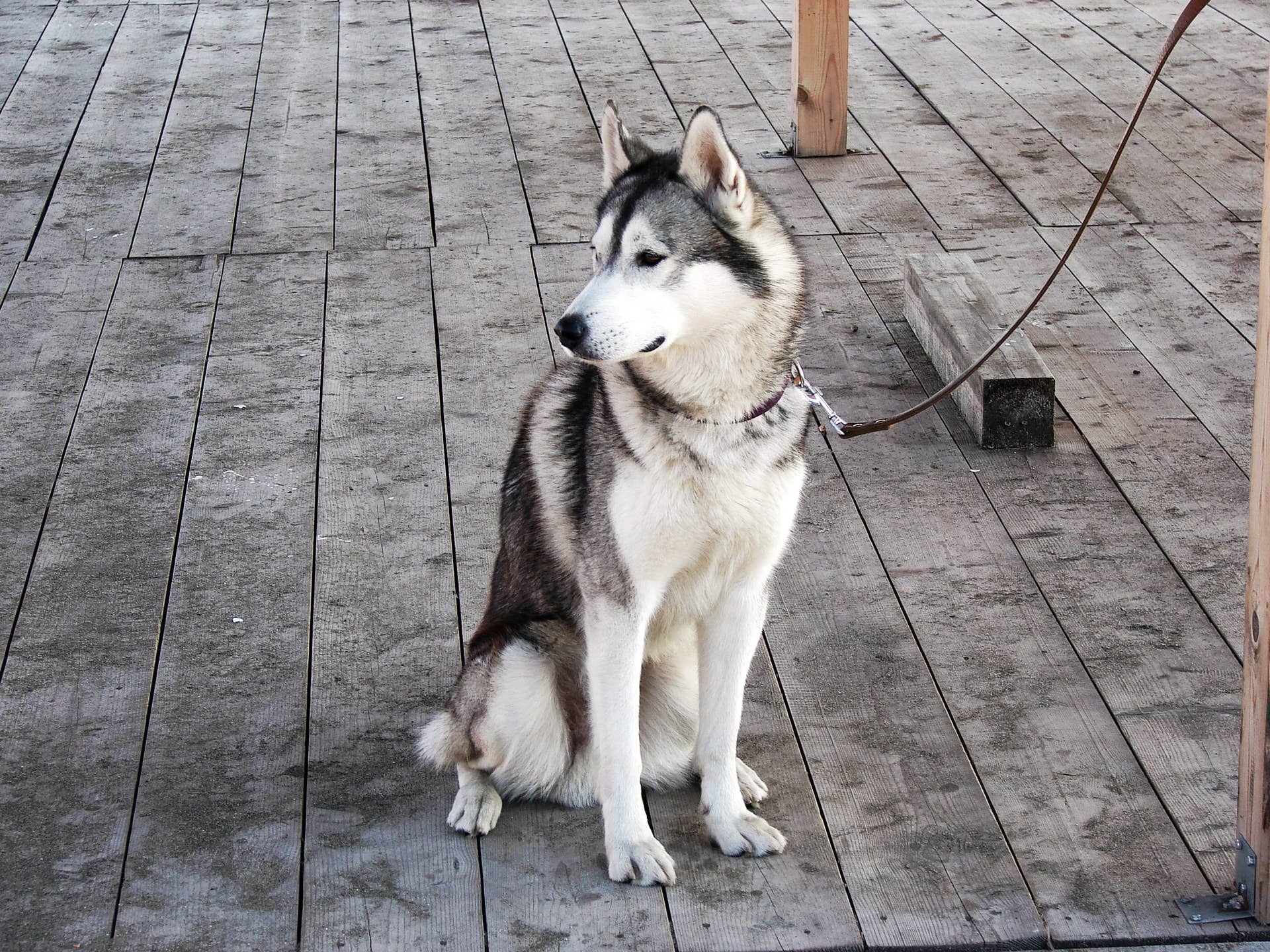
Credit: pethelpful.com
Frequently Asked Questions
What Are Common Husky Dog Behavior Problems?
Huskies often exhibit stubbornness, excessive barking, and escaping tendencies. They may also show destructive chewing and digging. These behaviors stem from high energy and intelligence. Proper training and regular exercise help manage these issues effectively.
Why Do Huskies Tend To Escape Frequently?
Huskies have a strong prey drive and love exploring. They often dig under fences or jump over them. Lack of mental stimulation and exercise increases escape attempts. Secure fencing and daily activities reduce their urge to roam.
How To Stop A Husky From Excessive Barking?
Excessive barking in Huskies can signal boredom or anxiety. Consistent training, socialization, and ample physical activity help. Redirect their attention with toys or commands. Avoid yelling, as it may worsen barking behavior.
Can Husky Behavior Problems Be Prevented With Training?
Yes, early and consistent training prevents many behavior problems in Huskies. Positive reinforcement and patience are key. Training should include socialization and obedience exercises. This approach builds a well-mannered and happy dog.
Conclusion
Husky behavior problems can be tough but manageable. Consistent training helps your dog learn good habits. Patience and clear rules reduce unwanted actions. Huskies need exercise to stay calm and happy. Understanding their needs prevents many problems early. Keep communication simple and positive every day.
Your husky will thrive with love and care. Small efforts bring big changes in behavior. Enjoy the journey of raising a well-behaved husky.

