

If your dog struggles with separation anxiety, kennel training might feel like a huge challenge. You want your furry friend to feel safe and calm when alone, but where do you start?
This guide will walk you through simple, step-by-step methods to help your dog love their kennel instead of fearing it. By the end, you’ll have the tools to ease their anxiety and create a peaceful space for both of you.
Keep reading to discover how you can turn the kennel into a happy, comforting place for your dog.
Recognizing Separation Anxiety
Recognizing separation anxiety in dogs is the first step to helping them adjust to kennel training. Dogs with this condition feel stress when left alone or separated from their owners. Knowing the signs helps you respond with patience and care. Early recognition can reduce your dog’s fear and make kennel training easier.
Common Symptoms
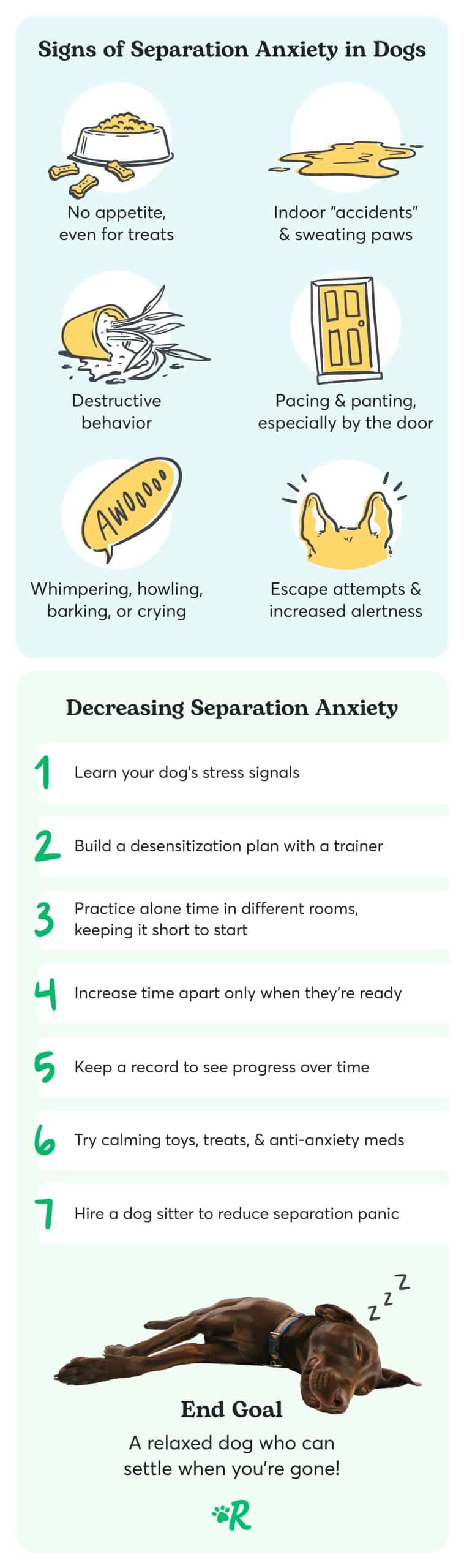
Dogs with separation anxiety often show clear symptoms. They may bark or howl loudly when left alone. Some dogs chew furniture or scratch doors to escape. Others drool excessively or pace around the room. These signs show your dog feels scared and uncomfortable.
Behavioral Signs
Watch for behavior changes when you prepare to leave. Your dog might follow you closely or become clingy. Some dogs become restless or refuse to eat. They may also show signs of fear, like trembling or hiding. These behaviors point to anxiety linked to separation.
When To Seek Help
If your dog’s anxiety seems severe, ask a veterinarian or trainer for help. Constant barking, destruction, or self-harm needs professional attention. Early support can prevent worsening anxiety and improve your dog’s well-being. Don’t wait until the problem grows bigger.

Credit: www.reddit.com
Choosing The Right Kennel
Choosing the right kennel is the first step in helping a dog with separation anxiety feel safe. The kennel should feel like a cozy, secure space. This helps your dog relax and reduces stress. Picking the right kennel size, location, and safety features makes a big difference.
Size And Comfort
The kennel should be big enough for your dog to stand, turn, and lie down comfortably. Too small feels cramped and causes discomfort. Too large may make your dog feel exposed. Add soft bedding to make the space warm and inviting. Comfort helps your dog settle faster and feel calm.
Location Matters
Place the kennel in a quiet area of your home. Avoid spots with loud noises or heavy traffic. A calm location reduces anxiety and distractions. Keep the kennel near family rooms if your dog fears being alone. Your presence nearby can soothe your dog during tough moments.
Safety Features
Choose a kennel with secure locks to prevent escapes. Rounded edges protect your dog from injury. Good ventilation keeps fresh air flowing. Avoid kennels with sharp wires or loose parts. Safety ensures your dog stays protected and comfortable while inside.
Preparing Your Dog For Kenneling
Preparing your dog for kenneling is a key step in easing separation anxiety. This process helps your dog feel safe and calm inside the kennel. It builds trust and reduces fear. Start slowly and be patient. Each dog learns at its own pace. The goal is to make the kennel a happy place for your dog.
Creating Positive Associations
Begin by placing the kennel in a quiet, comfortable spot. Let your dog explore it freely without pressure. Place a soft blanket or bed inside. Use a calm voice to praise your dog near the kennel. This builds good feelings about the space. Avoid forcing your dog inside. Positive memories will form naturally over time.
Introducing The Kennel Gradually
Start with short visits inside the kennel. Keep the door open at first. Let your dog enter and exit freely. Gradually increase the time your dog spends inside. Close the door for a few seconds, then open it again. Slowly extend the time with the door closed. Watch for signs of stress and adjust the pace.
Using Treats And Toys
Use treats to encourage your dog to enter the kennel. Toss treats inside to invite your dog in. Offer favorite toys to keep your dog busy inside. Chew toys or puzzle toys work well. These rewards make the kennel fun and rewarding. Treats and toys help your dog stay calm and happy.
Step-by-step Kennel Training
Kennel training a dog with separation anxiety needs patience and care. The process helps your dog feel safe and calm inside the kennel. Follow clear steps to make the kennel a positive place. Use treats and praise to encourage your dog. Small steps build trust and reduce anxiety.
Short Sessions At First
Start with very short kennel sessions. Just a few minutes is enough at the start. Stay close and speak softly to your dog. Give treats and toys inside the kennel. Let your dog leave when ready. This builds comfort without pressure.
Increasing Time Gradually
Slowly increase the time your dog stays in the kennel. Add a few more minutes each day. Watch your dog’s mood and behavior. Keep sessions calm and positive. End each session with praise and a treat. This helps your dog accept longer stays.
Monitoring Stress Levels
Watch closely for signs of stress or fear. Whining, barking, or scratching means your dog feels upset. Pause or shorten sessions if stress appears. Use calming tones and gentle pats. Adjust training speed to your dog’s comfort. Patience is key to success.
Managing Anxiety During Kenneling
Kenneling a dog with separation anxiety needs careful handling. Anxiety can make the crate a scary place. Managing this stress helps your dog feel safe and calm. It builds trust and makes training easier. Below are ways to reduce anxiety during kennel time.
Calming Techniques
Use slow, gentle petting before and during kennel time. Speak in soft, soothing tones to relax your dog. Practice deep breathing near the crate to model calmness. Try short sessions first, slowly increasing time inside. Reward calm behavior with treats or praise. This helps your dog link the crate with positive feelings.
Using Comfort Items
Place a favorite blanket or toy inside the kennel. Familiar smells comfort dogs and reduce fear. An old shirt with your scent can be very helpful. Rotate toys to keep interest high. Avoid items that could be unsafe or cause mess. Comfort items create a safe space that feels like home.
Background Noise Benefits
Soft background noise can mask outside sounds that trigger anxiety. Play gentle music or white noise near the kennel. The steady sound helps calm nerves and blocks sudden noises. Avoid loud or fast music that might excite your dog. Background noise creates a soothing environment for rest.

Credit: www.reddit.com
Avoiding Common Mistakes
Kennel training a dog with separation anxiety requires patience and care. Avoiding common mistakes helps your dog feel safe and calm. Mistakes can make anxiety worse and slow progress. Understanding these errors helps you build trust and comfort for your dog.
Punishing Anxiety Behaviors
Never punish your dog for showing anxiety. Barking, whining, or scratching are signs of stress. Punishment increases fear and confusion. Reward calm behavior instead. Use gentle praise and treats to encourage relaxation.
Overusing The Kennel
Do not keep your dog in the kennel too long. Too much time inside creates more anxiety. Use the kennel only for short periods at first. Gradually increase time as your dog feels comfortable. The kennel should be a safe space, not a prison.
Ignoring Early Signs
Watch for early signs of stress like pacing or trembling. Ignoring these signs makes anxiety worse. Act quickly by comforting your dog calmly. Adjust training steps to reduce stress. Early attention prevents bigger problems later.
When To Consult A Professional
Knowing when to seek professional help is important for dogs with separation anxiety. Some behaviors may need expert care beyond basic training. Early advice can prevent stress for both you and your dog. Watch for signs like extreme distress, destructive actions, or no progress in training. Professionals can offer targeted support and solutions.
Behavioral Therapists
Behavioral therapists specialize in dog emotions and habits. They assess your dog’s anxiety and create a training plan. These experts use techniques to reduce fear and build calmness. Therapy can include gradual desensitization and positive reinforcement. They guide you step-by-step to improve your dog’s comfort in the kennel.
Veterinary Support
Veterinarians check if health issues worsen anxiety. Some medical conditions can mimic or increase anxious behavior. Vets may recommend medications to ease your dog’s stress. They also offer advice on diet and exercise to help behavior. Regular vet visits ensure your dog is physically well during training.
Alternative Treatments
Alternative treatments can support anxiety management. Options include acupuncture, massage, and aromatherapy. These methods help relax your dog naturally. Some dogs respond well to calming supplements or herbal remedies. Always consult a professional before starting alternative care.
Credit: www.rover.com
Frequently Asked Questions
How Can Kennel Training Reduce Separation Anxiety?
Kennel training creates a safe, cozy space for dogs. It helps them feel secure when alone. Gradual introduction to the kennel eases anxiety and builds positive associations, reducing stress during separations.
What Are The Best Steps To Start Kennel Training?
Begin by making the kennel inviting with soft bedding and toys. Encourage your dog to enter voluntarily using treats. Gradually increase time spent inside while staying nearby. Always reward calm behavior to build trust and comfort.
How Long Should A Dog Stay In The Kennel?
Start with short intervals, around 10-15 minutes. Gradually increase the time based on your dog’s comfort. Avoid exceeding 4-6 hours to prevent stress and physical discomfort. Always ensure your dog has water and potty breaks.
Can Kennel Training Worsen Separation Anxiety?
If done improperly, kennel training might increase anxiety. Forcing a dog inside or rushing the process can cause fear. Always proceed slowly and positively. Use treats and praise to make the kennel a happy place.
Conclusion
Kennel training helps your dog feel safe and calm alone. Start slow and be patient with your dog’s progress. Use treats and praise to encourage good behavior. Keep the kennel a positive, cozy place for your pet. Consistency and kindness build trust and reduce anxiety.
Your dog will learn to enjoy their space over time. Small steps lead to big improvements in their comfort. Stay calm and supportive throughout the training journey. You can help your dog feel happy and secure inside their kennel.


