

Have you ever noticed your dog chasing after other animals, circling around people, or trying to gather things together? These actions might seem curious, but they’re actually signs of herding behavior.
Understanding what herding behavior in dogs means can help you connect better with your furry friend and manage their natural instincts. If you want to learn why your dog acts this way and how it affects their daily life, keep reading—this guide will give you clear answers and practical tips you can use right away.
What Is Herding Behavior
Herding behavior is a natural instinct in many dog breeds. It helps them control the movement of animals like sheep or cattle. This behavior comes from their history as working dogs on farms and ranches.
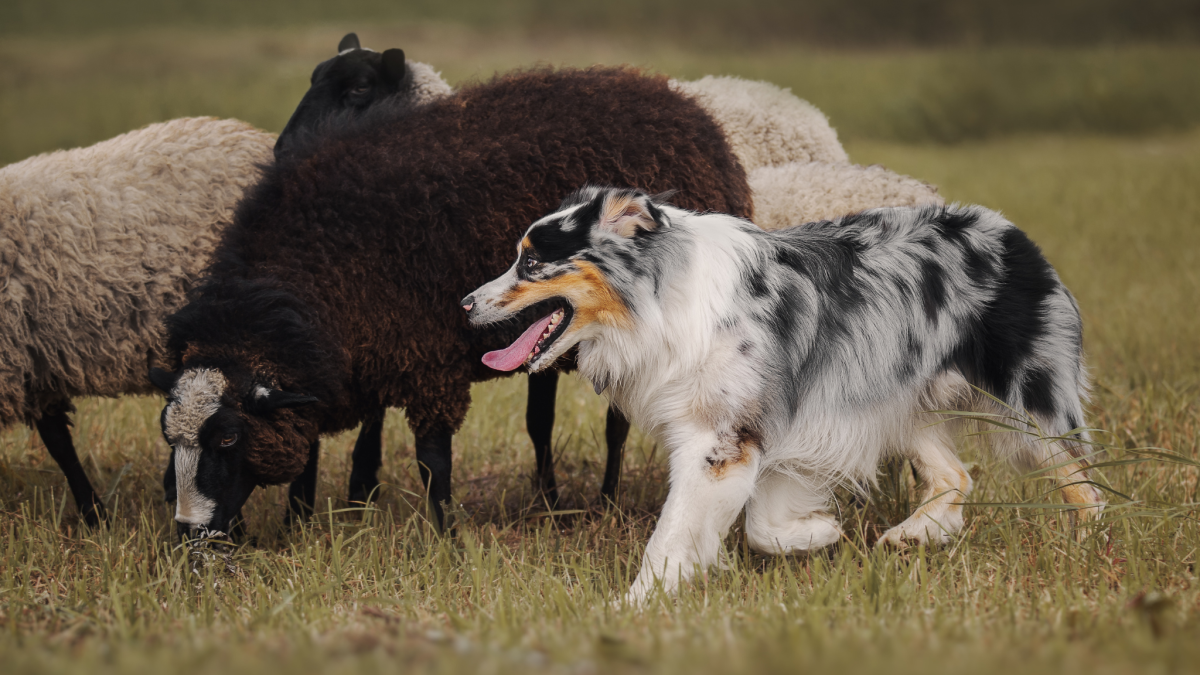
Dogs with herding instincts use their body, eyes, and voice to guide animals. They often circle or stalk to keep animals together. This skill keeps the herd safe and organized.
Definition Of Herding Behavior
Herding behavior means guiding and controlling other animals. Dogs use this to move livestock in a specific direction. It is not about chasing or hunting but managing.
Herding is a set of actions that dogs perform to keep animals together. These actions include stalking, nipping, and circling. Each movement has a purpose to direct the herd.
Why Do Dogs Herd?
Dogs herd because of their natural instincts. Long ago, farmers bred dogs to help with animals. The dogs learned to control and protect the herd.
Herding also helps dogs feel useful and focused. It gives them a job to do. This keeps them active and happy.
Some dog breeds are known for strong herding instincts. Border Collies, Australian Shepherds, and Corgis are popular examples. These breeds show natural skills in herding tasks.
They are quick, smart, and eager to work. Their behavior comes from years of training and breeding.
Origins Of Herding Instinct
Herding behavior in dogs has deep roots in their history. It goes back thousands of years. This instinct helped early dogs work with humans to control animals.
Dogs that could herd animals were very useful. They helped farmers and shepherds keep animals safe and together. This skill made certain dogs valuable and loved.
Ancient Roles Of Herding Dogs
Long ago, dogs were trained to help with herds of sheep, cattle, or goats. Their job was to guide and protect these animals. Dogs stayed close to the herd and kept it from wandering off.
This role required dogs to be alert and smart. They had to follow commands and act quickly. These traits became part of their nature over time.
Natural Instincts Passed Down
Herding instincts are not learned from scratch. Dogs inherit these traits from their ancestors. The natural desire to chase and guide animals is strong in herding breeds.
This instinct shows up even in puppies. They may try to nip at moving objects or gather other animals. It is their way of practicing herding.
Selective Breeding And Herding
Humans helped shape herding dogs by breeding those with the strongest instincts. Only dogs with the best herding skills were chosen to breed. This made the instinct stronger in each generation.
Different breeds were developed to herd various animals. Each breed has unique skills suited for its job. This careful breeding preserved the herding instinct in dogs today.
Common Herding Breeds
Herding breeds are special dogs bred to control the movement of animals. These dogs have natural instincts to guide and protect livestock. They show intelligence, focus, and energy in their work. Many people love these breeds as pets because they are loyal and active.
Each herding breed has unique traits. Some are fast and agile, while others are calm and steady. Knowing common herding breeds helps you understand their behavior better.
Border Collie
The Border Collie is one of the smartest dog breeds. It works hard and learns commands quickly. This breed loves to run and needs lots of exercise. Border Collies are great at herding sheep and other animals.
Australian Shepherd
Australian Shepherds are strong and energetic dogs. They enjoy tasks and stay alert for long hours. These dogs are friendly and good with families. Their herding skills help farmers manage cattle.
German Shepherd
German Shepherds are well-known for their intelligence and strength. They are used in many jobs, including herding and protection. This breed is loyal and easy to train. German Shepherds can work in many environments.
Welsh Corgi
Welsh Corgis are small but powerful herding dogs. They are quick and brave, guiding animals with care. These dogs have a friendly nature and love attention. Corgis are popular pets and working dogs.
Old English Sheepdog
The Old English Sheepdog has a thick coat and gentle nature. It moves slowly but steadily to herd animals. This breed enjoys being around people and other dogs. They need regular grooming to keep their fur clean.
How Herding Manifests In Dogs
Herding behavior shows itself in many ways in dogs. It is how dogs control the movement of animals or objects. This behavior is natural in certain breeds. You can see it in their actions and body language. Understanding these signs helps you know what your dog is thinking.
Chasing And Nipping
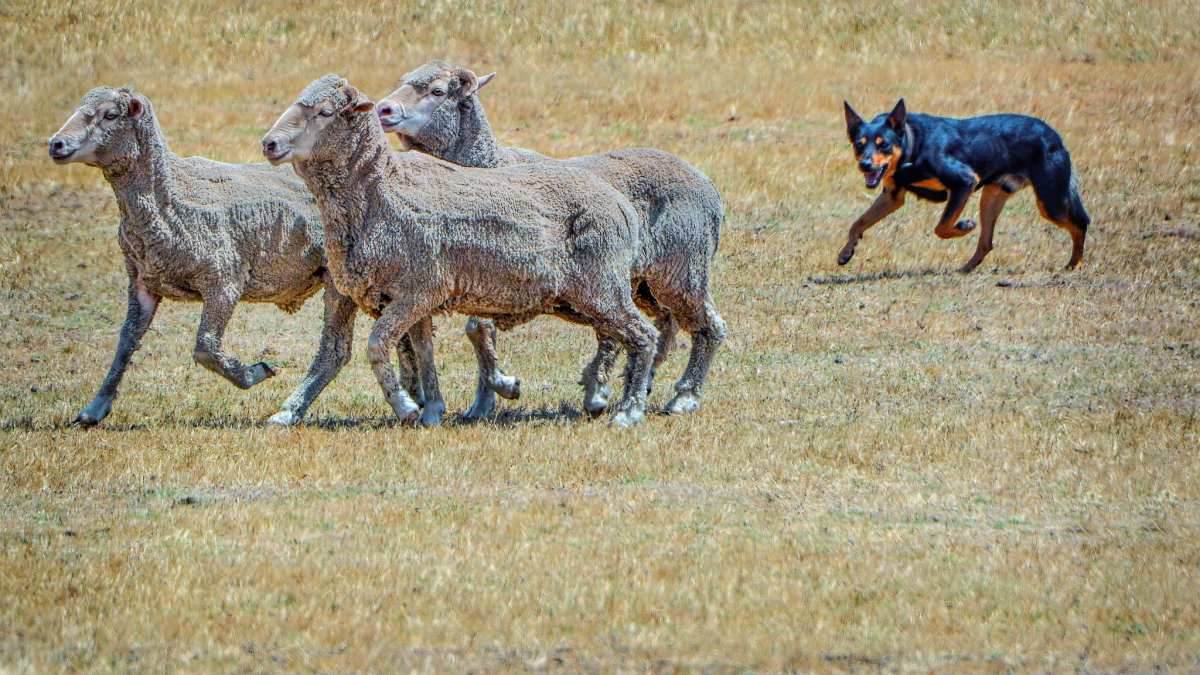
Dogs use chasing to guide animals or people. They run after moving things to move them along. Nipping is a gentle bite on heels or legs. This helps to stop or turn the target. It is not meant to hurt but to control.
Eye Contact And Focus
Herding dogs keep strong eye contact with their target. Their gaze is sharp and steady. This focus helps them watch and control movement. The dog uses its eyes like a tool. It can direct animals without physical contact.
Circling And Gathering
Circling means moving around the group in a round path. Dogs do this to gather animals closer. It helps keep the group tight and together. This behavior shows the dog’s role in managing the herd. Circling helps prevent animals from wandering away.
Purpose Of Herding Behavior
Herding behavior in dogs serves an important role. It helps dogs work with livestock and keep animals safe. This behavior is natural for many breeds. It guides their actions and instincts. Understanding why dogs herd helps us see their purpose clearly.
Protecting And Controlling Livestock
Herding dogs keep livestock safe from harm. They watch over sheep, cows, and other animals. Dogs use their presence to stop predators. They also prevent animals from wandering away. This control helps farmers manage large groups easily. The dogs act as protectors and leaders.
Responding To Movement
Dogs instinctively react to moving animals. They guide livestock by chasing or blocking them gently. This helps move animals in the right direction. Dogs can sense small changes in speed or direction. Their quick reactions keep the group together. Movement response is key in herding tasks.
Social Structure Influence
Herding behavior is shaped by social order in animals. Dogs understand their place in the group. They work to keep order among livestock. This natural sense of hierarchy helps control animals smoothly. It reduces chaos and confusion during herding. Social structure guides dogs’ behavior strongly.
Credit: discover.hubpages.com
Herding Behavior In Domestic Life
Herding behavior is natural for many dog breeds. These dogs have instincts to control movement. In homes, this behavior shows in unique ways. It can affect daily life and how dogs interact with family members. Understanding herding behavior helps owners manage it well.
Herding dogs try to gather or control people and pets. They may nip, chase, or circle. These actions come from their strong instincts. Domestic life can be calmer if owners recognize these signs early.
Signs At Home
Herding dogs often chase running children or pets. They may nip at heels to guide movement. Circling around family members is common. Dogs might stare intensely at moving objects. These behaviors show their urge to herd. Without a job, dogs find other ways to express it.
Managing Herding Urges
Give dogs regular exercise to reduce energy. Use toys to redirect chasing instincts. Create boundaries for safe play. Avoid encouraging nipping or chasing games. Calm commands help dogs stay focused. Providing mental tasks can lower herding drive.
Training Techniques
Teach basic commands like “sit” and “stay.” Reward calm behavior around moving people. Use leash training to control chasing. Practice impulse control exercises daily. Training should be consistent and patient. Positive reinforcement builds trust and good habits.
Benefits Of Herding Instinct
Dogs with herding instincts gain many advantages from their natural behavior. This instinct helps keep their minds sharp and their bodies active. It also deepens the connection between dogs and their owners. Understanding these benefits helps owners provide better care and activities for their dogs.
Mental Stimulation
Herding dogs enjoy challenges that make them think. Their instinct drives them to solve problems and stay alert. This mental work prevents boredom and reduces stress. A busy mind leads to a happy and well-behaved dog.
Physical Exercise
Herding requires lots of movement and energy. Dogs run, change direction, and stay active for long periods. This exercise keeps them fit and healthy. It also helps control weight and builds strong muscles.
Bonding With Owners
Herding dogs work closely with their owners. This teamwork creates trust and respect. Owners guide their dogs, and dogs respond with loyalty. This bond makes training easier and life more enjoyable for both.
Challenges Linked To Herding
Herding behavior in dogs can cause some challenges for owners. These natural instincts make dogs act in certain ways that may be hard to handle. Understanding these challenges helps in managing your dog better. It also keeps your home safe and calm.
Excessive Nipping
Herding dogs often use nipping to control movement. This behavior can become excessive and painful. They try to nip at heels or hands to guide people or animals. Training is needed to reduce this habit. Teaching gentle play helps stop biting.
Restlessness And Anxiety
Herding breeds need lots of exercise and mental activity. Without enough stimulation, they become restless and anxious. This can lead to destructive behaviors like chewing and barking. Providing regular walks and games eases their stress. Mental challenges keep them focused and calm.
Interaction With Children And Pets
Herding dogs may try to herd children or other pets. They might nip or chase to control movement. This behavior can scare young kids or small animals. Supervision and training teach dogs to behave calmly. Teaching boundaries helps everyone feel safe and happy.
Encouraging Healthy Herding Activities
Herding behavior is natural in many dog breeds. It helps keep them active and happy. Encouraging healthy herding activities guides this behavior safely. It also strengthens the bond between you and your dog.
Providing the right outlets for herding instincts prevents frustration. It teaches your dog focus and control. These activities use energy in a positive way.
Herding Sports And Trials
Herding sports let dogs practice their natural skills. Dogs move sheep or other animals under guidance. This challenges their mind and body. Training for trials builds discipline and confidence. It also offers social time with other dogs and owners.
Interactive Toys
Interactive toys mimic herding tasks at home. They keep dogs busy and mentally sharp. Toys like puzzle feeders and moving balls work well. These toys reduce boredom and destructive habits. They also provide fun without needing a large space.
Regular Exercise Routines
Daily exercise controls herding energy. Walks, runs, and playtime are essential. Exercise lowers stress and improves behavior. It helps your dog stay calm indoors. Consistent routines build good habits and trust.

Credit: offleashk9nova.com
Credit: discover.hubpages.com
Frequently Asked Questions
What Is Herding Behavior In Dogs?
Herding behavior is a natural instinct in some dog breeds. It involves guiding or controlling the movement of animals or people. Dogs use body language, eye contact, and movements to manage groups. This behavior is common in sheepdogs and working breeds.
Why Do Some Dogs Herd People Or Animals?
Dogs herd to satisfy their instinct to control movement. It helps keep groups organized and safe. Herding can also be a way for dogs to release energy and stay mentally stimulated. Training and breed traits influence how strongly a dog herds.
How Can I Manage My Dog’s Herding Behavior?
Provide plenty of physical exercise and mental stimulation. Redirect herding instincts with games like fetch or agility training. Use positive reinforcement to teach commands and control impulses. Consistent training helps reduce unwanted herding of people or pets.
Which Dog Breeds Exhibit Herding Behavior Most?
Common herding breeds include Border Collies, Australian Shepherds, and Corgis. These breeds were developed to manage livestock efficiently. They have strong instincts to herd and respond well to training. Knowing breed traits can help manage herding tendencies.
Conclusion
Herding behavior is a natural part of many dogs’ lives. It helps them feel safe and useful. Understanding this behavior can improve your bond with your dog. Training and patience guide their instincts in positive ways. Remember, every dog shows herding in its own style.
Embrace their unique nature and learn how to work with it. This knowledge makes caring for your dog easier and more fun. Keep watching and learning about your dog’s needs daily.


