
Are you struggling with your dog’s unexpected behaviors? Whether it’s constant barking, chewing on everything, or sudden aggression, these issues can be frustrating and confusing.
Understanding why your dog acts this way is the first step to fixing the problem and building a stronger bond. You’ll discover the common causes of behavioral dog issues and practical tips to help your furry friend become calmer and happier.
Keep reading—your dog’s better behavior is closer than you think.
Credit: www.aspcapetinsurance.com
Common Behavioral Problems
Dogs show behavior problems in many ways. These issues can affect your home and your dog’s happiness. Recognizing common problems helps you act early. It creates a better life for both of you.
Excessive Barking
Barking is normal for dogs. Too much barking can be a problem. Dogs bark to warn, play, or get attention. Constant barking may mean stress or boredom. Training and exercise reduce this habit.
Chewing And Destructive Behavior
Chewing is natural for dogs, especially puppies. Destructive chewing damages furniture and shoes. It often shows boredom or anxiety. Give toys and safe chew items. Supervise your dog to stop bad habits.
Separation Anxiety
Some dogs fear being alone. They may bark, scratch doors, or make a mess. This stress harms your dog’s well-being. Gradual training and comfort items help ease anxiety. Patience is key for progress.
Aggression Toward People
Aggression can frighten family and guests. It may come from fear or pain. Watch your dog’s body language closely. Avoid punishment that can increase aggression. Professional help may be needed.
Aggression Toward Other Dogs
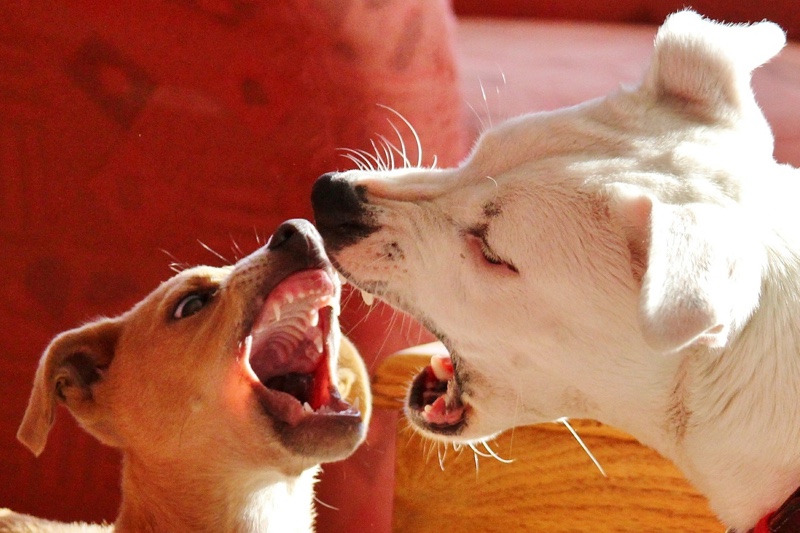
Dog fights often start from fear or territory issues. Aggression can cause injuries. Controlled socialization and training are important. Keep calm and use positive reinforcement techniques.
House Soiling
Accidents inside the house are common. Dogs may soil due to health or training gaps. Consistent potty routines help prevent this. Clean accidents quickly to remove odors. Praise your dog for outdoor success.

Credit: www.mendingspirits.org
Root Causes Of Behavioral Issues
Behavioral issues in dogs often stem from several root causes. Understanding these causes helps in managing and correcting unwanted behaviors. Each dog is unique, but many problems share common origins. Identifying the source is the first step toward improvement.
Lack Of Socialization
Dogs need early social experiences. Without meeting other dogs and people, fear and aggression can develop. Socialization teaches dogs how to behave in different situations. It helps them feel safe and confident.
Inadequate Training
Clear rules guide a dog’s behavior. Without consistent training, dogs may act out to get attention. Training sets boundaries and expectations. It builds trust between the dog and owner.
Medical Conditions
Health problems can cause sudden behavior changes. Pain or discomfort may lead to aggression or withdrawal. A vet checkup is essential to rule out illness. Treating medical issues often improves behavior.
Stress And Anxiety
Stress affects dogs deeply. Loud noises, changes in routine, or separation can cause anxiety. An anxious dog may bark, chew, or hide. Recognizing stress signs helps in providing comfort and support.
Boredom And Lack Of Exercise
Dogs need physical and mental activity daily. Boredom can lead to destructive behaviors like digging or chewing. Exercise releases energy and keeps dogs happy. Toys and games also stimulate their minds.
Training Techniques That Work
Training a dog with behavioral issues takes patience and the right methods. Effective training helps improve your dog’s behavior and builds trust. Using techniques backed by science makes learning easier for your dog. Here are some training methods that work well for most dogs.
Positive Reinforcement
Reward good behavior immediately. Treats, praise, or toys encourage your dog to repeat the action. Avoid punishment, as it can cause fear or aggression. Positive reinforcement creates a happy learning environment. Your dog learns faster with rewards than with scolding.
Consistency And Routine
Keep training sessions short but frequent. Use the same commands and signals every time. Dogs thrive on routine and clear expectations. Consistency helps reduce confusion and unwanted behavior. Make training part of your daily schedule for best results.
Crate Training
Use a crate as a safe space, not punishment. It helps with housebreaking and reduces anxiety. Introduce the crate slowly and with positive treats. A crate teaches your dog to relax and stay calm. Always ensure the crate is comfortable and not too small.
Clicker Training
Clicker training uses a small device to mark good behavior. The click sound tells your dog exactly when they do right. Follow the click with a treat for clear communication. This method speeds up learning and makes training fun. Dogs respond well to clear and consistent signals.
Redirecting Unwanted Behavior
Stop bad behavior by offering an alternative. For example, give a chew toy instead of shoes. Redirecting helps your dog learn what is acceptable. Avoid yelling or punishing, which can confuse your dog. Guide your dog gently towards better habits.
Environmental Adjustments
Behavioral issues in dogs often link to their surroundings. Changing their environment helps reduce stress and unwanted behavior. Simple adjustments create comfort and calmness for your dog. These changes support better behavior and a happier pet.
Creating A Safe Space
Dogs need a quiet place to rest and feel secure. A crate or a small room can work well. Keep this area free from noise and distractions. Soft bedding and familiar toys make it inviting. This space helps dogs relax and reduces anxiety.
Providing Mental Stimulation
Dogs get bored without mental challenges. Use puzzle toys or treat dispensers to engage their minds. Training sessions also provide mental exercise. Regular mental activity prevents destructive behavior. It keeps dogs alert and happy.
Exercise And Physical Activity
Physical activity is crucial for healthy dogs. Daily walks help burn energy and reduce restlessness. Playtime with balls or frisbees stimulates the body. Exercise lowers stress and improves mood. Active dogs tend to behave better at home.
Managing Triggers
Identify what causes your dog’s bad behavior. Loud noises, strangers, or other animals can be triggers. Avoid or limit exposure to these triggers. Gradual desensitization can help dogs adjust over time. Managing triggers reduces fear and aggression.
When To Seek Professional Help
Recognizing when your dog’s behavior needs professional help can save you stress and keep your pet safe. Some problems might seem small but can grow worse. Knowing the right time to ask for expert advice helps your dog live happier and healthier.
Signs Behavior Needs Expert Intervention
Look out for sudden changes in your dog’s mood or habits. Aggression that hurts people or other pets needs quick attention. Constant barking, biting, or destruction of property also signals trouble. If your dog seems scared all the time or hides often, these are signs too. Problems that last more than a few weeks or get worse need a professional’s help.
Choosing The Right Trainer Or Behaviorist
Select a trainer with good reviews and proper certification. Ask if they use gentle, reward-based methods. Avoid trainers who use punishment or harsh tools. A behaviorist has special education in animal psychology. Make sure the expert understands your dog’s breed and issues. Trust and communication between you, your dog, and the expert matter most.
Role Of Veterinary Consultation
Some behavior issues link to health problems. A vet can rule out pain or illness causing changes. They may suggest medication or therapy to ease symptoms. Regular check-ups help spot hidden causes early. Always share your concerns about behavior with your vet. This step ensures your dog gets full care for body and mind.

Credit: www.teamais.net
Preventing Future Issues
Preventing behavioral issues in dogs starts early and requires consistent care. Addressing problems before they grow helps create a happy, well-adjusted pet. Prevention involves socializing puppies, training regularly, watching health, and building trust.
Early Socialization Tips
Expose puppies to many people, places, and sounds. Keep experiences positive and safe to build confidence. Introduce other dogs carefully to teach good manners. Early socialization reduces fear and aggression later.
Ongoing Training
Train dogs daily with simple commands and rewards. Consistency helps dogs understand rules clearly. Training prevents bad habits like biting or excessive barking. Use short sessions to keep dogs focused and eager.
Monitoring Health And Behavior
Watch for changes in appetite, energy, or mood. Many behavior problems start from pain or illness. Regular vet visits catch health issues early. Healthy dogs behave better and feel happier.
Building A Strong Bond
Spend quality time with your dog every day. Play, pet, and talk to strengthen your connection. A strong bond makes dogs feel safe and loved. Trust lowers anxiety and reduces behavior problems.
Frequently Asked Questions
What Causes Common Behavioral Dog Issues?
Behavioral issues often stem from fear, anxiety, lack of training, or poor socialization. Identifying the root cause helps in effective management and training.
How Can I Prevent My Dog’s Behavioral Problems?
Consistent training, early socialization, regular exercise, and positive reinforcement reduce behavioral problems. Building trust and routine is key to prevention.
When Should I Seek Professional Help For Dog Behavior?
Seek help if your dog shows aggression, severe anxiety, or destructive habits. Professionals offer tailored training and behavior modification strategies.
Can Diet Affect My Dog’s Behavior?
Yes, poor nutrition can cause irritability and hyperactivity. A balanced diet supports mental health and overall well-being in dogs.
Conclusion
Behavioral issues in dogs can feel tough to handle. Patience and consistency help guide your dog to better habits. Understanding why your dog acts a certain way is key. Training and care build trust and calm behavior. Small steps each day lead to big changes.
Every dog deserves love and a peaceful home. Keep learning and stay gentle with your pet. Your efforts will create a happier life together.


