Bringing a new puppy into your home is exciting, but housebreaking can quickly become overwhelming. You want your furry friend to learn where to go potty without stress or mess.
What if you could make this process easier and faster? You’ll discover simple, effective tips to help your puppy understand the rules and feel confident. Keep reading, and soon your home will stay clean, and your puppy will be happier.
Preparing For Housebreaking
Preparing for housebreaking a puppy is the first step to success. It creates a smooth start for both you and your puppy. Careful planning helps set clear rules and routines. This reduces accidents and confusion during training.
Start by gathering the right tools and setting a schedule. These steps build a solid foundation for housebreaking. The puppy learns what is expected and when. Consistency is key to good habits.
Choosing The Right Supplies
Select supplies that make training easier and safer. Puppy pads help protect floors during early days. A crate provides a cozy, secure place for your puppy. Use a leash to guide your puppy outside. Choose cleaning products that remove odors well. This prevents repeat accidents in the same spots.
Setting A Consistent Schedule
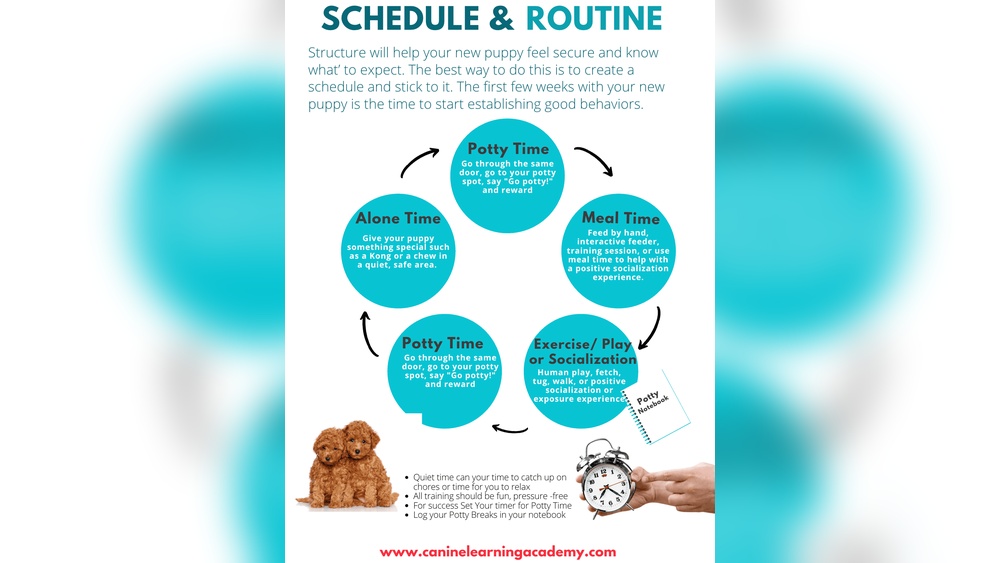
Set fixed times for feeding and bathroom breaks. Take your puppy outside first thing in the morning. Regular breaks after meals and naps help control accidents. Always visit the same spot to help puppy learn. Consistent timing trains your puppy’s bladder and bowels. Stick to the schedule every day for best results.
Establishing A Routine
Establishing a routine helps your puppy learn faster. Dogs feel safe with set times for eating and potty breaks. This routine trains their body to expect these activities at certain times. It reduces accidents inside the house. Puppies thrive on consistency. A steady schedule builds good habits early. Start as soon as you bring your puppy home. Consistency is the key to success.
Feeding And Potty Times
Feed your puppy at the same times every day. Regular feeding creates a predictable potty schedule. Puppies usually need to go outside shortly after eating. Watch the clock and take your puppy out after meals. Also, take them out first thing in the morning. Before bedtime is important too. Stick to these times daily. This helps your puppy’s body adjust and reduces indoor accidents.
Designating A Bathroom Spot
Choose one spot outside for your puppy to use. Take your puppy to the same spot every time. The familiar smells help them recognize where to go. This makes potty training easier and quicker. Praise your puppy when they go in the right place. Keep this spot clean but leave some scent behind. Your puppy will learn this is their bathroom area. This habit helps avoid confusion and mistakes.
Positive Reinforcement Techniques
Positive reinforcement techniques help puppies learn good habits fast. These methods focus on rewarding the puppy for doing the right thing. This builds trust and encourages the puppy to repeat good behavior. Using treats and praise makes training fun and effective. Puppies respond well to kind, clear signals. This way, housebreaking becomes easier for both you and your puppy.
Using Treats Effectively
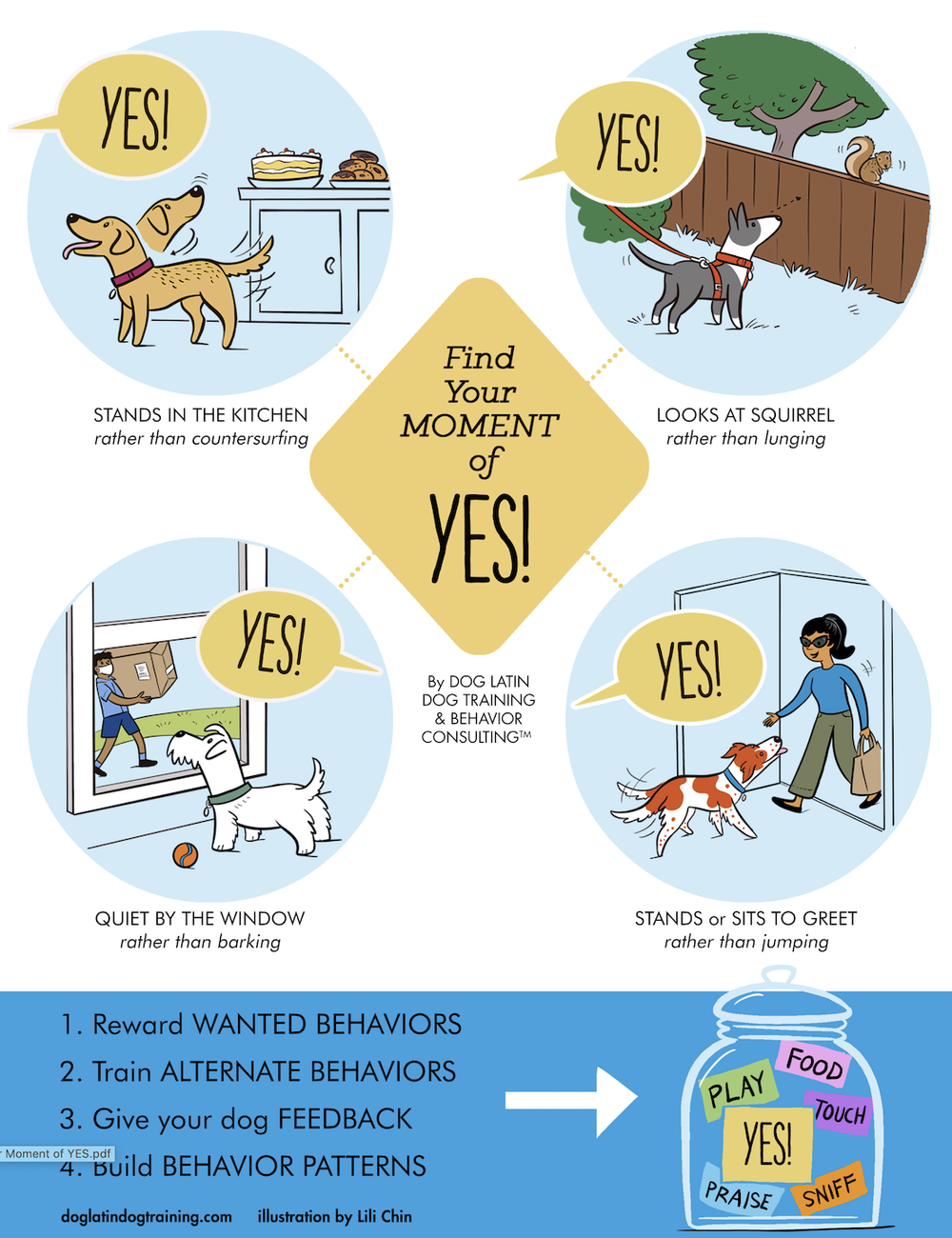
Treats are powerful tools for housebreaking. Choose small, tasty treats your puppy loves. Offer a treat immediately after the puppy goes potty outside. Timing is key. The puppy must connect the treat with the correct behavior. Avoid giving treats for accidents inside the house. Use treats only for desired actions. Over time, reduce treats and use praise more.
Verbal Praise And Encouragement
Use a happy, gentle voice to praise your puppy. Say simple words like “good job” or “well done.” Praise helps the puppy feel proud and loved. Combine praise with petting or gentle pats. This makes the puppy want to repeat the behavior. Keep your tone positive and excited. Avoid scolding or harsh words. Positive words build confidence and trust.

Credit: www.amazon.com
Handling Accidents Calmly
Accidents are part of housebreaking a puppy. They happen often and can cause frustration. Staying calm helps your puppy learn better. Reacting with anger can scare your dog. Calm responses build trust and make training smoother.
Cleaning Methods To Remove Odors
Use an enzymatic cleaner for accidents. It breaks down urine and removes smells. Avoid regular cleaners that mask odors. Clean the spot thoroughly to stop repeat accidents. Use paper towels or cloth to soak up liquids first. Let the area dry completely before your puppy returns.
Avoiding Punishment
Never punish your puppy for accidents. Dogs do not understand punishment well. Yelling or hitting causes fear and confusion. Focus on praise when your puppy goes outside. Reward good behavior with treats or affection. Patience and kindness speed up housebreaking success.
Crate Training Benefits
Crate training helps puppies learn house rules quickly. It gives them a safe space to rest and feel secure. Puppies naturally avoid soiling their sleeping area, which aids potty training. Crates also protect your puppy from household dangers when unsupervised.
Selecting The Right Crate Size
Choose a crate big enough for your puppy to stand, turn, and lie down comfortably. Too large a crate may encourage accidents inside. Too small a crate can feel cramped and cause stress. Measure your puppy’s length and height before buying. Adjustable crates grow with your puppy and work well.
Introducing The Crate Gradually
Start by placing treats and toys inside the crate. Let your puppy explore it at their own pace. Feed meals inside the crate to create positive feelings. Keep the door open at first, then close it for short times. Increase the time slowly to build comfort and trust.
Credit: www.sadiesrulesk9training.com
Monitoring Puppy Behavior
Monitoring your puppy’s behavior is key to successful housebreaking. Puppies cannot tell you when they need to go. You must watch closely and learn their signals. This helps prevent accidents and builds good habits. Careful observation creates a smoother training process for both you and your puppy.
Recognizing Signs Of Needing To Go
Puppies show clear signs when they need to go outside. They may sniff around the floor or circle in one spot. Some puppies whine or scratch at the door. Watch for sudden restlessness or pacing. Catching these signs early helps take your puppy out on time. The more you observe, the better you understand your puppy’s needs.
Using Leash And Supervision
Keep your puppy on a leash indoors during training. This keeps them close and prevents accidents. Supervise every move your puppy makes. The leash helps you guide your puppy to the right spot. It also teaches them to wait for permission to go. This method builds trust and good routines in a gentle way.
Common Challenges And Solutions
Housebreaking a puppy often comes with challenges. Each puppy learns at its own pace. Patience and clear strategies help overcome common problems.
Understanding typical setbacks and adjusting your methods will improve training success. Consistency is key to creating good habits for your puppy.
Dealing With Setbacks
Accidents happen even with the best training. Stay calm and avoid punishment. Negative reactions confuse your puppy and slow progress.
Clean accidents thoroughly to remove odors. Puppies return to spots that smell like urine or feces. Use enzyme-based cleaners to eliminate all traces.
Watch for signs your puppy needs to go out. Frequent trips outside reduce accidents. Reward your puppy immediately after doing their business outdoors.
Adjusting Techniques As Puppy Grows
Puppies develop quickly and their needs change. Younger puppies need more frequent bathroom breaks. Older puppies can wait longer and learn new commands.
Modify your schedule to fit your puppy’s growth. Increase time between potty trips gradually. Teach your puppy to alert you when they need to go out.
Use consistent words and signals for bathroom time. This helps your puppy understand and respond better. Always praise and reward progress to encourage good behavior.
Credit: ipr.iitr.ac.in
Frequently Asked Questions
How Long Does It Take To Housebreak A Puppy?
Housebreaking usually takes 4 to 6 months with consistent training. Puppies learn best through routine, positive reinforcement, and patience. Frequent bathroom breaks and rewards speed up the process.
What Are The Best Housebreaking Methods For Puppies?
Use crate training, regular potty breaks, and positive reinforcement. Praise or treat your puppy immediately after they eliminate outside. Avoid punishment to build trust and encourage good habits.
How Often Should I Take My Puppy Outside?
Take your puppy outside every 1 to 2 hours initially. Also, take them out after meals, naps, and playtime. Regular trips prevent accidents and reinforce where to go.
What If My Puppy Has Frequent Accidents Indoors?
Accidents are normal; clean thoroughly and avoid scolding your puppy. Increase outdoor trips and monitor closely. Consistency and patience help reduce accidents over time.
Conclusion
Housebreaking a puppy takes time and patience. Consistency matters most in training. Reward good behavior to encourage learning. Expect accidents and stay calm each time. Use a regular schedule for feeding and potty breaks. Puppies learn best with gentle guidance.
Soon, your puppy will understand where to go. Enjoy the process and build trust together. This effort leads to a happy, well-trained dog. Keep practicing daily for lasting results.