

Do you want your dog to impress friends with a fun and easy trick? Teaching your dog to roll over is a great way to build a stronger bond and keep training enjoyable.
Imagine the pride you’ll feel when your furry friend follows your command smoothly. In this guide, you’ll discover simple, step-by-step methods that anyone can use, no matter your dog’s age or experience. Ready to make training fun and rewarding for both you and your dog?
Let’s dive in and get rolling!

Credit: tailswithnicole.com
Preparing For Training
Preparing your dog for training helps create a smooth learning process. This stage sets the foundation for success. Focus on creating a calm and focused atmosphere. Small details here make a big difference later. Proper preparation helps your dog understand what is expected. It also keeps training fun and stress-free.
Choosing The Right Environment
Select a quiet place with few distractions. Avoid noisy or busy areas. A calm spot helps your dog concentrate better. Use a familiar space where your dog feels safe. Soft flooring or grass can make rolling easier. Keep the training area clean and comfortable.
Gathering Treats And Rewards
Pick small, tasty treats your dog loves. Treats should be easy to chew and swallow. Use treats as positive reinforcement during training. Praise and petting also work well as rewards. Keep treats ready and within reach. This keeps training smooth and encourages your dog.
Setting Realistic Expectations
Training takes time and patience. Start with short sessions of 5 to 10 minutes. Expect small progress each day. Celebrate little successes to keep motivation high. Understand that every dog learns at its own pace. Avoid rushing or forcing your dog to roll over.
Teaching The Roll Over Command
Teaching your dog to roll over is a fun and rewarding trick. It builds trust and improves your dog’s focus. The process requires patience and clear steps. Start with simple commands and use treats to guide your dog. Practice regularly to help your dog learn faster.
Getting Your Dog To Lie Down
Begin by asking your dog to lie down. This is the base position for rolling over. Use a calm voice and gentle hand signals. Praise your dog when it lies down. If your dog doesn’t know this command yet, spend time teaching it first. A relaxed dog is ready for the next step.
Using Treats To Guide Movement
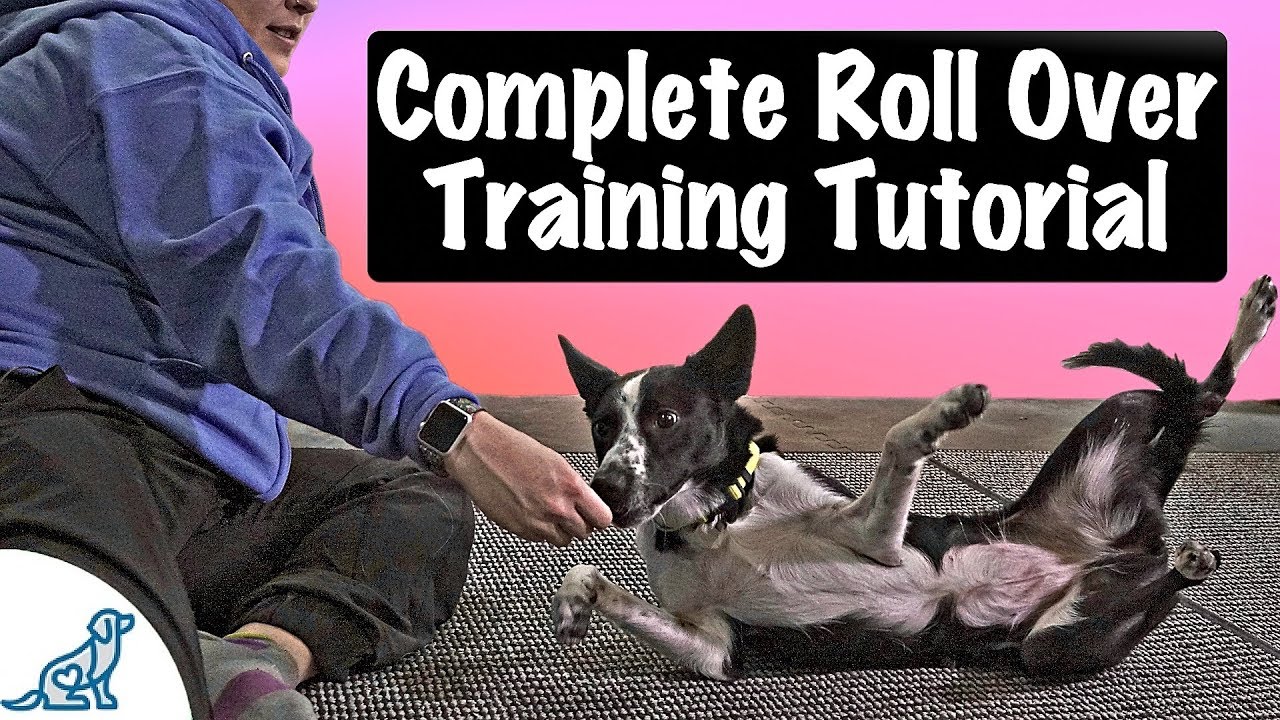
Hold a treat close to your dog’s nose. Slowly move the treat towards their shoulder. This movement encourages your dog to turn its head and body. Guide your dog gently to roll onto its side. Reward your dog with the treat once it follows the movement. Repeat this step until your dog understands the motion.
Adding The Verbal Cue
Choose a simple phrase like “roll over” as the command. Say the cue just before moving the treat. Your dog will start connecting the words with the action. Practice this several times in short sessions. Always reward your dog after a successful roll. Soon, your dog will roll over on command without the treat guide.
Reinforcing The Behavior
Reinforcing your dog’s roll over behavior makes the learning stick. It helps your dog understand what you want. Repetition and rewards build good habits. Keep training sessions short and fun to hold your dog’s interest. This section explains how to reinforce rolling over effectively.
Practicing Consistently
Practice every day, even if only for a few minutes. Consistency helps your dog remember the trick. Try to train at the same time each day. Use the same commands and gestures. This keeps your dog focused and less confused. Short, frequent sessions work better than long ones.
Using Positive Reinforcement
Reward your dog immediately after a good roll over. Use treats, praise, or petting. Positive reinforcement teaches your dog to repeat the behavior. Avoid punishment or harsh words. They can make your dog scared or confused. Keep rewards meaningful but small to avoid overfeeding.
Handling Common Challenges
Some dogs may take longer to learn. Stay patient and calm. If your dog loses interest, try a different treat or take a break. Watch for signs of tiredness or frustration. Change the training spot if distractions are high. Adjust your approach to fit your dog’s pace.
Credit: www.youtube.com
Advanced Tips For Success
Training your dog to roll over can be fun and rewarding. After your dog learns the basics, try these advanced tips. They help improve your dog’s skills and keep training enjoyable. These methods build good habits and make your dog eager to learn more.
Short Training Sessions
Keep training sessions brief. Ten minutes is enough to keep your dog focused. Long sessions can make your dog tired or bored. Short bursts help your dog learn faster and stay excited. End each session on a positive note.
Incorporating Play
Use playtime as part of training. Play helps your dog relax and have fun. Mix training with games like fetch or tug-of-war. This keeps your dog happy and ready to learn. Play also strengthens the bond between you and your dog.
Gradually Reducing Treats
Start with plenty of treats to encourage your dog. Slowly give fewer treats over time. Use praise and petting as rewards instead. This teaches your dog to obey without always expecting food. It builds better long-term behavior and trust.
Troubleshooting Training Issues
Training your dog to roll over can be fun but also challenging. Sometimes, your dog might not respond as expected. Troubleshooting these training issues helps keep the process smooth. It also makes training less frustrating for both you and your dog. Here are some tips to handle common problems during training.
Dealing With Distractions
Distractions can stop your dog from focusing. Choose a quiet place for training sessions. Remove toys or noises that might catch your dog’s attention. Keep training sessions short and sweet. Gradually add distractions as your dog gets better. This helps your dog learn to focus anywhere.
Adjusting To Your Dog’s Pace
Every dog learns at its own speed. Some dogs pick up tricks fast. Others need more time and patience. Watch your dog’s reactions closely. If your dog looks confused or tired, slow down. Break the trick into smaller steps. Praise your dog often to keep motivation high.
When To Seek Professional Help
Sometimes, training gets tough. If your dog doesn’t improve after many tries, ask an expert. A professional trainer can spot problems you might miss. They offer advice and show new methods. Early help saves time and keeps training fun for both of you.

Credit: articles.hepper.com
Frequently Asked Questions
How Long Does It Take To Train A Dog To Roll Over?
Training a dog to roll over usually takes a few weeks. Consistent daily practice and positive reinforcement speed up learning. Patience and short sessions help your dog stay focused. Every dog learns at its own pace, so be encouraging throughout the process.
What Are The Best Treats For Training Rollover?
Small, soft treats work best for rollover training. They are easy to chew and motivate your dog quickly. Use high-value treats like chicken or cheese to keep your dog interested. Avoid large or hard treats that may distract or slow training progress.
Can All Dog Breeds Learn To Roll Over?
Yes, most dog breeds can learn to roll over. Some breeds may take longer due to size or temperament. Training should be adapted to your dog’s physical ability and motivation level. Always prioritize your dog’s comfort and safety during training.
How Often Should I Practice Rollover Training?
Practice rollover training 5-10 minutes daily for best results. Short, frequent sessions help maintain your dog’s interest. Avoid overtraining to prevent frustration or fatigue. Consistency and patience are key to successful learning.
Conclusion
Training your dog to roll over takes time and patience. Keep practice sessions short and fun. Use treats and praise to encourage your dog. Stay calm and consistent with your commands. Remember, every dog learns at their own pace. Celebrate small successes along the way.
Enjoy the bonding time this training creates. Soon, your dog will happily roll over on command. Keep training simple and positive for best results. Your effort will make a happy, well-trained pet.


