Is your dog constantly jumping on the couch, leaving fur and muddy paws behind? You’re not alone, and the good news is you can teach your furry friend to stay off your furniture.
Imagine relaxing on a clean couch without worrying about your dog sneaking up for a nap. In this guide, you’ll discover simple, effective steps to train your dog to respect your couch boundaries. Keep reading to find out how small changes in your routine can lead to a happier home for both you and your pet.
Credit: www.chewy.com
Why Dogs Jump On The Couch
Dogs love to jump on the couch. They do this for several reasons. Understanding why they do it helps you teach them to stay off. Each dog has its own reasons, but some are very common.
Comfort And Warmth
The couch is soft and cozy. Dogs enjoy warm and comfy places to rest. The couch feels safe and relaxing. It is a perfect spot to sleep or relax. Dogs look for warmth, especially in cold weather. The couch gives them a nice place to feel warm.
Seeking Attention
Dogs want to be close to you. They jump on the couch to get your attention. Sitting near you makes them happy. They feel part of the family this way. Sometimes, jumping on the couch is a way to ask for play or petting. This helps them feel loved and cared for.
Habit And Routine
Dogs are creatures of habit. If they jump on the couch once, they may do it again. It becomes part of their daily routine. They remember the couch as a fun or safe place. Breaking this habit takes time and patience. Consistent training helps them learn new rules.
Credit: www.purina.com
Setting Clear Boundaries
Setting clear boundaries is key when teaching your dog to stay off the couch. Dogs need to know exactly where they are allowed and where they are not. Clear limits help reduce confusion and unwanted behavior. This approach makes training easier and faster for both you and your dog.
Choosing Off-limits Areas
Decide which areas in your home are off-limits to your dog. The couch is a common spot, but also think about beds or chairs. Be consistent and firm about these rules. Your dog learns best when boundaries do not change. Consistency helps your dog understand what is expected.
Using Physical Barriers
Physical barriers help keep your dog away from the couch. Use baby gates or pet fences to block access. Place cushions or blankets on the couch edges to discourage jumping. Barriers give your dog a clear sign that the area is off-limits. This method supports your verbal commands and training efforts.
Teaching The ‘off’ Command
Teaching your dog the ‘Off’ command helps keep your couch clean and your dog safe. This command tells your dog to get down from furniture or other places. Training this skill takes patience and clear communication. Your dog learns to listen and obey quickly with the right steps.
Step-by-step Training
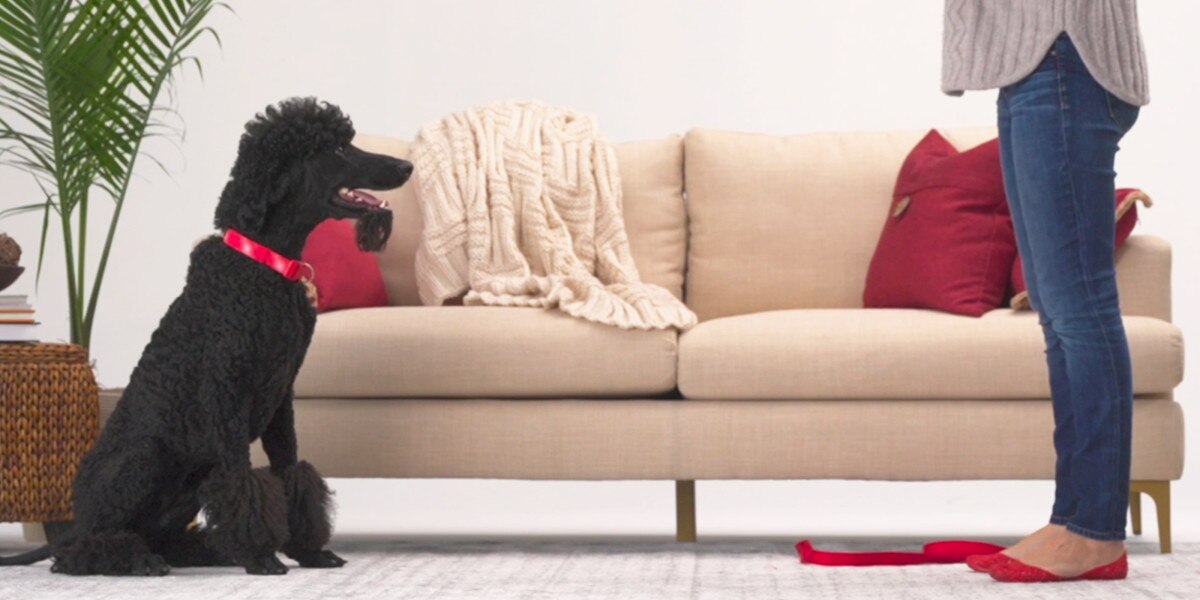
Start by standing near your dog on the couch or chair. Use a firm but calm voice to say “Off.” Gently guide your dog down with a treat or a hand motion. When your dog steps down, give the treat immediately. Praise your dog with kind words like “Good dog!” Repeat this several times in short sessions. Practice often in a quiet place without distractions. Gradually increase the challenge by practicing when others are around. Keep training consistent to build a strong habit.
Using Positive Reinforcement
Positive reinforcement means rewarding your dog for good behavior. Use small treats your dog loves. Give treats right after your dog obeys the ‘Off’ command. Verbal praise and petting also work well. Avoid punishment or harsh tones; they can confuse your dog. Rewards help your dog understand what you want. This method builds trust and encourages your dog to repeat good actions. Always end training on a happy note to keep your dog motivated.
Credit: www.reddit.com
Providing Alternatives
Training a dog to stay off the couch needs more than just saying no. Dogs need a place they enjoy just as much. Providing alternatives helps your dog feel happy and secure. It also makes it easier to keep them off furniture.
Comfortable Dog Beds
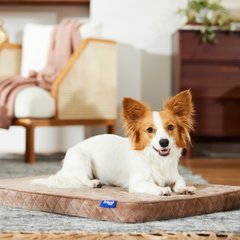
Give your dog a soft, comfy bed. Choose one that fits your dog’s size and sleeping style. A cozy bed invites your dog to rest there instead of the couch. Add a favorite blanket or toy to make it special. Keep the bed clean and in a quiet spot. Your dog will learn this is their own space to relax.
Designated Rest Areas
Create a special area just for your dog. This could be a corner of a room or near your family space. Use a dog crate or a small fenced area with the bed inside. This helps your dog feel safe and part of the home. Praise your dog when they use this spot. It builds a habit of resting in the right place.
Consistency And Patience
Training a dog to stay off the couch takes time and effort. Consistency and patience are key to success. Dogs learn best when rules stay the same every day. Patience helps you stay calm through the process. Keep training sessions short and positive. Reward good behavior and gently correct mistakes. Trust builds slowly with steady guidance. Your dog will understand what you expect with clear, repeated actions.
Maintaining Rules
Set clear rules about couch use from the start. Everyone in the house must follow these rules. No exceptions. If some family members allow the dog on the couch, confusion will happen. Dogs react to mixed signals by testing limits. Consistent rules help your dog learn boundaries fast. Use the same commands and actions all the time. This helps your dog know what is right and wrong.
Avoiding Mixed Signals
Never change your mind about couch rules. If you say “off” one day and “okay” the next, your dog gets confused. Mixed signals slow down training. Stay firm and patient. Use the same words and gestures each time. Avoid yelling or sudden changes in tone. Calm and clear communication helps your dog feel safe. Over time, your dog will respect the couch boundary without stress.
Using Deterrents Effectively
Using deterrents can help teach your dog to stay off the couch. Deterrents create a clear message that the couch is off-limits. They work by making the couch less inviting or uncomfortable for your pet. Choosing the right deterrent and using it properly is key to success.
Safe Deterrent Options
Choose deterrents that do not hurt your dog. Plastic mats with nubs can make the couch feel strange. Double-sided tape works because dogs dislike sticky paws. Aluminum foil on the couch can create an odd texture. Commercial pet deterrent sprays have scents dogs avoid. These options keep your dog safe while discouraging couch use.
When To Use Deterrents
Use deterrents at the start of training. Place them on the couch before your dog jumps up. Remove them once your dog learns to stay off. Do not leave deterrents on forever. Use them only to guide your dog’s behavior. Combine deterrents with praise when your dog stays on the floor.
Addressing Separation Anxiety
Separation anxiety can cause dogs to jump on the couch as a way to feel close to their owners. This behavior often happens when dogs feel scared or lonely. Understanding and addressing separation anxiety helps keep your dog off the couch and calm. Training your dog with patience and care makes a big difference.
Signs Of Anxiety
Watch for signs your dog feels anxious. Whining, barking, or pacing show distress. Some dogs drool or chew furniture when nervous. Scratching doors or windows means they want to follow you. These behaviors often start when you leave the house.
Training Tips For Anxious Dogs
Start by creating a safe space for your dog. Use a bed or crate near the couch area. Give toys and treats to keep your dog busy. Practice short separations and praise calm behavior. Avoid scolding your dog for jumping on the couch.
Use commands like “off” and reward your dog when they listen. Slowly increase the time you are away. This builds your dog’s confidence and reduces anxiety. Consistency is key. Patience helps your dog learn new habits over time.
When To Seek Professional Help
Training a dog to stay off the couch can be tricky for some pet owners. Sometimes, the usual methods do not work well. At this point, seeking professional help can save time and stress. Experts have the skills to handle different dog behaviors. They can guide you with the best strategies to keep your couch dog-free.
Recognizing Training Challenges
Notice if your dog ignores commands repeatedly. Look for signs of stubbornness or anxiety. Training may become confusing for your dog. Sometimes, health issues affect behavior. If your dog jumps on the couch despite your efforts, it shows a challenge. Also, if training causes frustration for both, it is a warning sign. These challenges suggest professional help might be needed.
Finding A Dog Trainer
Choose a trainer with good reviews and experience. Look for someone who uses positive methods only. This ensures your dog learns without fear. Ask about their approach to couch training specifically. Meet the trainer and discuss your dog’s behavior. A good trainer will explain clear steps to follow at home. This team effort improves your dog’s learning. Professional training brings better results faster.
Frequently Asked Questions
How Do I Teach My Dog To Avoid The Couch?
Start by consistently redirecting your dog to a designated spot. Use positive reinforcement like treats and praise when they stay off the couch. Be patient and repeat training daily for best results.
What Commands Help Keep A Dog Off Furniture?
Use clear commands like “off” or “stay” combined with hand signals. Reward your dog immediately when they obey. Consistent practice strengthens their understanding and obedience.
Can Crate Training Prevent Couch Jumping?
Yes, crate training provides a safe space and reduces couch access. It helps your dog learn boundaries and feel secure. Use positive reinforcement to make the crate a comfortable area.
How Do I Make The Couch Unappealing To My Dog?
Apply pet-safe deterrent sprays or cover the couch with a textured material. These discourage your dog from jumping up. Combine this with training for effective behavior change.
Conclusion
Training your dog to stay off the couch takes time and patience. Use clear rules and consistent rewards. Offer a comfy dog bed as a good alternative. Stay calm and gentle during training sessions. Celebrate small successes along the way.
Your dog will learn respect for your space. Enjoy a cleaner home and happy pet. Keep practicing, and results will show soon. Simple steps lead to great habits. Training is a kind way to teach boundaries.