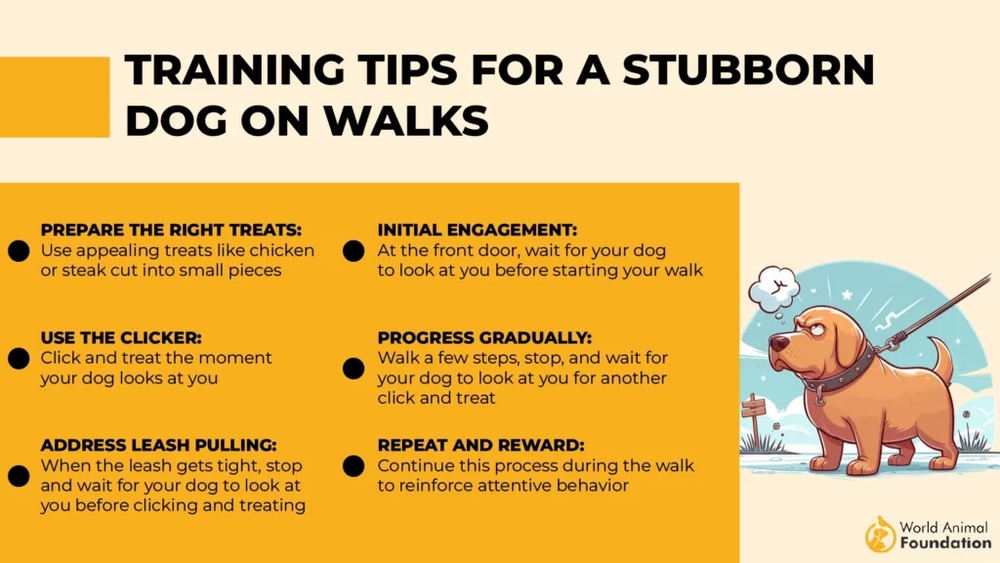
Is your dog sneaking onto the couch, even when you don’t want them there? You’re not alone—and it can be frustrating.
But what if you could teach your dog to stay off the couch, without stress or confusion? Imagine coming home to a clean, couch-only-for-people space, where your furry friend happily lounges on their own spot instead. You’ll discover simple, effective steps that make training your dog easy and clear.
Keep reading, and you’ll learn how to set boundaries your dog will respect—starting today.
Why Dogs Jump On The Couch
Dogs love to jump on couches for many reasons. Understanding these reasons helps you train them better. Their behavior often comes from simple needs and habits. Knowing why your dog climbs on furniture is the first step to change it.
Comfort And Warmth
The couch is soft and warm. Dogs enjoy cozy spots to rest. It feels safe and comfy. This makes the couch a perfect place for naps. The warmth also attracts dogs, especially on cold days.
Seeking Attention
Dogs want to be near their owners. Jumping on the couch can get your attention. They learn this behavior brings you close. Sometimes, they want to play or be petted. This is their way to connect with you.
Habit And Routine
Dogs like routines and habits. If they jump on the couch often, it becomes a habit. They feel it is their spot. Breaking this habit needs patience and consistency. Understanding this helps you teach new rules effectively.

Credit: www.chewy.com
Setting Clear Boundaries
Setting clear boundaries helps your dog understand where they can and cannot go. It reduces confusion and makes training easier. Dogs feel safe and confident when rules stay the same. Consistency is key to teaching your dog to stay off the couch.
Choose A Designated Spot
Pick a special place for your dog to rest. A cozy bed or mat works well. Place it near your family area so your dog feels included. Encourage your dog to use this spot by offering treats and praise. Make the spot inviting and comfortable.
Use Physical Barriers
Block the couch with barriers like baby gates or furniture. This stops your dog from jumping up. Use couch covers or pet deterrent mats if needed. Barriers help your dog learn the couch is off-limits. They also protect your furniture during training.
Consistent Rules For Everyone
Make sure everyone in the house follows the same rules. Mixed messages confuse your dog. Tell guests about the couch rule before they visit. Consistent commands and actions help your dog learn faster. Clear rules create a calm and happy home.
Positive Reinforcement Techniques
Training your dog to stay off the couch can be easier with positive reinforcement. This method focuses on rewarding good behavior instead of punishing bad actions. Dogs learn faster when they feel happy and safe. Positive reinforcement helps build trust and a strong bond between you and your pet.
Rewarding Good Behavior
Notice when your dog stays off the couch. Give a gentle pat or kind word. This shows your dog what behavior you like. Rewarding good behavior encourages your dog to repeat it. Consistency is important. Always reward your dog for staying off the couch.
Using Treats And Praise
Treats are a great way to motivate your dog. Use small, tasty snacks your dog enjoys. Praise with a happy voice and petting. Combining treats and praise makes the reward clear. Your dog will connect staying off the couch with positive feelings.
Timing Is Key
Give rewards immediately after good behavior. Dogs live in the moment. Delayed rewards confuse them. Quick rewards help your dog understand what to do. Watch your dog closely. Reward right after they get off the couch or avoid it altogether.
Training Commands To Use
Training your dog to stay off the couch needs clear commands. Commands help your dog understand what you want. Use simple words and be consistent. Practice these commands regularly for best results.
Teaching ‘off’ Command
Start by saying “Off” firmly when your dog is on the couch. Use a treat to guide your dog down. Praise your dog as soon as all four paws are on the floor. Repeat this several times daily. Your dog will learn to leave the couch on command.
Introducing ‘stay’ Command
Once your dog knows “Off,” teach “Stay.” Ask your dog to sit or lie down near the couch. Show your palm and say “Stay” in a calm voice. Step back slowly. If your dog stays, give a treat and praise. Increase distance and time gradually. This builds your dog’s self-control.
Combining Commands Effectively
Use “Off” and “Stay” together to control couch behavior. Say “Off” to get your dog down. Then say “Stay” to keep them off the couch. Reward your dog for following both commands. Practice often in different rooms. This helps your dog understand the rules clearly.
Managing Temptations And Triggers
Training a dog to stay off the couch requires managing what tempts them. Dogs act on what they see and smell. Removing or changing these triggers helps them learn better. It stops unwanted behavior before it starts. Focus on making the couch less appealing and the alternative more fun.
Remove Couch Temptations
Clear the couch of anything your dog likes. Blankets, pillows, or toys can invite them up. Keep the couch clean and bare. This makes it less cozy and less interesting. Use couch covers that feel uncomfortable to dogs. This small change can reduce their desire to jump up.
Redirecting To Toys
Offer your dog toys as a better choice. Place favorite toys in their bed or a special spot. Praise them when they play with toys instead of the couch. Use chew toys or puzzle toys to keep them busy. This helps shift their attention to fun and away from the couch.
Supervising When Unattended
Watch your dog closely during training sessions. Dogs learn faster with guidance nearby. Use baby gates or crates to limit couch access when you are away. This prevents bad habits from forming. Gradually increase freedom as your dog follows the rules better.

Credit: www.aol.com
Dealing With Setbacks
Training a dog to stay off the couch can take time. Setbacks are normal and part of learning. Dogs may test boundaries or forget rules. How you handle these moments affects progress. Stay calm and focused to help your dog succeed.
Staying Patient
Patience is key during setbacks. Dogs need time to learn new habits. Avoid rushing or showing frustration. Gentle, steady training helps dogs feel safe. Celebrate small wins to keep motivation high. Remember, consistency builds good behavior.
Avoiding Punishment
Punishing a dog can harm trust. It may cause fear or confusion. Use positive reinforcement instead. Reward good behavior with treats or praise. Redirect your dog calmly if they jump on the couch. Positive methods encourage better learning.
Adjusting Training Methods
Not every method works for all dogs. Watch your dog’s reactions closely. Change your approach if needed. Try shorter sessions or different rewards. Use clear commands and body language. Flexibility improves training and keeps your dog engaged.
Long-term Maintenance
Training your dog to stay off the couch is just the start. Long-term maintenance keeps your home clean and your dog happy. Consistency matters most. Dogs need clear rules every day. Without regular care, old habits return quickly. Small efforts over time build strong habits. This section guides you on maintaining couch boundaries for good.
Reinforcing Boundaries Regularly
Repeat the rules often. Remind your dog that the couch is off-limits. Use a firm voice and gentle correction. Praise your dog when they obey. Consistent reminders prevent confusion. Keep training tools like treats and clickers handy. Check the dog’s behavior daily. Fix small mistakes early to stop bad habits.
Keeping Training Fun
Make training a game. Use toys and treats to reward your dog. Short sessions keep attention high. Play and training together build trust. Avoid harsh tones or punishment. Positive experiences make learning easier. Dogs respond better when training is fun. Change activities to keep your dog interested.
Adapting As Your Dog Grows
Dogs change over time. A puppy behaves differently than an adult dog. Adjust rules and rewards as needed. Older dogs may need gentle reminders. New behaviors might appear with age. Stay patient and flexible. Watch for signs of stress or confusion. Update training methods to suit your dog’s needs.
Credit: www.petmd.com
Frequently Asked Questions
How Can I Stop My Dog From Jumping On The Couch?
Use consistent commands like “off” and reward with treats. Provide a comfortable dog bed as an alternative. Be patient and avoid punishment to encourage positive behavior.
Why Does My Dog Prefer The Couch Over Their Bed?
Dogs seek comfort, warmth, and closeness to owners. The couch often smells like you and feels soft. Offering an appealing bed with familiar scents can help redirect them.
What Are Effective Training Tools To Keep Dogs Off Furniture?
Training tools like baby gates, pet deterrent mats, and clickers work well. Positive reinforcement and consistent boundaries are key. Avoid harsh methods to maintain trust.
How Long Does It Take To Train A Dog To Stay Off Furniture?
Training time varies by dog’s age and personality. Consistency and daily practice usually show results within 2-4 weeks. Patience and persistence are essential for success.
Conclusion
Training your dog to stay off the couch takes time and patience. Consistency in rules helps your pet understand boundaries. Reward good behavior with treats or praise. Set clear limits and gently correct mistakes. A calm and firm approach works best.
Your dog will learn where it can rest. Enjoy a clean couch and a happy pet. Keep practicing daily for lasting results. Small steps lead to big changes. You and your dog can succeed together.