

Training your dog to pee in the right place can feel like a tough challenge. But what if it didn’t have to be?
Imagine a home without messes and the stress of accidents. You can make this a reality with simple, proven steps that anyone can follow. This guide will show you exactly how to teach your dog where and when to go.
By the end, you’ll have a happier pet and a cleaner home. Ready to start? Let’s dive in and make potty training easy for both you and your dog.
Choose The Right Spot
Choosing the right spot for your dog to pee is very important. It helps your dog learn faster. A good spot makes your dog feel safe and comfortable. Dogs like routine. They prefer to go in the same place each time. This habit makes training easier and cleaner. Let’s explore how to pick the best spot.
Pick A Consistent Location
Choose one spot and always use it. This helps your dog understand where to go. Changing spots confuses your dog. Consistency builds good habits. Your dog will soon recognize the spot by smell and sight. This makes training smoother and quicker.
Consider Outdoor Vs. Indoor Options
Think about where your dog will pee best. Outdoor spots are natural and fresh. Dogs enjoy the outdoors and smells. Indoor options work well for puppies or bad weather. Use a potty pad or a small area with grass. Make sure the spot is easy to clean. Pick a place that fits your lifestyle and your dog’s needs.

Credit: somosceainternacional.com
Establish A Routine
Establishing a routine is key to training your dog to pee in the right place. Dogs feel safe and learn faster when they know what to expect. A steady schedule helps your dog understand when it is time to go outside. This reduces accidents inside the house. Consistency builds good habits and makes potty training easier for both of you.
Set Regular Potty Times
Pick specific times each day to take your dog outside. Early morning, after meals, and before bedtime work well. Keep these times the same every day. Your dog will learn to wait for these moments to pee. This reduces confusion and accidents. Watch your dog closely at first. Take them out as soon as they show signs of needing to pee.
Use Feeding Schedule To Predict Pee Time
Feeding your dog at set times helps predict when they will need to pee. Dogs usually need to go out 15 to 30 minutes after eating. Feed your dog two or three times daily at regular hours. This creates a natural potty schedule. You will know when to take your dog out. This prevents accidents and teaches your dog to hold it until the right time.
Recognize Pee Signals
Recognizing when your dog needs to pee is key to successful training. Dogs show clear signs before they go. Catching these signs early helps prevent accidents. It also teaches your dog to hold it until outside.
Watch your dog closely. Notice small changes in behavior. These hints tell you it is time to take your dog out. Let’s explore the most common pee signals.
Watch For Restlessness
Restlessness is a common sign your dog needs to pee. Your dog may pace or move around more than usual. It may seem uneasy or jumpy. Some dogs whine or bark softly. This behavior shows discomfort and urgency. Spotting restlessness early means quick action.
Notice Sniffing And Circling
Sniffing and circling are strong signals your dog needs to pee. Dogs sniff the floor or ground to find the right spot. They often walk in small circles before squatting. This behavior is natural and instinctive. Paying attention to sniffing and circling helps catch the moment. Acting fast supports good potty habits.
:strip_icc()/potty-pad-training-4178382-hero-413f0c1f54ef4a89a18f79d60818f805.jpg)
Credit: www.thesprucepets.com
Use Commands And Cues
Teaching your dog to pee on command helps make potty training faster and cleaner. Dogs learn by repeating actions with clear signals. Using commands and cues guides your dog to understand what you want. This method helps avoid accidents and builds good habits.
Introduce A Pee Command
Pick a simple word or phrase like “Go pee” or “Potty.” Say it each time your dog is about to pee outside. Use the command just before your dog starts to go. This links the word with the action. Keep your tone calm and clear. Over time, your dog will connect the command with peeing.
Reinforce Commands With Consistency
Use the pee command every time your dog goes outside. Be patient and repeat the command calmly. Praise your dog right after peeing to encourage good behavior. Avoid changing the command word. Consistency helps your dog understand faster. A steady routine makes training easier for both of you.
Positive Reinforcement
Positive reinforcement is a gentle, effective way to train your dog to pee in the right place. It means giving your dog a reward right after they pee outside. This helps your dog learn that peeing outside brings good things. Dogs remember actions that have good results. This makes them want to repeat those actions.
Using positive reinforcement makes training faster and happier for both you and your dog. It builds trust and encourages your dog to follow your rules. Patience and consistency are key. Reward your dog every time it pees outside. Your dog will soon understand what you want.
Reward Immediately After Pee
Give your dog a treat or praise right after it pees outside. Timing is very important. If you wait too long, your dog won’t connect the reward to peeing outside. Praise with a happy voice or a small treat. This shows your dog that peeing outside is good behavior. Repeat this every time your dog pees outside.
Choose The Right Treats
Pick treats your dog loves. Small, tasty treats work best. Avoid giving big treats that can fill your dog up fast. The treat should be special and different from regular food. This makes the reward more exciting. Healthy treats keep your dog fit while training. Change treats if your dog loses interest.
Manage Accidents Properly
Managing accidents well is key when training your dog to pee in the right place. Dogs learn from what they experience. How you handle mistakes shapes their behavior. Stay calm and patient during this process. Proper management helps your dog feel safe and understand what you want.
Clean Thoroughly To Remove Odors
Cleaning accidents well stops dogs from peeing there again. Use special pet cleaners that remove smells completely. Ordinary cleaners may not erase the scent. If your dog smells old urine, they may mark the spot again. Clean the area quickly after accidents. This keeps your home fresh and your dog on track.
Avoid Punishment
Punishing your dog for accidents can cause fear and confusion. Dogs do not link punishment with the accident later on. Negative reactions may harm your bond. Use gentle words and redirection instead. Reward your dog when they pee in the right place. Positive actions build trust and good habits faster.
Crate Training Benefits
Crate training offers many benefits for teaching your dog to pee outside. It helps dogs learn bladder control and prevents accidents indoors. The crate becomes a safe space, making training easier and faster. Dogs naturally avoid soiling their sleeping area, which supports good habits. Consistent crate use builds routine and understanding in your dog.
Use Crates To Encourage Control
Dogs feel secure in a crate and learn to hold their pee. The crate limits their space, so they avoid accidents. Regular breaks outside help your dog know when to pee. This process teaches control and patience. Over time, dogs connect the crate with waiting to pee outdoors.
Create A Comfortable Crate Environment
Make the crate cozy with soft bedding and toys. A comfortable space reduces anxiety and stress. Keep the crate clean and dry to encourage good behavior. Place it in a quiet spot with gentle lighting. A happy dog learns faster and enjoys crate training more.
Address Common Challenges
Training a dog to pee in the right place can be tough. Many pet owners face common challenges during this process. These challenges can slow progress or cause frustration. Understanding how to address them helps you stay patient and consistent. Here are two key issues you may encounter.
Handle Stubborn Behavior
Some dogs resist training. They may ignore commands or avoid the designated spot. Stay calm and firm with your dog. Use gentle but clear signals to guide them. Reward good behavior with treats or praise. Avoid punishment, as it can cause fear and confusion. Repeat training sessions often, keeping them short and positive. Over time, your dog will learn the routine.
Deal With Medical Issues
Sometimes, a dog’s refusal to pee in the right place is medical. Urinary tract infections or bladder problems can cause accidents. Watch for signs like frequent urination or discomfort. Visit a veterinarian for proper diagnosis and treatment. Addressing health problems helps training succeed. Healthy dogs learn faster and feel more comfortable during training.
Track Progress And Adjust
Tracking your dog’s potty training progress helps you see what works best. It also shows where your dog needs more help. Adjusting your methods keeps the training effective and stress-free. This approach makes learning faster and easier for your dog.
Keep A Training Log
Write down each potty break time and outcome. Note where your dog pees and any accidents. Track rewards given and your dog’s reactions. This log helps spot patterns in your dog’s behavior. It also shows progress over days and weeks. Use simple notes or an app to keep records.
Modify Techniques As Needed
Change your training methods based on the log’s findings. Increase potty breaks if accidents happen often. Try new reward types if your dog loses interest. Adjust timing to match your dog’s natural schedule. Stay patient and flexible. Small changes can lead to big improvements.
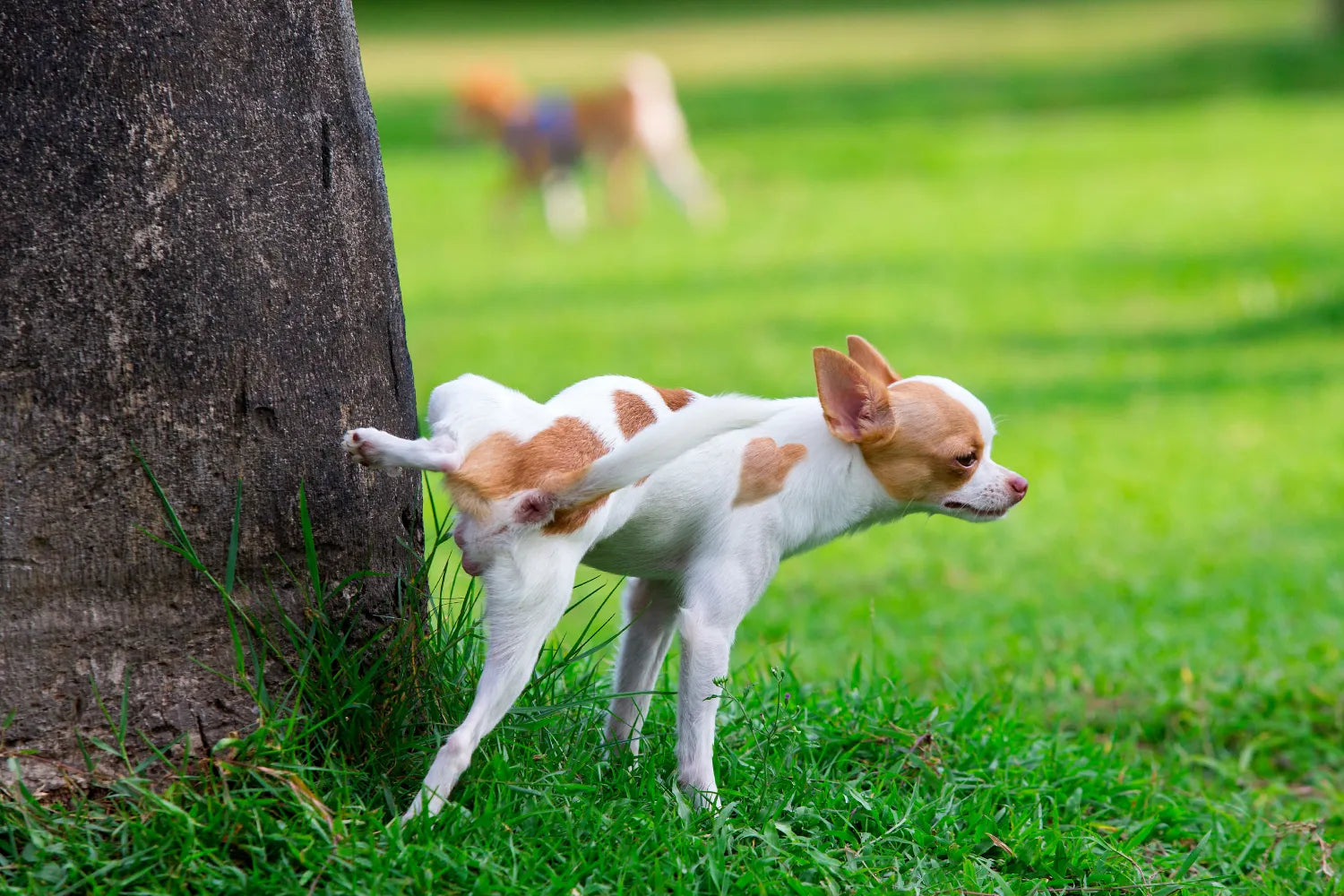
Credit: www.brilliantpad.com
Frequently Asked Questions
How Long Does It Take To Train A Dog To Pee Outside?
Training time varies by dog, but most learn within 4 to 6 weeks. Consistency and positive reinforcement speed up progress. Puppies may take longer, while adult dogs often learn faster. Regular potty breaks and praise help establish good habits quickly.
What Are The Best Methods To Train A Dog To Pee?
Use crate training, frequent potty breaks, and positive rewards. Take your dog outside regularly, especially after eating or waking. Praise and treats reinforce desired behavior. Avoid punishment to prevent fear and confusion, ensuring a positive learning experience.
How Often Should I Take My Dog Out To Pee?
Take your dog outside every 2 to 3 hours during training. Puppies need more frequent breaks, about every hour. Regular outings prevent accidents and reinforce good habits. Consistency helps your dog understand when and where to pee.
What Signs Show My Dog Needs To Pee?
Look for sniffing, circling, whining, or pacing behavior. Sudden restlessness or heading toward the door can indicate the need. Recognizing these signs helps prevent accidents and supports timely potty breaks during training.
Conclusion
Training your dog to pee in the right place takes time and patience. Consistency is key for good results. Praise your dog each time they do well. Use clear signals and stick to a routine. Remember, accidents happen—stay calm and keep trying.
Your dog will learn with gentle guidance and care. Enjoy the process and bond with your pet. Soon, your dog will understand where to go. Training helps keep your home clean and your dog happy. Keep practicing daily for the best outcome.


