
You want your dog to enjoy the fresh air and freedom of your yard without worrying about them wandering off. But how do you make sure they stay safe and close to home?
Training your dog to stay in your yard is easier than you might think. With the right approach, you can create clear boundaries your dog understands and respects. Keep reading, and you’ll discover simple, effective steps to give you peace of mind and your dog the freedom they love.

Credit: www.thisoldhouse.com
Prepare The Yard
Preparing your yard is the first step to training your dog to stay safe. A well-prepared yard makes it easier for your dog to understand boundaries. It also keeps your dog safe from dangers outside the yard. Take time to make your yard a secure and calm space for your dog.
Focus on removing risks and distractions. Create clear limits where your dog can play freely. These steps build trust and help your dog learn to stay inside the yard.
Check For Escape Routes
Walk around your yard and look for gaps or holes. Check fences, gates, and walls for weak spots. Dogs can squeeze through small openings or dig under fences. Fix any holes or weak points you find. Secure gates with strong locks to prevent accidental openings.
Create A Safe Boundary
Choose a fence that suits your dog’s size and behavior. Make sure it is tall enough to stop jumping over. Use solid materials that your dog cannot chew through. Mark boundaries clearly with visual cues. This helps your dog know where to stay.
Remove Distractions
Keep your yard free from toys or objects that might lure your dog out. Avoid placing food or trash near the fence. Loud noises or other animals can distract your dog. Try to minimize these distractions to keep your dog focused on staying inside.

Credit: www.thisoldhouse.com
Choose The Right Commands
Choosing the right commands is key to training your dog to stay in your yard. Clear and simple commands help your dog understand what you expect. Dogs respond best to short, easy words. Consistency in the words and signals you use builds trust and reduces confusion.
Simple Words For Stay
Pick one short word for the stay command. Words like “stay,” “wait,” or “hold” work well. Use the same word every time you want your dog to stay. Avoid changing the command. This helps your dog learn quickly and obey reliably.
Using Hand Signals
Hand signals support the verbal command. Raise your hand, palm facing your dog, to signal stop. Dogs notice visual signs easily. Pair the hand signal with the command word. This makes it easier for your dog to understand and follow your instructions.
Consistency In Commands
Use the same word and signal every time. Consistency builds your dog’s confidence. It also speeds up learning. Make sure all family members use the same commands. Mixed signals confuse dogs and slow training progress.
Start With Short Sessions
Starting with short training sessions helps your dog learn to stay in your yard without feeling overwhelmed. Small steps build confidence and make training easier for both of you. Short sessions keep your dog focused and prevent boredom.
Keep Training Brief
Limit each session to five or ten minutes at first. Dogs have short attention spans. Brief sessions help them stay interested. End sessions on a positive note to keep your dog eager for the next one.
Gradually Increase Time
Slowly add more time to each session. Increase by a few minutes every few days. This helps your dog get used to staying longer. Patience is key to steady progress.
Reward Positive Behavior
Give treats or praise when your dog stays in the yard. Rewards encourage good habits. Positive feedback helps your dog understand what you want. Use rewards right after the behavior to make the connection clear.
Use Positive Reinforcement
Using positive reinforcement helps your dog learn to stay in the yard happily. It builds trust and makes training fun. Your dog will want to obey because good things happen. Training becomes easier and more effective with this method.
Treats And Praise
Give your dog small treats when it stays in the yard. Treats make your dog feel rewarded. Use a happy voice to praise your dog too. Saying “good dog” or “well done” helps your dog understand it did right. Treats and praise together teach your dog to stay put.
Toys As Rewards
Some dogs love toys more than treats. Use your dog’s favorite toy as a reward. Throw the toy for a short playtime after it stays in the yard. This shows your dog good behavior brings fun. Toys keep training lively and enjoyable.
Avoid Punishment
Never punish your dog for leaving the yard. Punishment can cause fear or confusion. It may make your dog avoid you or the yard. Focus on praising good behavior instead. Positive feelings help your dog stay where it should.
Practice Boundary Training
Practice boundary training to help your dog understand the limits of your yard. This step is crucial for safety and good behavior. It teaches your dog where it can roam freely and where to stop. Consistency and patience are key to success.
Walk The Perimeter Together
Take your dog on a slow walk along the edge of your yard. Use a leash to keep control. Point to the boundary while walking. This helps your dog see and feel the limits. Repeat this often to build awareness.
Teach ‘stay In Yard’ Cue
Choose a clear phrase like “stay in yard.” Use it every time your dog reaches the boundary. Reward your dog with praise or treats for obeying. Practice this command in different parts of the yard. Keep training short and positive.
Supervised Outdoor Time
Let your dog explore outside only under your watch. Watch for signs it wants to leave the yard. Use your cue and leash to guide it back if needed. Supervision helps reinforce boundaries. It also keeps your dog safe from dangers.
Handle Distractions Effectively
Teaching your dog to stay in the yard can be difficult with many distractions around. Dogs get curious and want to explore new sights, sounds, and smells. Handling distractions well helps your dog focus and obey your commands. It takes patience and practice to keep your dog’s attention despite outside noise or activity.
Train In Different Environments
Start training your dog in quiet places with few distractions. Once your dog learns to stay, try other spots. Practice in the backyard, near the street, or at a park. Different places help your dog learn to listen no matter what is happening around. Change the environment often to build strong habits.
Control External Stimuli
Limit distractions at first. Turn off loud music and close windows if needed. Ask family members to stay calm during training. Use toys and treats to keep your dog’s attention on you. Slowly add distractions like people walking or cars passing. This helps your dog get used to ignoring outside noise.
Increase Focus Gradually
Start with short training sessions and simple commands. Praise your dog for small successes. Slowly increase the time your dog must stay in one place. Add distractions step by step, watching your dog’s reaction. If your dog loses focus, go back to easier steps. Build your dog’s attention little by little.
Use Tools And Aids
Using tools and aids can help teach your dog to stay in your yard. These devices guide your dog and keep them safe. They also make training easier and faster. Let’s explore some common tools that work well.
Leashes And Long Lines
Leashes and long lines keep your dog close while outside. A long line lets your dog roam but still gives control. Use a leash during early training sessions. This helps your dog learn boundaries safely. Gradually increase the length as your dog improves. Always watch your dog closely to prevent escapes.
Invisible Fencing Options
Invisible fences use a wire around your yard’s edge. Your dog wears a special collar that senses the wire. When your dog gets near the boundary, the collar gives a warning beep. If your dog crosses, it gives a gentle static correction. This method teaches your dog to stay inside without a physical fence. It works best with proper training and positive rewards.
Safety Collars
Safety collars are designed to protect your dog during training. Some collars have GPS tracking to find your dog if lost. Others have built-in sensors to alert you if the dog leaves the yard. Choose a collar that fits well and is comfortable. Always check the collar regularly for wear or damage. Use safety collars as a backup, not the main training tool.
Maintain Training Over Time
Training your dog to stay in your yard is not a one-time task. It needs ongoing effort. Consistent maintenance helps your dog remember the rules. It also builds trust and respect between you and your pet. Keep the training fresh and clear for the best results.
Regular Practice Sessions
Practice makes perfect. Short, daily sessions work best. Use the same commands each time. Reward your dog when it stays inside the yard. This keeps the behavior strong. It also makes the training part of your dog’s routine.
Refresh Commands Periodically
Dogs can forget commands if not used often. Repeat the key commands every few weeks. Use clear, simple words your dog knows. This helps your dog stay sharp and responsive. It prevents confusion or wandering off.
Monitor Behavior Changes
Watch your dog’s behavior closely. Changes can mean your dog feels unsafe or bored. React quickly to new habits. Adjust training methods if needed. Early detection keeps your dog secure in your yard.
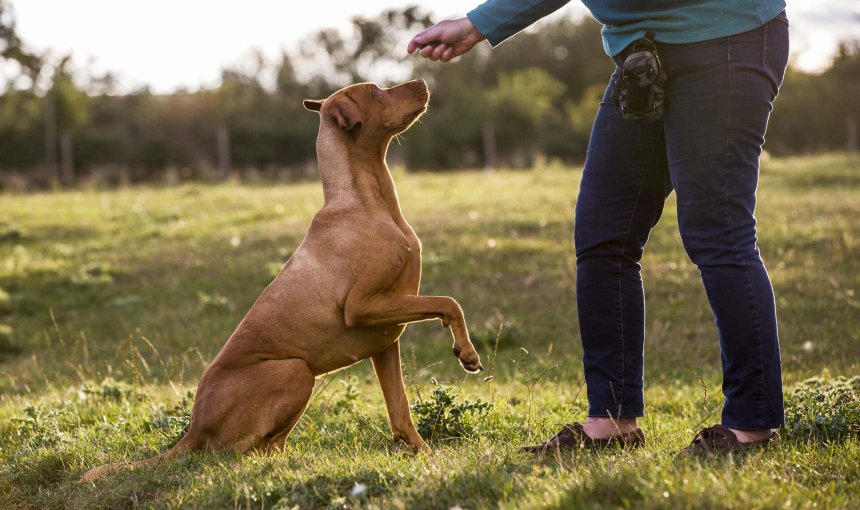
Credit: tractive.com
Frequently Asked Questions
How Do I Teach My Dog To Stay In The Yard?
Start by using a leash and reward your dog when it stays in the yard. Gradually increase freedom while reinforcing boundaries with treats and praise.
What Are The Best Commands For Yard Training?
Use clear commands like “stay,” “come,” and “boundary. ” Consistency and positive reinforcement help your dog understand and obey yard limits.
How Long Does Yard Training Usually Take?
Training duration varies but typically takes 2 to 4 weeks of daily practice. Patience and repetition are key to success.
Can I Use Physical Barriers To Keep My Dog In The Yard?
Yes, fences or invisible boundary systems can help. Combine barriers with training for effective containment and safety.
Conclusion
Training your dog to stay in your yard takes time and patience. Use clear commands and rewards to encourage good behavior. Keep training sessions short but regular to help your dog learn faster. Always stay calm and consistent during training.
A safe yard means your dog enjoys freedom without risks. Remember, every dog learns at their own pace. Keep practicing daily, and your dog will stay close and happy. This simple training helps protect your dog and gives you peace of mind.


