
Have you ever wondered if an aggressive dog can truly change? Maybe you’re dealing with a dog that shows signs of aggression, and it’s overwhelming.
You might feel unsure if training can help or if the behavior is too deep-rooted. The good news is, yes—your aggressive dog can be trained. But it takes the right approach, patience, and understanding. Keep reading, because discovering how to manage and transform your dog’s behavior could make all the difference for your safety, your dog’s happiness, and your peace of mind.

Credit: k-9specialist.com
Signs Of Aggression
Recognizing signs of aggression in dogs is important for training and safety. Aggression shows itself in different ways. Understanding these signs helps address the behavior early. This makes training more effective and safer for everyone involved.
Common Aggressive Behaviors
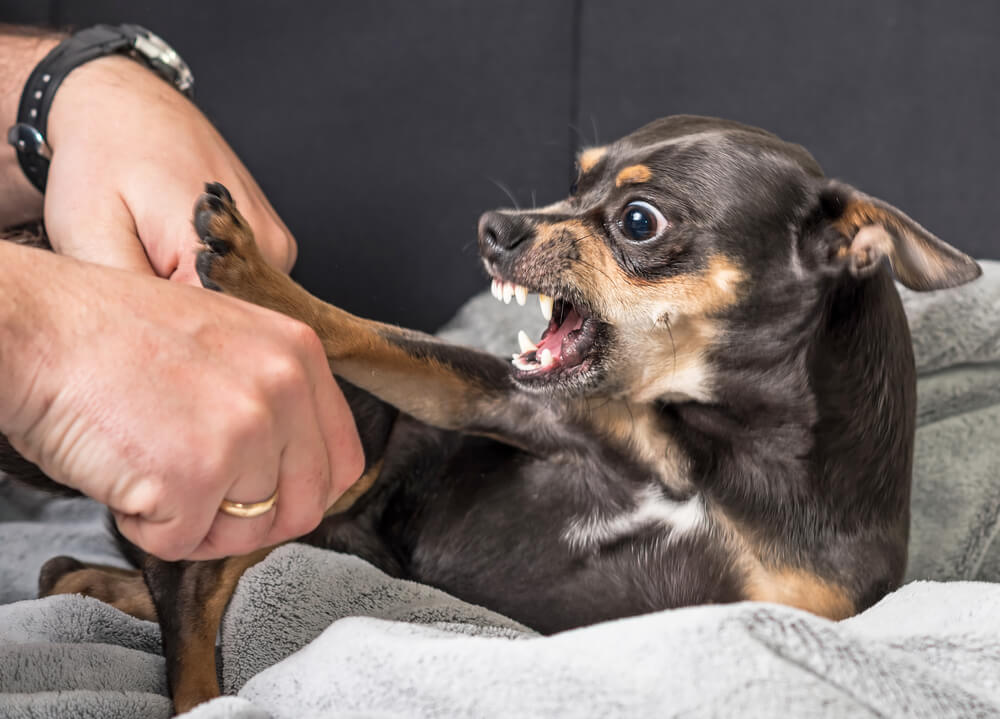
Growling is a clear sign of anger or fear. Showing teeth often means a dog feels threatened. Lunging or snapping tries to scare or warn others. Stiff body posture signals readiness to attack. Barking loudly and continuously can mean aggression. Raised hackles on the back show tension. Direct staring can be a challenge or threat.
Triggers And Causes
Fear is a major cause of aggression in dogs. Protecting their territory or food may cause aggression. Pain or illness can make a dog aggressive. Lack of socialization leads to fear and aggression. Frustration from being restrained or tied up triggers aggression. Previous bad experiences with people or animals cause fear. Sudden loud noises or fast movements may startle a dog.
Assessing Your Dog’s Temperament
Assessing your dog’s temperament is the first step to understand their behavior. It helps you see if training is possible and how to approach it. Dogs show many signs that tell about their feelings and reactions. Watching these signs closely gives you clues about their true nature.
Some dogs act aggressive due to fear, pain, or confusion. Others may have a more dominant personality. Knowing the cause helps in choosing the right training methods. Careful assessment protects both you and your dog during training.
Professional Evaluation
A professional trainer or behaviorist can assess your dog’s temperament. They use tests and observations to check your dog’s reactions. This helps to identify triggers and stress points. Experts can tell if your dog is safe to train. They suggest the best ways to manage aggression. Professional help often prevents problems from getting worse.
Behavioral History
Look into your dog’s past behavior for clues. Note past incidents of aggression or fear. Understand the situations that caused these behaviors. This history shows patterns and possible causes. Sometimes, changes in environment or health affect behavior. Sharing this information with a trainer improves the training plan.
Training Basics For Aggressive Dogs
Training an aggressive dog requires patience and clear methods. Aggressive behavior can be managed with consistent training. Start with basic steps to build trust and control.
Understanding how to train aggressive dogs helps reduce risks. Training creates a safer environment for the dog and people around.
Positive Reinforcement Techniques
Positive reinforcement uses rewards to encourage good behavior. Treats, praise, and toys work well to motivate dogs. This method helps dogs learn without fear or punishment. Reward calm and non-aggressive actions immediately. Consistency is key to reinforce these behaviors daily.
Setting Clear Boundaries
Clear boundaries teach dogs what is allowed and what is not. Use simple commands like “no,” “sit,” and “stay” firmly. Avoid mixed signals that confuse the dog. Boundaries help dogs feel secure and understand limits. Enforce rules calmly and consistently to reduce aggression.

Credit: hno-oberascher.at
Behavior Modification Strategies
Aggressive behavior in dogs can change with the right strategies. Behavior modification helps alter how a dog reacts to certain triggers. These techniques focus on teaching the dog calm and positive responses. Consistency and patience are key to success. Two important methods are desensitization and counter-conditioning, and impulse control exercises.
Desensitization And Counter-conditioning
Desensitization means exposing the dog to a trigger slowly and in small amounts. This helps the dog get used to the trigger without feeling scared or angry. Counter-conditioning changes the dog’s emotional response to the trigger. The dog learns to feel calm or happy instead of aggressive. For example, giving treats when the trigger is near can create positive feelings. Over time, the dog’s aggressive response fades. This process needs regular practice and careful control of the environment.
Impulse Control Exercises
Impulse control teaches dogs to pause before acting. These exercises help dogs think before they react. Simple commands like “sit,” “stay,” and “wait” build self-control. Practicing these commands in different settings strengthens the dog’s focus. Impulse control reduces sudden aggressive outbursts. It also improves the dog’s ability to handle stress. Training sessions should be short and fun to keep the dog engaged. Consistent practice leads to better behavior over time.
Tools And Equipment
Training an aggressive dog requires the right tools and equipment. They help control the dog safely. The correct gear supports positive training. It prevents accidents and builds trust between you and your dog.
Choosing suitable tools is key. They must be strong and comfortable for the dog. The equipment should also give you control without causing pain. Safety is the priority for both trainer and dog.
Appropriate Leashes And Collars
Strong leashes help keep your dog close. Nylon or leather leashes work well for tough dogs. They don’t break easily and offer good grip.
Collars must fit well. A snug but not tight collar avoids choking. Head halters or harnesses give more control without hurting the dog’s neck. Avoid prong or choke collars as they can cause pain.
Safety Gear For Training
Protect yourself with safety gear. Gloves protect your hands from bites or scratches. Long sleeves and pants reduce skin exposure.
Use a muzzle if your dog bites. It keeps everyone safe during training. Choose a muzzle that lets your dog breathe and pant easily. Safety gear helps training stay calm and safe.
Role Of Consistency And Patience
Training an aggressive dog takes time and steady effort. Consistency and patience are key parts of this process. Dogs learn best when they see the same rules and routines every day. Patience helps owners stay calm and avoid stress during tough moments. These two qualities build trust between the dog and owner. They also help the dog feel safe and ready to learn new behaviors.
Daily Routine Importance
A daily routine helps dogs know what to expect. Feeding, walking, and training sessions should happen at the same time each day. This creates a sense of order. Dogs with aggression often feel anxious. A set routine reduces this anxiety. It makes the dog more open to training. Regular short training sessions work better than long, rare ones. Simple commands repeated daily improve behavior slowly but surely.
Managing Setbacks
Setbacks are normal in training aggressive dogs. Progress may seem slow or reversed sometimes. Staying patient helps owners avoid frustration. It’s important to stay calm and try again. Learning from mistakes helps improve future training. Avoid punishment, as it can increase aggression. Instead, focus on small wins and build on them. Consistent care and gentle guidance help the dog heal and improve over time.
When To Seek Professional Help
Knowing when to seek professional help for an aggressive dog is very important. Some behaviors are hard to manage without expert guidance. Early action can prevent problems from getting worse. It can also keep you and others safe around your dog.
Signs like frequent biting, lunging, or growling at people or other animals show a clear need for help. If your dog’s aggression increases despite your efforts, a professional can offer better solutions. Professionals use tested methods tailored to each dog’s needs.
Choosing A Trainer Or Behaviorist
Pick a trainer or behaviorist with experience in aggressive dogs. Check their credentials and ask about their training methods. Positive reinforcement is the safest and most effective approach. Avoid trainers who use punishment or fear-based techniques.
Look for someone who listens to your concerns and explains their plan clearly. A good expert will work with you step-by-step. They will teach you how to handle your dog safely at home.
Understanding Therapy Options
Behavior therapy often combines training with changes in the dog’s environment. This may include managing triggers that cause aggression. Some dogs need medical checks to rule out pain or illness.
Therapy can also involve medication to reduce anxiety or aggression. A vet or behaviorist will guide you on this. Regular follow-up sessions help track progress and adjust the plan.
Preventing Future Aggression
Preventing future aggression in dogs requires ongoing effort and care. Training an aggressive dog is not just about correcting bad behavior. It also involves creating a safe and calm environment. This helps the dog stay relaxed and less likely to show aggression later. Consistency and patience are key parts of prevention.
Socialization Tips
Socialization helps dogs learn to be comfortable around others. Start with calm, friendly dogs and quiet places. Let your dog meet new people and animals slowly. Praise your dog for calm behavior during these meetings. Avoid forcing your dog into scary situations. This builds confidence and reduces fear-based aggression.
Ongoing Training Practices
Keep training sessions short and regular. Use simple commands like “sit,” “stay,” and “come.” Reward good behavior with treats or praise. Practice training in different places to keep your dog focused. Watch your dog’s body language to catch signs of stress. Early action can stop aggression before it grows.
Credit: leaderofthepackdogtraining.org
Frequently Asked Questions
Can Aggressive Dogs Be Trained Effectively?
Yes, aggressive dogs can be trained with patience, consistency, and professional guidance. Early intervention and positive reinforcement improve success rates significantly.
What Training Methods Work Best For Aggressive Dogs?
Positive reinforcement and behavior modification techniques are most effective. Avoid punishment-based training, as it may worsen aggression and fear.
How Long Does It Take To Train An Aggressive Dog?
Training duration varies by dog and aggression severity. Consistent daily sessions over weeks or months are often needed for noticeable improvement.
Should I Hire A Professional For Aggressive Dog Training?
Yes, professional trainers have expertise to safely handle aggression. They create customized plans and ensure the dog’s and owner’s safety.
Conclusion
Aggressive dogs can change with the right training and care. Patience and consistency are key to seeing real progress. Trust builds slowly but makes a big difference. Training helps dogs feel safe and behave better. Owners must stay calm and set clear rules every day.
Small steps lead to big improvements over time. Every dog deserves a chance to learn and grow. Aggression does not have to be a life sentence. With effort, a peaceful, happy dog is possible.

