
Training your Golden Retriever can be one of the most rewarding experiences you’ll have with your furry friend. You want your dog to be well-behaved, happy, and eager to learn, right?
The good news is that with the right approach, you can easily teach your Golden Retriever basic commands and good manners. Imagine having a dog that listens to you, walks calmly by your side, and brings joy to every moment you share.
Keep reading, and you’ll discover simple, effective steps to train your Golden Retriever so you both enjoy a strong, trusting bond every day.
Choosing The Right Training Approach
Choosing the right training approach is key to raising a happy Golden Retriever. Each dog is different, so understanding their needs helps you teach better. The right method builds trust and makes learning fun. Training should be gentle but firm, giving clear signals. This section covers three important parts to help you start.
Positive Reinforcement Techniques
Positive reinforcement means rewarding good behavior. Treats, praise, or play can be rewards. This method helps dogs learn quickly and happily. It encourages them to repeat good actions. Avoid punishment, which can cause fear or confusion. Use simple commands and reward your dog right away. Keep training sessions short and fun.
Consistency And Patience
Being consistent helps your dog understand what you want. Use the same words and actions every time. Training takes time, so be patient. Dogs need to practice new skills many times. Avoid changing rules or commands often. Patience shows your dog that you care and trust them. Celebrate small wins to stay motivated.
Setting Realistic Goals
Set small, clear goals for each training session. Start with basic commands like “sit” and “stay.” Gradually add harder tasks as your dog learns. Realistic goals prevent frustration for you and your pet. Track progress and adjust goals as needed. Keep training fun and rewarding to keep your dog engaged.

Credit: www.morewagginlessbarkin.com
Essential Commands To Teach
Training your Golden Retriever starts with basic commands. These commands build good habits and ensure safety. Teaching them early helps your dog understand what you expect. It also creates a strong bond between you and your pet. Here are essential commands every Golden Retriever should learn.
Sit, Stay, And Come
“Sit” is one of the easiest commands. It helps control your dog’s behavior quickly. Use treats to reward your dog when they sit on command. “Stay” teaches patience and self-control. Ask your dog to stay before moving away. Reward them for holding the position. “Come” ensures your dog returns to you. Call your dog’s name and say “come.” Praise and reward when they reach you.
Heel And Loose Leash Walking
“Heel” keeps your Golden Retriever walking close by your side. It prevents pulling and wandering during walks. Practice in quiet places first. Use treats to keep your dog’s attention. Loose leash walking means the dog walks without pulling. Stop walking if the leash tightens. Resume only when the leash is loose. This teaches your dog to walk calmly.
Leave It And Drop It
“Leave it” stops your dog from picking up things. Useful for dangerous objects or unwanted items. Hold a treat in your hand and say “leave it.” Wait until the dog stops trying, then reward. “Drop it” helps your dog release items from their mouth. Offer a treat and say “drop it.” Reward when your dog lets go. These commands protect your dog and keep them safe.
House Training Tips
House training is an essential step for every Golden Retriever owner. It helps your dog learn where to go and keeps your home clean. Start early and be patient. Consistency is key to success. Use positive actions and rewards to encourage good habits.
Crate Training Benefits
Crate training helps your dog feel safe and secure. It limits your dog’s space, making accidents less likely. Dogs naturally avoid soiling their sleeping area. Crates also help teach your dog to hold their bladder. Use a comfortable crate with soft bedding inside. Never use the crate for punishment.
Establishing A Routine
Set specific times for feeding and bathroom breaks. Take your Golden Retriever outside first thing in the morning. Take them out after meals and naps. Regular walks help build good bathroom habits. A steady schedule reduces confusion and accidents. Praise your dog immediately after they go outside.
Handling Accidents
Accidents will happen. Stay calm and avoid scolding your dog. Clean the area well to remove any smell. Use enzyme cleaners to stop repeat accidents. Watch for signs your dog needs to go out. Reward your dog when they use the bathroom outside. Patience and consistency will help your dog learn.
Socializing Your Golden Retriever
Socializing your Golden Retriever is a key step in raising a happy, friendly dog. It helps your dog learn good manners and feel safe around others. Early socialization shapes your dog’s behavior for life. Start socializing as soon as your puppy comes home. Keep experiences positive and calm.
Introducing To People And Pets
Begin by meeting different people gently. Let your Golden sniff and explore at its own pace. Use calm voices and soft touch. Introduce your dog to other pets carefully. Watch their body language closely. Reward calm and friendly behavior with treats. Avoid forcing meetings. Good introductions build trust and friendship.
Exposure To Different Environments
Take your Golden to many places. Parks, streets, and pet stores offer new sights and sounds. Let your dog experience cars, bikes, and crowds slowly. Short visits work best at first. Bring favorite toys or treats to stay relaxed. New places help your dog adapt to changes easily.
Managing Fear And Aggression
Fear and aggression can appear if socialization is poor. Watch signs like growling or hiding. Stay calm and do not punish your dog. Use gentle words and move away from triggers. Reward bravery with praise and treats. Seek help from a trainer if problems grow. Early care prevents bigger issues later.
Dealing With Common Behavioral Issues
Training a Golden Retriever often includes handling some common behavior problems. These issues can make daily life harder for both you and your dog. Knowing how to handle them early keeps your dog happy and well-behaved. Patience and consistency are key to solving these problems.
Excessive Barking
Barking is normal for Golden Retrievers, but too much can be a problem. Dogs may bark out of boredom, fear, or to get attention. Teach your dog a “quiet” command to control barking. Reward your dog when it stops barking on command. Give enough exercise to reduce extra energy. Avoid yelling, as it can make barking worse.
Chewing And Digging
Golden Retrievers love to chew and dig. These actions can damage your home or garden. Provide plenty of chew toys to keep your dog busy. Redirect your dog to toys when you catch it chewing wrong things. For digging, create a special digging area in your yard. Praise your dog for digging only in that spot. Consistent training helps reduce unwanted chewing and digging.
Separation Anxiety
Some Golden Retrievers feel stressed when left alone. This can cause whining, barking, or destructive behavior. Start by leaving your dog alone for short times. Gradually increase the time you are away. Leave toys or treats to comfort your dog. Avoid making a big deal when you leave or return. Calm departures and arrivals reduce anxiety over time.

Credit: www.youtube.com
Advanced Training And Activities
Advanced training and activities help your Golden Retriever stay sharp and happy. These exercises build on basic commands. They improve your dog’s focus, agility, and obedience. Such activities also strengthen your bond and provide fun challenges.
Golden Retrievers are smart and eager to learn. They enjoy tasks that make them think and move. Engaging in advanced training keeps them from feeling bored or restless. This section explores three great ways to train your dog beyond the basics.
Agility And Obedience Trials
Agility trials involve running through obstacle courses. Your dog jumps, weaves, and climbs with speed and care. This training boosts physical fitness and sharpens reflexes. Obedience trials test your dog’s listening and response skills. Commands must be followed quickly and accurately. Both activities teach discipline and build confidence.
Trick Training
Teaching tricks is fun and rewarding. Tricks like rolling over, playing dead, or fetching specific items keep your dog’s mind busy. Trick training requires patience and clear commands. It improves your dog’s ability to learn new tasks. These skills help with everyday manners and social behavior.
Mental Stimulation Games
Mental games challenge your dog’s thinking. Puzzle toys, hide-and-seek, and scent work are popular choices. These games encourage problem-solving and focus. Mental exercise reduces anxiety and destructive behavior. They keep your Golden Retriever alert and entertained indoors or outside.
Maintaining Training Progress
Maintaining training progress with your Golden Retriever is essential to keep good habits strong. Consistency helps your dog remember commands and behave well over time. Training does not stop after the first lessons. It requires regular attention and care to stay effective.
Regular Practice Sessions
Practice training every day for short periods. Frequent sessions help your dog learn faster. Use the same commands and routines to build memory. Keep sessions fun and positive to hold your dog’s interest. Avoid long sessions that can cause boredom or stress.
Rewarding Good Behavior
Give treats or praise when your dog follows commands. Rewards encourage your dog to repeat good actions. Use small, tasty treats that your dog loves. Praise with kind words and gentle petting. Timing is key—reward immediately after the good behavior.
Adjusting Techniques As Needed
Watch your dog’s response to training methods. Change techniques if your dog seems confused or bored. Try new rewards or different commands for variety. Adapt your approach as your dog grows and learns. Patience and flexibility improve your training results.
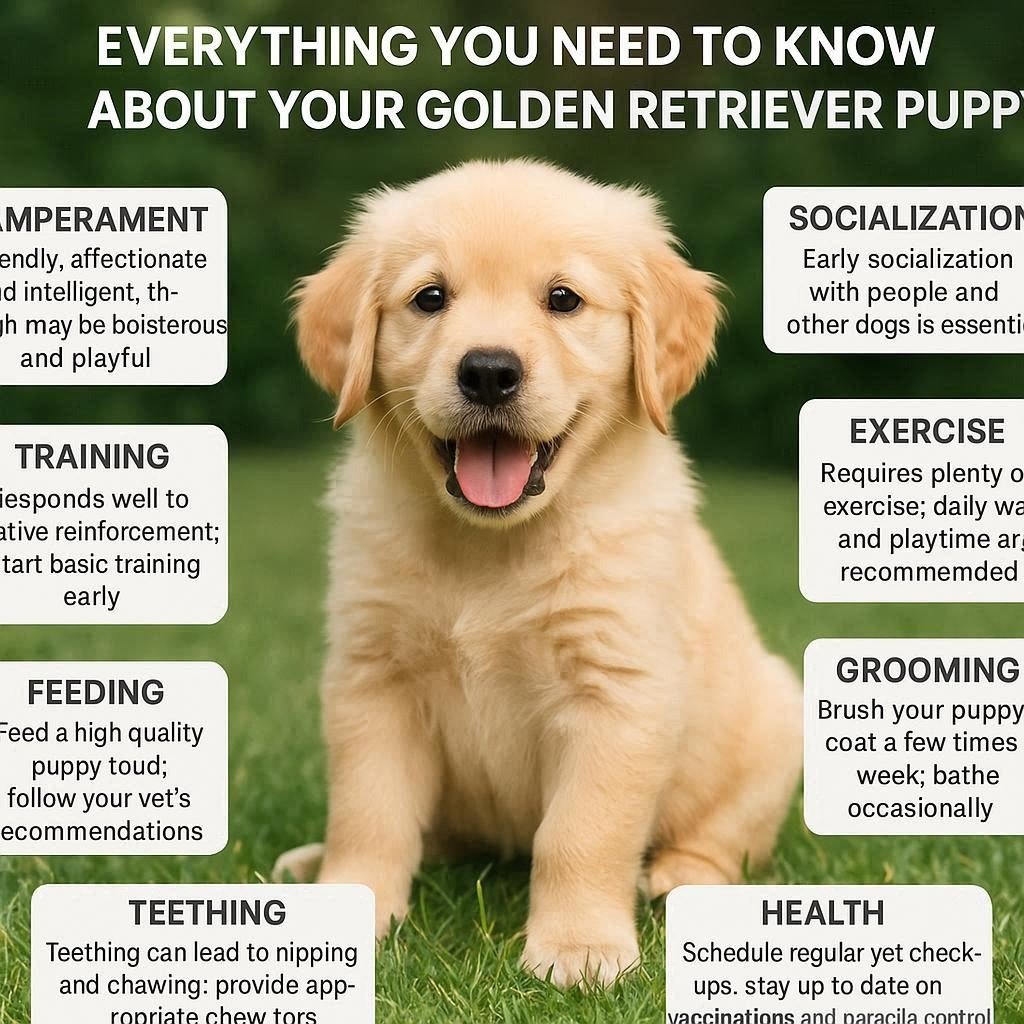
Credit: joyfluffy.com
Frequently Asked Questions
How Long Does It Take To Train A Golden Retriever?
Training a Golden Retriever typically takes 3 to 6 months. Consistent daily sessions and positive reinforcement speed up learning. Early socialization and obedience training are key for good behavior and responsiveness.
What Is The Best Age To Start Training A Golden Retriever?
Start training your Golden Retriever at 8 weeks old. Early training helps develop good habits and social skills. Puppies are more adaptable and eager to learn during this age.
How Often Should I Train My Golden Retriever Daily?
Train your Golden Retriever for 10 to 15 minutes, 2 to 3 times daily. Short, frequent sessions keep your dog engaged and prevent boredom. Consistency is essential for effective training.
What Are Common Challenges In Training Golden Retrievers?
Golden Retrievers may get distracted easily and can be stubborn at times. Patience and positive reinforcement help overcome these challenges. Avoid harsh punishments to maintain trust and motivation.
Conclusion
Training a Golden Retriever takes time and patience. Consistency helps your dog learn faster. Use simple commands and reward good behavior. Gentle guidance builds trust and respect. Practice daily to keep skills sharp. Enjoy the process and celebrate small wins.
A well-trained Golden Retriever is happy and well-behaved. Keep training fun and positive for best results. Your effort creates a strong bond with your dog. Training leads to a loyal and loving companion.


