

Are you curious about which dogs are labeled as vicious breeds? Knowing this can help you make safer choices for your family and community.
Some dog breeds have reputations that might surprise you. Understanding why these breeds are considered dangerous can change how you see them and help you protect yourself and your loved ones. Keep reading to discover the facts behind these breeds and what you should really know before making any decisions.
Common Vicious Breeds
Some dog breeds have a reputation for being more aggressive than others. These breeds often face restrictions or special rules in certain areas. Understanding which dogs are seen as vicious helps owners and communities stay safe.
Behavior depends on training and environment, but some breeds are often labeled as dangerous due to their strength and protective nature. Here are some common breeds known for this reputation.
Pit Bull Types
Pit bulls include several breeds like the American Pit Bull Terrier and Staffordshire Bull Terrier. They are strong and very loyal. Their power and protective instincts sometimes cause fear.
Proper training is key for pit bulls to be safe family pets. Without it, they can show aggression.
Rottweilers
Rottweilers are large, muscular dogs with a strong bite. They were bred to guard and protect. Their natural guarding skills can make them suspicious of strangers.
With firm leadership, Rottweilers can be calm and obedient. Without guidance, they may become aggressive.
German Shepherds
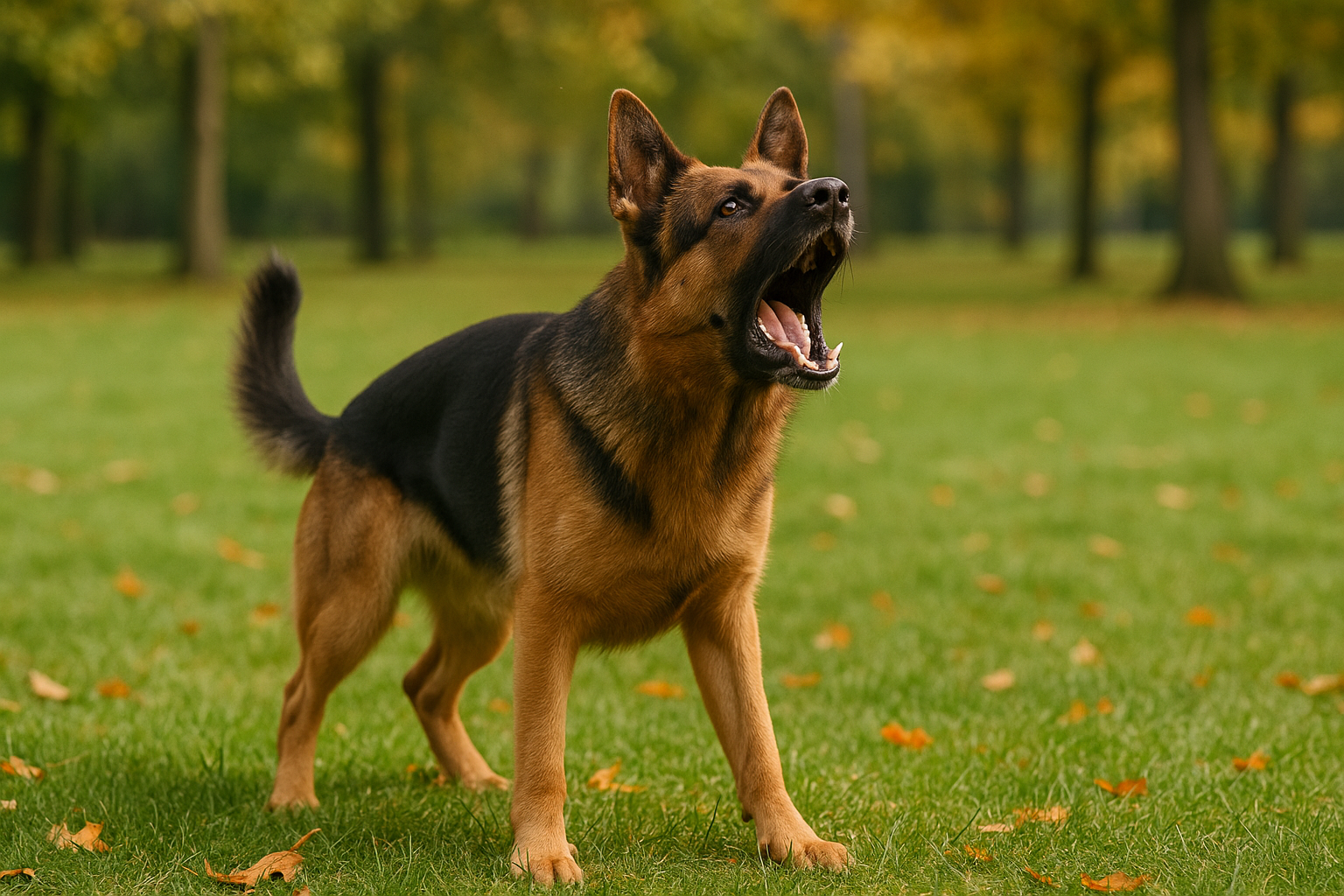
German Shepherds are smart and highly trainable. They work in police and military roles worldwide. Their protective instincts sometimes cause them to be wary of new people.
Good socialization from an early age helps German Shepherds control their protective behavior.
Doberman Pinschers
Dobermans are fast, alert, and protective dogs. They were bred to guard homes and families. Their alertness can sometimes lead to aggressive reactions.
Training and socializing Dobermans early reduces the risk of aggression.
Chow Chows
Chow Chows look fluffy but are very strong and independent. They often show strong loyalty to their owners. This can make them suspicious of strangers.
Early social training is important for Chow Chows to prevent aggressive behavior.
Traits Linked To Aggression
Understanding traits linked to aggression helps explain why some dogs are labeled vicious. Aggression can come from many sources. Some traits are natural, while others develop over time. Knowing these traits helps owners manage and train their dogs better.
Genetic Factors
Genes play a role in a dog’s behavior. Some breeds have a higher chance of aggression due to their genetics. These dogs might protect territory or show more dominance. Genetic traits alone do not decide behavior, but they influence it.
Behavioral Patterns
Dogs show aggression in different ways. Some growl or snap when scared. Others may bite without warning. These patterns depend on the dog’s experiences and temperament. Recognizing these signs helps prevent problems before they start.
Training And Socialization Impact
Proper training reduces aggressive behavior. Socializing dogs early teaches them to be calm with people and other animals. Without training, fear and stress can increase aggression. Consistent care shapes a dog’s behavior positively over time.
Legal Restrictions And Bans
Legal restrictions and bans exist to control certain dog breeds. These laws aim to protect people and other animals from harm. Different countries and regions have different rules about which dogs are considered dangerous.
Breed-specific Legislation
Breed-specific legislation (BSL) targets certain breeds labeled as aggressive. These laws often ban or restrict owning these dogs. Commonly banned breeds include Pit Bulls, Rottweilers, and Dobermans. Owners must follow strict rules or face penalties. Some areas require muzzles or special permits for these dogs.
Global Variations
Countries vary in their approach to dog breed laws. Some ban only a few breeds. Others have long lists of restricted dogs. For example, the UK bans Pit Bulls entirely. Germany restricts several breeds but allows ownership with conditions. These differences depend on local culture and safety concerns.
Effectiveness Of Laws
The success of these laws is debated among experts. Some studies show fewer attacks after bans. Others say the laws do not reduce dog bites. Critics argue that behavior matters more than breed. Good training and responsible ownership are key to safety.

Credit: worldanimalfoundation.org
Myths Vs Reality
Many people believe some dog breeds are naturally vicious. This idea comes from old stories and scary headlines. The truth is more complex. Dogs act based on training, treatment, and environment. It is wrong to label a whole breed as dangerous.
Common Misconceptions
People often think certain breeds are born to attack. This is not true. Aggression depends on many things, not just breed. Fear, pain, or poor training can cause aggression. Many so-called vicious breeds are gentle and loving pets.
Role Of Owners
Owners have the biggest influence on a dog’s behavior. Proper care, training, and socializing make dogs friendly. Neglect or abuse can make any dog aggressive. Responsible owners teach dogs how to behave safely around people.
Case Studies
Studies show no breed is always dangerous. Some breeds appear more in reports because they are popular. Many attacks come from dogs with bad owners. Good examples exist of all breeds being calm and kind. Behavior depends more on the dog’s life than its breed.
Preventing Aggression
Preventing aggression in dogs is key to keeping homes safe and happy. Aggression often starts with fear or confusion. Clear guidance helps dogs understand how to behave. Owners must learn to guide their pets with patience and care. This section explores ways to reduce aggression in dogs, especially those labeled as vicious breeds.
Proper Training Techniques
Training builds trust between dogs and owners. Use positive methods like rewards and praise. Avoid punishment, which can increase fear and aggression. Teach commands such as “sit” and “stay” early. Consistency is important for dogs to learn well. Training sessions should be short and frequent. This helps dogs focus and enjoy learning.
Early Socialization
Socializing puppies helps them feel safe around others. Introduce dogs to different people, animals, and places. Start socialization as early as possible. This reduces fear of new situations later in life. Controlled, calm meetings prevent bad experiences. Social dogs tend to be more relaxed and friendly. Regular exposure builds confidence and reduces aggressive reactions.
Responsible Ownership
Owners control their dogs’ environment and behavior. Provide enough exercise to release energy. Keep dogs on leashes in public places. Never leave aggressive dogs unsupervised. Understand your dog’s signs of stress or fear. Seek professional help if aggression appears. Responsible care protects both the dog and the community.
Credit: www.herberttrial.com

Credit: www.planetdeadly.com
Frequently Asked Questions
What Breeds Are Commonly Labeled As Vicious Dogs?
Breeds like Pit Bulls, Rottweilers, Dobermans, and German Shepherds are often labeled as vicious. This label usually results from media portrayal and breed-specific legislation rather than behavior.
Are All Dogs Of Vicious Breeds Dangerous?
No, not all dogs of these breeds are dangerous. Behavior depends on training, socialization, and environment, not just breed. Proper care can make any dog friendly.
Why Are Some Breeds Considered More Aggressive?
Some breeds have traits like strong guarding instincts or high energy, leading to aggressive behavior if untrained. However, aggression varies widely among individual dogs.
Can Training Reduce Vicious Tendencies In Dogs?
Yes, consistent training and socialization can reduce aggressive behavior. Positive reinforcement and early social exposure are key to managing any dog’s temperament effectively.
Conclusion
Certain dog breeds often get labeled as vicious unfairly. Behavior depends more on training and care than breed alone. Responsible owners shape friendly, safe pets regardless of type. Knowing facts helps avoid fear and stereotypes about dogs. Every dog deserves respect and a chance to prove kindness.
Understanding breeds leads to better choices and safer communities. Always meet dogs calmly and learn their true nature. Safety comes from awareness, not just breed labels.


