

Training your dog to walk off leash is a game-changer for both of you. Imagine the freedom of letting your dog explore without a leash, yet still having full control.
It’s not just about convenience—it’s about building trust and deepening your bond. But how do you get there safely and effectively? You’ll discover simple, step-by-step techniques that anyone can follow. Whether your dog is a playful puppy or an energetic adult, these tips will help you enjoy stress-free, off-leash adventures together.
Keep reading to unlock the secrets of off-leash training that really work.
Benefits Of Off-leash Training
Training a dog to be off leash offers many benefits for both pets and owners. It creates freedom while keeping your dog safe. Off-leash training makes walks more fun and less stressful. Dogs enjoy exploring without the pull of a leash. Owners gain confidence in their dog’s behavior. Here are some key benefits of off-leash training.
Building Trust And Bond
Off-leash training builds strong trust between you and your dog. Your dog learns to listen and follow commands without physical control. Trust grows as your dog feels safe to explore. This bond makes training easier and daily life calmer. Dogs with strong bonds stay close and respond quickly.
Enhancing Obedience And Control
Off-leash training improves your dog’s obedience in all settings. Your dog learns to obey commands even with distractions. This control helps prevent dangerous situations outside. Consistent practice off leash sharpens your dog’s focus. Well-trained dogs behave better and are easier to manage.
Promoting Physical And Mental Health
Being off leash allows dogs to move freely and exercise more. Physical activity keeps dogs healthy and fit. Mental health improves as dogs explore and solve problems. Off-leash play reduces boredom and destructive behavior. Active dogs are happier and less anxious overall.

Credit: www.youtube.com
Preparing For Off-leash Training
Training a dog to be off leash requires careful preparation. Start with small steps to build trust and control. Preparation helps keep your dog safe and makes training more effective.
Choosing The Right Location
Select a quiet, enclosed area for off-leash training. Avoid places with many distractions or dangers. A fenced yard or a dog park with secure boundaries works well. This helps your dog focus and stay safe.
Essential Training Tools
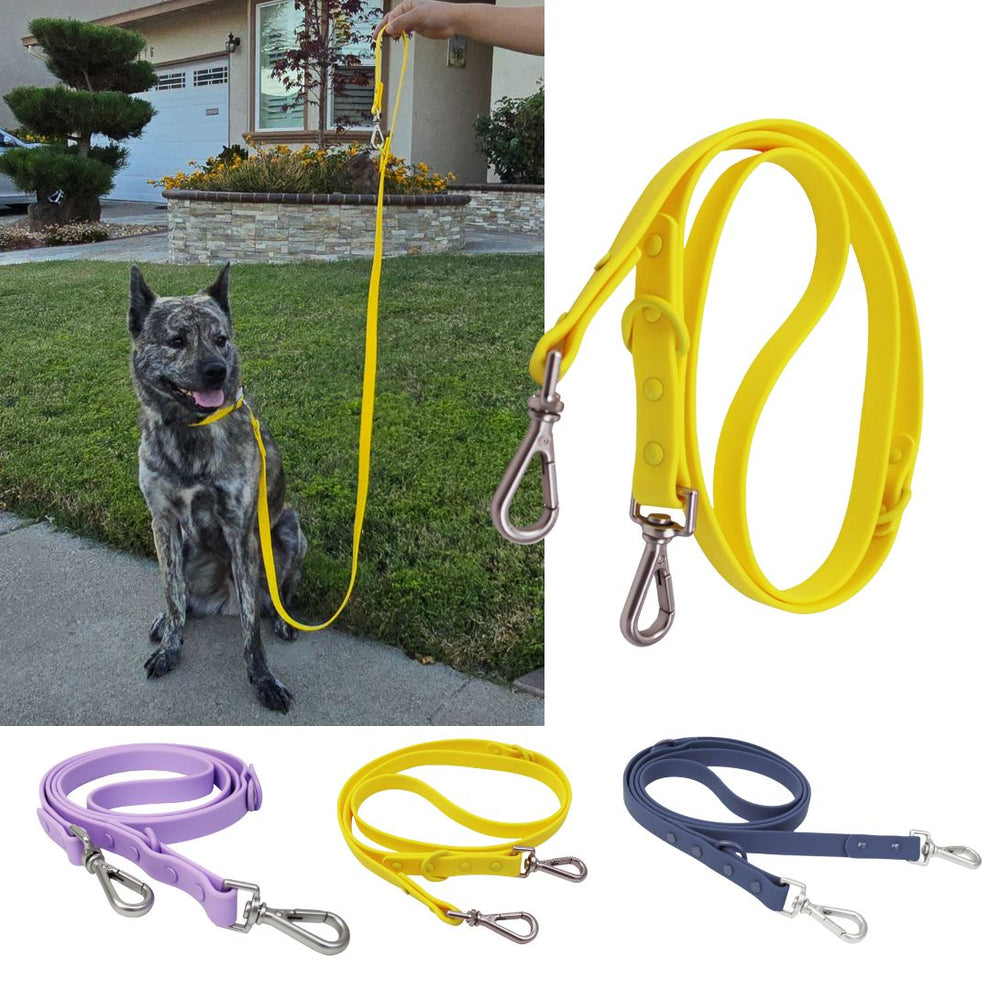
Use a long leash or training line at first. This gives your dog freedom but keeps control. Bring treats or favorite toys as rewards. A clicker can help mark good behavior clearly. Always have water and a first aid kit nearby.
Assessing Your Dog’s Readiness
Check if your dog knows basic commands like “sit,” “stay,” and “come.” Your dog should listen well on a short leash. Watch your dog’s behavior around other dogs and people. Only start off-leash training if your dog is calm and responsive.
Basic Commands To Master First
Training a dog to walk off leash takes time and patience. Start with simple commands that build trust and control. These basic commands create a strong foundation for safe off-leash behavior. Practice these skills indoors or in a quiet yard before moving outside. Consistency and positive reinforcement help your dog learn faster. Focus on clear communication and rewards.
Recall Command
The recall command teaches your dog to come to you immediately. Use a clear word like “come” or “here.” Call your dog in a happy, excited voice. Reward with treats and praise when they respond. Practice recall in short sessions and increase distance slowly. A strong recall keeps your dog safe off leash.
Sit And Stay
Sit and stay help your dog learn self-control. Use “sit” to make your dog pause and settle down. Follow with “stay” to hold the position. Start with short times and little distance. Reward your dog for staying calm and still. These commands prevent your dog from running off or chasing distractions.
Heel And Leave It
Heel teaches your dog to walk close to you. Use it to keep your dog focused during walks. “Leave it” stops your dog from picking up or chasing things. Use treats to guide your dog away from objects or animals. These commands protect your dog and others during off-leash time.
Step-by-step Off-leash Training
Training a dog to be off leash requires patience and clear steps. Each phase builds trust and control. The process starts with simple exercises and grows harder over time. This helps your dog understand commands without physical restraint. Follow these steps carefully for best results.
Starting With A Long Line
Begin training using a long line leash. This gives your dog freedom to move. You still keep control in case of sudden distractions. Practice basic commands like “come” and “stay.” Reward your dog immediately for obeying. This step builds confidence and listening skills.
Gradual Distance Increase
Slowly increase the distance between you and your dog. Start a few feet away, then more. Always use the long line for safety. Call your dog back often and reward them. This teaches your dog to return even from far away.
Introducing Distractions
Practice in places with more distractions. Try parks or busy streets. Keep the long line on at first. Use treats or toys to keep your dog focused. Praise good behavior loudly. This step prepares your dog for real-life situations off leash.
Common Challenges And Solutions
Training a dog to stay off leash can bring many rewards. It also comes with challenges. Knowing common problems helps you solve them fast. This keeps training smooth and fun for both you and your dog.
Dealing With Distractions
Distractions test your dog’s focus outside. Sounds, other dogs, and people catch their attention. Start training in quiet places. Use treats and praise to keep focus. Slowly add distractions. Reward your dog for staying close.
Handling Chasing Behaviors
Chasing is natural but risky off leash. Teach your dog to stop on command. Use a firm “leave it” or “stay.” Practice with toys or animals at a distance. Reward calm behavior. Avoid chasing games that encourage running after things.
Managing Recall Failures
Recall means your dog comes when called. This is key for safety. Train recall with high-value treats. Call your dog in happy, fun tones. Never punish if your dog comes late. Practice often in safe areas. Make coming to you the best part of their day.
Safety Tips For Off-leash Freedom
Giving your dog off-leash freedom is exciting. It lets them explore and enjoy more movement. Safety is a must for a good experience. Following key safety tips helps keep your dog safe and happy outdoors.
Using Identification Tags
Identification tags are a simple, effective safety tool. Attach a tag with your phone number to your dog’s collar. This helps others contact you if your dog gets lost. Make sure the tags are clear and easy to read. Update the information regularly to keep it current.
Monitoring Surroundings
Always watch the area where your dog runs free. Look for hazards like cars, wild animals, or sharp objects. Notice other dogs or people nearby that might cause stress. Stay alert to your dog’s behavior and body language. Being aware helps prevent accidents or conflicts.
Emergency Recall Techniques
Teaching your dog a strong recall command is vital. Practice calling your dog back in different places and situations. Use a happy, firm voice and reward them with treats or praise. Training this skill ensures you can bring your dog back quickly in emergencies. Consistent practice builds trust and response.
Maintaining Off-leash Skills
Maintaining off-leash skills is key for a well-behaved dog. Training does not end once your dog is off leash. Consistent effort keeps your dog safe and responsive. It also builds trust between you and your dog. Here are some important ways to keep those skills sharp.
Regular Practice Sessions
Practice off-leash training often. Short, frequent sessions work best. Use safe, open areas free from distractions. This helps your dog focus on commands. Practice different commands like recall and stay. Consistency helps your dog remember what to do.
Positive Reinforcement
Reward your dog for good behavior. Use treats, praise, or play as rewards. Positive reinforcement encourages your dog to repeat actions. Avoid punishment, which can cause fear or confusion. Rewards make training fun and motivate your dog.
Adapting Training As Needed
Change your training based on your dog’s progress. Increase difficulty by adding distractions or distance. Watch for signs your dog is confused or stressed. Slow down and simplify if needed. Training should match your dog’s pace and needs.
Credit: beenbuu.com

Credit: www.youtube.com
Frequently Asked Questions
How Long Does Off-leash Training Take?
Off-leash training duration varies by dog and consistency. Typically, it takes weeks to months. Daily practice and positive reinforcement speed learning. Patience and gradual progress ensure success and safety for your dog.
When Is The Best Age To Start Off-leash Training?
Start off-leash training after your dog masters basic commands. Usually, this is around 6 months old. Early training builds good habits and trust. Always prioritize safety and your dog’s readiness.
What Are Key Commands For Off-leash Training?
Essential off-leash commands include “come,” “stay,” “heel,” and “leave it. ” Clear, consistent commands ensure control and safety. Reward-based training helps your dog respond reliably. Mastery of these commands is crucial for successful off-leash freedom.
How Do I Prevent My Dog From Running Away Off-leash?
Use a strong recall command and reward promptly. Train in safe, enclosed areas initially. Avoid distractions and stay calm. Consistent training builds your dog’s focus and trust, reducing escape risks.
Conclusion
Training a dog to walk off leash takes time and patience. Start with small steps and practice often. Always use clear commands and rewards to help your dog learn. Keep training sessions short and fun to keep your dog interested.
Safety matters most, so choose safe places for off-leash practice. With steady work, your dog will enjoy more freedom and trust. Remember, every dog learns at its own pace. Stay calm and consistent. Enjoy the journey with your loyal friend!


