

Have you ever watched dogs gently licking and nibbling each other and wondered why they do it? It’s more than just a cute behavior.
When dogs groom each other, they are communicating, building trust, and even staying healthy. Understanding this natural habit can help you connect better with your furry friend and recognize what they’re trying to tell you. Keep reading to discover the surprising reasons behind this unique canine ritual and how it affects your dog’s happiness and well-being.
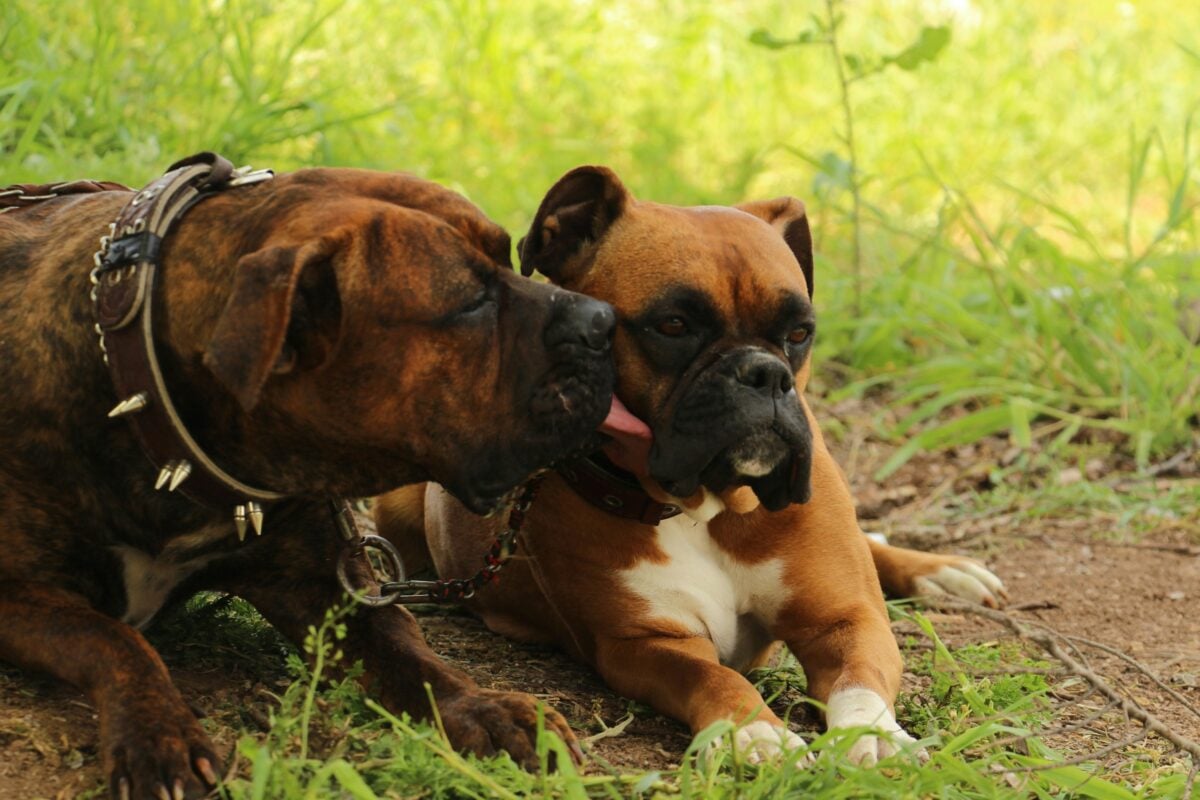
Credit: www.caninejournal.com
Social Bonding
Dogs groom each other for many reasons, but one of the main reasons is social bonding. Grooming helps dogs build trust and friendship. It creates a feeling of safety and comfort among them. This behavior is seen often in dogs that live together or in groups. It shows they care for each other and want to stay close.
Strengthening Pack Ties
Grooming helps dogs feel like part of a group. It is a way to show loyalty and friendship. By cleaning each other, dogs confirm their place in the pack. This strengthens their bond and helps them work as a team. Dogs that groom often have better relationships and less stress.
Reducing Aggression
Grooming lowers tension between dogs. It helps calm down feelings of anger or fear. When dogs groom each other, they send a message of peace. This reduces fights and arguments within the group. Grooming keeps the pack peaceful and happy.
Hygiene Benefits
Dogs groom each other for many reasons. One important reason is hygiene. Grooming helps keep dogs clean and healthy. It removes dirt and parasites that can harm them. It also helps stop skin problems. This natural behavior is part of how dogs care for each other.
Removing Dirt And Parasites
Dogs often get dirt on their fur from playing outside. Grooming each other helps remove this dirt. Their tongues and teeth reach spots hard to clean alone. Parasites like fleas and ticks hide in fur. Grooming helps find and remove these pests quickly. This reduces irritation and discomfort. It also lowers the chance of parasites spreading.
Preventing Skin Infections
Cleaning the skin stops bacteria from growing. Grooming removes dead skin and oils that cause infections. It helps wounds heal faster by keeping them clean. Dogs licking each other’s skin can spot problems early. This care lowers the risk of serious skin diseases. Healthy skin means a happier, more active dog.
Stress Relief
Dogs often groom each other to ease stress. This behavior helps them feel calm and safe. Grooming is more than cleaning; it soothes nerves and builds trust. When dogs lick or nibble a friend, they create a peaceful moment. This act lowers their stress and helps them relax.
Calming Effects Of Grooming
Grooming triggers the release of feel-good chemicals in dogs’ brains. These chemicals reduce tension and create a sense of calm. The gentle touch and repetitive motion help quiet their minds. Stress levels drop as grooming continues. This calming effect benefits both dogs involved.
Comfort In Anxiety
Dogs use grooming to comfort anxious friends. The close contact provides warmth and reassurance. It signals safety and care during nervous times. Grooming distracts dogs from fears and worries. This simple act helps them cope with anxiety better.
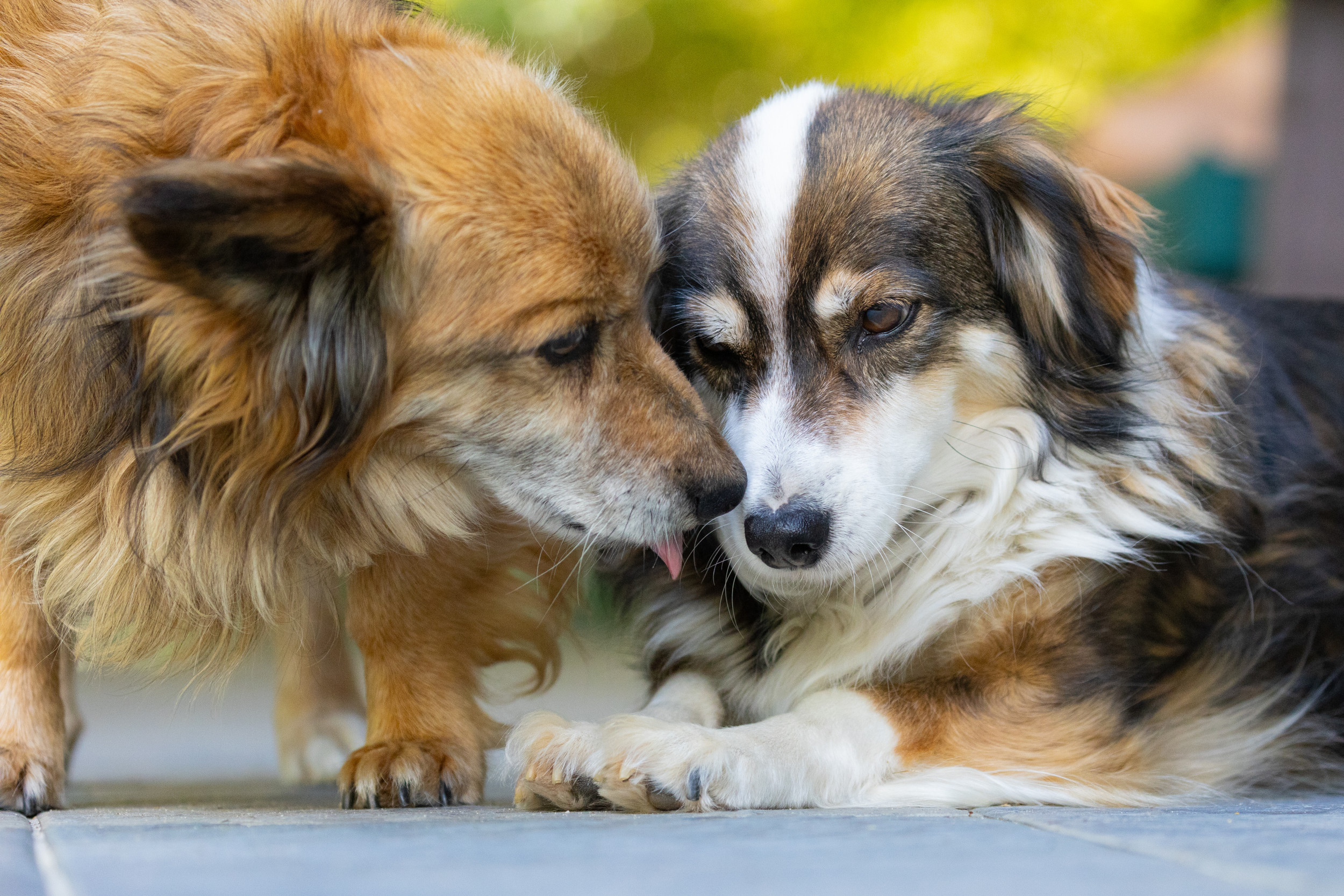
Credit: www.newsweek.com
Communication Signals
Dogs use grooming to send important messages to each other. This behavior is more than just cleaning. It helps dogs share feelings and social rules. Grooming acts as a silent language. Dogs show who they trust and respect through grooming. It helps keep peace and order in their group.
Expressing Affection
Grooming is a way dogs show love. Licking and nibbling help build strong bonds. It makes dogs feel safe and happy. This act calms nervous or stressed dogs. Grooming shows care without words. It is a gentle way to say, “I like you.”
Establishing Hierarchy
Dogs use grooming to set social ranks. Lower-ranked dogs often groom higher-ranked ones. This shows respect and acceptance of roles. Higher-ranked dogs may groom less or not at all. Grooming helps avoid fights by making roles clear. It keeps the group balanced and peaceful.
Instinctual Behavior
Dogs groom each other because it is a natural, instinctual behavior. This action helps build bonds and keeps them clean. Grooming is not just about hygiene. It also plays a key role in social life and communication among dogs. Understanding why dogs groom each other begins with looking at their instincts.
Inherited From Wild Ancestors
Dogs inherited grooming habits from their wild ancestors. Wolves and wild dogs groom to remove dirt and parasites. It also helps keep the pack healthy and close. Grooming signals trust and friendship in the wild. This behavior passed down through generations to domestic dogs. It remains a strong part of their nature today.
Grooming In Early Puppyhood
Puppies start grooming early in life. Mother dogs lick their pups to clean and comfort them. This early grooming helps puppies feel safe and loved. As puppies grow, they learn to groom each other. This practice strengthens social bonds and teaches good behavior. Early grooming sets the foundation for healthy relationships.
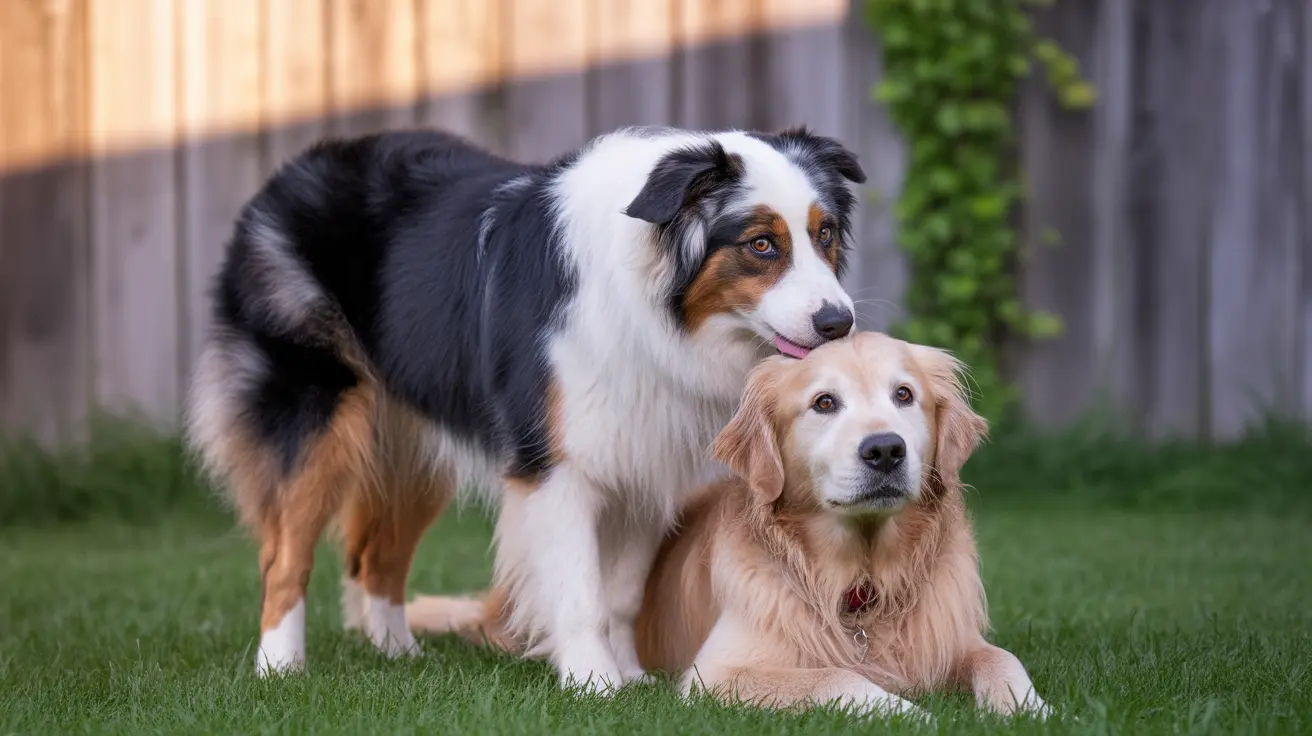
Credit: www.petscare.com
Health Monitoring
Dogs grooming each other helps them stay healthy. It is a way they check each other’s bodies. This behavior allows them to find problems early. They can spot wounds, parasites, or other issues. Catching these early helps prevent bigger problems.
Detecting Wounds Or Parasites
Dogs use grooming to feel for cuts or scrapes on the skin. They also look for bugs like fleas or ticks. These parasites can cause itching and illness. By licking and nibbling, dogs find these hidden pests. This helps keep their group safe and clean.
Encouraging Healing
Grooming helps wounds heal faster. Dogs lick small cuts to clean them. Their saliva has substances that fight germs. This reduces infection risk and soothes pain. Gentle grooming also calms the injured dog. It supports recovery and comfort.
Frequently Asked Questions
Why Do Dogs Groom Each Other Frequently?
Dogs groom each other to build social bonds and show affection. Grooming also helps remove dirt and parasites. It strengthens their pack hierarchy and reduces stress, promoting group harmony and trust among dogs.
How Does Grooming Benefit A Dog’s Health?
Grooming removes dirt, dead skin, and parasites, improving skin and coat health. It also prevents infections and promotes circulation. Regular grooming supports a dog’s overall hygiene and well-being.
Does Grooming Help Reduce Dog Anxiety?
Yes, grooming lowers stress by releasing endorphins and promoting relaxation. Mutual grooming strengthens trust and comfort between dogs, reducing anxiety and aggressive behavior.
Is Grooming A Way Dogs Communicate?
Absolutely. Grooming conveys friendliness, submission, and reassurance. It helps maintain peaceful relationships and signals social status within the pack.
Conclusion
Dogs groom each other to show care and build trust. This behavior helps keep them clean and healthy. It also strengthens their social bonds and reduces stress. Grooming is a natural way dogs communicate and feel safe. Watching dogs groom can teach us a lot about their feelings.
Understanding this helps us appreciate their close friendships. It reminds us how important connection is for all animals. Simple, natural, and full of meaning.


