

Have you ever wondered if it’s possible to crate train an adult dog? Maybe you’ve heard that crate training only works with puppies, or you’re worried your older dog won’t take to it.
The truth is, crate training can be a game-changer for dogs of any age—and for you. Imagine giving your dog a safe space to relax while making your home life easier and less stressful. You’ll discover simple, effective steps to crate train your adult dog, no matter their background or habits.
Keep reading, because your dog’s new favorite spot might be just a few tips away.
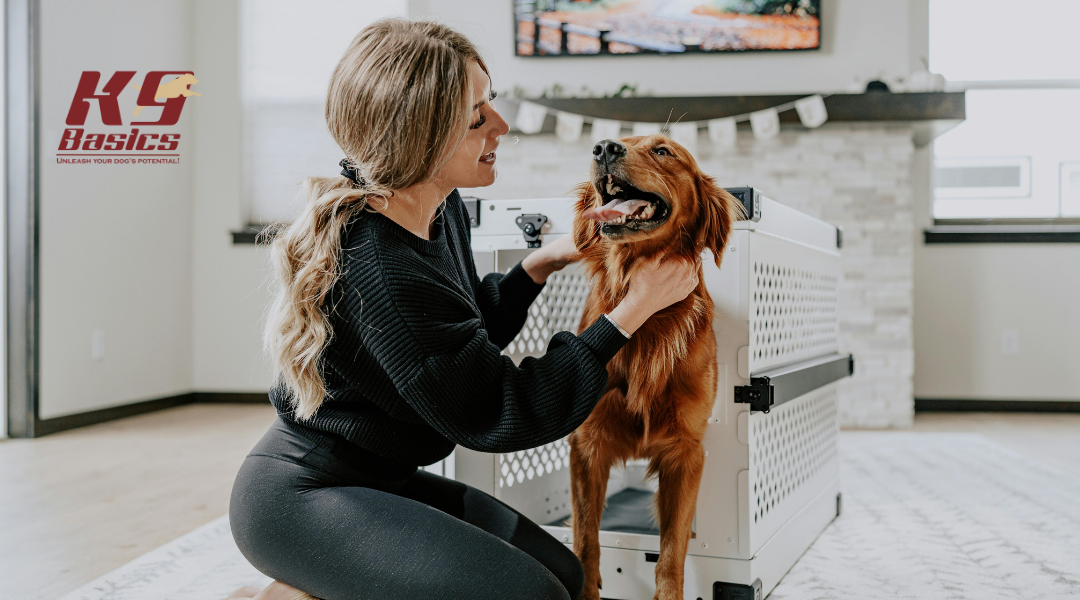
Credit: k9basics.com
Benefits Of Crate Training
Crate training offers many benefits for adult dogs. It creates a safe space that dogs can call their own. It helps with housebreaking and controls unwanted behavior. Many dog owners find crate training a helpful tool for daily life.
Safety And Security
A crate gives dogs a quiet place to rest. It protects them from dangers at home. Dogs feel calm and less stressed in their crate. This sense of security improves their overall happiness.
Housebreaking Aid
Crates help teach dogs to hold their bladder. Dogs avoid soiling their sleeping area. This speeds up the potty training process. Owners see fewer accidents around the house.
Behavior Management
Crate training limits destructive habits like chewing. It helps dogs learn self-control. Owners can manage separation anxiety more easily. The crate becomes a positive space, not a punishment.
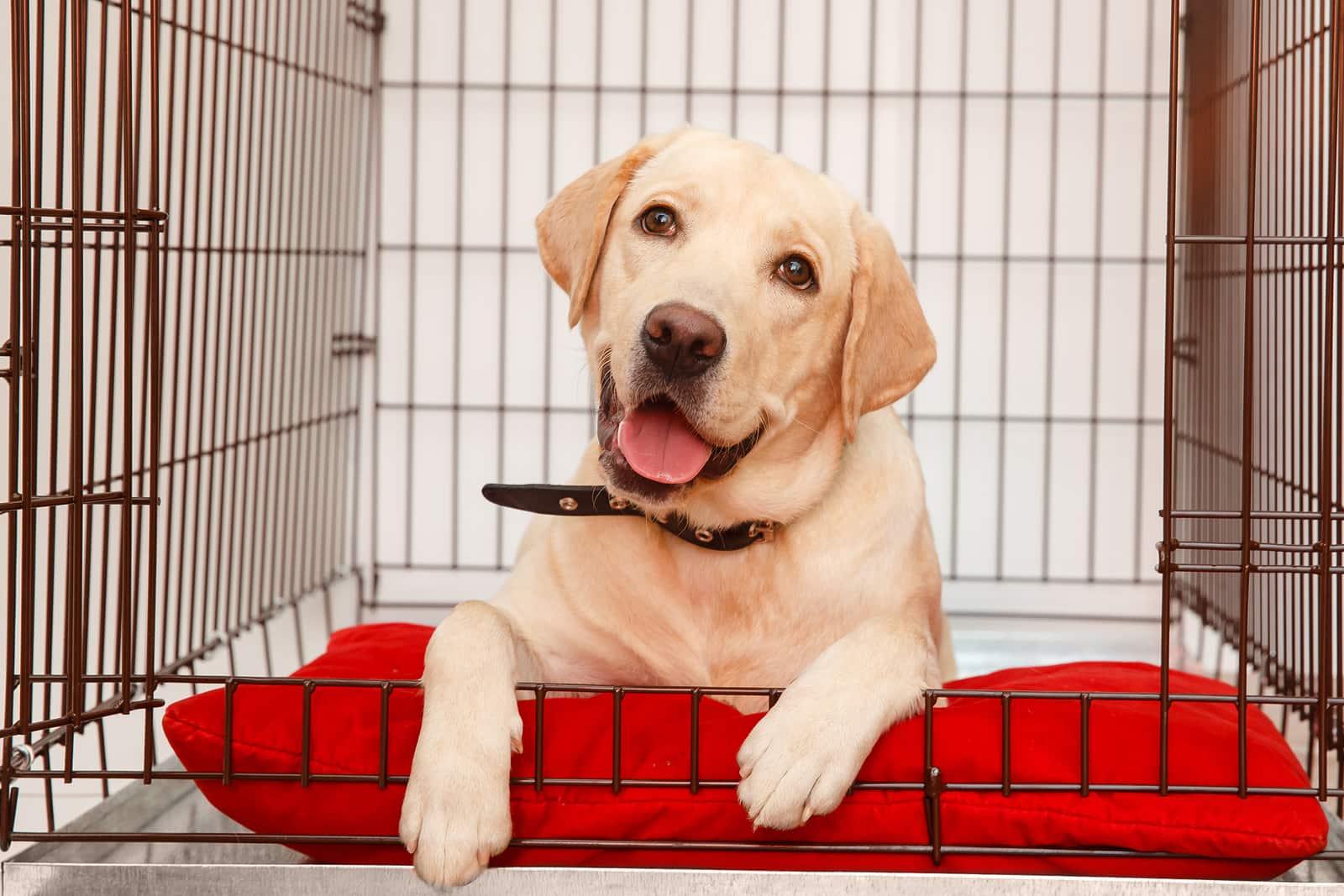
Credit: www.hillspet.com.au
Challenges With Adult Dogs
Training an adult dog to use a crate has its own set of challenges. These challenges often differ from training a puppy. Understanding these difficulties helps you stay patient and realistic. The process may take more time and effort.
Previous Habits
Adult dogs have habits that may be hard to change. They might have never used a crate before. Some dogs may have had bad experiences with crates. These past habits can slow down training. Patience and consistency are key to helping them adjust.
Anxiety And Resistance
Many adult dogs feel anxious about crates. They may resist going inside at first. This fear can come from being confined or alone. Signs include whining, barking, or scratching the crate. Gentle encouragement and a calm approach reduce anxiety.
Adjusting Expectations
Expect progress to be slow with adult dogs. They need time to learn new routines. Celebrate small wins like entering the crate calmly. Avoid forcing the dog inside. Setting realistic goals helps keep the training positive and effective.
Choosing The Right Crate
Choosing the right crate is key to successful crate training for an adult dog. The crate must feel safe and inviting. It should match your dog’s size and personality. Comfort and convenience also matter. The right crate helps your dog settle quickly and reduces stress.
Size And Comfort
Pick a crate big enough for your dog to stand, turn, and lie down. Too small feels cramped and causes discomfort. Too large can make your dog feel unsafe. Soft bedding makes the crate cozy. Avoid bulky padding that limits space. Comfort encourages your dog to stay calm inside.
Material Options
Crates come in wire, plastic, and fabric. Wire crates offer good airflow and visibility. They are sturdy but less private. Plastic crates feel more enclosed and cozy. Ideal for travel or shy dogs. Fabric crates are lightweight and portable. Best for calm dogs who don’t chew. Choose the material that suits your dog’s habits and needs.
Placement Tips
Place the crate in a quiet, low-traffic area. Avoid noisy spots or direct sunlight. A spot near family helps your dog feel less lonely. Keep the crate on a flat, stable surface. Add a blanket or toy nearby for comfort. Good placement helps your dog accept the crate faster.
Step-by-step Crate Training
Crate training an adult dog takes patience and clear steps. This process helps your dog feel safe and comfortable in the crate. It builds trust and good habits. Follow these steps carefully to crate train your adult dog successfully.
Introducing The Crate
Place the crate in a quiet, familiar room. Leave the door open so your dog can explore. Put soft bedding inside for comfort. Encourage your dog with gentle words and treats near the crate. Let your dog enter and exit freely at first.
Positive Associations
Feed your dog meals inside the crate to create good feelings. Give treats and praise when your dog goes near or inside. Use favorite toys inside the crate to make it inviting. Avoid forcing your dog inside. Make the crate a happy place only.
Gradual Increase In Duration
Start by closing the crate door for a few seconds. Stay nearby and speak calmly to your dog. Slowly increase the time your dog spends inside with the door closed. Avoid long periods at first to prevent stress. Always reward calm behavior after each session.
Handling Common Issues
Crate training an adult dog can come with some challenges. These common issues need patience and clear steps. Handling these problems helps your dog feel safe and comfortable. It also builds trust between you and your pet. Understanding the root of each problem is key.
Dealing With Whining
Whining is a common sign of discomfort or stress in crates. Dogs may whine because they want attention or need to go outside. Ignore whining if it is just for attention. Respond quickly if your dog needs to relieve itself. Use calm and gentle words to reassure your dog. Avoid letting your dog out when whining to prevent bad habits.
Preventing Escape Attempts
Escape attempts happen when dogs feel trapped or scared. Check that the crate is the right size and comfortable. Add soft bedding and a favorite toy inside. Lock the crate securely but avoid causing fear. Practice short crate times first, then increase slowly. Reward your dog for staying calm and inside the crate.
Managing Anxiety
Crate anxiety can make dogs nervous or restless. Start with short sessions near the crate door open. Use treats and praise to create positive feelings. Avoid forcing your dog inside. Create a quiet, safe space around the crate. Consider calming aids or consult a vet if anxiety is strong.
Speeding Up The Process
Speeding up crate training for an adult dog requires patience and smart strategies. Adult dogs may take longer to adjust than puppies. Using clear and consistent methods helps your dog learn faster. Small steps and positive experiences make the process smoother. Focus on building trust and comfort with the crate every day.
Consistency And Routine
Keep a regular schedule for crate time. Use the crate at the same times daily. This helps your dog expect and accept the crate. Avoid sudden changes that can confuse your dog. Consistent commands and gentle encouragement build good habits. Routine makes the crate feel like a safe space.
Using Treats And Toys
Offer tasty treats inside the crate. Treats create a positive link with the crate. Choose small, healthy snacks your dog loves. Place toys in the crate to keep your dog busy. Toys provide comfort and distraction during crate time. Reward calm and quiet behavior to encourage patience.
Incorporating Exercise
Give your dog plenty of exercise before crate time. A tired dog adjusts to the crate more easily. Walks and playtime help release energy and reduce stress. Exercise makes your dog ready to rest quietly. Balance activity and rest to promote good crate habits.
When To Seek Professional Help
Crate training an adult dog can be challenging. Sometimes, the dog shows signs of stress or fear that are hard to manage alone. Knowing when to seek professional help can save time and protect your dog’s well-being. Early intervention leads to better results and a happier pet.
Signs Of Severe Anxiety
Watch for constant barking or howling inside the crate. Chewing or scratching at the crate door often means distress. If your dog urinates or defecates in the crate despite training, anxiety could be the cause. Shaking, drooling, or refusing to enter the crate are also warning signs. These behaviors suggest your dog needs more help than basic training.
Consulting Trainers
Professional trainers understand dog behavior and crate training techniques. They can create a plan tailored to your dog’s needs. Trainers teach you how to build trust and reduce anxiety. Sessions often include step-by-step guidance and hands-on support. Trainers also help with consistent routines to improve crate acceptance.
Considering Behaviorists
Behaviorists specialize in complex emotional and psychological issues in dogs. They assess your dog’s anxiety and fears deeply. Behaviorists use science-based methods to change harmful behaviors. They may suggest therapy, medication, or special training approaches. Consulting a behaviorist is vital if severe anxiety affects your dog’s daily life.

Credit: www.ammothedachshund.com
Frequently Asked Questions
Can You Crate Train An Adult Dog Successfully?
Yes, you can successfully crate train an adult dog. With patience and consistency, most adult dogs adapt well to crate training.
How Long Does Crate Training Take For Adult Dogs?
Crate training duration varies but typically takes 1 to 3 weeks. Consistent routines and positive reinforcement speed up the process.
What Are The Benefits Of Crate Training Adult Dogs?
Crate training offers safety, reduces anxiety, aids housebreaking, and prevents destructive behavior in adult dogs. It creates a secure space for them.
How To Introduce A Crate To An Adult Dog?
Introduce the crate gradually with treats, toys, and positive praise. Make the crate inviting and never use it for punishment.
Conclusion
Crate training an adult dog takes time and patience. Start slow and keep sessions short. Use treats and praise to encourage good behavior. Expect some setbacks; they are part of the process. Consistency helps your dog feel safe and comfortable.
Each dog learns at its own pace. With care, most adult dogs can enjoy crate training. A crate becomes a cozy, trusted space for your pet. Remember, kindness and routine make the biggest difference. Keep trying—you and your dog will succeed together.


