

Is your dog constantly barking at other dogs during walks or playtime? It can be frustrating and exhausting for both you and your furry friend.
But imagine turning those noisy moments into calm, controlled encounters that make every outing enjoyable. You’re about to discover simple, effective ways to train your dog not to bark at other dogs. By following these easy steps, you’ll build a stronger bond with your pet and bring peace back to your daily routine.
Keep reading, because the solution to your barking problem is closer than you think.
Reasons Dogs Bark At Others
Dogs bark at other dogs for many reasons. Barking is a natural way for dogs to communicate. Understanding why your dog barks helps in training them to stop. Each dog may have different triggers for barking. Knowing these reasons makes training easier and more effective.
Territorial Behavior
Dogs see their home as their territory. They bark to protect it from strangers or other dogs. Barking warns others to stay away. This behavior is common in many dogs. It shows their need to guard their space.
Fear And Anxiety
Some dogs bark because they feel scared. Other dogs may seem like a threat to them. Barking is a way to express fear or stress. An anxious dog uses barking to feel safer. Recognizing fear helps you calm your dog down.
Excitement And Playfulness
Dogs also bark when they are happy. Meeting other dogs can be exciting. Barking shows their joy and eagerness to play. This type of barking is usually high-pitched. It means your dog wants fun, not trouble.
Lack Of Socialization
Dogs that are not used to other dogs bark more. They do not know how to act around others. Barking is their way to deal with the unknown. Socializing your dog reduces this kind of barking. It helps them feel comfortable with new dogs.
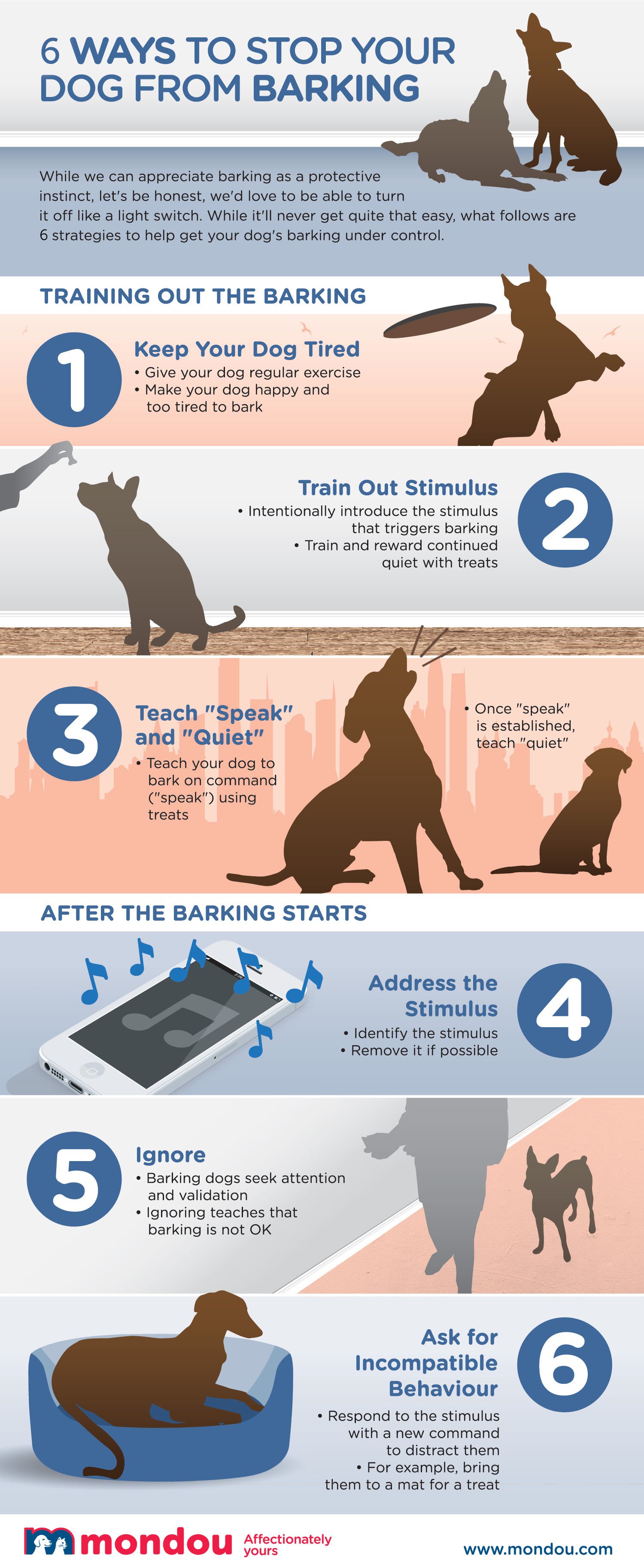
Credit: vermontmarblemuseum.org
Recognizing Triggers
Recognizing what makes your dog bark at other dogs is the first step to control it. Dogs bark for many reasons. Understanding these triggers helps you respond better. It also makes training more effective.
Identifying Barking Patterns
Watch your dog closely. Notice when the barking starts and stops. Does it happen at a distance or nearby? Is the barking loud or soft? Does your dog bark in short bursts or long spells? These details form a pattern. Patterns reveal your dog’s feelings and reactions.
Common Situations That Cause Barking
Some places and moments make dogs bark more. Your dog may bark when meeting new dogs. Passing dogs on a walk can trigger barking. Dogs may bark at dogs behind fences. Loud or sudden movements also cause barking. Knowing these situations helps you prepare your dog.
Basic Obedience Training
Basic obedience training builds a strong foundation for your dog’s behavior. It teaches your dog to listen and respond to commands. This training helps control barking at other dogs. Clear rules and simple commands make your dog calmer and more focused.
Teaching ‘quiet’ Command
Start by letting your dog bark naturally. Say “Quiet” in a calm, firm voice. Wait a few seconds until your dog stops barking. Praise your dog and give a treat. Repeat this often to help your dog understand the command. Keep sessions short and clear. Consistency helps your dog learn faster.
Using Positive Reinforcement
Reward good behavior immediately. Use treats, petting, or kind words. Positive reinforcement encourages your dog to repeat good actions. Avoid punishment, as it can cause fear or confusion. Praise your dog when it stays calm near other dogs. This method helps build trust and good habits.
Consistent Training Sessions
Train your dog regularly at the same time each day. Short sessions, about 5 to 10 minutes, work best. Practice in different places to help your dog adapt. Keep your commands clear and simple. Regular practice makes good behavior a habit. Patience and repetition are keys to success.

Credit: www.petdoors.com
Desensitization Techniques
Desensitization techniques help dogs stay calm around other dogs. These methods reduce fear and excitement that cause barking. Training involves slow, controlled steps to change your dog’s reaction.
Controlled Exposure To Other Dogs
Start by exposing your dog to other dogs in a safe way. Use a leash and keep your dog at a distance. Let your dog see other dogs but not get too close. This helps your dog get used to their presence without feeling threatened.
Gradual Increase In Distance
Slowly decrease the distance between your dog and other dogs. Move closer only when your dog stays calm. If your dog starts barking, increase the distance again. This gradual approach helps build confidence and reduces stress.
Rewarding Calm Behavior
Praise and give treats when your dog remains calm near other dogs. Rewards teach your dog that quiet behavior is good. Use treats right after calm moments to create a strong connection. This encourages your dog to stay calm more often.
Counter-conditioning Methods
Counter-conditioning methods help change a dog’s emotional response to other dogs. These techniques teach dogs to feel calm and happy instead of anxious or aggressive. The key is to replace negative feelings with positive ones. This process requires patience and consistency.
Associating Other Dogs With Positive Experiences
Start by keeping your dog at a safe distance from other dogs. At this distance, your dog should feel relaxed. Gradually bring other dogs closer while watching your dog’s reaction. Pair the presence of other dogs with something your dog likes. This helps your dog link other dogs with good feelings. Over time, your dog may stop barking and stay calm.
Using Treats And Praise
Use treats to reward calm behavior around other dogs. Give treats the moment your dog notices another dog without barking. Praise your dog with a happy voice and gentle petting. This shows your dog that quiet and calm bring rewards. Avoid giving treats or attention when your dog barks. Consistent rewards help your dog learn better habits.
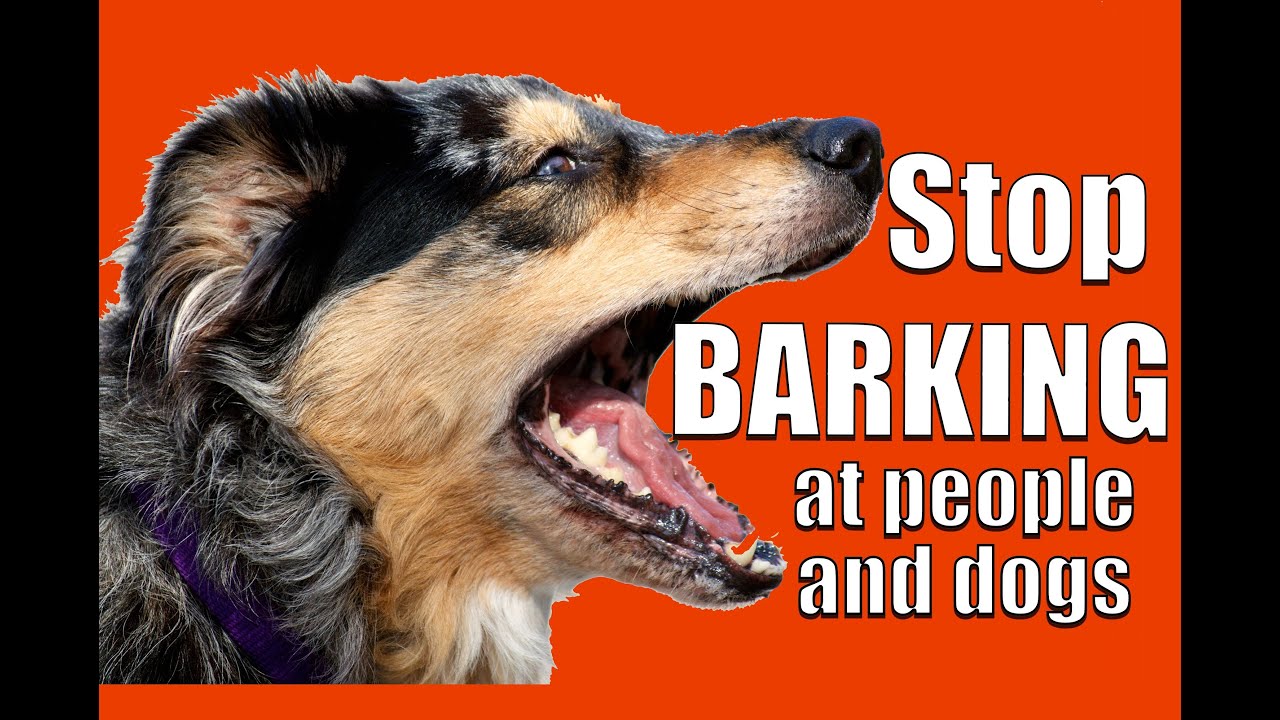
Credit: www.youtube.com
Managing Walks And Encounters
Managing walks and encounters plays a key role in training dogs not to bark at other dogs. Controlling the environment helps reduce your dog’s stress and excitement. It also supports better behavior during walks. Small changes in your route and approach can make a big difference. Consistent practice in calm settings builds good habits over time.
Choosing Less Crowded Routes
Pick walking paths with fewer dogs and people. Quiet streets or parks work well. This lowers the chance of your dog meeting others. Fewer encounters mean less reason to bark. It also helps your dog stay calm. Over time, your dog learns that walks are safe and peaceful.
Using Leash Control Effectively
Hold the leash firmly but calmly. Keep your dog close without pulling. This gives you better control during encounters. A short leash helps guide your dog away from triggers. Use gentle pressure to redirect attention. Clear leash signals teach your dog to focus on you, not other dogs.
Avoiding Confrontational Situations
Steer clear of places where dogs often fight or bark loudly. Spot signs of tension early and change direction. Do not force your dog into uncomfortable encounters. Watch your dog’s body language carefully. Avoiding conflict helps prevent barking from becoming a habit. Your dog stays relaxed and learns better behavior.
When To Seek Professional Help
Training a dog not to bark at other dogs can be tough. Sometimes, the behavior is too strong or complicated for an owner to handle alone. Knowing when to seek professional help is important. It can keep your dog safe and improve their behavior faster.
Signs Of Aggression
Barking is normal, but watch for signs of aggression. Growling, lunging, or showing teeth are warning signs. If your dog’s bark turns into snapping or biting, it is serious. Aggression can lead to injuries or legal problems. These behaviors need immediate attention from an expert.
Consulting A Trainer Or Behaviorist
A professional dog trainer or behaviorist understands dog behavior deeply. They use special techniques to reduce barking and aggression. Trainers create a plan that fits your dog’s needs. They teach you how to manage and change your dog’s reactions. This support can make training easier and more effective. Don’t wait too long to get help if your dog struggles.
Maintaining Long-term Results
Maintaining long-term results is key to stopping your dog from barking at other dogs. Training does not end with a few sessions. Consistency and attention keep progress steady. Your dog learns best with steady routines and clear signals. Staying patient and committed helps your dog stay calm around others.
Regular Practice And Reinforcement
Practice training exercises daily to keep skills sharp. Use commands your dog knows well. Reward calm behavior with treats or praise. Avoid punishment, as it can cause fear or confusion. Make training fun and short to hold your dog’s attention. Repeating lessons helps your dog remember what to do. Reinforcement makes good behavior a habit, not a one-time act.
Monitoring Behavior Changes
Watch your dog’s reactions during walks and playtime. Notice signs of stress or excitement early. Adjust your training to meet new challenges. Keep a journal of your dog’s progress. This helps spot patterns and triggers. Early detection stops bad habits from returning. Ask a trainer or vet for advice if needed. Staying aware ensures lasting calmness around other dogs.
Frequently Asked Questions
How Can I Stop My Dog From Barking At Other Dogs?
Use consistent training with commands like “quiet” and reward calm behavior. Socialize your dog gradually with other dogs to reduce reactivity.
Why Does My Dog Bark At Other Dogs Aggressively?
Dogs bark aggressively due to fear, territorial instincts, or lack of socialization. Understanding triggers helps tailor effective training methods.
What Are Effective Training Techniques For Barking Control?
Positive reinforcement, distraction, and desensitization are key. Use treats and praise when your dog remains calm near other dogs.
How Long Does It Take To Train A Dog Not To Bark?
Training duration varies by dog’s age and temperament. Consistent daily sessions over weeks usually show noticeable improvement.
Conclusion
Training dogs not to bark at other dogs takes patience and practice. Consistency helps your dog learn good behavior faster. Reward calm actions to encourage quiet moments. Avoid yelling, as it can make barking worse. Small steps lead to big improvements over time.
Stay calm and positive during each training session. Your dog will grow more comfortable around others. Enjoy the progress and celebrate each success. This effort builds a happier, calmer dog for life.

