

Have you ever wondered why your dog tilts its head or suddenly starts wagging its tail? Understanding dog behaviors can unlock the secrets to your furry friend’s feelings and needs.
When you learn to read these signs, your bond grows stronger, and your dog feels happier and more secure. Keep reading to discover the surprising reasons behind common dog actions and how you can respond in ways that make your pet thrive.
This knowledge will change the way you see your dog forever.

Credit: thepetlabco.com
Common Dog Behaviors
Dogs communicate a lot without words. Their behaviors show feelings and thoughts. Understanding common dog behaviors helps build a stronger bond. It also keeps your dog happy and safe.
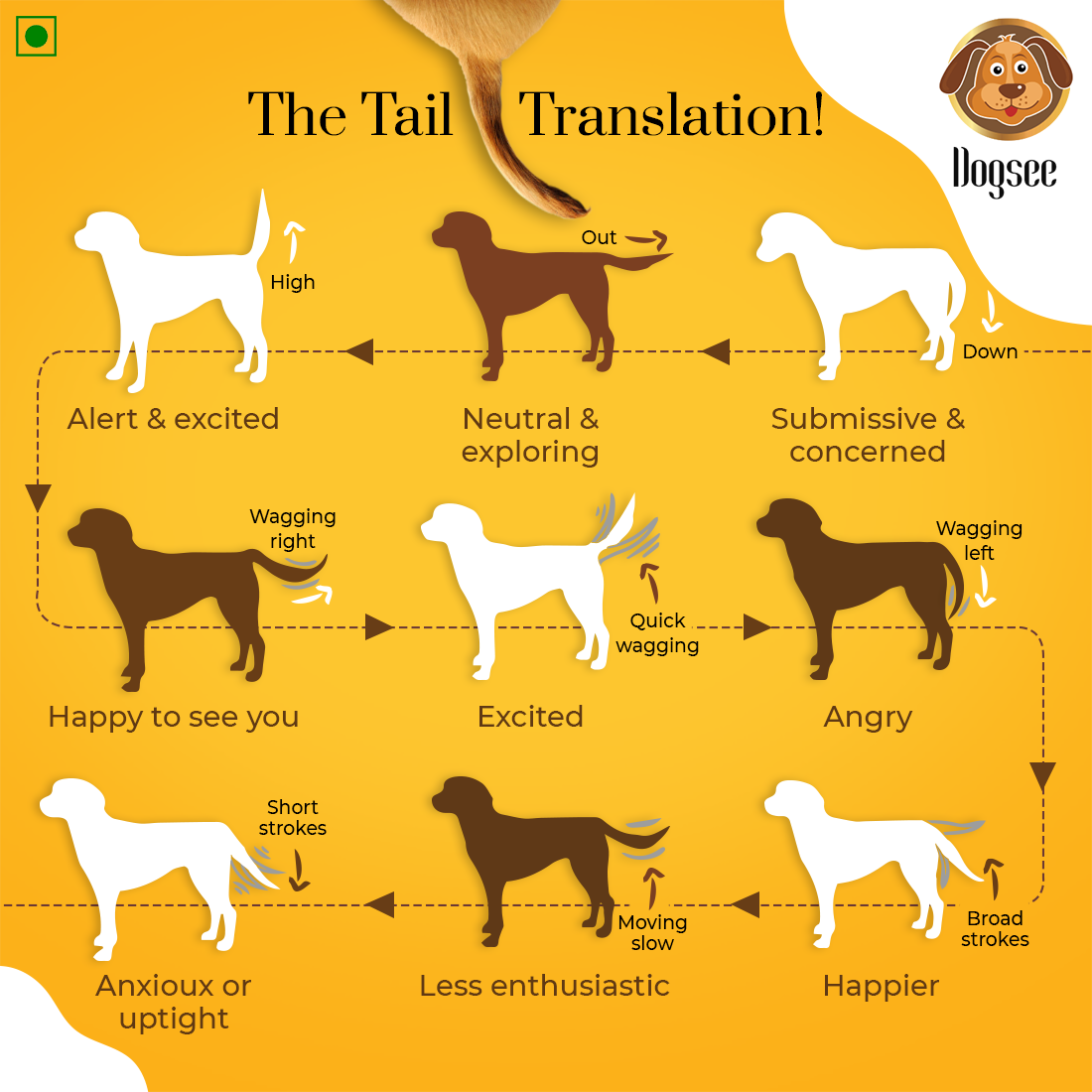
Tail Wagging Meanings
Tail wagging is not always a sign of happiness. A fast wag usually means excitement. A slow wag can show caution or insecurity. When the tail is low and wagging, the dog may feel nervous. A high, stiff tail with wagging shows alertness or confidence. Watch the whole body for clearer meaning.
Barking Patterns
Dogs bark for many reasons. Short, quick barks often mean alert or warning. Long, loud barks can signal distress or demand attention. A high-pitched bark might show excitement or playfulness. Growling mixed with barking means the dog feels threatened. Understanding these patterns helps respond properly to your dog’s needs.
Body Language Cues
Body language tells a lot about a dog’s mood. Relaxed ears and soft eyes mean calmness. Stiff posture and raised hackles signal fear or aggression. A dog licking its lips or yawning may feel stressed. Rolling over and showing the belly shows trust or submission. Always watch eyes, ears, and tail for full meaning.
Credit: www.dogseechew.in
Unexpected Signs Dogs Show
Dogs often show signs that surprise us. These signs are ways they communicate feelings and thoughts. Understanding these helps build a stronger bond with your pet.
Some behaviors seem strange but have clear meanings. Paying attention to these signs can improve how you care for your dog. Let’s explore some unexpected signals dogs use.
Yawning As Communication
Yawning is not just about being tired. Dogs yawn to calm themselves and others. It shows they feel stressed or want to avoid conflict. Seeing your dog yawn during a walk means they may feel uneasy.
Yawning can also signal empathy. Dogs sometimes yawn when their owner yawns. This shows a close connection and understanding between dog and human.
Licking Habits Explained
Licking is more than a way to clean. Dogs lick to show affection and respect. It can mean they want attention or feel comforted. Excessive licking might signal anxiety or health issues.
When a dog licks your face, it often means love. They use licking to build trust and express friendship. Watching your dog’s licking habits helps you know their mood.
Head Tilting Reasons
Head tilting is a charming and puzzling behavior. Dogs tilt their heads to better hear sounds. It helps them understand words or noises. This action also shows curiosity and attention.
Sometimes dogs tilt their heads to see better. The movement changes their view and focus. It is a way to process new information or check something unusual.
Emotions Behind Dog Actions
Dogs express their feelings through actions and body language. Understanding these emotions helps build trust and a stronger bond. Every movement or sound from a dog tells a story about what it feels inside.
Recognizing the emotions behind dog actions can improve communication. It also helps prevent misunderstandings and stress for both dogs and owners.
Stress Signals
Dogs show stress in many ways. Panting, yawning, and licking lips often mean discomfort. Some dogs avoid eye contact or tuck their tails. These signs warn that a dog feels uneasy or overwhelmed.
Watching these signals early can prevent bigger problems. Giving dogs space or calming them can reduce stress quickly.
Happiness Indicators
A happy dog wags its tail with a relaxed body. Bright eyes and playful behavior are good signs. Some dogs jump or spin to show excitement. Soft barks or gentle whining also express joy.
Recognizing happiness helps owners give more positive attention. This strengthens the bond and encourages good behavior.
Fear And Anxiety Signs
Fear makes dogs freeze or try to hide. Shaking, trembling, or whining often happen too. Some dogs growl or snap if scared. Ears pinned back and wide eyes are clear signals.
Knowing these signs helps owners act gently. Avoiding scary situations or creating safe spaces is important.
Behavior Changes To Watch
Dogs show changes in behavior for many reasons. These changes can signal health or emotional issues. Watching for shifts helps you understand your dog better. Early spotting of behavior changes can prevent bigger problems. Below are key behavior changes to watch closely in your dog.
Sudden Aggression
A calm dog may become aggressive without clear cause. Growling, biting, or snapping are signs to note. Sudden aggression can mean pain or fear. It might also point to stress or illness. Act quickly to find the cause and keep everyone safe.
Withdrawal Symptoms
Dogs that avoid people or stop playing show withdrawal. They may hide or lose interest in usual activities. Withdrawal can signal sadness, anxiety, or sickness. Watch for less eating or sleeping changes too. Gentle care and vet checks help your dog heal.
Unusual Play Styles
Play is a key way dogs show mood. Changes in play style can reveal discomfort or boredom. Rough or too quiet play might mean something is wrong. New or odd play behaviors need attention. Understanding these changes keeps your dog happy and healthy.
Improving Communication With Your Dog
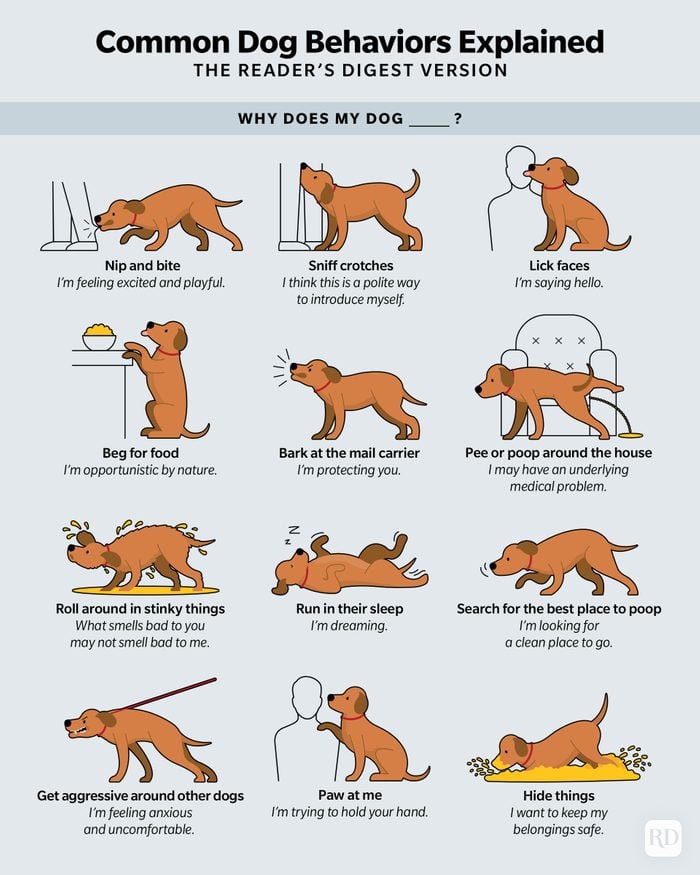
Improving communication with your dog builds trust and happiness. Understanding each other makes life easier. Dogs use many signals to share feelings and needs. Learning these signals helps you respond better. This section explains how to read signals, meet needs, and grow closer.
Reading Subtle Signals
Dogs show feelings with body language and sounds. Watch ears, eyes, tail, and posture closely. A wagging tail can mean excitement or nervousness. Soft eyes and relaxed ears show calmness. Look for small signs like lip licking or yawning. These often mean your dog feels unsure or stressed. Reading these clues helps you understand your dog’s mood.
Responding To Needs
Dogs communicate needs through actions and noises. Barking may signal alert or boredom. Whining could mean discomfort or desire for attention. Meeting needs quickly prevents problems and builds trust. Give food, water, or bathroom breaks on time. Offer play or quiet time based on your dog’s mood. Responding well shows you care and pay attention.
Strengthening Your Bond
Good communication creates a strong, happy bond. Spend time together with walks and games. Use gentle tones and clear commands. Praise your dog for good behavior with treats or pats. Consistency helps your dog understand you better. The closer you become, the easier it is to talk and listen.
Credit: www.rd.com
Frequently Asked Questions
Why Do Dogs Wag Their Tails?
Dogs wag their tails to communicate emotions. A wagging tail often signals happiness or excitement. Tail position and speed can indicate different feelings. Understanding tail language helps interpret a dog’s mood accurately.
What Causes Dogs To Bark Excessively?
Excessive barking may stem from boredom, anxiety, or alertness. Dogs use barking to communicate. Training and exercise can reduce excessive barking. Identifying triggers helps manage this behavior effectively.
How Do Dogs Show Affection?
Dogs show affection through licking, nuzzling, and following owners. They may bring toys or lean on people. These behaviors indicate trust and bonding. Recognizing these signs strengthens your relationship with your dog.
Why Do Dogs Chew On Things?
Chewing is a natural behavior for dogs to explore and relieve teething pain. It also helps reduce stress and boredom. Providing appropriate chew toys can prevent damage to household items.
Conclusion
Understanding dog behaviors helps build a stronger bond. Dogs use actions to share feelings and needs. Watching their signals makes care easier and happier. Every dog is unique, so stay patient and kind. Enjoy learning and growing with your furry friend.
Trust, love, and respect create a happy home. Keep observing, and your dog will feel safe. This knowledge makes life better for both of you.


