

Have you ever thought about turning your love for dogs into a rewarding career? Becoming a therapy dog trainer lets you do just that.
You get to help dogs become calm, comforting companions for people who need them most. But how do you start? What skills do you need? This guide will walk you through the simple steps to become a successful therapy dog trainer.
Keep reading, and you’ll discover how to make a real difference—for both dogs and people.
Therapy Dog Trainer Role
A therapy dog trainer teaches dogs to support people in need. These trainers prepare dogs to visit hospitals, schools, and nursing homes. The role is about building trust between dogs and people. Trainers help dogs learn calm and friendly behaviors. They also ensure dogs can handle different environments safely.
This job requires patience and care. Trainers work closely with dogs and their owners. They guide dogs through exercises to develop good manners. The goal is to make dogs helpful and gentle companions. Every dog learns at its own pace, so trainers must adapt methods.
Key Responsibilities
Train dogs to respond calmly in public spaces. Teach dogs to stay relaxed around strangers. Assess dogs for suitable therapy work. Create training plans based on each dog’s needs. Support dog owners with training techniques. Monitor dogs’ behavior and progress. Ensure dogs follow safety and hygiene rules. Prepare dogs for therapy visits. Provide feedback to owners and organizations. Keep records of training sessions and outcomes.
Skills Required
Strong knowledge of dog behavior and training methods. Good communication skills with dogs and people. Patience to handle slow or nervous learners. Ability to observe and correct dog actions. Problem-solving skills to manage training challenges. Compassion for animals and people in therapy. Physical stamina to work with active dogs. Attention to detail in tracking progress. Confidence in teaching and guiding dog owners. Flexibility to adjust training plans as needed.
Qualities Of A Good Trainer
Becoming a good therapy dog trainer requires more than just knowing tricks. The right qualities help trainers connect with dogs and people. These traits create a positive learning space. They also build trust and patience during training sessions.
Patience And Empathy
Training therapy dogs takes time and calmness. Dogs learn at their own pace. A good trainer stays patient through challenges. Empathy helps trainers understand dogs’ feelings. It guides gentle and kind training methods.
Communication Skills
Clear communication is key for any trainer. Trainers must explain tasks simply to dogs and owners. Using clear signals and consistent commands helps dogs learn fast. Trainers also listen carefully to the needs of dogs and people. This skill strengthens teamwork.
Knowledge Of Canine Behavior
Understanding how dogs think and act is essential. Trainers recognize signs of stress or happiness in dogs. They know how to reward good behavior effectively. Knowledge of dog behavior helps prevent problems. It ensures training is safe and enjoyable.
Educational Pathways
Starting a career as a therapy dog trainer requires learning many skills. Education builds a strong foundation. It helps trainers understand dog behavior and training methods. Various educational paths offer practical knowledge and certifications. These paths prepare trainers to work with therapy dogs safely and effectively.
Choosing the right courses and attending workshops can improve training skills. Education also boosts confidence when handling different dogs. It opens doors to professional opportunities in therapy dog training.
Relevant Courses And Certifications
Courses about animal behavior, psychology, and training provide essential knowledge. Many schools offer programs focusing on dog training basics. Certification programs prove your skills and knowledge. They often include hands-on practice with dogs.
Look for certifications from recognized organizations. These show employers and clients you have formal training. Certified trainers often have better job prospects and trust from clients.
Workshops And Seminars
Workshops and seminars offer practical experience and new ideas. They often feature experts sharing real-world tips. Attending these events helps trainers stay updated on best practices.
Workshops may cover specific training techniques or therapy dog requirements. Seminars provide chances to ask questions and network with other trainers. These learning opportunities build skills and connect trainers to a community.
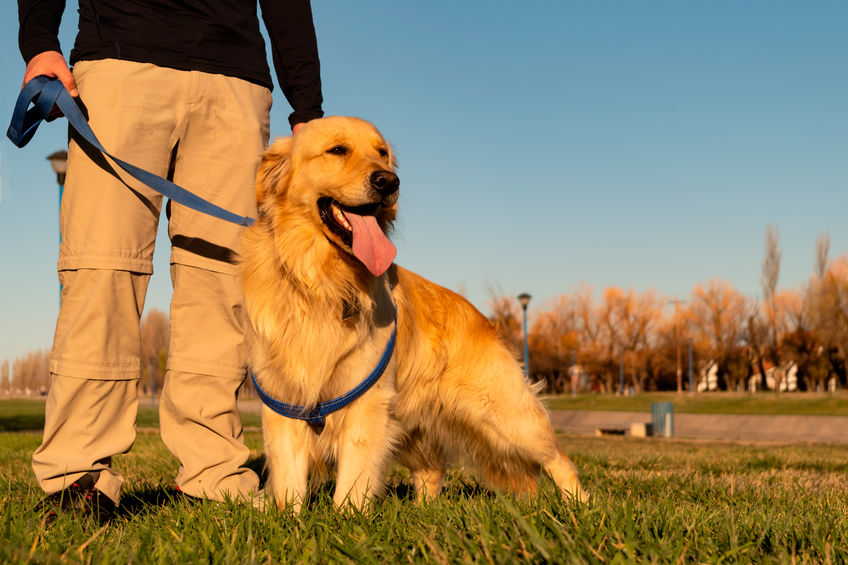
Credit: www.dogtrainercollege.us
Gaining Practical Experience
Gaining practical experience is a key step to become a therapy dog trainer. It helps you understand dog behavior and training techniques. Hands-on work builds your confidence and skills. This experience also shows future clients or employers your dedication.
Volunteering Opportunities
Volunteering at animal shelters or therapy dog organizations offers valuable experience. You get to work directly with dogs of different breeds and temperaments. This helps you learn how to handle various situations. You also observe how dogs respond to training and socialization. Volunteering builds your network with other trainers and animal lovers.
Internships With Professionals
Internships provide guided learning under expert trainers. They give you a chance to see professional methods in action. You practice training skills with real therapy dogs. These internships also teach you about client interactions and therapy settings. The experience helps prepare you for a career in therapy dog training.
Training Techniques For Therapy Dogs
Training a therapy dog requires patience and clear methods. These dogs must behave calmly and kindly in many situations. Trainers use specific techniques to prepare dogs for this special role. The training focuses on obedience, social skills, and good behavior. Each step builds trust and safety between the dog and people.
Basic Obedience Training
Start with simple commands like sit, stay, and come. The dog learns to follow directions quickly and without confusion. Consistency is key; use the same words and gestures every time. Practice in short sessions to keep the dog focused. Reward good behavior with treats or praise. This training lays the foundation for all other skills.
Socialization And Exposure
Expose the dog to different places and people. This helps the dog stay calm in new environments. Introduce the dog to children, adults, and other animals. Use gentle encouragement to prevent fear or aggression. Socialization prepares the dog for visits to hospitals and schools. The dog learns to be friendly and relaxed around strangers.
Behavioral Conditioning
Use positive reinforcement to shape good habits. Reward calm and gentle actions immediately. Ignore or redirect unwanted behaviors without harsh punishment. Teach the dog to handle distractions without losing focus. Regular practice helps the dog respond well in real therapy sessions. This method strengthens the bond between trainer and dog.
Certification And Licensing
Certification and licensing are key steps to become a therapy dog trainer. These steps prove your skills and help build trust with clients. They also ensure you follow the right rules and standards. Understanding certification and licensing will guide your career path clearly.
Choosing The Right Certification Program
Find a certification program that fits your goals and values. Look for programs recognized by therapy dog groups or animal organizations. Check if the program covers training methods, dog behavior, and safety. A good program offers hands-on practice with real dogs. This helps you gain confidence and skill.
Meeting Legal Requirements
Understand your local laws about therapy dog training. Some places need special licenses to work with animals professionally. Learn about rules for public access and liability. Keep your certifications up to date to stay legal. Following these rules protects you and the dogs you train.
Building A Client Base
Building a client base is a key step for therapy dog trainers. Without clients, your skills and services cannot reach those who need them. Creating a steady flow of clients helps grow your business and reputation. It also allows you to make a bigger impact in your community.
Finding clients takes effort and smart planning. You need to show people the value of therapy dog training. This means using marketing and networking to connect with the right groups. Let’s explore effective ways to build your client base.
Marketing Strategies
Marketing is essential to attract clients for therapy dog training. Start by creating a simple website that explains your services clearly. Use pictures and stories to show how therapy dogs help people. Share your website on social media platforms.
Offer free workshops or demos to introduce your training methods. Flyers and brochures in local pet stores or community centers can spread the word. Ask happy clients to leave reviews and share their experiences online. Positive feedback builds trust and brings new clients.
Networking With Healthcare Facilities
Healthcare facilities often need therapy dog trainers. Hospitals, nursing homes, and rehabilitation centers use therapy dogs for patient care. Contact these places and offer your services. Explain how therapy dogs support healing and improve moods.
Attend local health fairs and community events to meet healthcare workers. Building relationships with doctors, nurses, and therapists can lead to referrals. Keep in touch regularly and provide updates about your training programs. Strong connections open doors to many client opportunities.

Credit: www.akc.org
Challenges In Therapy Dog Training
Training a therapy dog involves more than teaching basic commands. It requires patience, consistency, and understanding specific challenges. Trainers must prepare dogs for various environments and people. The journey can test both the trainer and the dog.
Common Obstacles
Many therapy dogs struggle with distractions. Noisy or crowded places can make dogs anxious. Some dogs may not like sudden movements or loud sounds. Socializing the dog with different people can be hard. Not every dog stays calm around strangers. Health issues can also slow training progress. Trainers often face setbacks that need quick adjustments.
Solutions And Tips
Start training in quiet, familiar places. Gradually add new sounds and people. Use positive rewards like treats and praise. Keep training sessions short and fun. Practice handling different situations calmly. Monitor the dog’s health and energy regularly. Stay patient and consistent to build trust. Join therapy dog groups for advice and support. Learning from others helps overcome tough moments.
Career Advancement Options
Therapy dog training offers many ways to grow your career. You can choose paths that fit your interests and skills. Advancing your career means more chances to work with dogs and people in different settings. It also means more responsibility and rewards. Explore options that let you expand your knowledge and reach.
Specializing In Different Therapy Fields
Therapy dogs serve many groups, such as hospitals, schools, and nursing homes. Specializing means focusing on one area. This helps you learn specific skills and techniques. For example, training dogs for children with autism is different from training dogs for elderly care. Specializing makes you an expert in a chosen field. It can lead to better job offers and higher pay.
Starting Your Own Training Business
Running your own therapy dog training business gives you control. You decide your work hours and clients. It lets you create training programs that match your style. Starting a business takes planning and effort. You need to handle marketing, finances, and customer service. Owning a business can bring more freedom and income. It also builds your reputation in the therapy dog community.
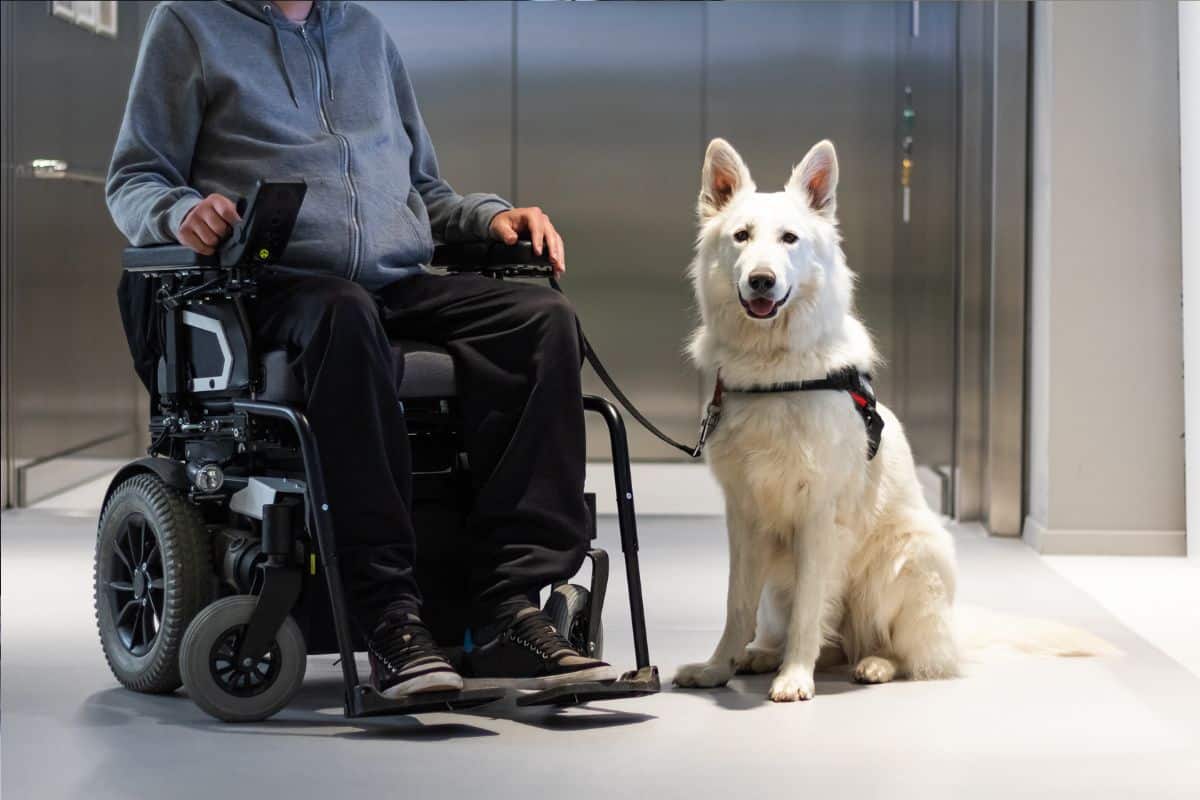
Credit: www.theacademyofpetcareers.com
Frequently Asked Questions
What Qualifications Do You Need To Become A Therapy Dog Trainer?
You need knowledge of dog behavior, training skills, and certification in therapy dog training. Experience with dogs and patience are essential.
How Long Does It Take To Become A Therapy Dog Trainer?
Training duration varies but typically takes 3 to 6 months. Consistent practice and learning are key for success.
What Skills Are Essential For Therapy Dog Trainers?
Key skills include patience, communication, dog behavior understanding, and empathy. These help in effective training and client interaction.
Can Anyone Become A Therapy Dog Trainer?
Yes, anyone with passion, patience, and dedication can become a therapy dog trainer. Proper training and certification are required.
Conclusion
Becoming a therapy dog trainer takes patience and care. Start by learning about dog behavior and training methods. Gain experience by working with dogs and owners. Join a reputable training program to build your skills. Remember, helping dogs and people brings great reward.
Stay committed and enjoy the journey ahead. Your efforts can make a real difference in many lives. Keep learning and growing every day. The path is clear—step forward with confidence.


