

Are you ready to transform your dog into a reliable service companion? Knowing how to service dog training can make a huge difference in your daily life.
Whether you need help with mobility, hearing, or emotional support, the right training will unlock your dog’s full potential. In this guide, you’ll discover simple, step-by-step methods that anyone can follow. Keep reading to learn how to build trust, teach essential skills, and create a bond that changes everything for you and your dog.
Your journey to a well-trained service dog starts here.
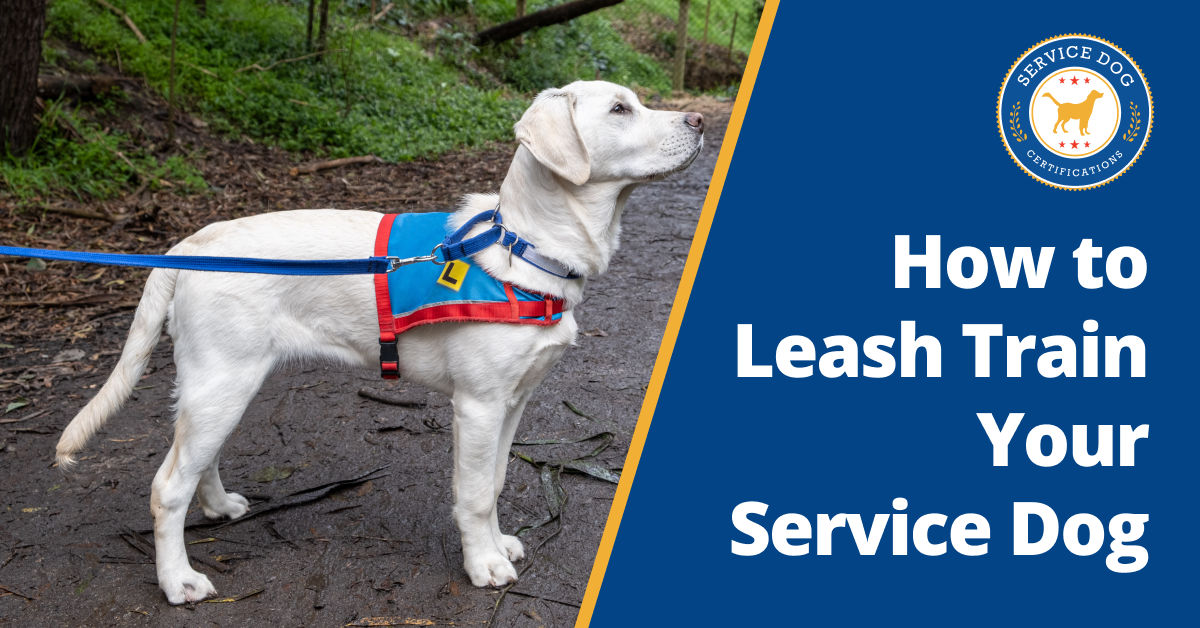
Credit: www.servicedogcertifications.org
Choosing The Right Dog
Choosing the right dog is the first step in service dog training. Not every dog can perform the tasks needed. The right dog will make training easier and more successful. This choice depends on the dog’s traits, breed, and temperament. Each factor affects how well the dog can serve and work with its handler.
Traits Of Ideal Service Dogs
Service dogs need to be calm and focused. They must handle stress without getting scared. High intelligence is important for learning tasks quickly. These dogs should be friendly but not overly playful. Good health and stamina help them work long hours. A service dog also needs patience and a strong desire to please.
Breed Considerations
Some breeds are better suited for service work. Labrador Retrievers and Golden Retrievers are popular choices. They are smart, gentle, and easy to train. German Shepherds are strong and protective, good for certain tasks. Smaller breeds might work for handlers needing less physical support. Size and strength must match the handler’s needs.
Assessing Temperament
Temperament shows how a dog reacts to different situations. A good service dog stays calm around noise and crowds. It should not be aggressive or shy. Observe how the dog handles new people and places. The dog must listen well and follow commands without hesitation. Testing these traits early saves time and effort later.
Basic Obedience Skills
Basic obedience skills form the foundation of effective service dog training. These skills ensure the dog listens and responds well in different situations. A well-trained service dog can perform tasks calmly and confidently. It also helps build a strong bond between the handler and the dog.
Essential Commands
Start with simple commands like sit, stay, and come. These commands teach the dog to focus and wait for instructions. Down and heel are also important for control and safety. Each command must be clear and consistent. A service dog must obey quickly and without hesitation.
Consistency In Training
Train regularly at the same time and place. Use the same words and gestures for commands. Consistency helps the dog understand what is expected. Avoid confusing the dog with different cues. Regular practice builds good habits that last a lifetime.
Positive Reinforcement Techniques
Reward good behavior with treats, praise, or play. Positive reinforcement encourages the dog to repeat actions. Avoid punishment or harsh corrections. Rewards create a happy, motivated learning environment. This approach helps the dog enjoy training and perform better.
Task-specific Training
Task-specific training is the heart of service dog preparation. It focuses on teaching dogs the exact skills their handlers need. This training helps dogs perform important tasks that improve daily life. Each task matches the handler’s unique requirements.
Training starts by finding out what tasks the dog must learn. Then, trainers teach the dog how to complete each task. Practice in different places helps the dog use skills everywhere. This makes the dog reliable and ready to assist anytime.
Identifying Needed Tasks
First, identify tasks the handler needs most. These tasks depend on the handler’s disability or condition. Some dogs help with mobility, like picking up dropped items. Others alert to sounds or medical changes. Understanding these needs guides the training process.
Teaching Task Completion
Teaching begins with breaking tasks into small steps. Trainers use clear commands and rewards to encourage dogs. Repetition helps dogs learn to do tasks correctly. Patience is key as dogs practice each step carefully. Success builds confidence and skill in the dog.
Generalizing Tasks To Different Environments
After learning tasks, dogs practice in many settings. This step ensures dogs can work in homes, stores, or parks. Different places may have distractions or noises. Training helps dogs focus and perform tasks anywhere. This builds trust between dog and handler.

Credit: us.amazon.com
Socialization And Public Behavior
Socialization and public behavior are key for training a service dog. A well-socialized dog stays calm and focused in many places. This helps the dog support its handler effectively. Teaching good manners in public ensures safety and respect for others.
Exposure To Various Environments
Introduce the dog to many places early on. Parks, stores, and busy streets are good starts. Each new place teaches the dog to stay calm. Different sounds, smells, and sights help the dog adapt. This reduces fear and stress in public settings.
Managing Distractions
Distractions can break a dog’s focus quickly. Train the dog to ignore noises and movements. Practice in quiet spots first, then busier ones. Use treats and praise to reward attention. This builds strong habits for public control.
Public Etiquette For Service Dogs
Service dogs must behave politely around people. They should not jump or bark in public. The dog walks close to the handler’s side. It waits patiently for commands without fuss. Teaching these rules keeps the dog professional and safe.
Health And Wellness
Health and wellness are key to successful service dog training. A healthy dog learns faster and performs better. Taking care of your dog’s body and mind supports their training progress. Focus on proper care routines to keep your service dog strong and happy.
Regular Veterinary Care
Schedule regular visits to the vet for check-ups and vaccinations. Early detection of health issues prevents bigger problems later. Keep your dog’s medical records updated. Follow the vet’s advice on flea, tick, and worm prevention. Healthy dogs stay active and alert, which helps in training.
Nutrition And Exercise
Feed your service dog a balanced diet with the right nutrients. Quality food boosts energy and supports brain function. Avoid overfeeding to keep your dog at a healthy weight. Daily exercise is essential. It builds muscle and releases excess energy. Walks, playtime, and training drills keep your dog fit and focused.
Stress Management For Dogs
Stress affects learning and behavior negatively. Recognize signs like panting, pacing, or whining. Create a calm environment for training sessions. Use positive reinforcement to build confidence. Allow breaks during long training to prevent burnout. A relaxed dog learns new tasks with ease.
Legal Rights And Documentation
Understanding legal rights and documentation is key for service dog training. Owners must know the laws to protect their rights. Proper documentation helps avoid conflicts in public places. This section explains important legal points and paperwork.
Service Dog Laws
Laws protect service dogs and their handlers in many countries. The Americans with Disabilities Act (ADA) is a major law in the U.S. It allows service dogs to enter public spaces with their owners. Businesses must not refuse access based on the dog.
Other countries have similar laws. These laws define what qualifies as a service dog. They also set rules for public access and behavior. Knowing these laws helps owners and trainers stay compliant.
Required Certifications
No official certification is required by U.S. law for service dogs. Trainers can provide certificates, but they are not legally needed. Some places may ask for proof of the dog’s training.
Documentation like a letter from a medical professional can help. This letter should state the need for a service dog. Trainers should keep records of training sessions and skills taught.
Handling Public Access Challenges
Service dog handlers face challenges in public. Some people may question the dog’s legitimacy. Handlers should stay calm and explain the dog’s role clearly.
Carrying documentation can ease misunderstandings. Knowing rights helps in dealing with refusals or complaints. Training the dog to behave well in public is crucial.
Troubleshooting Common Issues
Training a service dog can be challenging. Some problems may slow progress or cause frustration. Knowing how to fix these common issues helps keep training on track. This section covers typical problems and solutions for service dog training.
Behavioral Problems
Service dogs must behave well in public. Sometimes, dogs show unwanted behaviors like barking or jumping. Calmly correct these actions each time they happen. Use clear commands and rewards for good behavior. Consistency is key to reducing problems quickly. Patience helps your dog learn proper manners.
Training Plateaus
Dogs sometimes stop improving for a while. This is called a training plateau. Try changing your training routine to re-engage your dog. Use new rewards or vary training locations. Short, frequent sessions work better than long, tiring ones. Keep sessions positive to maintain your dog’s interest.
When To Seek Professional Help
Some problems need expert advice. If your dog shows aggression or fear, ask a trainer. Professionals can offer guidance and hands-on help. Don’t wait too long if progress stalls. Early support can prevent bigger issues. Finding help ensures your service dog becomes reliable and safe.

Credit: www.amazon.com
Frequently Asked Questions
What Are The Basic Steps In Service Dog Training?
Service dog training starts with obedience, socialization, and task-specific skills. Consistency and positive reinforcement are key. Early training focuses on basic commands, followed by specialized tasks tailored to the handler’s needs.
How Long Does Service Dog Training Usually Take?
Training a service dog typically takes 6 to 12 months. Time varies depending on the dog’s breed, temperament, and the tasks required. Ongoing training and reinforcement continue throughout the dog’s working life.
Can Anyone Train Their Own Service Dog?
Yes, anyone committed can train their own service dog. However, it requires patience, consistency, and understanding of legal standards. Professional guidance often helps ensure the dog meets public access and task performance criteria.
What Tasks Can A Service Dog Be Trained To Perform?
Service dogs can learn tasks like guiding the visually impaired, alerting to seizures, retrieving items, or providing mobility support. Training is customized to the handler’s disability and daily needs, improving independence and safety.
Conclusion
Training a service dog takes time, patience, and care. Start with basic commands and build from there. Practice daily to help your dog learn well. Focus on clear signals and positive rewards. Remember, each dog learns at its own pace.
Stay calm and consistent throughout the process. Your hard work will lead to a strong bond. A well-trained service dog can make life easier. Keep training simple and steady for best results. This journey helps both you and your dog grow.


