

Is your dog’s constant whining driving you crazy? You’re not alone.
Whining can be frustrating, but the good news is you can teach your dog to stop this behavior. Imagine a peaceful home where your dog stays calm and quiet. You’ll discover simple, effective steps that anyone can follow to train their dog to stop whining.
Keep reading, and you’ll learn how to turn those noisy moments into calm, happy ones—for both you and your furry friend.
Why Dogs Whine
Dogs use whining as a way to communicate. It is their voice to express feelings and needs. Understanding why dogs whine helps in training them to stop. Knowing the reasons helps you respond in the right way.
Whining can mean many things. It is not always bad behavior. Sometimes, dogs whine because they want attention or feel anxious. Other times, it may signal discomfort or boredom.
Common Causes
Dogs often whine when they want something. Food, play, or going outside can trigger whining. Some dogs whine when they feel lonely. Separation from their owner makes them nervous. Pain or illness can cause whining too. Watch your dog closely to spot these signs.
Behavioral Triggers
Whining can be a learned habit. Dogs may whine to get your attention. If you respond by giving treats, whining increases. Anxiety causes many dogs to whine often. New places, loud noises, or strangers can trigger it. Training and patience can reduce these triggers.
Credit: www.ciscoedjal.com
Recognizing Whining Patterns
Recognizing whining patterns is the first step to help your dog stop this behavior. Understanding why and when your dog whines can make training easier. Dogs use whining to communicate different needs or feelings. Paying close attention helps you respond correctly. This section explains how to spot whining patterns and what they mean.
Not all whining sounds are the same. Each type can tell you what your dog wants or feels. By learning to recognize these sounds, you can help your dog more effectively.
When Whining Occurs
Notice the times your dog whines. It might happen during play, when alone, or at meal times. Some dogs whine when they want attention. Others whine if they feel anxious or scared. Marking these moments helps identify the cause. This knowledge guides your training approach.
Types Of Whining Sounds
Dogs make different whining noises. Some are soft and short, showing mild discomfort or a simple request. Longer, louder whines may signal distress or pain. High-pitched whining can mean excitement or anxiety. Low, continuous whining often shows frustration. Recognizing these sounds helps you understand your dog’s emotions.
Setting Clear Boundaries
Setting clear boundaries is key to stopping a dog from whining. Dogs need to know what behavior is okay and what is not. Clear rules help your dog feel safe and understand your expectations. Without boundaries, dogs may whine more to get attention or express confusion.
Teaching your dog limits takes patience and consistency. Every family member should follow the same rules. This helps your dog learn faster and reduces mixed signals. Clear boundaries create a calm and respectful relationship between you and your dog.
Consistent Rules
Consistency is the foundation of training. Use the same commands and rules every day. If whining is not allowed, do not give in sometimes. Dogs learn by repetition. Mixed messages make training harder.
Set clear limits on where your dog can go and what they can do. For example, decide if whining is okay during playtime or not. Follow these rules strictly. Your dog will start to understand and reduce whining.
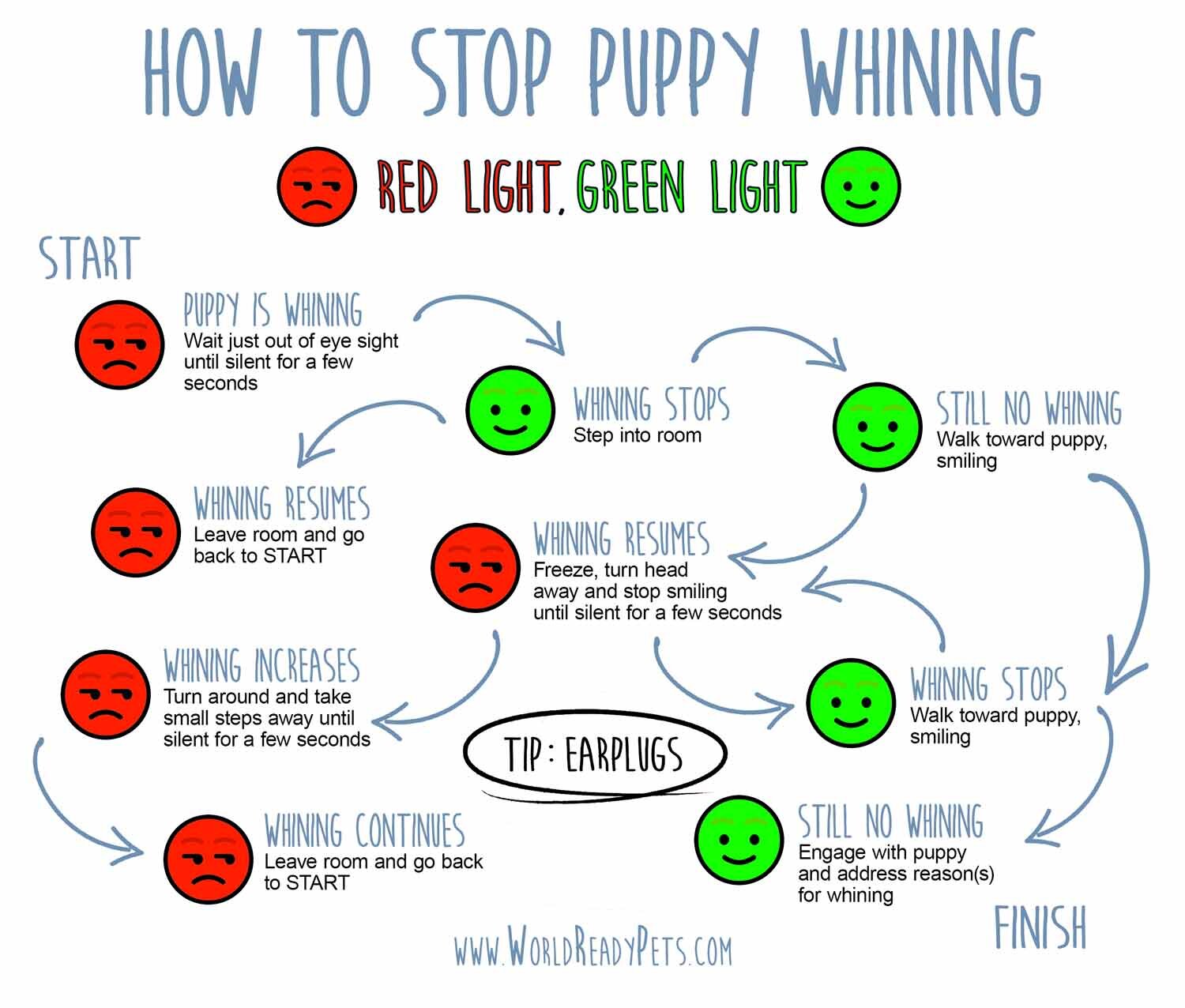
Ignoring Attention-seeking Whines
Whining often means your dog wants attention. Do not reward whining by giving attention. Look away or leave the room if your dog whines for no reason.
Wait until your dog is quiet before giving any attention. This teaches your dog that silence gets rewards, not whining. Ignoring attention-seeking whines helps your dog learn calm behavior.
Credit: www.dunnellonanimalhospital.com
Positive Reinforcement Techniques
Positive reinforcement techniques help teach dogs to stop whining by encouraging good behavior. They focus on rewarding the dog when it is quiet. This method builds trust and makes training fun for your dog. It also helps your dog understand what you want without fear or confusion.
Rewarding Quiet Behavior
Notice when your dog stops whining, even for a moment. Give a clear signal, like a calm “yes” or a clicker sound. Then, offer a small reward. This shows your dog that being quiet brings good things. Repeat this often to help your dog learn that silence gets attention and treats.
Using Treats And Praise
Treats are powerful tools in positive reinforcement. Use soft, tasty treats your dog loves. Give them immediately when your dog is calm and quiet. Along with treats, use gentle praise like “good dog.” This combination makes your dog feel happy and motivated. Avoid giving treats if your dog is whining, so they do not learn to whine for rewards.
Redirecting Attention
Redirecting your dog’s attention helps stop whining by changing their focus. Whining often means your dog wants something. Giving them a new activity can calm them down. This method teaches your dog to express needs differently.
Engaging In Play
Play is a great way to shift your dog’s focus. Use toys or simple games like fetch or tug-of-war. Playing makes your dog happy and tired. A tired dog whines less. Play also builds your bond and trust.
Providing Chew Toys
Chew toys keep your dog busy and relaxed. They satisfy the natural urge to chew. Choose safe and sturdy toys. Chewing helps reduce stress and boredom. A calm dog is less likely to whine.

Credit: bluediamondsgr.org
Training Commands To Control Whining
Training commands help you manage your dog’s whining effectively. Teaching your dog to respond to clear commands reduces unwanted noise. Commands guide your dog on what behavior is acceptable. Consistent training builds trust and better communication between you and your pet.
Teaching ‘quiet’ Command
Start by waiting for your dog to whine. Say “Quiet” in a calm, firm voice. Wait for your dog to stop whining, even for a moment. Praise your dog with a treat or gentle petting. Repeat this step many times daily. Gradually increase the time your dog stays quiet before giving a reward. Practice in different places to help your dog learn well.
Using Distraction Methods
Distraction helps shift your dog’s attention from whining. Use toys, treats, or simple games as distractions. When your dog starts whining, offer the toy or start a game. This interrupts the whining and changes your dog’s focus. Reward your dog for paying attention to the distraction. Over time, your dog will learn to stop whining for attention.
Managing Anxiety-related Whining
Whining often shows that a dog feels anxious. Managing this kind of whining helps your dog feel calm and safe. It also reduces stress for both of you. Start by understanding what makes your dog nervous. Then use ways to make your dog feel peaceful. This helps stop the whining over time.
Creating A Safe Space
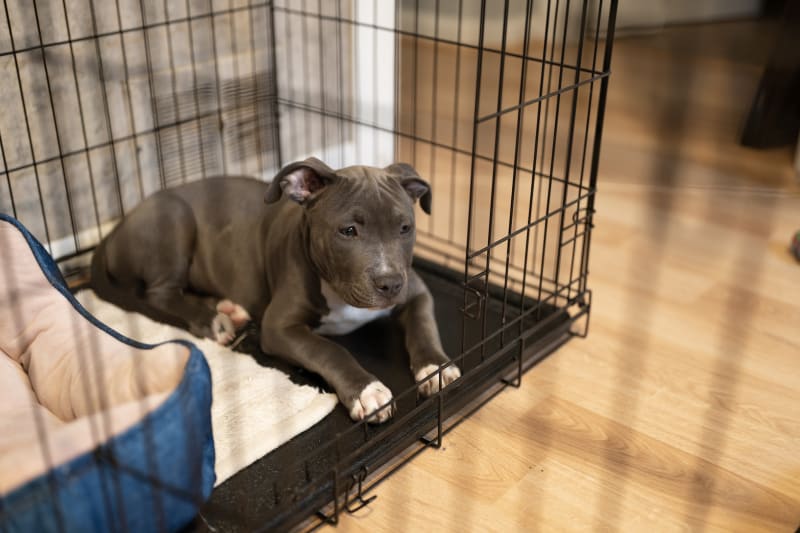
Give your dog a quiet place to relax. Use a small room or a cozy corner. Add a soft bed or blanket for comfort. Keep this space free from loud noises and busy areas. Let your dog visit this spot anytime it feels worried. This safe space helps your dog feel more secure.
Calming Techniques
Use gentle petting to soothe your dog. Speak in a soft, calm voice. Try slow, deep breathing near your dog to share calmness. Play soft music to reduce stress. Offer chew toys or puzzles to distract and relax your dog. Practice these often to build your dog’s calm habits.
When To Seek Professional Help
Knowing when to seek professional help is important for stopping your dog’s whining. Some issues need expert care to improve your dog’s behavior and well-being. Ignoring these signs can make the problem worse.
Behavioral Specialists
Behavioral specialists help with persistent whining caused by anxiety or stress. They watch your dog’s behavior and find the root cause. These experts teach you ways to calm your dog and reduce whining. They use safe, effective methods to change bad habits. If training at home does not work, a specialist can guide you.
Veterinary Advice
Whining can signal health problems. A vet can check if your dog is in pain or discomfort. Illnesses or injuries may cause whining. Vets also rule out medical causes before behavior training starts. Early veterinary help can prevent pain and stop whining quickly.
Frequently Asked Questions
How Can I Stop My Dog From Whining At Night?
Create a calm bedtime routine and provide comfort. Avoid giving attention when your dog whines. Use positive reinforcement for quiet behavior to encourage silence.
Why Does My Dog Whine When Left Alone?
Dogs whine due to anxiety, boredom, or needing attention. Gradually train your dog to stay alone using toys and treats. Consistency reduces separation anxiety and whining.
What Training Methods Work Best To Stop Whining?
Use positive reinforcement with treats and praise for quiet behavior. Ignore whining to avoid rewarding it. Redirect your dog’s attention to toys or commands during whining.
Can Exercise Reduce My Dog’s Whining Behavior?
Yes, regular exercise helps reduce anxiety and excess energy. A tired dog is less likely to whine out of boredom or stress. Aim for daily walks and playtime.
Conclusion
Training your dog to stop whining takes time and patience. Stay calm and consistent with your approach. Reward quiet behavior and gently ignore whining. Understand why your dog whines to address their needs. Small steps each day lead to lasting change.
Enjoy the process and build a stronger bond. Your dog will learn to communicate in better ways. Keep practicing, and soon the whining will decrease. You can help your dog feel happy and calm.


