

Does your dog growl or snap when you come near their food? This behavior can be scary and stressful for both you and your pet.
But don’t worry—food aggression is a common issue, and you can teach your dog to feel safe and calm during mealtime. You’ll discover simple, effective steps to train your food aggressive dog. By following these tips, you’ll build trust, improve your bond, and create a peaceful feeding routine.
Keep reading to find out how to make mealtime comfortable for everyone in your home.
Recognizing Food Aggression
Recognizing food aggression in dogs is the first step to managing it safely. This behavior can be worrying and dangerous if not addressed. Understanding the signs and causes helps prevent bites and fights.
Common Signs
Food aggressive dogs may growl or snarl when you approach their bowl. They might snap or lunge if you try to take food away. Some dogs stiffen their body or stare intensely at you. Others guard their food by standing over it. Watch for these clear warning signs during meal times.
Causes And Triggers
Food aggression often comes from fear or past trauma. Dogs that were hungry or starved may guard food tightly. Competition with other pets can trigger guarding behavior. Stress or anxiety also makes dogs more protective of food. Knowing what causes aggression helps avoid triggering it.
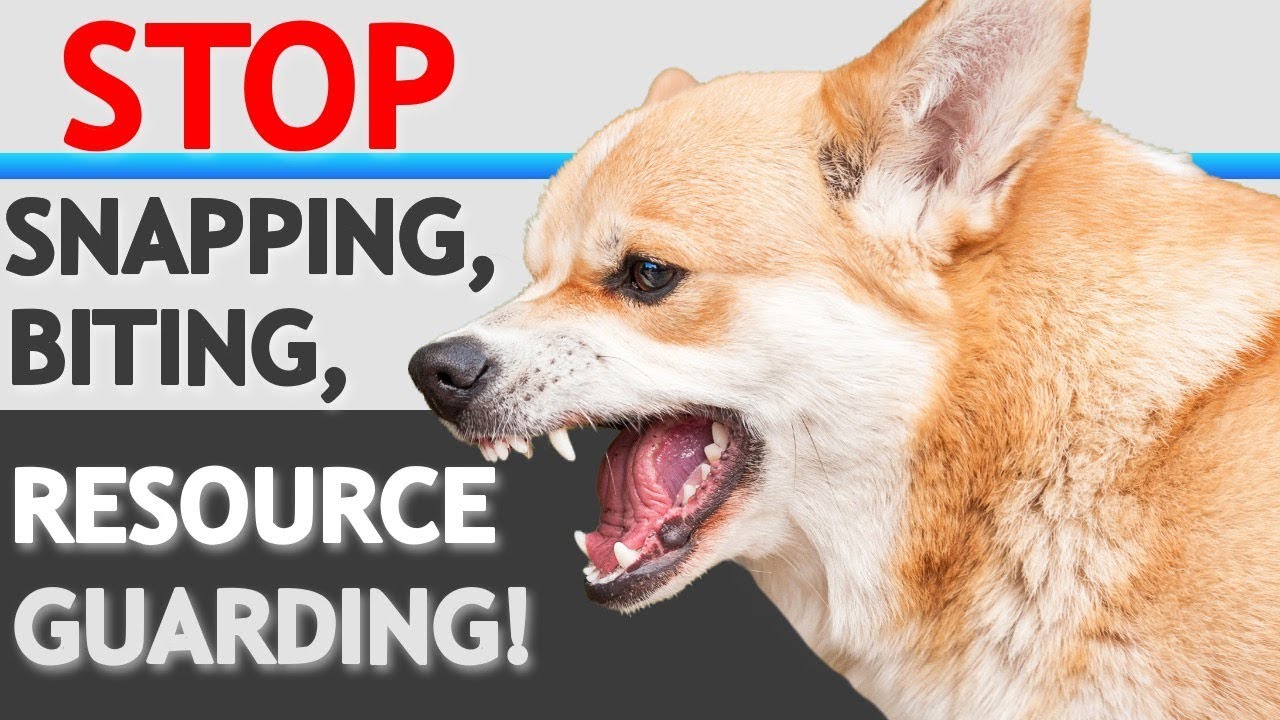
Credit: www.youtube.com
Creating A Safe Feeding Environment
Creating a safe feeding environment is key to managing food aggression in dogs. It helps your dog feel calm and secure while eating. This lowers the chance of aggressive behavior during meal times.
Setting up the right space and reducing distractions makes your dog focus on eating peacefully. This step builds trust and encourages good habits. Start with small changes and watch your dog relax.
Choosing The Right Location
Pick a quiet spot for your dog’s meals. The area should be away from loud noises and heavy foot traffic. A calm space helps your dog feel safe and less threatened.
Use a consistent place for feeding each day. Familiar surroundings reduce anxiety. Avoid crowded rooms or busy hallways that cause stress.
Minimizing Distractions
Turn off TVs, radios, and other noises during feeding time. Keep toys and other pets away from the food area. These can cause your dog to feel uneasy or guarded.
Focus on creating a peaceful environment. A calm setting allows your dog to eat without fear. This reduces food guarding instincts over time.
Basic Training Techniques
Basic training techniques form the foundation to manage food aggression in dogs. These methods focus on building trust and good habits. They help your dog feel safe and calm around food. Training takes time and patience. Consistency in practice is key to seeing progress.
Teaching Patience
Patience is crucial for food aggressive dogs. Start by asking your dog to wait before eating. Use a clear command like “wait” or “stay.” Hold the food bowl for a few seconds before setting it down. Gradually increase the waiting time. Praise your dog for staying calm and patient. This teaches control and reduces anxiety around food.
Using Positive Reinforcement
Positive reinforcement encourages good behavior with rewards. Offer treats or praise when your dog shows calm behavior near food. Avoid punishment, which can increase aggression. Use a calm voice and gentle touch. Reward small steps toward sharing and waiting. This approach builds a strong bond and helps your dog feel safe during mealtime.

Credit: www.thrivingcanine.com
Advanced Behavior Modification
Advanced behavior modification helps reduce food aggression in dogs. It requires patience, consistency, and clear steps. These methods focus on changing your dog’s emotional response to food situations. Training aims to make your dog feel safe and calm around food. This section covers key strategies to apply in your training routine.
Desensitization Methods
Desensitization means slowly exposing your dog to triggers. Start at a distance where your dog feels safe. Gradually bring the trigger closer over many sessions. For example, stand near your dog while they eat. Do not rush the process. Watch for signs of stress or aggression. If your dog stays calm, give praise or treats. If stress shows, increase distance again. Repeat this process daily. It helps your dog get used to food presence without reacting.
Counter-conditioning Strategies
Counter-conditioning changes how your dog feels about food threats. Pair food triggers with positive things like treats or gentle petting. For instance, give a treat when someone approaches your dog’s bowl. This creates a new, positive connection. Your dog learns to expect good things, not threats. Practice this often and keep sessions short. Consistent pairing reduces fear and aggression. Over time, your dog will accept others near their food calmly.
Handling Aggressive Episodes
Handling aggressive episodes in food aggressive dogs is critical for safety. These moments can be stressful and dangerous. Knowing how to respond calmly protects both you and your dog. It helps reduce fear and prevents the situation from getting worse.
Proper handling also builds trust. Your dog learns that you are in control and not a threat. This can lower aggressive reactions over time. Preparing for these episodes is part of effective training.
Staying Calm And Safe
Stay calm. Your dog senses your feelings. Acting scared or angry can increase aggression. Speak softly and avoid sudden moves. Keep your hands visible and slow.
Do not try to take food away quickly. This can trigger a bite. Use a calm voice to redirect your dog’s attention. Offer a trade, like a toy or treat, but only if safe.
Keep a safe distance. Use barriers like baby gates if needed. Wear protective clothing if your dog is very aggressive. Always protect yourself first.
When To Seek Professional Help
Some aggressive behaviors need expert care. If your dog bites often, consult a professional trainer or behaviorist. They provide safe strategies tailored to your dog.
Professional help is vital when aggression causes danger to family or visitors. Early intervention can prevent worsening problems. Trainers can teach you safe handling and training techniques.
Do not wait until the situation gets out of control. Reach out for help to keep everyone safe and happy.

Credit: rawbistro.com
Maintaining Long-term Progress
Maintaining long-term progress in training food aggressive dogs requires patience and dedication. Consistency is key to helping your dog feel safe and secure. Regular training sessions and routines build trust and reduce aggressive behaviors over time.
Understanding your dog’s behavior and adapting your approach ensures steady improvement. Small setbacks may occur, but staying calm and persistent helps maintain progress. Tracking changes in behavior allows you to respond early and keep training effective.
Consistent Feeding Routines
Feed your dog at the same times every day. Predictable meals reduce anxiety around food. Use a quiet, calm place for feeding to avoid distractions. Avoid sudden changes in the feeding schedule. Consistency helps your dog understand when and where to expect food. This lowers stress and food guarding instincts.
Monitoring Behavior Changes
Watch your dog closely for any new signs of aggression. Note changes in body language, growling, or guarding. Early detection allows quick correction before behaviors worsen. Keep a journal of your dog’s reactions during feeding times. Share this information with your trainer or vet if needed. Regular monitoring supports a safe and peaceful home environment.
Frequently Asked Questions
What Causes Food Aggression In Dogs?
Food aggression often stems from fear or resource guarding instincts. Dogs may feel threatened about losing their food. Early experiences and lack of socialization can also contribute. Understanding the cause helps in choosing the right training approach to reduce aggression effectively.
How Can I Safely Approach A Food Aggressive Dog?
Approach calmly and avoid sudden movements near the dog’s food. Use positive reinforcement like treats and praise. Maintain a safe distance initially and gradually decrease it as trust builds. Safety is crucial to prevent bites and encourage positive behavior changes.
What Training Methods Reduce Food Aggression?
Positive reinforcement training works best. Teach commands like “leave it” and “drop it. ” Gradually desensitize your dog by approaching during mealtime. Avoid punishment as it increases fear. Consistency and patience are key for long-term success in reducing aggression.
When Should I Seek Professional Help For Food Aggression?
Consult a professional if aggression worsens or causes safety concerns. Severe cases may need a certified trainer or behaviorist. Early intervention prevents escalation and ensures proper guidance. Professional help ensures tailored training and safer outcomes for both dog and owner.
Conclusion
Training food aggressive dogs takes time and patience. Consistent practice helps build trust between you and your dog. Use gentle, positive methods to encourage good behavior. Stay calm and avoid punishment to prevent fear or anxiety. Small steps lead to lasting changes in your dog’s attitude.
Remember, every dog learns at their own pace. Keep sessions short and rewarding to maintain focus. With care and effort, your dog can enjoy mealtime peacefully. Patience and kindness make the best training tools.

