If your dog struggles with separation anxiety, crate training might feel like a challenge. You want to keep your furry friend safe and calm, but the thought of using a crate can bring up worries about making things worse.
What if your dog feels trapped or more stressed? The good news is, with the right approach, you can turn the crate into a cozy, comforting space your dog loves. In this guide, you’ll discover simple, proven steps to help your dog feel secure and reduce anxiety when you’re not around.
Keep reading, and you’ll learn how to make crate training a positive experience—for both you and your dog.
Credit: funnyfuzzy.com
Recognizing Separation Anxiety
Recognizing separation anxiety in dogs is the first step to helping them feel calm. Dogs with this condition get very stressed when left alone. They might act scared or restless. Understanding their signs and triggers helps in crate training effectively.
Common Signs In Dogs
Dogs with separation anxiety often show clear signs. They may bark, whine, or howl loudly. Some dogs chew furniture or scratch doors. Others pace or drool excessively. These behaviors happen mainly when the owner leaves or prepares to leave.
Destruction and house-soiling are also common. The dog might try to escape or hide. Not all dogs show the same signs. Watch your dog closely to spot these behaviors early.
Behavioral Triggers
Certain events or actions can trigger anxiety in dogs. Leaving the house or picking up keys can cause stress. Sudden goodbyes without calm preparation may worsen the problem. Loud noises or changes in routine can also be triggers.
Dogs often sense the owner’s nervousness before leaving. This can increase anxiety. Recognizing these triggers helps reduce the dog’s fear. It also makes crate training more successful and less stressful.
Choosing The Right Crate
Choosing the right crate is key to helping a dog with separation anxiety feel safe. The crate should be a cozy space, not a prison. It must fit the dog’s size and provide comfort. The crate’s location also affects how your dog reacts to it. Picking the perfect crate can make training easier and less stressful for your dog.
Size And Comfort
The crate should be big enough for your dog to stand, turn, and lie down. Too small feels cramped and can cause stress. Too large can make your dog feel unsafe. Soft bedding or a blanket adds comfort. Avoid hard floors or cold surfaces inside the crate. Comfort helps your dog relax and see the crate as a safe spot.
Location Matters
Place the crate where your dog feels part of the family. A quiet corner in the living room works well. Avoid noisy or busy areas that may scare your dog. Keep the crate away from direct sunlight or cold drafts. The right spot helps your dog stay calm and less anxious while inside the crate.
Gradual Crate Introduction
Introducing a crate to a dog with separation anxiety requires patience and care. Gradual crate introduction helps the dog feel safe and calm. This process builds trust and reduces fear. Taking small steps makes the crate a positive place. The dog learns to enjoy time inside the crate.
Creating Positive Associations
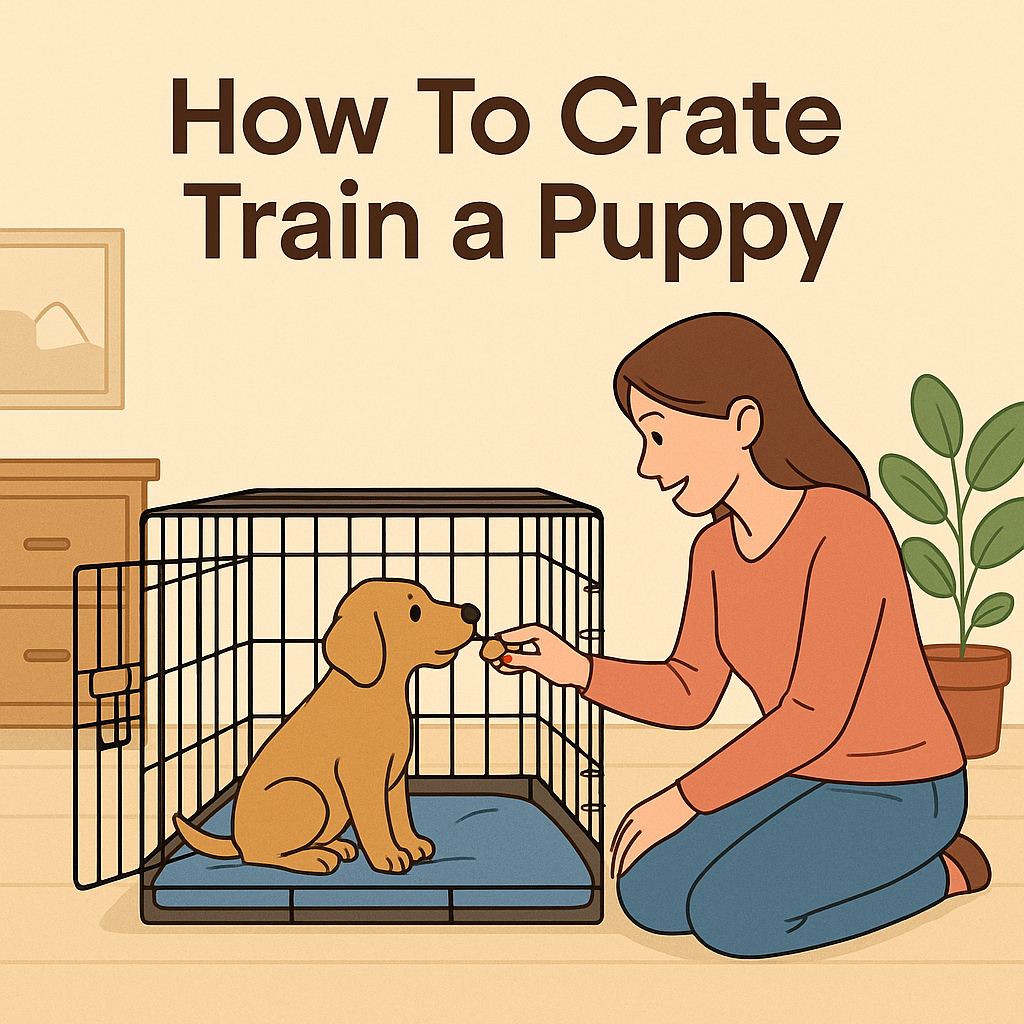
Start by placing treats inside the crate. Let your dog explore the crate freely. Praise your dog when it enters the crate. Add toys or a soft blanket to make it cozy. Avoid closing the door at first. This helps your dog link the crate with good things. Positive feelings reduce anxiety about the crate.
Short Sessions To Start
Begin with very short crate sessions. Close the door for just a few seconds. Stay nearby to offer comfort. Gradually increase the time inside the crate. Watch your dog’s body language for stress signs. Stop if your dog becomes too upset. Short sessions build confidence and trust.

Credit: www.youtube.com
Building Crate Confidence
Building confidence in the crate is key for dogs with separation anxiety. The crate should feel safe and cozy. It must become a place your dog wants to be. This takes time and gentle steps.
Start slow. Let your dog explore the crate without pressure. Make it a fun spot. Use rewards and comfort to create positive feelings. The goal is to reduce fear and build trust.
Using Treats And Toys
Use treats to encourage your dog to enter the crate. Place tasty snacks inside the crate. Let your dog find them at their own pace. This helps link the crate with good experiences.
Offer favorite toys inside the crate. Toys can distract and comfort your dog. Rotate toys to keep interest high. This makes the crate a rewarding place to rest.
Give treats and toys only in the crate. This builds a strong positive connection. Your dog learns the crate means fun and safety.
Calm Departure Cues
Practice leaving calmly to ease your dog’s anxiety. Avoid long goodbyes or loud noises. These can increase stress and fear.
Use a simple cue like “I’ll be back.” Say it softly each time you leave. This helps your dog understand you will return.
Keep departures short at first. Slowly increase the time you are away. This builds your dog’s trust and crate confidence over time.
Managing Anxiety Symptoms
Managing anxiety symptoms is key to successful crate training for dogs with separation anxiety. Dogs feel scared and stressed when left alone. Reducing these feelings helps them accept the crate as a safe place. This section explains ways to calm your dog and avoid making anxiety worse.
Calming Techniques
Keep your voice soft and gentle around your dog. Speak in a calm tone to help them relax. Try playing soft music or white noise near the crate. These sounds can block outside noises that cause fear.
Use a favorite blanket or toy inside the crate. Familiar smells comfort your dog and make the crate inviting. Practice deep breathing exercises yourself. Dogs sense your mood and calm down when you stay relaxed.
Avoiding Punishment
Never punish your dog for anxious behavior. Punishment increases fear and makes anxiety worse. Instead, reward calm and quiet moments with treats or praise. Patience and kindness build trust during crate training.
Ignore whining or barking if it is for attention. Giving attention to bad behavior teaches your dog to repeat it. Focus on rewarding good behavior to encourage calmness inside the crate.
Establishing A Routine
Establishing a routine is key to crate training a dog with separation anxiety. Dogs feel safer when they know what to expect. A steady schedule helps reduce their stress and builds trust. A clear routine creates a calm environment and supports positive crate use.
Consistent Crate Times
Set specific times for your dog to enter the crate each day. Consistency helps your dog learn that crate time is normal. Start with short periods and slowly increase the time. Use the same spot for the crate every day. This predictability reduces anxiety and builds comfort.
Exercise And Mental Stimulation
Give your dog plenty of exercise before crate time. A tired dog is less anxious and more relaxed. Play games that challenge your dog’s mind. Puzzle toys or training sessions work well. Mental stimulation helps your dog focus and feel calm inside the crate.
When To Seek Professional Help
Crate training a dog with separation anxiety can be tough. Some dogs need extra support beyond basic training. Signs like constant barking, destructive behavior, or severe stress show it’s time to seek help. Professional help can make a big difference. Experts guide you and your dog through this challenge safely and kindly.
Behavioral Therapists
Behavioral therapists specialize in dog anxiety issues. They observe your dog’s behavior closely. They create a plan tailored to your dog’s needs. Therapists teach you techniques to reduce anxiety step-by-step. They help change negative habits into positive ones. Working with a therapist speeds up progress. It also lowers stress for both you and your dog.
Medication Options
Medication can help dogs with severe anxiety. A vet can suggest safe drugs to calm your dog. Medicine works best with training and therapy combined. It reduces panic and helps dogs focus. Not all dogs need medicine, but some benefit greatly. Always follow your vet’s instructions carefully. Medication is a tool, not a full solution.

Credit: www.reddit.com
Frequently Asked Questions
How Does Crate Training Help With Separation Anxiety?
Crate training offers dogs a safe, cozy space. It reduces stress during alone times. The crate becomes a comforting den, easing anxiety when owners leave.
When Should I Start Crate Training My Anxious Dog?
Start crate training early, ideally when your dog is a puppy. For anxious dogs, begin gradually and patiently. Consistency is key to building trust and comfort.
How Long Can My Dog Stay In A Crate?
Limit crate time to a few hours daily for adult dogs. Puppies require shorter intervals. Avoid long periods to prevent stress and discomfort.
What Are Signs Of Stress During Crate Training?
Signs include whining, barking, scratching, or trying to escape. Pacing and excessive drooling also indicate stress. Address these by adjusting training pace and environment.
Conclusion
Crate training can help your dog feel safe and calm. Start slow and be patient with your pet’s progress. Use treats and praise to make the crate a happy place. Avoid rushing or forcing your dog inside. Small steps build trust and reduce anxiety over time.
Remember, every dog learns at its own pace. Keep training sessions short and positive. Soon, your dog will see the crate as a cozy spot. This helps both of you enjoy time apart with less stress. Consistency and kindness make all the difference.