

Training your Jack Russell dog can feel like a challenge, but it’s also one of the most rewarding experiences you’ll have with your furry friend. If you want a well-behaved, happy, and obedient Jack Russell, you need the right approach.
This guide will show you simple, effective steps to train your dog without frustration. By the end, you’ll know exactly how to build a strong bond and enjoy every moment with your energetic companion. Ready to transform your Jack Russell into the best-behaved dog on the block?
Keep reading.
Traits Of Jack Russell Dogs
Jack Russell dogs have strong, unique traits. These traits shape their behavior and training needs. Understanding these traits helps in caring for them better. Jack Russells are lively and smart dogs. They need activity and mental challenges to stay happy.
Energy Levels And Temperament
Jack Russells have very high energy. They love running, playing, and exploring. Sitting still is not their favorite thing. These dogs need daily exercise to stay calm. Without enough activity, they can become restless or noisy.
Their temperament is bold and confident. They often act fearless around other dogs and people. Jack Russells are friendly but can be stubborn. Early training helps shape good habits and calm behavior.
Common Behavioral Traits
Jack Russells are curious and alert. They like to investigate new places and sounds. This trait makes them good watchdogs. They bark to warn of strangers or strange noises.
These dogs are also very intelligent. They learn tricks and commands quickly. However, they can be independent and sometimes ignore orders. Patience and consistency work well in training them.
Chewing and digging are common behaviors. These come from their hunting background. Providing toys and safe spaces for digging helps reduce unwanted damage.
Setting Training Goals
Setting clear training goals helps guide your work with a Jack Russell dog. These goals focus your efforts and make training more effective. Knowing what you want to achieve keeps both you and your dog motivated. It also helps track progress and adjust methods if needed.
Start with simple, clear goals that suit your dog’s age and personality. Break training into small steps for easier learning. This approach builds confidence and strengthens your bond.
Basic Commands To Teach
Teach your Jack Russell basic commands first. Commands like sit, stay, come, and down create a foundation. These commands improve safety and control. Use short training sessions to keep your dog interested. Reward with treats or praise to encourage good behavior.
Practice commands in different places. This helps your dog understand and follow instructions everywhere. Consistency is key to success with these basic commands.
Behavioral Challenges To Address
Jack Russells can show stubbornness and high energy. Set goals to manage barking, jumping, and digging. These behaviors can become problems without training. Focus on calmness and patience during training sessions.
Redirect bad habits with positive actions. For example, replace digging with a digging box. Teach your dog to relax and settle down. This reduces stress for both of you.
Training Essentials
Training a Jack Russell requires clear basics. This breed is smart and energetic. They learn best with the right tools and a steady routine. Consistency shapes good habits fast. Let’s explore the essentials for training success.
Choosing The Right Training Tools
Pick tools that suit your dog’s size and strength. A sturdy collar or harness works well. Avoid heavy equipment that might hurt your Jack Russell. Treats motivate your dog during lessons. Use small, tasty rewards for quick learning. Clickers can help mark good behavior clearly. Keep toys handy for fun breaks and praise.
Establishing A Training Schedule
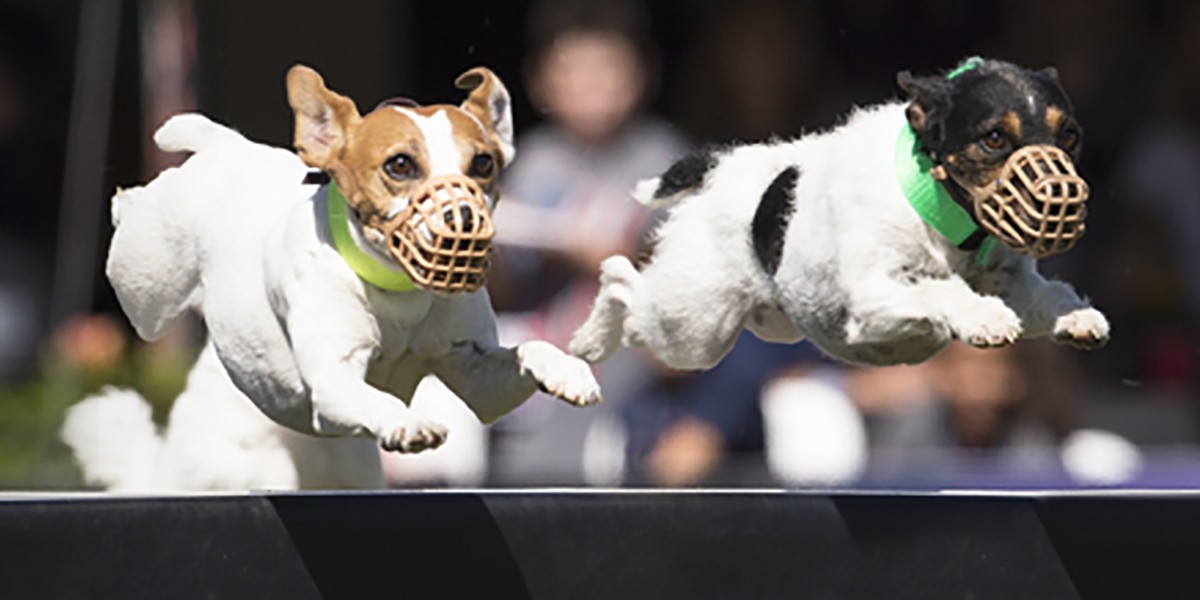
Set training at the same times daily. Short sessions, about 10 to 15 minutes, work best. Frequent practice helps your dog remember commands. Mix training with play for better focus. End each session on a positive note. Regular schedules build trust and routine. This helps your Jack Russell feel secure and eager to learn.
Credit: www.purina.com
Positive Reinforcement Techniques
Positive reinforcement is a powerful way to train a Jack Russell dog. It helps your dog learn good behavior by rewarding it. This method builds trust and encourages your dog to repeat the actions you want. Jack Russells respond well to rewards because they are smart and eager to please. Using positive reinforcement keeps training fun and effective.
Using Treats Effectively
Treats are a strong motivator for Jack Russells. Choose small, tasty treats your dog loves. Give treats immediately after your dog performs the right action. This helps your dog connect the treat with good behavior. Avoid giving too many treats at once. Use treats to start training, then slowly reduce them as your dog learns.
Incorporating Praise And Play
Praise is a simple but powerful reward. Use a happy tone and kind words like “good dog” or “well done.” Jack Russells enjoy attention and will work hard for praise. Play is another great reward. Toss a ball or play tug after your dog obeys. This makes training enjoyable and strengthens your bond. Combine praise and play to keep your dog motivated.
House Training Tips
House training a Jack Russell dog takes patience and consistency. This breed is smart but full of energy. They need clear rules and a steady routine to learn where to go potty. Early training helps avoid confusion and accidents in the home.
Use simple steps and repeat them often. Praise your dog for good behavior. Stay calm and firm during training sessions. This approach builds trust and helps your dog understand what you expect.
Crate Training Strategies
Crate training is a useful tool for house training. Choose a crate just big enough for your dog to stand and turn around. Make the crate cozy with a soft bed or blanket. Use it as a safe place, not a punishment.
Introduce the crate slowly. Encourage your dog to enter by placing treats inside. Close the door for short times at first. Gradually increase the time spent in the crate. This helps your dog learn bladder control and avoids accidents.
Never leave your Jack Russell in the crate too long. Puppies need frequent bathroom breaks. A crate also helps your dog feel secure and reduces anxiety.
Dealing With Accidents
Accidents happen during house training. Do not punish your dog after an accident. It can cause fear and confusion. Clean the area thoroughly with an enzyme cleaner to remove odors. This stops your dog from returning to the same spot.
Watch your dog closely for signs they need to go out. These signs include sniffing, circling, or whining. Take your dog outside often, especially after meals or naps. Praise and reward your dog immediately after going potty outside.
Keep a regular schedule. Patience and calmness are key. Mistakes are part of the learning process. Stay positive to help your Jack Russell learn quickly.
Socialization Strategies
Socialization is key to raising a happy Jack Russell dog. It helps them feel safe and confident. Early social experiences shape their behavior and reduce fear or aggression. Start socialization as soon as your puppy is comfortable at home. Focus on positive and calm interactions. Keep sessions short and fun to hold their attention.
Introducing To Other Pets
Introduce your Jack Russell to other pets slowly. Choose calm, friendly animals for first meetings. Use a leash to control your dog and prevent rough play. Let them sniff and explore each other gently. Watch body language closely for signs of stress or fear. Praise your dog for calm behavior during introductions. Repeat meetings often to build positive relationships.
Exposing To New Environments
Take your Jack Russell to different places regularly. Start with quiet spots like a backyard or park. Gradually visit busier areas with more sounds and people. Let your dog explore new sights and smells at their own pace. Carry treats to reward brave and curious actions. Avoid overwhelming your dog with too many changes at once. This builds confidence and reduces anxiety in new settings.
Managing Common Behavioral Issues
Jack Russell dogs are full of energy and curiosity. They can show some common behavioral problems. Managing these issues helps keep your dog happy and your home peaceful. Training takes patience and clear steps.
Addressing Excessive Barking
Jack Russells bark a lot to get attention or warn of danger. Teaching them to stop barking on command is important. Use a calm but firm voice to say “quiet.” Reward your dog when it stops barking. Avoid shouting, as it can make barking worse.
Give your dog enough exercise. A tired dog barks less. Use toys and playtime to keep your dog busy. If barking happens at night, create a quiet, comfortable space.
Handling Chewing And Digging
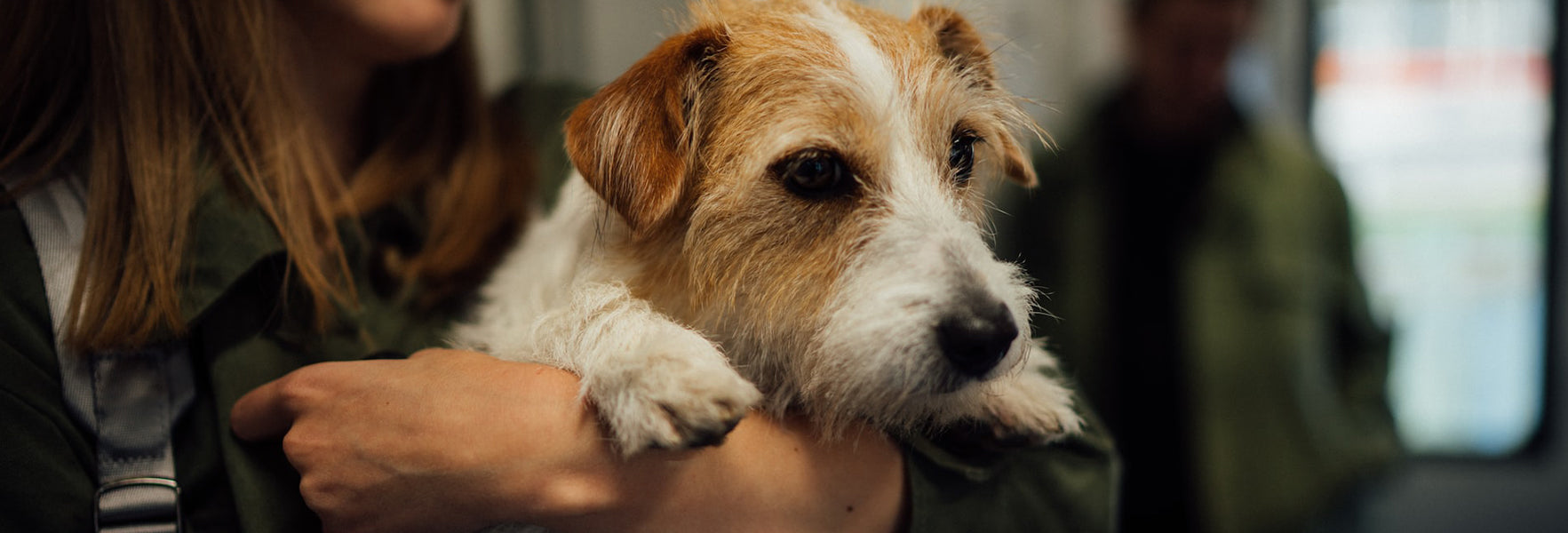
Chewing and digging are natural but can damage your home. Provide safe chew toys to satisfy your dog’s need to chew. Stop chewing on furniture by gently redirecting your dog to toys. Praise your dog for chewing the right items.
Digging needs attention too. Create a digging spot outside where your dog can dig freely. Bury toys or treats there to encourage digging in the right place. Regular exercise reduces digging caused by boredom.
Credit: www.chillpaws.com
Advanced Training Activities
Advanced training activities keep your Jack Russell active and sharp. These exercises build strength and focus. They also improve your dog’s behavior and confidence. Try different tasks to challenge your dog’s mind and body. Consistent practice helps your Jack Russell enjoy learning and stay well-behaved.
Agility And Obedience Training
Agility training teaches your dog to move quickly through obstacles. Use tunnels, jumps, and weave poles for practice. This activity boosts physical fitness and coordination. Obedience training reinforces commands like sit, stay, and come. Combine agility with obedience to increase focus. Short, frequent sessions work best. Praise your dog often to encourage effort and progress.
Mental Stimulation Games
Mental games keep your Jack Russell’s brain busy. Hide treats in puzzle toys for your dog to find. Play hide-and-seek with toys or yourself. Teach new tricks like rolling over or shaking paws. These activities reduce boredom and prevent bad habits. Change games regularly to keep your dog interested. Mental exercise is as important as physical exercise.
Maintaining Training Progress
Training a Jack Russell dog is a continuous journey. Maintaining progress keeps your dog well-behaved and happy. It helps avoid old habits from returning. Regular reinforcement builds strong behavior patterns. It also strengthens your bond with your dog.
Consistency And Patience
Consistent commands and routines help your dog understand expectations. Use the same words and gestures during training sessions. Repetition makes learning easier for your Jack Russell. Patience is key. Some behaviors take time to stick. Avoid frustration. Celebrate small wins to encourage your dog.
Adapting Training Over Time
As your dog grows, training needs change. Puppies and adult dogs have different learning styles. Adjust exercises to fit their energy and focus levels. Add new commands to keep them mentally sharp. Change rewards to keep motivation high. Watch your dog’s behavior and modify training as needed.

Credit: talentdogs.com
Frequently Asked Questions
How Long Does It Take To Train A Jack Russell?
Training a Jack Russell usually takes 8 to 12 weeks. Consistent daily sessions and positive reinforcement speed up learning. Early socialization and obedience training are key to success.
What Is The Best Training Method For Jack Russells?
Positive reinforcement is the best method. Use treats, praise, and play to reward good behavior. Avoid harsh punishment as it can cause fear and aggression.
How Often Should I Train My Jack Russell Daily?
Train your Jack Russell for 15 to 20 minutes twice a day. Short, frequent sessions keep them engaged and prevent boredom. Consistency helps reinforce commands effectively.
Can Jack Russells Be Trained For Obedience Competitions?
Yes, Jack Russells excel in obedience competitions due to their intelligence and agility. Early training and regular practice improve performance. They respond well to structured routines and challenges.
Conclusion
Training a Jack Russell takes patience and consistency. Small steps lead to big progress. Keep sessions short and fun to hold their attention. Reward good behavior with treats or praise. Stay calm and firm during challenges. Your dog learns best with daily practice.
Enjoy the journey together and build trust. Training deepens your bond and keeps your dog happy. Every effort counts in raising a well-behaved Jack Russell. Keep going—you will see great results soon.


