

Training your dog to stay is one of the most important skills you can teach. Imagine having control over your furry friend, even in busy or distracting places.
You want your dog to listen, stay safe, and make your time together more enjoyable. This guide will show you simple, step-by-step methods to help your dog master the stay command quickly and confidently. By the end, you’ll have the tools to build better communication and trust with your dog.
Ready to get started? Let’s dive in!
Credit: conditionk-9.com
Basic Commands Before Stay
Teaching your dog the “stay” command requires some basic skills first. These skills help your dog understand and follow instructions better. Basic commands like “sit” and “down” lay the foundation for learning “stay.” These commands teach your dog control and patience. Also, building focus and attention is key before moving to “stay.” This section covers these essential steps to prepare your dog.
Teaching Sit And Down
Start with the “sit” command. Hold a treat close to your dog’s nose. Move your hand up. Your dog will naturally sit to follow the treat. Say “sit” clearly as your dog sits. Give the treat and praise your dog. Repeat this several times a day in short sessions.
Next, teach the “down” command. Hold a treat in your hand close to the floor. Move your hand slowly down. Your dog will lie down to reach the treat. Say “down” as your dog lies down. Reward and praise your dog. Practice this daily to build good habits.
Building Focus And Attention
Focus is crucial for your dog to obey “stay.” Start training in a quiet place without distractions. Hold a treat near your dog’s nose. Move the treat slowly toward your eyes. Say your dog’s name. Reward your dog when they look at you. This teaches your dog to pay attention.
Practice short focus sessions several times a day. Gradually increase the time your dog holds eye contact. Use praise and treats to keep your dog interested. This skill helps your dog listen better during “stay” training.
Credit: www.rd.com
Step-by-step Stay Training
Teaching your dog to stay is an important skill. It helps keep your dog safe and well-behaved. Step-by-step stay training breaks this skill into simple parts. This makes learning easy and fun for your dog. Follow these steps to teach your dog to stay confidently.
Introducing The Stay Command
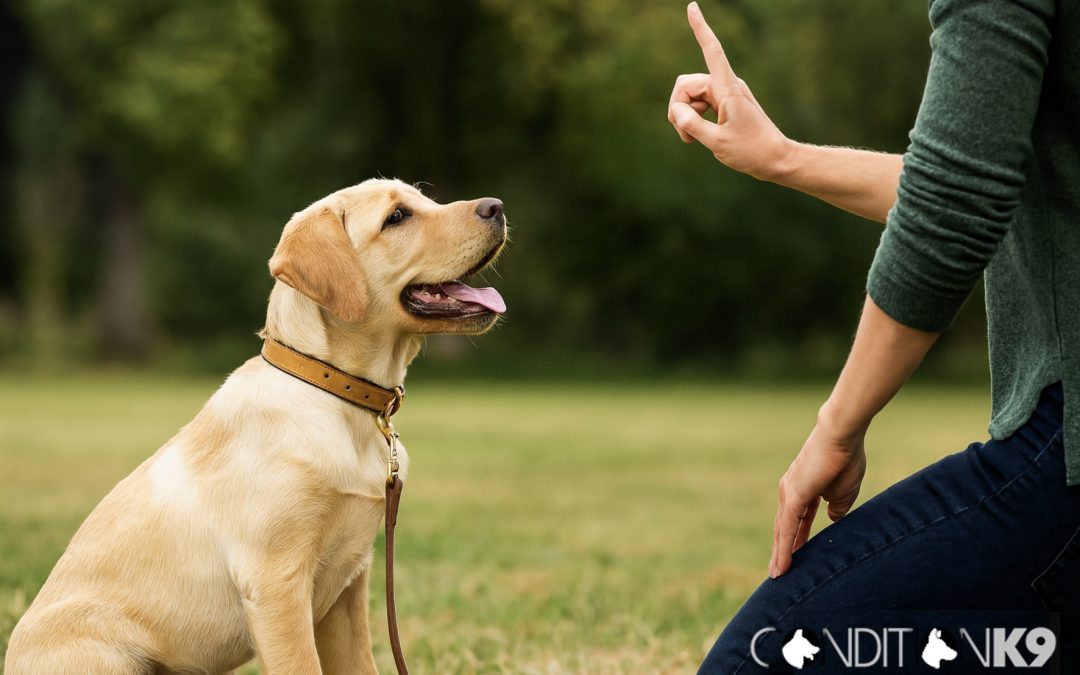
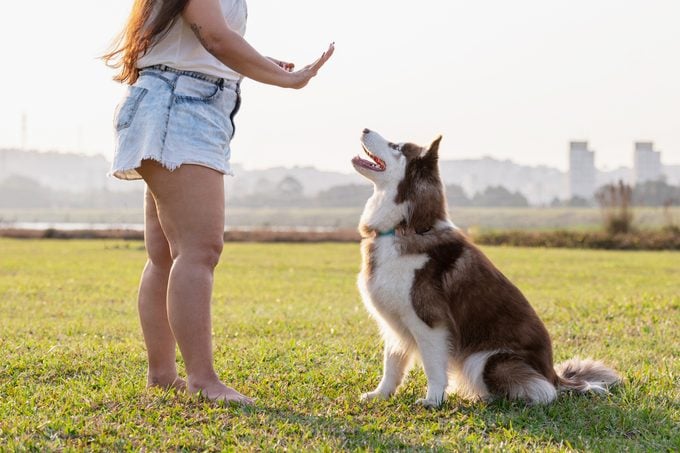
Start by asking your dog to sit. Use a calm, clear voice. Say the word “stay” once your dog is sitting. Hold your palm out, facing your dog. This is the stay signal. Wait a few seconds. If your dog stays, give a treat and praise. Repeat this a few times. Keep sessions short and positive.
Using Hand Signals
Hand signals help your dog understand the stay command. Use the open palm facing your dog as the signal. Show the hand signal every time you say “stay.” Your dog will learn to connect the sign with the command. Use hand signals in all training sessions. This builds strong communication between you and your dog.
Gradual Distance Increase
After your dog stays for a few seconds, step back. Take one small step away and say “stay.” Wait a moment, then return and reward your dog. Increase the distance slowly over time. Move two steps, then three, and so on. Always praise and reward your dog for staying. This builds trust and control from a distance.
Common Challenges
Training a dog to stay can be tough. Many owners face common challenges that slow progress. Recognizing these problems helps trainers remain patient and consistent. Understanding typical obstacles makes the training journey easier and more effective.
Dealing With Distractions
Distractions confuse dogs during stay training. Loud noises, other animals, or moving objects catch their attention. Dogs may break the stay command to explore or react. Start training in quiet places to limit distractions.
Gradually add distractions as your dog improves. Use treats and praise to keep focus. Short, frequent sessions help dogs learn to ignore distractions better.
Managing Excitement And Anxiety
Excitement makes dogs jump or move before staying. Anxiety causes restlessness and breaks the stay command. Calm your dog before training to reduce these feelings.
Use gentle tones and slow movements. Teach your dog to relax on command. Reward calm behavior to encourage control over excitement and anxiety.
Reinforcement Techniques
Reinforcement techniques play a key role in teaching your dog to stay. These methods help your dog understand which behaviors are right. Positive reinforcement encourages your dog to repeat good actions. Using the right timing and consistency boosts learning speed. This section explains how to apply these techniques effectively.
Reward Timing And Types
Timing is crucial when rewarding your dog. Give the reward immediately after your dog stays. This helps your dog link the action with the reward. Use treats, praise, or toys as rewards. Treats are often the most effective for quick learning. Praise with a happy voice also motivates dogs. Choose rewards your dog likes the most.
Consistency In Training Sessions
Train your dog regularly and at the same times daily. Consistency helps your dog know what to expect. Use the same command word every time you ask your dog to stay. Always reward the correct behavior to avoid confusion. Short, frequent sessions work better than long, rare ones. Keep training fun to keep your dog interested.
Advanced Stay Training
Advanced stay training helps your dog remain calm and focused in many situations. It builds on basic commands and adds new challenges. This training improves your dog’s self-control and obedience. It also strengthens your bond and trust.
Longer Durations
Start by increasing the time your dog stays in place. Add just a few seconds more each day. Praise your dog for holding the position calmly. Use a release word to end the stay. Avoid rushing the process. Patience is key for success.
Practice with short breaks between stays. This helps your dog learn to wait patiently again. Reward good behavior with treats or gentle praise. Keep training sessions brief to maintain your dog’s interest.
Stay In Different Environments
Train your dog to stay in various places. Try indoor rooms, backyards, and quiet parks first. Gradually move to busier locations with more distractions. This teaches your dog to focus despite noise and activity.
Use a leash for safety in new spots. Stand close at first and slowly increase distance. Always reward your dog for staying calm. Changing environments helps your dog understand the stay command everywhere.
Troubleshooting Tips
Training your dog to stay takes patience and practice. Challenges may arise during the process. Troubleshooting helps you handle these issues calmly and effectively.
Understanding why your dog breaks stay or struggles with the command is key. Adjusting your approach can lead to better results and a happier dog.
When Your Dog Breaks Stay
Dogs may break stay due to distractions or lack of focus. They might feel anxious or excited. Watch your dog’s body language to find clues.
Start with short stays in a quiet place. Reward your dog for small successes. Increase time and distance slowly. Never punish your dog for breaking stay. Instead, guide them back gently and try again.
Adjusting Training Methods
Every dog learns differently. Some respond well to treats, others to praise. Use a training style your dog enjoys.
Try changing the training environment if your dog gets distracted. Practice in different rooms or outside with fewer distractions. Keep training sessions short and fun. Consistency and patience make a big difference.
Tools And Resources
Training your dog to stay requires the right tools and resources. These help you teach your dog clearly and effectively. Using proper aids can make the training smooth and fun. You will find that some tools help keep your dog’s attention. Others guide your dog to understand the commands better.
Training Aids
Training aids are simple items that assist in teaching your dog. A leash and collar help control your dog during lessons. Clickers provide a clear sound to mark good behavior. Treats serve as rewards and motivate your dog to obey. A mat or designated spot can teach your dog where to stay. Using these aids consistently helps your dog learn faster.
Recommended Books And Videos
Books and videos offer step-by-step guidance for training your dog. Look for materials made by trusted dog trainers. Books explain techniques and offer tips for solving problems. Videos show real examples of training sessions. Watching videos can help you copy the trainer’s actions. These resources give you extra support beyond your own experience.

Credit: www.sadiesrulesk9training.com
Frequently Asked Questions
How Long Does It Take To Train A Dog To Stay?
Training a dog to stay usually takes a few weeks with consistent practice. Short, daily sessions work best. Patience and positive reinforcement speed up learning. Each dog learns at its own pace, so adjust training accordingly.
What Is The Best Method To Teach A Dog To Stay?
The best method uses clear commands, treats, and praise. Start with short distances and gradually increase. Use a calm voice and reward good behavior immediately. Consistency and patience are key for successful stay training.
How Can I Prevent My Dog From Breaking The Stay Command?
Use a leash initially to control your dog’s movement. Practice in distraction-free environments before adding challenges. Reward your dog only when it stays still. Gradually increase difficulty while maintaining positive reinforcement.
At What Age Can I Start Stay Training My Dog?
You can start stay training as early as 8 weeks old. Puppies learn best with short, fun sessions. Early training builds good habits and strengthens your bond. Avoid long sessions to prevent frustration in young dogs.
Conclusion
Training your dog to stay takes time and patience. Practice often in quiet places first. Use clear commands and reward good behavior. Keep training sessions short and fun. Stay calm and consistent with your dog. Soon, your dog will understand and obey.
Enjoy the bond you build together. A well-trained dog is happier and safer. Keep learning and growing with your furry friend. Training is a step toward a strong friendship.


