

Training your dog to sleep in a crate can make bedtime easier for both you and your furry friend. If you want your dog to feel safe and comfortable in their own space, this guide is for you.
You might be wondering how to start, what steps to follow, or how to avoid common mistakes. Keep reading, and you’ll discover simple, effective ways to help your dog love their crate. By the end, you’ll have a calm, happy pup who looks forward to bedtime—and you’ll enjoy peace of mind knowing your dog is secure all night long.
Benefits Of Crate Training
Crate training offers many benefits for both dogs and owners. It helps create a safe space for your pet. This method also supports good habits and behavior. Understanding these benefits can make training easier and more effective.
Using a crate is not just about confinement. It builds comfort and trust. Dogs naturally like small, cozy spaces. A crate can become their personal den.
Safety And Comfort
A crate keeps your dog safe when you are away. It prevents accidents and injuries at home. Your dog feels secure in a familiar space. This comfort lowers anxiety and stress during alone time.
House Training Aid
Crate training helps with potty training. Dogs avoid soiling their sleeping area. This encourages them to hold their bladder. It teaches your dog to wait for bathroom breaks outside.
Prevents Destructive Behavior
Dogs left alone may chew furniture or shoes. A crate limits their access to items. This reduces the risk of damage at home. It also protects your dog from swallowing harmful objects.
Credit: www.sadiesrulesk9training.com
Choosing The Right Crate
Choosing the right crate is the first step to help your dog sleep comfortably. The crate should feel like a safe, cozy space. Picking the correct size and material matters a lot. Also, where you place the crate can change how your dog feels about it.
Size And Material
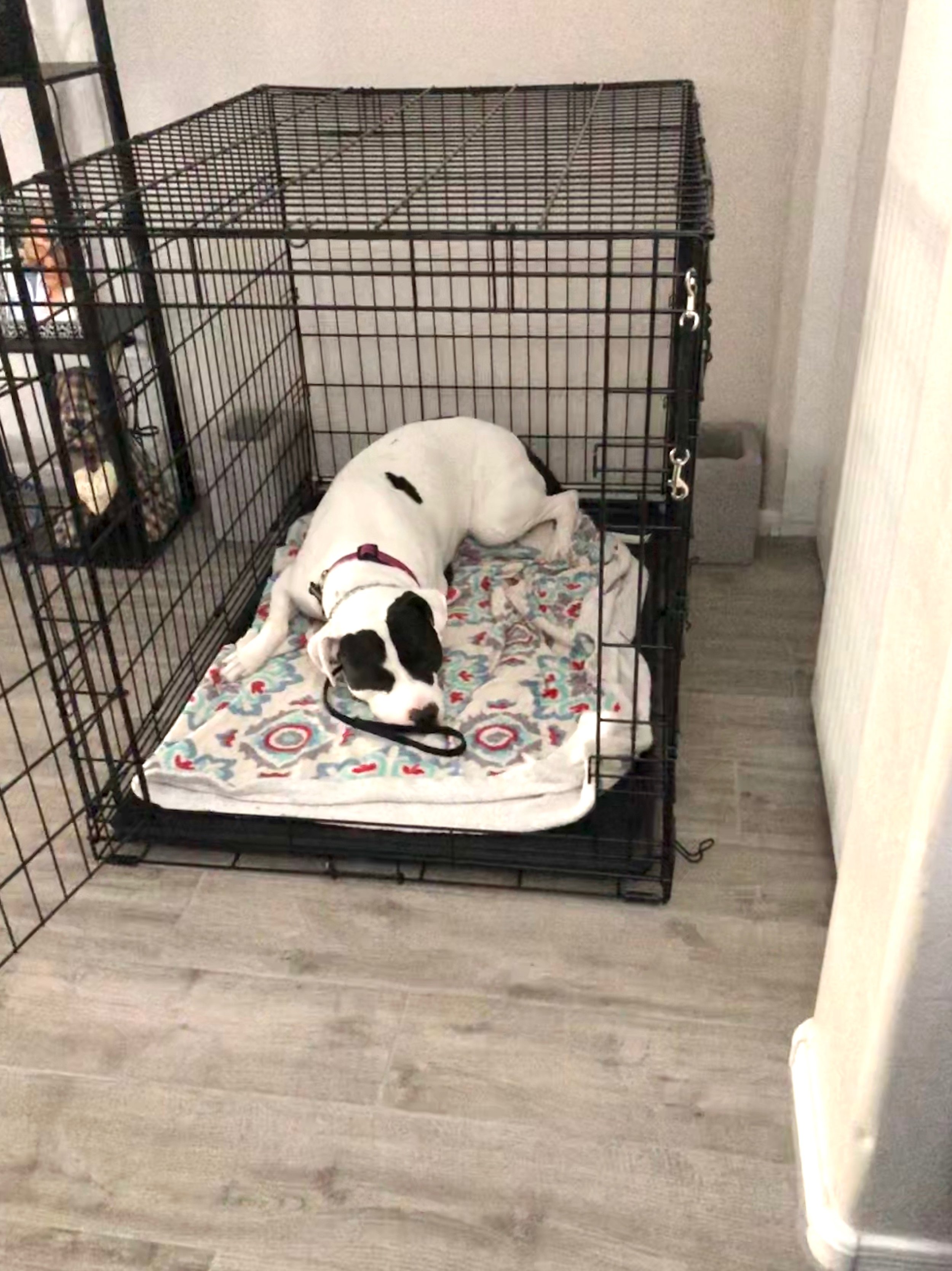
Select a crate that fits your dog well. It should be big enough for your dog to stand, turn, and lie down. Not too large or too small. Soft beds inside add comfort. Choose materials like plastic or metal. Plastic crates offer more privacy and warmth. Metal crates provide good ventilation and visibility. Make sure the crate is sturdy and safe.
Location Tips
Place the crate in a quiet, calm spot. Avoid busy or noisy areas. Near family activity is good, so your dog feels included. Keep the crate away from direct sunlight or cold drafts. A spot with soft lighting helps your dog relax. The crate should feel like part of the home, not a punishment.
Preparing Your Dog
Preparing your dog to sleep in a crate is the first step in creating a safe and comfortable space. This phase helps your dog feel calm and secure inside the crate. It also builds trust and makes the crate a positive place.
Start slowly. Let your dog explore the crate at their own pace. Patience is key. Your dog needs time to accept the crate as their new rest spot.
Familiarizing With The Crate
Place the crate in a quiet room where your dog spends time. Leave the door open to invite exploration. Add soft bedding to make it cozy. Put some toys or treats inside to attract your dog. Allow your dog to enter and exit freely. This helps reduce fear and builds curiosity about the crate.
Using Positive Reinforcement
Reward your dog with praise and treats when they go near or enter the crate. Use a calm and happy tone to encourage them. Give treats inside the crate to create good memories. Avoid forcing your dog inside. Let them enter on their own. Repeat this often to strengthen the positive connection with the crate.

Credit: hakoya.co.jp
Step-by-step Crate Training
Crate training helps dogs feel safe and secure. It creates a space just for them. This step-by-step guide makes the process easy and stress-free. Follow each step carefully to help your dog love their crate.
Introducing Short Sessions
Start with short crate sessions. Place your dog inside for a few minutes only. Use treats and toys to make it fun. Stay near the crate so your dog feels safe. Slowly increase the time as your dog stays calm.
Extending Crate Time Gradually
Increase crate time by a few minutes each day. Do this during playtime or rest periods. Watch your dog’s behavior closely for signs of stress. Offer praise and treats for good behavior. Avoid forcing your dog to stay too long at once.
Handling Nighttime Crating
Make the crate cozy with a soft blanket. Place it near your bed at first. This helps your dog feel less alone. Ignore whining unless it lasts long or is urgent. Gradually move the crate to your desired spot after a few nights.
Common Challenges
Training a dog to sleep in a crate can bring many benefits. Still, it often comes with common challenges. Understanding these challenges helps you handle them better. Patience and consistency are key during this process.
Dealing With Whining
Whining is a normal reaction from dogs adjusting to a crate. They may feel scared or lonely at first. Avoid opening the crate at every sound. This can teach them that whining gets attention.
Try to comfort your dog with a calm voice. Use treats and praise when they stay quiet. Gradually increase crate time so your dog feels safe.
Overcoming Resistance
Some dogs resist entering the crate. They might see it as a punishment or trap. Make the crate inviting by adding soft bedding and toys. Feed your dog meals inside the crate to build positive feelings.
Practice short sessions and reward your dog for going in. Do not force or push your dog inside. Let them explore the crate at their own pace.
Maintaining Crate Training
Maintaining crate training is key to helping your dog feel safe and comfortable. Keep the crate a positive place by being patient and consistent. This makes your dog want to use the crate willingly. It also helps prevent anxiety or resistance over time.
Consistent Routine
Stick to a regular schedule for crate time. Put your dog in the crate at the same times each day. This helps your dog know what to expect. Use the crate before bedtime and during quiet times. Avoid sudden changes that may confuse your dog. A steady routine builds trust and comfort.
Rewarding Good Behavior
Give your dog treats or praise when they enter the crate calmly. Positive rewards make the crate a happy place. Avoid punishing your dog for not wanting to enter. Instead, encourage and reward small steps toward crate use. This builds a strong, positive connection with the crate.
Credit: hakoya.co.jp
Frequently Asked Questions
How Long Does Crate Training Take For Dogs?
Crate training duration varies by dog, usually taking 1 to 3 weeks. Consistency and patience speed progress. Start with short sessions and gradually increase time. Reward positive behavior to build comfort. Some dogs adapt faster based on personality and past experiences.
What Are The Best Tips For Crate Training Puppies?
Introduce the crate gently with treats and toys. Keep initial sessions short and positive. Never use the crate for punishment. Establish a consistent routine for feeding and sleeping. Praise calm behavior inside the crate to encourage comfort. Patience is key during training.
Can Crate Training Help With Dog Anxiety?
Yes, crate training can reduce anxiety by providing a safe space. Dogs often feel secure in their crate, lowering stress. Gradual introduction to the crate prevents fear. Avoid forcing the dog inside to build trust. Use the crate during stressful events to calm them.
How To Make A Crate Comfortable For My Dog?
Add soft bedding and familiar toys inside the crate. Ensure proper crate size for your dog’s comfort. Place the crate in a quiet, low-traffic area. Maintain a cozy temperature around the crate. Avoid overcrowding with too many items to keep space inviting.
Conclusion
Training your dog to sleep in a crate takes time and patience. Keep sessions short and positive. Use treats and praise to encourage good behavior. Stay calm and consistent every night. Your dog will learn to see the crate as a safe space.
Soon, bedtime will become easier for both of you. Remember, gentle guidance helps build trust and comfort. Enjoy peaceful nights together with your well-trained dog.


