

Is your dog urinating in the house, leaving you frustrated and unsure of what to do next? You’re not alone, and this behavior can be confusing to understand.
But the good news is, by learning why your dog is doing this, you can take steps to stop it for good. You’ll discover the common reasons behind indoor urination and practical tips to help you regain control of your home.
Keep reading—you’re just a few steps away from a cleaner house and a happier dog.
Common Reasons Dogs Urinate Indoors
Dogs urinate indoors for several reasons. Understanding these helps solve the problem fast. Some causes relate to behavior, others to health. Knowing the root helps keep your home clean and your dog happy.
Marking Territory
Dogs use urine to mark their space. This is common with males, but females do it too. They leave their scent to show ownership. New smells or animals nearby can trigger this behavior. It is a natural way to communicate.
Medical Issues
Health problems can cause indoor urination. Urinary tract infections are a top cause. Dogs may also have bladder stones or diabetes. Pain or urgency makes them unable to hold it. A vet visit is important to check health.
Anxiety And Stress
Stress can make dogs urinate inside. Changes like moving or new family members upset them. Separation anxiety also triggers this behavior. Dogs feel scared or nervous and lose control. Comfort and calm help reduce stress urination.
Lack Of Training
Some dogs urinate indoors due to no training. Puppies especially need guidance about bathroom spots. If not taught, they go wherever they want. Consistent potty training helps set clear rules. Patience and routine are key to success.
Age-related Factors
Older dogs may urinate inside more often. Aging affects bladder control and memory. They might forget their training or feel weak. Some have illnesses linked to old age. Extra care and frequent walks support aging pets.
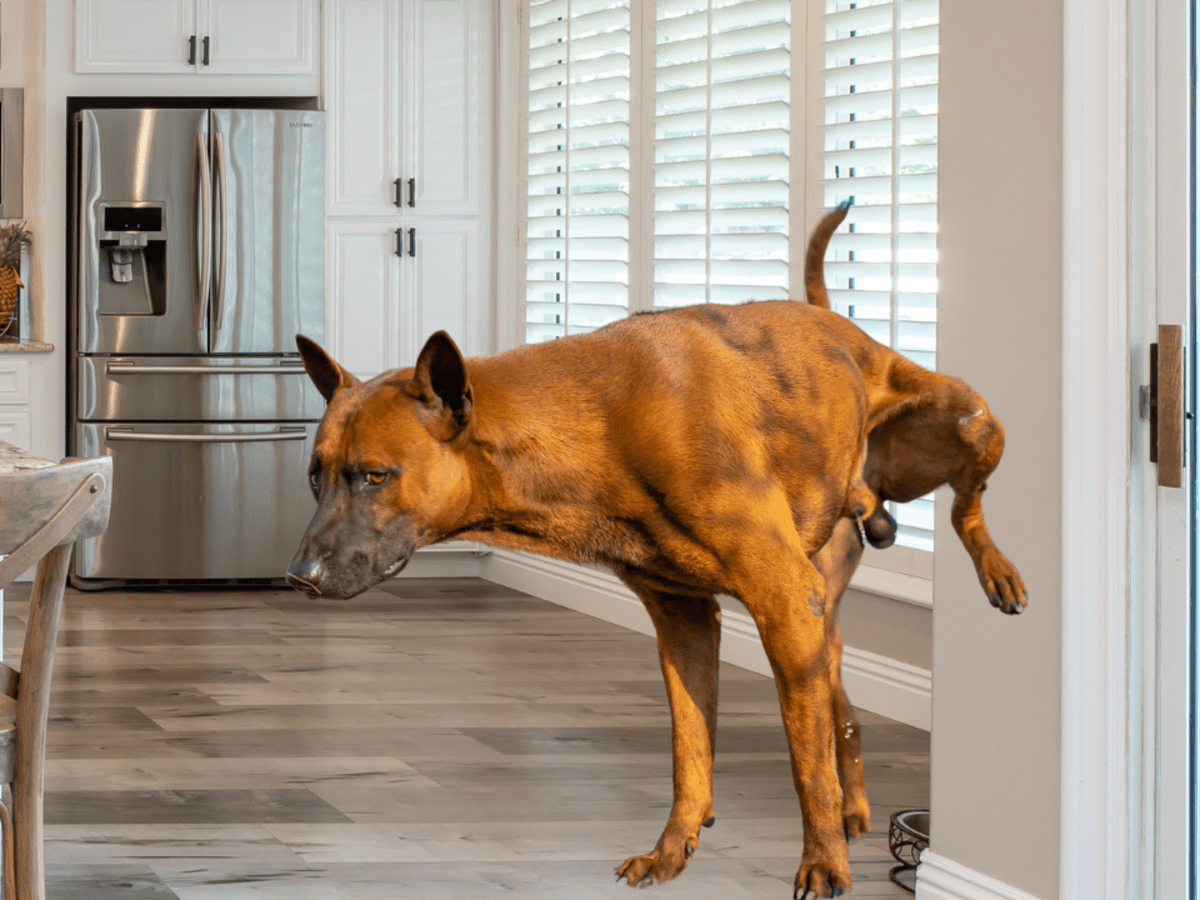
:strip_icc()/why-is-dog-peeing-in-the-house-1118305_final-55f844c31c4340db8ab3900571a1387f.jpg)
Credit: www.thesprucepets.com
Identifying The Cause Quickly
Finding the cause of a dog urinating in the house fast helps fix the problem. Early identification stops bad habits from growing. It also keeps your home clean and safe. Watch your dog closely and learn what triggers this behavior.
Observing Behavior Patterns
Watch when and where your dog pees inside. Note if it happens after meals, play, or naps. Check if your dog shows signs of anxiety or stress. Look for changes in urination frequency or accidents in new places. This helps spot behavior changes linked to urinating inside.
Consulting A Veterinarian
Take your dog to the vet for a health check. Urinary tract infections or bladder problems can cause accidents. The vet may also check for diabetes or kidney issues. Early diagnosis helps treat medical problems quickly. This step is crucial before blaming your dog’s behavior.
Checking For Environmental Triggers
Look around your home for changes or new things. New pets, guests, or loud noises can scare your dog. Changes in routine or furniture may confuse your dog. Cleaning products or scents might cause marking behavior. Identifying these triggers helps reduce accidents inside.
Effective Training Techniques
Training your dog to stop urinating in the house takes patience and clear steps. Using effective training techniques helps your dog understand where to go. Consistency and positive methods create good habits faster. The right approach reduces accidents and stress for you and your pet.
Consistent Potty Schedule
Set regular times for your dog to go outside. Take your dog out after meals, naps, and playtime. A steady schedule helps your dog learn when to expect bathroom breaks. This lowers the chance of accidents inside the house.
Positive Reinforcement
Reward your dog with treats or praise after going outside. Positive feedback teaches your dog that going outside is good. Avoid punishment, as it can create fear and confusion. Celebrate every success to build strong habits.
Crate Training Benefits
Use a crate as a safe space for your dog. Dogs usually avoid soiling their resting area. Crate training helps your dog hold their bladder until the next bathroom break. This method also reduces stress and promotes routine.
Using Commands And Cues
Teach your dog simple words like “go potty” or “outside.” Use these cues consistently during bathroom trips. Your dog learns to associate the command with the action. Clear commands make training easier and faster.
Credit: discover.hubpages.com
Managing Anxiety To Reduce Accidents
Anxiety often causes dogs to urinate inside the house. Stress and fear trigger this behavior. Managing anxiety is key to reducing accidents. Helping your dog feel safe lowers stress-related urination. This section covers ways to calm your dog and prevent accidents.
Creating A Calm Environment
Make your home a peaceful place for your dog. Use soft lighting and quiet sounds. Avoid loud noises and sudden movements. Provide a cozy bed in a quiet corner. Keep a routine to help your dog feel secure. A calm space helps reduce anxiety and accidents.
Exercise And Mental Stimulation
Regular exercise burns off nervous energy. Walk your dog daily and play games outside. Mental challenges like puzzle toys keep your dog busy. Tired dogs feel less anxious and less likely to urinate indoors. Exercise and play help your dog stay calm and focused.
Professional Behavior Therapy
Some dogs need extra help from experts. Behavior therapists use training to reduce anxiety. They teach dogs new ways to cope with stress. Therapy can include desensitization and positive reinforcement. Professional help improves your dog’s confidence and comfort. This reduces accidents caused by anxiety.
Cleaning And Odor Removal Tips
Cleaning up dog urine quickly is important to stop stains and smells. Proper cleaning removes odors that make dogs urinate again in the same spot. Using the right methods helps keep your home fresh and your dog happy. Follow these tips to clean well and control odors effectively.
Choosing The Right Cleaners
Pick cleaners made for pet stains. Enzyme-based cleaners break down urine molecules. This stops smells and marks from returning. Avoid ammonia or bleach. These can make dogs urinate more in the same place. Always test cleaners on a small spot first. Use enough cleaner to soak the area well.
Preventing Re-marking
Dogs use smell to mark their space. Remove all urine odor to stop re-marking. Clean accidents quickly and deeply. Use sprays that block pet odors. Keep your dog away from cleaned spots. Reward your dog for urinating outside. This helps them learn the right place.
Maintaining A Fresh Home
Ventilate rooms often to reduce smells. Wash pet bedding and carpets regularly. Use air purifiers to remove odors from the air. Keep floors clean and dry. Regular cleaning stops urine smells from building up. A fresh home helps your dog feel calm and secure.

Credit: www.twisted3.com
When To Seek Professional Help
Dog urinating in the house can become a serious problem. Sometimes, it signals deeper issues. Knowing when to seek professional help is important. Early help can prevent frustration and protect your home.
Signs Of Persistent Issues
Look for repeated accidents despite training efforts. Sudden changes in urination habits are a red flag. Your dog may urinate in specific places often. Stress, anxiety, or fear can cause this behavior. Watch for signs of discomfort or pain. These signals mean the problem needs expert attention.
Finding A Qualified Trainer
Choose a trainer experienced with urination problems. Positive reinforcement methods work best with dogs. Avoid trainers who use harsh punishments. A good trainer will assess your dog’s behavior. They create a plan tailored to your dog’s needs. Professional guidance can speed up the learning process.
Medical Treatment Options
Urination problems can have medical causes. A vet can check for infections or bladder issues. Hormonal imbalances may also lead to accidents. Some dogs need medication to control symptoms. Surgery is rare but sometimes necessary. Always rule out health problems before training alone.
Frequently Asked Questions
Why Is My Dog Urinating Inside The House?
Dogs may urinate indoors due to stress, medical issues, or lack of training. Identifying the cause helps solve the problem effectively.
How Can I Stop My Dog From Urinating Indoors?
Consistent training, regular bathroom breaks, and positive reinforcement are key. Also, consult a vet to rule out health problems.
Can Anxiety Cause A Dog To Urinate In The House?
Yes, anxiety can trigger indoor urination. Address stress triggers and use calming techniques to help your dog feel secure.
Does Age Affect A Dog’s Urination Behavior Indoors?
Older dogs may struggle with bladder control due to health issues. Regular vet check-ups can help manage this condition effectively.
Conclusion
Dogs urinating inside can be frustrating for owners. Understanding why it happens helps solve the problem. Consistency in training and patience are key. Watch your dog’s behavior closely to spot signs. Clean accidents thoroughly to avoid repeats. Offer plenty of bathroom breaks throughout the day.
Use positive rewards when your dog goes outside. Sometimes, medical issues cause accidents—check with a vet. Remember, your dog needs your guidance and care. With time, your dog can learn the right habits. Keep calm and stay committed to progress.


