
Are you struggling to find the right way to train your dog? You want a method that works, keeps your dog happy, and builds a strong bond between you two.
That’s where balanced dog training comes in. It’s an approach that combines rewards and corrections in a way that fits your dog’s unique personality. But what exactly is balanced dog training, and how can it help you create a well-behaved, confident dog?
Keep reading, and you’ll discover the secrets to training your dog with fairness and effectiveness.
Credit: www.thepackdogtraining.com
Balanced Dog Training Basics
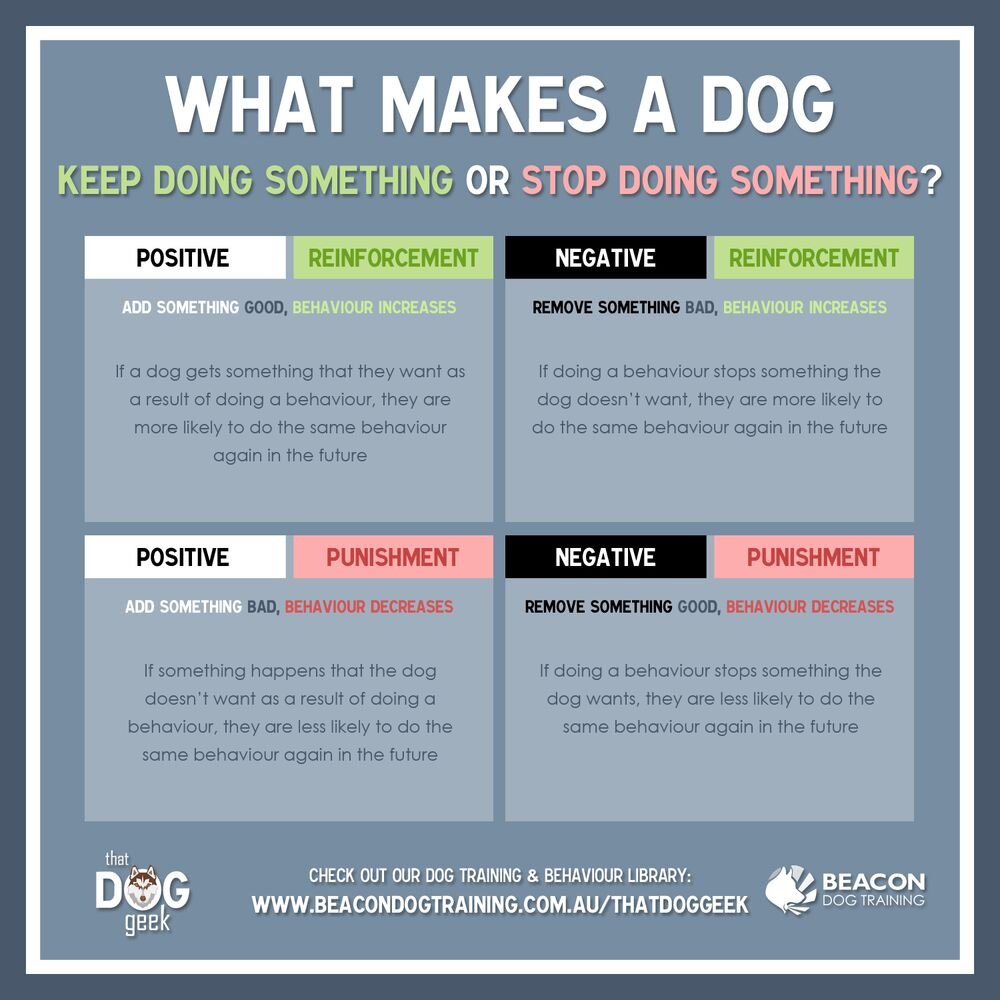
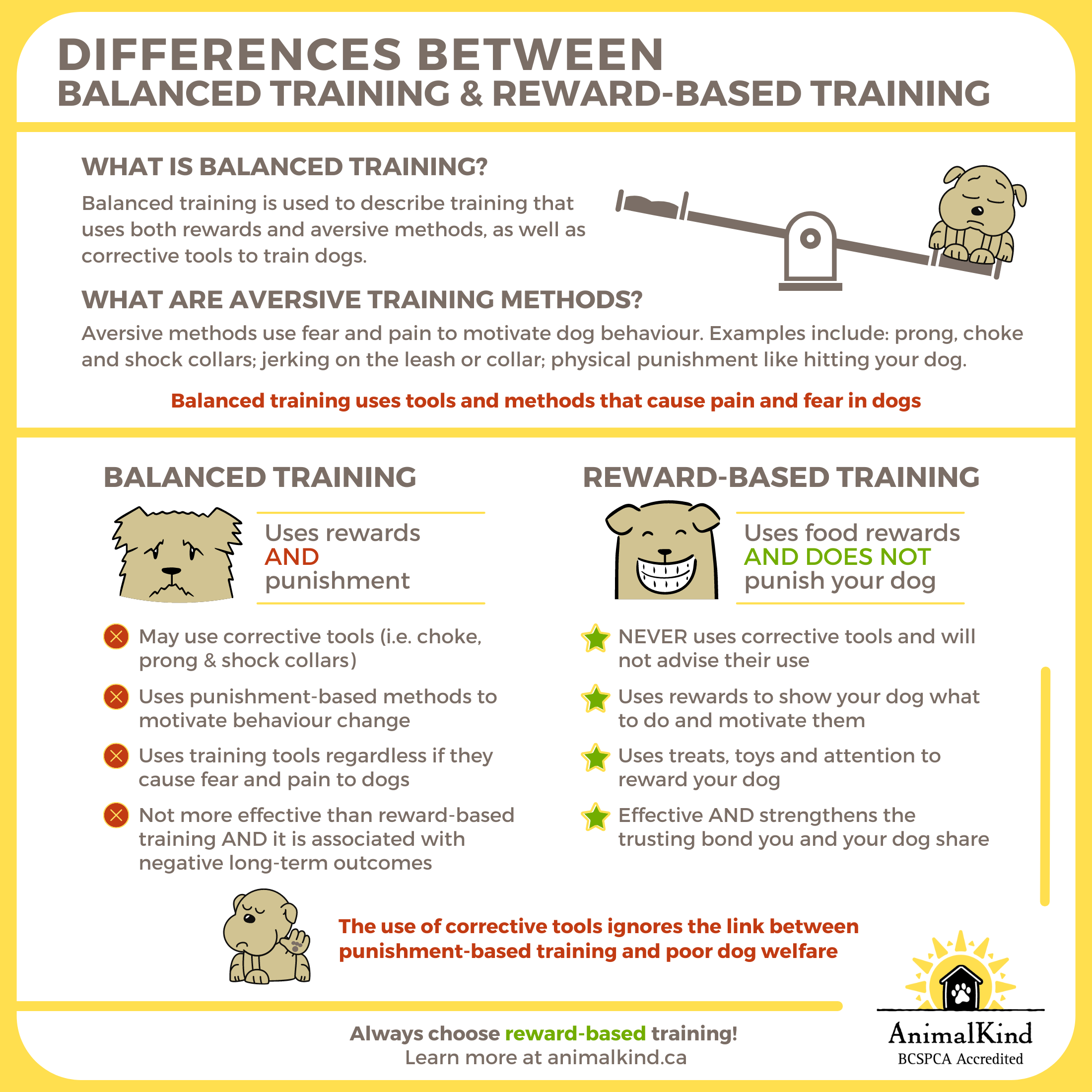
Balanced dog training is a method that uses both rewards and corrections. It helps dogs learn good behavior clearly and quickly. This approach combines positive reinforcement with gentle guidance to shape a dog’s actions.
Balanced training builds a strong bond between the dog and the owner. It respects the dog’s nature while teaching rules and limits. Understanding the basics of this method makes training more effective and fair.
Core Principles
Balanced training focuses on clear communication. It uses rewards like treats or praise to encourage good behavior. At the same time, it applies mild corrections to stop bad habits. The goal is to guide the dog without fear or confusion. Consistency and timing are key to success.
Why Balance Matters
Using only rewards may not stop all bad behaviors. Only punishments can harm the trust between dog and owner. Balanced training creates fairness and understanding. It helps dogs know what is expected and why. This balance leads to happier dogs and stronger training results.
Credit: animalkind.ca
Positive Reinforcement Techniques
Positive reinforcement techniques form a key part of balanced dog training. This method encourages good behavior by rewarding the dog. It helps dogs learn faster and enjoy training sessions. Positive reinforcement creates a strong bond between the dog and owner.
Training with positive reinforcement focuses on giving rewards for good actions. This approach is gentle and kind. Dogs respond well to rewards like treats, praise, and play. It motivates them to repeat good behavior.
Rewards And Praise
Rewards are vital in positive reinforcement training. Treats are the most common reward. Choose small, tasty treats that your dog loves. Praise is also important. Use a happy voice to say “good job” or “well done.”
Mix treats with praise for best results. Some dogs prefer toys or petting. Find what your dog likes most. This makes training more fun and effective.
Timing And Consistency
Timing is crucial in positive reinforcement. Give the reward immediately after the good behavior. This helps your dog connect the action with the reward. Delay can confuse your dog.
Consistency is key. Always reward the same behavior. Use the same words and signals. This helps your dog learn rules faster. Repeat training often in short sessions.
Corrective Measures
Corrective measures play a key role in balanced dog training. They help guide your dog to understand what behaviors are not acceptable. Corrective actions should always be fair and clear. They teach your dog limits and help build respect.
When To Use Corrections
Use corrections only when your dog repeats a wrong behavior. Timing is crucial. Corrections must happen right after the unwanted action. This helps your dog connect the correction with the behavior. Avoid using corrections out of anger or frustration. They should never be harsh or cause fear. Use them as a last step if positive methods do not work.
Types Of Corrections
Corrections come in many forms. Common types include a firm “no,” a gentle leash tug, or a brief time-out. Voice tone changes can also act as corrections. Some trainers use tools like head halters or prong collars safely. The goal is to interrupt the bad behavior, not to hurt your dog. Choose corrections that fit your dog’s size and personality. Always watch your dog’s reaction to avoid stress.
Combining Methods For Success
Balanced dog training blends different techniques to help dogs learn better. It mixes positive reinforcement with corrections to guide behavior. This approach suits many dogs and training goals. Trainers use rewards and clear boundaries together. Success comes from combining methods that fit each dog’s needs.
Finding The Right Mix
Each dog is unique. Some respond well to treats and praise. Others need firmer guidance to understand rules. Trainers watch how dogs react and adjust methods. A good balance keeps dogs motivated and respectful. The goal is to build trust while teaching good habits.
Avoiding Common Mistakes
Too much correction can scare a dog. Only rewards may lead to ignored commands. Mixing methods without clear rules confuses dogs. Consistency is key in balanced training. Trainers must use clear signals and fair timing. This helps dogs learn fast and stay happy.
Benefits For Dogs And Owners
Balanced dog training offers many benefits for both dogs and their owners. This method uses a mix of rewards and corrections to teach dogs good behavior. It helps dogs learn faster and behave better. Owners also gain more control and confidence in handling their pets.
Improved Behavior
Balanced training helps dogs understand rules clearly. Dogs learn what is allowed and what is not. This reduces confusion and bad habits. Aggressive or fearful behaviors often decrease. Dogs become calmer and more obedient. Training sessions are shorter and more effective. Owners see a big change in their pet’s manners.
Stronger Bond
This training builds trust between dogs and owners. Dogs feel safe and respected. Owners communicate with their dogs in a clear way. This creates a positive relationship. Both enjoy spending time together more. The bond grows stronger with consistent training. Dogs become loyal and eager to please their owners.
Tools And Equipment
Balanced dog training uses different tools and equipment. These help guide your dog’s behavior safely and clearly. Choosing the right tools is important. They support training without causing harm or fear. Each tool has a specific role in the training process.
Leashes And Collars
Leashes control your dog’s movement during training sessions. A strong, comfortable leash keeps your dog close. Collars come in many types. Flat collars work well for everyday use. Martingale collars prevent dogs from slipping out.
Some trainers use head halters to gently guide the dog’s head. This helps control pulling and focus. The right collar fits well and does not hurt. Check the fit often to keep your dog safe.
Training Aids
Training aids include clickers and treat pouches. Clickers mark good behavior with a clear sound. Treat pouches hold rewards for quick access. Toys also motivate dogs during training. They keep your dog interested and engaged.
Sometimes, trainers use gentle correction tools like vibration collars. These help get the dog’s attention without pain. Using aids correctly boosts learning and builds trust.
Tailoring Training To Your Dog
Balanced dog training works best when it fits your dog’s unique needs. Each dog reacts differently to training methods. Tailoring training helps your dog learn faster and behave better. This approach respects your dog’s personality and energy. It makes training a positive experience for both of you.
Assessing Temperament
Start by observing your dog’s natural behavior. Notice how your dog reacts to new people and places. Is your dog calm or excitable? Shy or confident? Understanding temperament guides your training choices. A calm dog may need gentle encouragement. A high-energy dog might need more active training sessions. Temperament shapes how your dog learns and responds.
Adjusting Techniques
Use different training tools based on your dog’s temperament. Some dogs respond well to treats. Others learn better with praise or toys. Timing is key. Deliver rewards immediately after good behavior. Avoid harsh punishments; they can cause fear or confusion. Adjust training length and intensity. Short sessions work better for young or anxious dogs. Keep training fun and consistent to build trust.
Troubleshooting Challenges
Troubleshooting challenges is part of balanced dog training. Every dog behaves differently. Trainers face many issues during training. Understanding these problems helps trainers stay patient. It also helps dogs learn better and faster.
Handling Stubborn Behavior
Stubborn dogs test your patience. They may ignore commands or resist training. Stay calm and consistent. Use clear signals and rewards. Avoid punishment, as it can increase stubbornness. Break tasks into small, easy steps. Reward small successes to keep your dog motivated.
Dealing With Fear Or Anxiety
Fear and anxiety stop dogs from learning. They may hide, bark, or freeze. Use gentle tones and slow movements. Allow your dog to explore at its own pace. Create a safe, quiet training space. Reward brave actions with treats and praise. Never force your dog to face fears quickly.

Credit: longhaultrekkers.com
Frequently Asked Questions
What Is Balanced Dog Training?
Balanced dog training combines reward-based and correction methods. It uses positive reinforcement and gentle corrections to teach commands effectively and humanely.
How Does Balanced Training Differ From Other Methods?
Balanced training integrates both positive rewards and necessary corrections, unlike solely positive or punishment-based methods. This approach aims for clear communication and consistent behavior.
Is Balanced Training Safe For All Dogs?
Yes, balanced training is safe when applied correctly. It respects the dog’s limits and uses humane corrections without causing harm or fear.
What Are The Benefits Of Balanced Dog Training?
Balanced training promotes obedience, trust, and good behavior. It encourages learning through rewards and clear boundaries, enhancing the dog-owner relationship.
Conclusion
Balanced dog training blends rewards and corrections for good behavior. It helps dogs learn boundaries while feeling safe and loved. This method suits many dogs and owners who want clear communication. Training takes patience, consistency, and respect for your dog’s needs.
Always watch how your dog reacts and adjust your approach. Balanced training builds trust and stronger bonds with your pet. Try this approach to create a happy, well-behaved dog.


