
Dealing with an aggressive dog can be stressful and sometimes even dangerous. If you want to keep your dog safe and those around them calm, muzzle training is a smart step.
But how do you teach your dog to wear a muzzle without causing fear or resistance? In this guide, you’ll discover simple, effective techniques to help your dog accept a muzzle comfortably. By the end, you’ll feel confident and ready to handle your dog’s aggression in a safe, controlled way.
Keep reading to learn how to make muzzle training a positive experience for both you and your dog.
Choosing The Right Muzzle
Choosing the right muzzle is the first step in safe muzzle training for an aggressive dog. The right muzzle helps control your dog without causing stress or harm. It also allows your dog to breathe, pant, and drink water comfortably. Picking a proper muzzle makes training easier and safer for both you and your dog.
Types Of Dog Muzzles
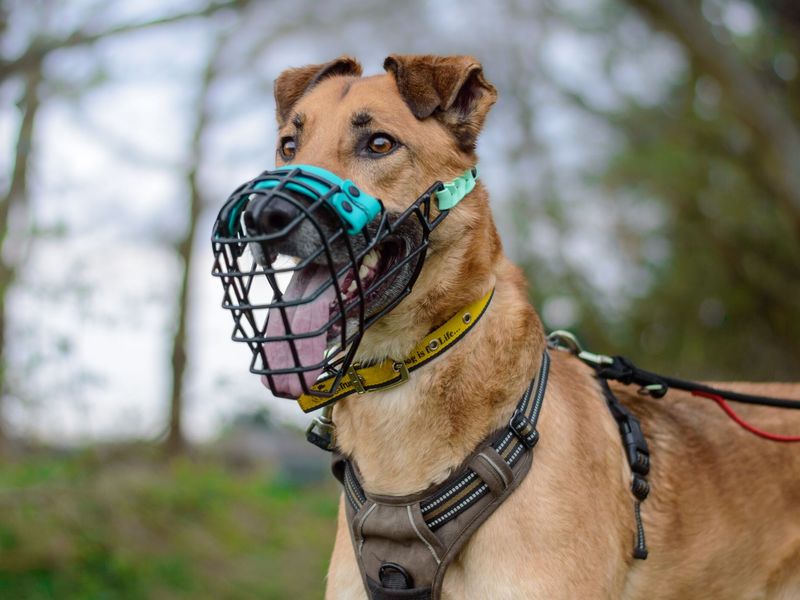
There are several types of muzzles. Basket muzzles let dogs open their mouths fully. They are good for long wear and allow panting. Soft muzzles are made of fabric and limit mouth opening. They are best for short periods. Nylon muzzles are lightweight and easy to use. Leather muzzles are strong and durable. Choose a type that fits your dog’s needs and behavior.
Sizing For Comfort And Safety
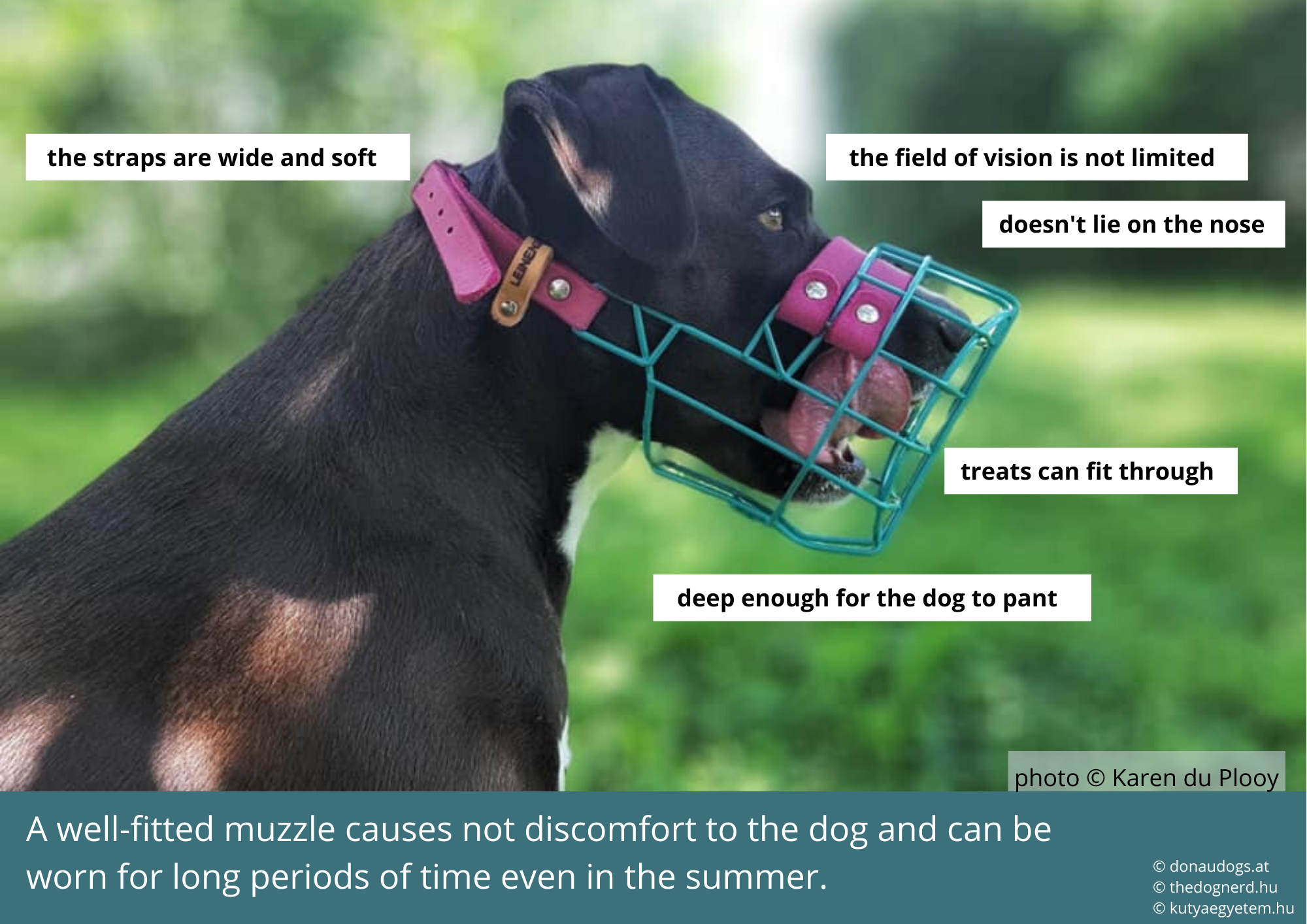
Correct size is key to comfort and safety. A muzzle too tight can hurt your dog. Too loose, and the dog might remove it. Measure your dog’s snout carefully before buying. The muzzle should fit snugly but not squeeze. Your dog should be able to pant and drink water. Proper sizing helps reduce stress and improves training results.
Materials And Durability
Material quality affects the muzzle’s durability and comfort. Basket muzzles often use plastic or metal. These last longer and protect well. Soft muzzles use nylon or fabric but wear out faster. Leather muzzles are strong and last long if cared for. Choose a material that suits your dog’s strength and activity level. Durable materials keep your dog safe during training.

Credit: k9basics.com
Preparing Your Dog For The Muzzle
Preparing your dog for the muzzle is an important step in training. It helps your dog accept the muzzle without fear or stress. This process takes time and care. The goal is to make the muzzle a normal part of your dog’s routine. Start slow. Be patient. Your dog needs to feel safe and calm during this training.
Introducing The Muzzle Gradually
Show the muzzle to your dog first. Let your dog sniff and explore it. Do not force the muzzle on your dog right away. Allow your dog to get used to its sight and smell. Next, gently touch the muzzle to your dog’s nose. Reward calm behavior with treats. Slowly increase the time the muzzle is near your dog’s face. This step helps reduce fear.
Positive Reinforcement Techniques
Use treats and praise to make the muzzle a positive thing. Give your dog a treat every time it shows calm behavior near the muzzle. Praise your dog softly and kindly. This builds a good connection with the muzzle. Avoid punishment or harsh words. Positive feelings help your dog accept the muzzle faster. Reward often, especially at the start of training.
Building Trust And Patience
Trust is key to successful muzzle training. Spend quiet time with your dog before and after training. Speak in a calm voice. Be gentle with your dog’s head and face. Do not rush the process. Some dogs take longer to accept the muzzle. Respect your dog’s feelings and go at their pace. Patience creates a strong bond and makes training easier.
Step-by-step Muzzle Training
Muzzle training an aggressive dog takes patience and care. This process helps your dog feel safe and calm while wearing a muzzle. Step-by-step training builds trust and makes the muzzle a normal part of your dog’s life.
Start slow and keep sessions short. Use treats and praise to create positive feelings. Let your dog explore the muzzle without pressure. This approach reduces fear and resistance.
Initial Exposure Sessions
Show the muzzle to your dog calmly. Let your dog sniff and touch it with their nose. Offer treats near the muzzle to create good memories. Repeat this several times over days. Never force the muzzle on your dog at this stage.
Short Wearing Periods
Gently place the muzzle on your dog’s snout for a few seconds. Give treats while the muzzle is on. Remove the muzzle and praise your dog. Gradually increase time to 30 seconds. Keep sessions positive and stress-free.
Increasing Duration Safely
Slowly extend how long the muzzle stays on. Watch your dog’s body language closely. Stop if your dog shows stress signs like growling or pulling. Add fun activities while wearing the muzzle. This helps your dog accept longer periods comfortably.
Credit: www.tiareconsilium.com
Handling Aggression During Training
Handling aggression during muzzle training is critical for a safe and positive experience. Aggression can make training harder and stressful for both you and your dog. Understanding how to manage these behaviors ensures progress and safety. Stay calm and patient throughout the process.
Recognizing Aggressive Signals
Recognize your dog’s aggressive signs early. Look for growling, snarling, or showing teeth. Stiff body posture and intense staring also signal aggression. Ears pinned back and raised hackles are warning signs. Notice these signals to prevent escalation. Early recognition helps you react calmly and wisely.
Calming Strategies For Your Dog
Use calm voices and slow movements to soothe your dog. Avoid direct eye contact, which may increase tension. Offer treats and praise for calm behavior. Take breaks if your dog becomes too stressed. Create a quiet, safe space for training sessions. Consistency helps your dog feel secure and relaxed.
When To Seek Professional Help
Seek help if aggression worsens or does not improve. Professional trainers or behaviorists provide expert guidance. They can create a safe, tailored plan for your dog. Do not try to force training alone with a highly aggressive dog. Getting help protects both you and your pet.
Maintaining Muzzle Training Progress
Maintaining muzzle training progress is key to helping your dog stay calm and safe. Consistency keeps your dog comfortable with the muzzle. It also builds trust between you and your dog. Regular practice and careful attention help avoid setbacks. Your dog learns to accept the muzzle as part of daily life.
Regular Practice And Reinforcement
Practice muzzle training often. Short, frequent sessions work best. Use treats and praise to reward your dog. This encourages positive feelings about the muzzle. Avoid forcing your dog to wear it for too long at first. Gradually increase the time as your dog grows comfortable.
Using The Muzzle In Different Environments
Introduce the muzzle in various places. Try it at home, in the park, or during walks. Different settings help your dog adjust to new sights and sounds. This reduces anxiety or fear linked to the muzzle. Keep experiences positive with rewards and calm behavior.
Monitoring Comfort And Stress Levels
Watch your dog closely for signs of stress. Heavy panting, pawing, or shaking may mean discomfort. If your dog shows stress, stop and try again later. Adjust the fit of the muzzle to ensure comfort. Your dog should be able to breathe and pant easily.
Safety Tips And Common Mistakes
Training an aggressive dog to wear a muzzle needs care and attention. Safety is the top priority for both the dog and the trainer. Avoiding common mistakes helps make the process smooth and effective. This section covers key safety tips and frequent errors to avoid during muzzle training.
Avoiding Overuse And Discomfort
Do not keep the muzzle on for too long. Long use can cause stress and discomfort for the dog. Start with short periods, just a few minutes at a time. Watch the dog’s reaction closely. Check that the muzzle fits well but is not too tight. A comfortable dog learns faster and stays calm.
Not Using The Muzzle As Punishment
Never use the muzzle to punish your dog. The muzzle should be a positive tool, not a punishment device. Punishing the dog with the muzzle makes it fear the training. Instead, use treats and praise to reward calm behavior. This builds trust and a better bond with your dog.
Ensuring Proper Supervision
Always supervise your dog when it wears a muzzle. Never leave the dog alone with the muzzle on. The dog might try to remove it or become anxious. Supervision helps you quickly respond if the dog shows signs of distress. Stay calm and patient to keep the training safe and successful.
Credit: getrelyco.com
Frequently Asked Questions
What Is Muzzle Training For Aggressive Dogs?
Muzzle training teaches dogs to wear a muzzle calmly. It helps manage aggression safely during walks or vet visits. This training reduces stress for both dogs and owners while preventing bites effectively.
How Long Does Muzzle Training Take?
Muzzle training duration varies by dog and consistency. Typically, it takes several days to a few weeks. Regular, short sessions build positive associations with the muzzle gradually and effectively.
Can Muzzle Training Reduce Aggressive Behavior?
Muzzle training controls aggressive incidents but doesn’t cure aggression. It prevents bites while you address behavior through training and socialization. Professional help is essential to manage underlying aggression causes.
How To Introduce A Muzzle To An Aggressive Dog?
Start by letting the dog sniff the muzzle. Reward calm behavior with treats and praise. Gradually increase muzzle wearing time, ensuring positive experiences during each step.
Conclusion
Training an aggressive dog to wear a muzzle takes time and patience. Start slow and use treats to create good feelings. Always watch your dog’s comfort and safety. Practice regularly to build trust and calm behavior. A well-trained dog feels safer and more relaxed.
Remember, kindness helps your dog learn better. Stay consistent and positive during training sessions. This way, your dog will accept the muzzle with less stress. Progress may be small, but every step counts. Keep going, and your dog will improve.


