

Does your dog bark every time someone walks by? It can be frustrating, noisy, and even embarrassing.
You want your furry friend to be calm and friendly, not a constant alarm system. The good news is, you can teach your dog to stop barking at people. With the right steps, patience, and consistency, you’ll see a big change in your dog’s behavior.
Keep reading to discover simple, effective ways to train your dog to stay quiet and calm around visitors and strangers. Your peaceful home is just a few tips away!
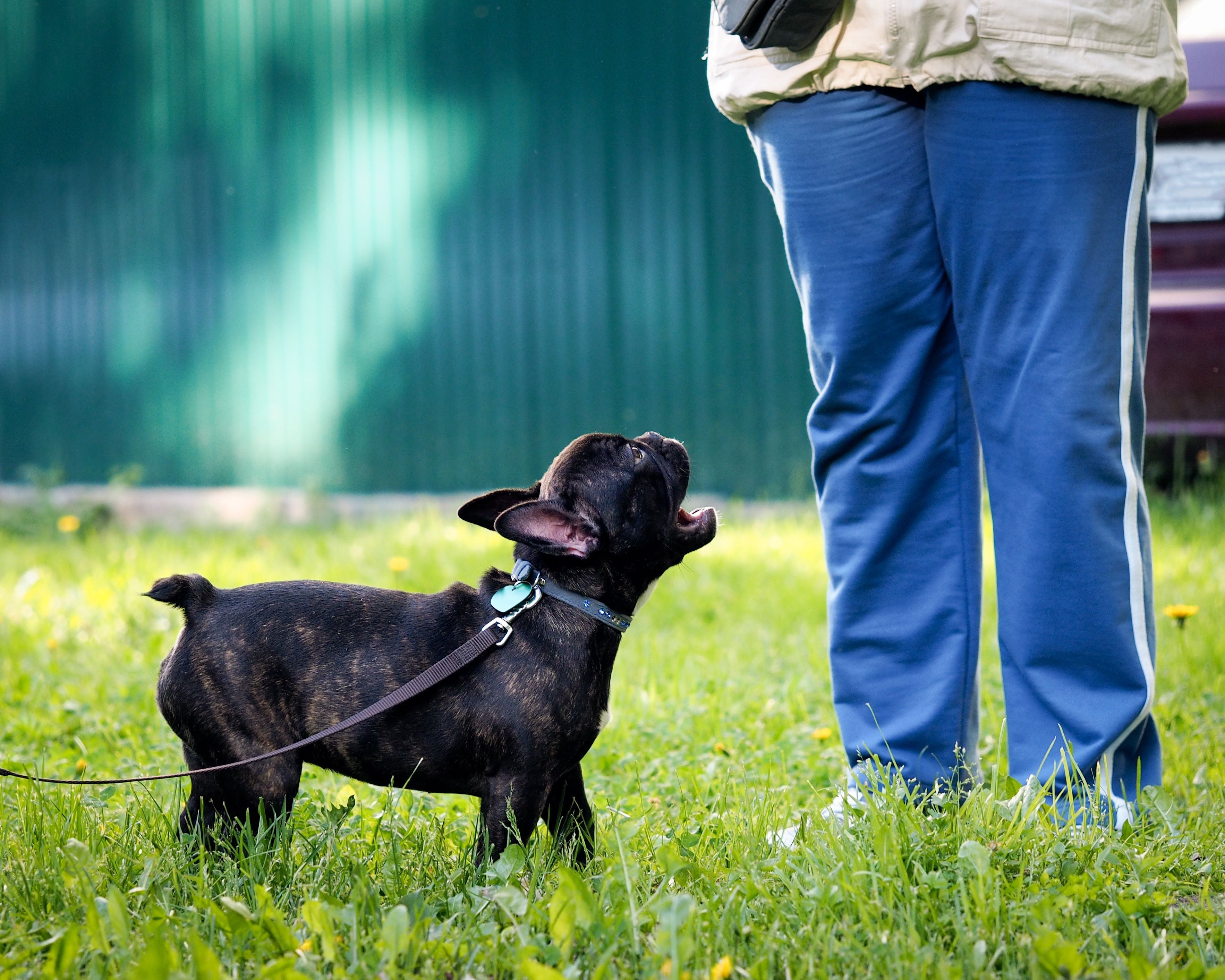
Credit: www.diggs.pet
Reasons Dogs Bark At People
Dogs bark at people for many reasons. Understanding why helps you teach your dog to be calm. Barking is a way dogs communicate. Sometimes it shows fear, excitement, or a need for attention. Knowing the cause of barking is the first step in training.
Fear And Anxiety
Dogs often bark because they feel scared. Strange people or sudden movements can cause fear. Barking acts as a warning to stay away. An anxious dog may bark more loudly or often. Fear-based barking needs gentle training and patience.
Territorial Behavior
Dogs protect their home and family. Barking at strangers near the house is common. This behavior is natural and meant to keep danger away. Territorial dogs bark to alert owners about visitors. Training helps them understand when barking is not needed.
Seeking Attention
Some dogs bark to get your attention. They want to play, eat, or be petted. Barking becomes a way to ask for something. Ignoring attention-seeking barks helps reduce this habit. Reward quiet behavior to teach your dog better ways to ask.
Lack Of Socialization
Dogs that do not meet many people may bark more. New faces can seem strange or threatening. Socializing your dog from a young age reduces fear. Regular exposure to people helps dogs stay calm and friendly. Proper socialization lowers barking caused by uncertainty.
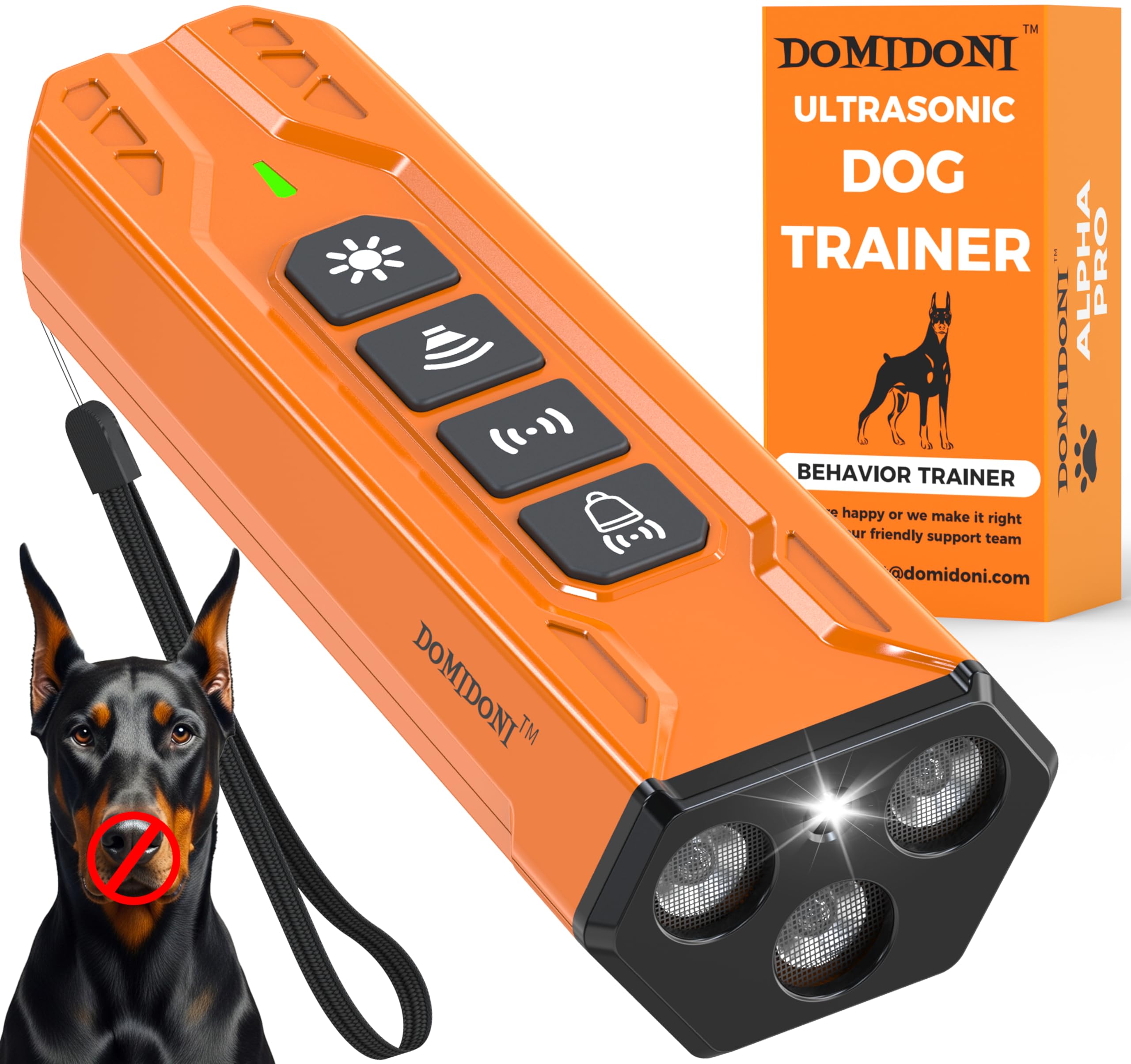
Credit: www.amazon.com
Signs Your Dog Is Barking Excessively
Dogs bark to communicate. But too much barking can cause problems. It may stress you and your neighbors. Recognizing signs of excessive barking helps you address the issue early. Watch your dog’s behavior closely. Notice how often and why your dog barks. This knowledge guides effective training.
Frequency And Duration
Check how often your dog barks each day. Is it constant or only at certain times? Long barking sessions can signal a problem. Short, occasional barks are usually normal. Count the barking episodes and note their length. Frequent, long barking shows your dog may be upset or anxious.
Triggers And Patterns
Identify what causes your dog to bark. Does your dog bark at strangers, other dogs, or noises? Notice if barking happens at the same time or place. Patterns help you understand the reason behind barking. This makes training easier and more focused. Observe carefully to find these triggers and patterns.
Basic Training Principles
Training a dog not to bark at people starts with understanding basic training principles. These principles help you build good habits in your dog. They make training clear and effective. Each principle plays a key role in shaping your dog’s behavior.
Consistency And Patience
Consistency means using the same commands and rules every time. Dogs learn best when training is steady and regular. Patience is important because change takes time. Your dog needs many repetitions to understand what you want. Avoid getting frustrated or giving up too soon. Keep calm and keep trying.
Positive Reinforcement
Positive reinforcement rewards good behavior. Use treats, praise, or toys to encourage quiet moments. This helps your dog connect silence with rewards. Avoid punishment as it can cause fear or confusion. Rewarding good actions builds trust and eagerness to learn. It makes training a positive experience for your dog.
Timing And Tone
Timing is crucial in dog training. Reward or correct your dog immediately after the behavior. This helps your dog link your response with their action. Use a calm, firm tone to show what you expect. Avoid shouting, which can scare or excite your dog. Clear signals help your dog understand and respond better.
Desensitization Techniques
Desensitization techniques help dogs get used to people without barking. This method lowers their fear or excitement. It teaches dogs to stay calm around strangers. The process takes time and patience. Start slow and keep sessions short. Consistency is key for good results.
Controlled Exposure To People
Begin by exposing your dog to people in a safe place. Choose calm and quiet environments. Have a friend stand at a distance your dog feels okay with. Let your dog observe without pressure. Keep the meetings short and positive. Repeat often to build comfort.
Gradual Increase In Distance
Slowly reduce the space between your dog and the person. Move closer only when your dog stays calm. If barking starts, increase the distance again. Take small steps forward each time. This helps your dog adjust without stress. Patience is important during this stage.
Reward Calm Behavior
Give treats or praise when your dog stays quiet. Reward calm actions immediately to link them with good feelings. Use soft words and gentle petting. Avoid yelling or punishment for barking. Positive rewards encourage your dog to repeat calm behavior. This makes training more effective.
Teaching The Quiet Command
Teaching the quiet command helps control your dog’s barking. It trains them to stop barking on cue. This method builds better communication between you and your dog. Patience and consistency are key. The quiet command also reduces stress for your dog and neighbors.
Identifying Barking Triggers
Notice what makes your dog bark the most. It could be strangers, other dogs, or noises. Watch your dog closely during walks or at home. Knowing triggers helps you prepare for training. Avoid overwhelming your dog with too many triggers at once.
Using Commands And Rewards
Start by saying “quiet” in a calm voice. Use treats or praise to reward silence. Wait for your dog to stop barking before giving the treat. Repeat this often to connect the command with behavior. Rewards motivate your dog to listen and obey.
Practicing Regularly
Practice the quiet command every day in short sessions. Use different situations and triggers for better learning. Keep training fun and positive to maintain your dog’s interest. Regular practice helps your dog understand and follow the command. Consistency ensures long-term success with barking control.
Redirecting Attention
Redirecting your dog’s attention helps stop barking at people. It changes their focus from the trigger to something positive. This method teaches dogs what to do instead of barking. It needs patience and consistency for best results.
Using Toys And Treats
Offer a favorite toy or treat when your dog starts barking. This gives them a new focus. Use treats that your dog really likes. Hold a toy to catch their interest. Praise your dog when they play or eat quietly. This rewards calm behavior and reduces barking.
Engaging In Alternative Activities
Start a different activity to pull your dog’s attention away. Try simple commands like sit or lie down. Play a short game like fetch or tug. Physical and mental tasks tire dogs out. A tired dog barks less at people. Keep activities fun and easy to follow.
Managing The Environment
Managing the environment helps reduce your dog’s urge to bark at people. It changes what your dog sees and feels. This lowers excitement and stress. Your dog stays calm and listens better.
Limiting Visual Stimuli
Block your dog’s view of people passing by. Use curtains, blinds, or frosted windows. Put up barriers in the yard. This stops your dog from reacting to every passerby. Fewer sights mean fewer triggers to bark.
Try to keep your dog away from busy areas. Create quiet zones inside your home. This gives your dog a break from constant movement and noise. Less stimulation helps your dog stay relaxed.
Creating A Safe Space
Make a cozy spot where your dog feels secure. Use a crate, bed, or corner with favorite toys. This safe space becomes a calm retreat when visitors come.
Train your dog to go to this spot on command. Reward calm behavior in this area. Over time, your dog will choose calmness over barking. A safe space builds trust and peace.
When To Seek Professional Help
Sometimes, training your dog to stop barking at people can be hard. You may try many methods, but the barking continues. This is the time to think about getting professional help. Experts can guide you and your dog in the right way. They understand dog behavior deeply and can spot issues you might miss.
Behavioral Specialists
Behavioral specialists study dog actions closely. They find the root cause of your dog’s barking. This might be fear, anxiety, or excitement. These experts create a plan to change the dog’s behavior. They teach you how to handle your dog calmly. Their advice can make a big difference in training results.
Training Classes
Training classes help dogs learn new skills in a group. Dogs meet other dogs and people in a safe place. Trainers show you how to teach your dog to stay quiet. Classes focus on reward-based methods. This makes learning fun and effective. Regular classes build good habits and reduce barking over time.

Credit: www.youtube.com
Frequently Asked Questions
How Can I Stop My Dog From Barking At Strangers?
To stop barking, use positive reinforcement and consistent commands. Reward calm behavior and distract your dog with toys or treats when strangers appear. Training sessions should be short and regular for best results.
Why Does My Dog Bark At People Outside?
Dogs bark due to alertness or fear of strangers. It’s their way to protect territory or express anxiety. Identifying triggers helps tailor training to reduce barking and increase comfort around people.
What Is The Best Training Method For Barking Control?
Positive reinforcement training is most effective. Reward your dog for quiet behavior and redirect attention when barking starts. Avoid punishment, as it can increase stress and worsen barking issues.
How Long Does It Take To Train A Dog Not To Bark?
Training time varies by dog breed and consistency. Most dogs show improvement within a few weeks with daily practice. Patience and regular sessions are key to lasting results.
Conclusion
Training your dog not to bark at people takes time and patience. Consistency in your approach helps your dog learn better. Reward calm behavior to encourage quiet responses. Avoid yelling, as it can make barking worse. Practice regularly in different situations for best results.
Remember, every dog learns at its own pace. Stay calm and positive during training sessions. Soon, your dog will greet people more quietly. A peaceful home is within reach with steady effort. Keep trying, and your dog will improve day by day.


