

Have you noticed changes in your senior dog’s behavior and wondered what they mean? As your furry friend grows older, their actions and moods can shift in ways that might surprise or even confuse you.
Understanding these changes is key to helping your dog stay happy and comfortable in their golden years. You’ll discover what to expect from your senior dog’s behavior and learn simple ways to support them every step of the way. Keep reading to make sure you’re giving your loyal companion the care they truly deserve.
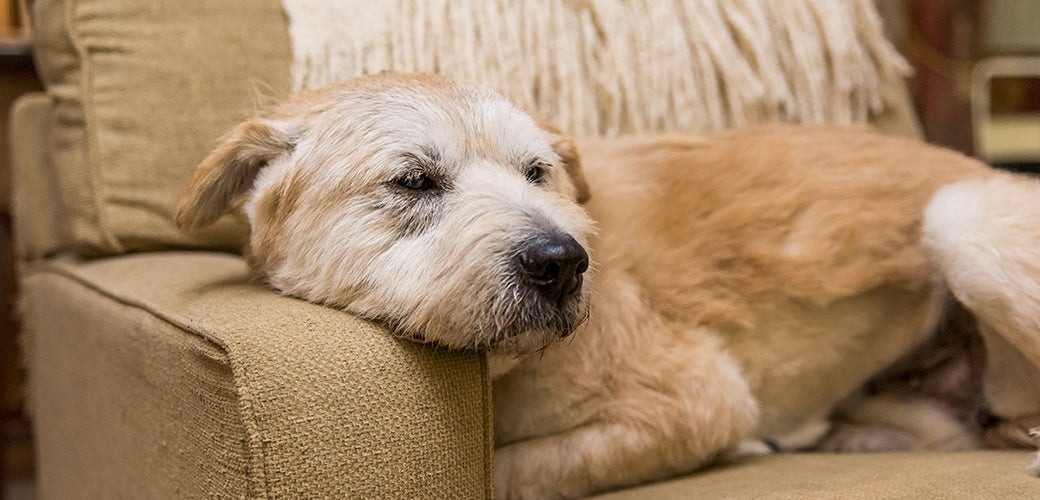
Credit: www.aspca.org
Common Behavior Changes
Senior dogs often show changes in behavior as they age. These changes are normal but important to recognize. Understanding these shifts helps you care for your dog better. It also ensures their comfort and happiness in their golden years.
Reduced Activity Levels
Older dogs tend to move less than before. They may avoid long walks or playtime. Joint pain or fatigue can cause this drop in energy. It is important to adjust their exercise to their ability. Gentle activities keep them healthy without strain.
Increased Sleep Patterns
Senior dogs usually sleep more hours each day. Naps become longer and more frequent. This extra rest helps their bodies heal and stay strong. Expect your dog to spend more time resting. Quiet and calm spaces support this new routine.
Changes In Social Interaction
Older dogs may act differently with people or pets. They might seek less attention or prefer solitude. Some become more clingy or anxious. Changes in senses can affect how they respond. Patience and gentle interaction are key during this time.
Altered Eating Habits
Appetite often shifts in senior dogs. Some eat less due to dental or health issues. Others may want food more frequently. Monitoring their diet helps avoid weight problems. Regular vet checks can identify underlying causes early.
Cognitive Decline Signs
Senior dogs can show signs of memory loss. They might forget commands or routines. Confusion or disorientation is common in older pets. These changes require understanding and care from owners. Mental stimulation and safe environments help manage symptoms.
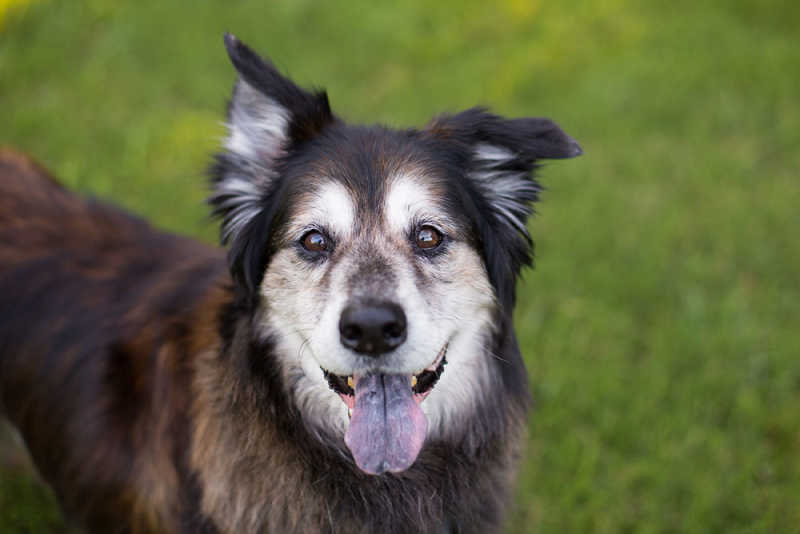
Credit: www.smalldoorvet.com
Health Issues Affecting Behavior
Senior dogs often show changes in behavior. Many of these changes come from health problems. These issues can affect how your dog acts and feels every day. Understanding these health issues helps you care better for your older pet.
Some health problems cause pain or make moving hard. Others affect their senses or cause side effects from medicine. Recognizing these signs can improve your dog’s comfort and happiness.
Arthritis And Mobility
Arthritis is common in older dogs. It makes joints stiff and painful. This can slow your dog down. They may avoid stairs or jumping. Sometimes, they seem grumpy or tired. Limited movement can lead to frustration and changes in behavior.
Sensory Decline
Sight and hearing often get worse with age. Your dog might not see or hear well. This can cause confusion or fear. They might bark more or hide. Sensory loss can make them less responsive to commands and play.
Pain And Discomfort
Pain from illness or injury changes behavior. Dogs may growl or snap when touched. They might sleep more or lose interest in activities. Pain causes stress and can make your dog seem distant or anxious.
Medication Side Effects
Medications help health but can affect mood and behavior. Some drugs cause tiredness or restlessness. Your dog may act differently after starting new medicine. Watch closely and talk to your vet about side effects.
Adjusting Your Routine
As dogs grow older, their needs change. Adjusting your routine helps your senior dog feel happy and healthy. Small changes can make a big difference in their comfort and well-being. Focus on exercise, diet, comfort, and health checks to support your aging pet.
Exercise Modifications
Older dogs need gentler exercise. Replace long runs with short, slow walks. Avoid hard surfaces to protect their joints. Swimming is a great low-impact activity. Keep sessions short but consistent to maintain muscle strength.
Dietary Adjustments
Senior dogs require special diets. Choose food that supports joint health and digestion. Reduce calories to prevent weight gain. Add supplements like omega-3 for coat and brain health. Consult your vet before changing their diet.
Creating A Comfortable Environment
Make your home senior-dog friendly. Provide soft bedding to ease joint pain. Use ramps or steps to reach favorite spots. Keep water and food bowls easily accessible. Maintain a calm space to reduce stress and confusion.
Regular Vet Checkups
Frequent vet visits catch health issues early. Schedule exams at least twice a year. Monitor changes in behavior, appetite, or mobility. Vaccinations and dental care remain important. Follow your vet’s advice to keep your dog thriving.
Training And Mental Stimulation
Training and mental stimulation are vital for senior dogs. They help keep the mind sharp and improve overall behavior. Engaging older dogs in gentle activities can slow mental decline. It also strengthens the bond between you and your pet.
Gentle Training Techniques
Senior dogs benefit from slow, patient training. Use soft voices and calm gestures. Avoid harsh commands or quick movements that may scare them. Short sessions work best to hold their attention. Reward good behavior with treats or praise. This encourages learning without stress.
Interactive Toys And Games
Toys that challenge the brain help keep senior dogs active. Puzzle feeders and scent games work well. These toys make your dog think and solve problems. They also reduce boredom and anxiety. Rotate toys often to keep interest high.
Routine And Consistency
Senior dogs thrive on routine and predictability. Consistent training times help them know what to expect. This reduces confusion and stress. Keep daily walks and playtimes regular. A steady schedule supports mental health and good behavior.
Managing Anxiety And Stress
Senior dogs may face anxiety and stress more often than younger dogs. These feelings can come from changes in their health, senses, or environment. Managing anxiety helps them stay calm and enjoy their daily life. Understanding their behavior is the first step to helping them feel safe and loved.
Recognizing Anxiety Signs
Watch for pacing, trembling, or hiding. Your dog may bark or whine more. Loss of appetite can also signal stress. Changes in bathroom habits might occur. Pay attention to any new behaviors that seem unusual.
Calming Strategies
Create a quiet space for your dog to relax. Gentle petting and soft voices can soothe them. Keep a regular routine for walks and meals. Exercise helps reduce nervous energy. Use toys or puzzles to keep their mind busy.
Use Of Supplements And Therapies
Some supplements can ease anxiety naturally. Talk to your vet about options like calming chews. Massage and aromatherapy may help some dogs. Physical therapy can reduce pain that causes stress. Always check with a professional before starting treatments.

Credit: dogagingproject.org
When To Seek Professional Help
Senior dogs often show changes in their behavior. Some changes are normal with age. Others need a closer look by professionals. Knowing when to seek help can improve your dog’s quality of life. Early help can prevent problems from getting worse. Watch for signs that your dog needs expert care. This guide helps you decide the right time to act.
Behavioral Specialist Consultation
Behavior problems in senior dogs can be confusing. A behavioral specialist understands dog emotions and habits. They can find causes of sudden changes. Anxiety, confusion, or aggression may need their help. Specialists suggest training or therapy to ease problems. They also guide owners on daily care. Early visits prevent stress for both dog and owner.
Veterinary Neurology
Neurological issues increase with dog age. Symptoms like seizures, balance loss, or sudden confusion need a vet neurologist. This expert checks brain and nerve health. They use tests to find hidden problems. Treatment can slow disease or reduce symptoms. Quick action improves comfort and mobility. Do not ignore unusual movements or behavior.
Emergency Situations
Some behaviors signal urgent health problems. Sudden aggression, collapse, or unresponsiveness require immediate care. Severe confusion or inability to walk are emergencies. Call your vet or animal hospital right away. Fast treatment can save your dog’s life. Always trust your instincts about sudden changes.
Frequently Asked Questions
What Are Common Behavior Changes In Senior Dogs?
Senior dogs often show slower movements, reduced activity, and increased sleep. They might also become more anxious or less social due to aging.
How Does Aging Affect A Senior Dog’s Mood?
Aging can cause mood swings, irritability, or confusion in senior dogs. These changes stem from cognitive decline and physical discomfort.
Why Do Senior Dogs Become Less Active?
Senior dogs lose energy because of joint pain, muscle loss, and reduced stamina. Health issues also contribute to their decreased activity.
How Can I Help Manage My Senior Dog’s Anxiety?
Create a calm environment, maintain routines, and provide gentle exercise. Consult a vet for anxiety treatments suitable for older dogs.
Conclusion
Senior dogs show different behaviors than younger pets. They may slow down or need more rest. Changes in mood or habits can happen too. Watching these signs helps you care better. Patience and love make their later years happy. Keep regular vet visits to catch issues early.
Enjoy quiet walks and gentle play together. Your senior dog still needs your friendship and care. Small changes in routine can improve their comfort. Cherish these moments—they are special and precious.


