

Have you ever noticed those small extra toes on some dogs’ paws and wondered if every dog has them? These tiny toes are called dewclaws, and not all dog breeds have them.
If you’re curious about which dogs don’t have dewclaws and why it matters to you and your furry friend, you’re in the right place. Understanding this simple detail can help you take better care of your dog’s health and comfort.
Keep reading to discover which dog breeds don’t have dewclaws and what that means for you.
Dewclaws And Their Role
Dewclaws are small extra toes on a dog’s paw. Not all dogs have them, but many do. These claws can be found on the inside of the front legs. Some dogs also have them on their back legs, but this is less common.
Dewclaws may seem useless at first. Yet, they serve specific purposes. They help dogs grip objects and provide extra traction. This can be helpful during running or climbing. Some dogs use dewclaws to hold bones or toys.
Location And Function
Dewclaws are located higher on the leg than other claws. On front legs, they sit above the paw, near the wrist. Rear dewclaws, if present, are higher up the leg.
Functionally, dewclaws assist with balance. They act like thumbs, helping dogs grasp. In some breeds, dewclaws are strong and fully functional. In others, they are small and less useful.
Reasons For Removal
Some dogs have their dewclaws removed early. This is often done to prevent injury. Dewclaws can catch on objects and tear, causing pain.
Removal is common in working dogs or active breeds. It reduces the chance of catching or breaking the claw. Some owners prefer removal for hygiene or grooming ease.
Not all dewclaw removals are necessary. Some vets advise keeping them if healthy and not prone to injury.
Breeds Without Dewclaws
Dewclaws are small extra toes found on some dogs’ front or rear paws. Not all dog breeds have dewclaws. Some breeds naturally lack these claws, which can affect their grip and movement. Knowing which breeds do not have dewclaws helps owners understand their dog’s paw structure better.
Common Claw-free Dogs
Certain popular dog breeds do not have dewclaws. The French Bulldog is one example. These dogs have a compact paw structure without extra toes. The Boston Terrier is another breed that usually lacks dewclaws. These breeds have been bred for specific traits, including the absence of dewclaws. This trait is normal and does not cause problems for the dog.
Rare And Unusual Breeds
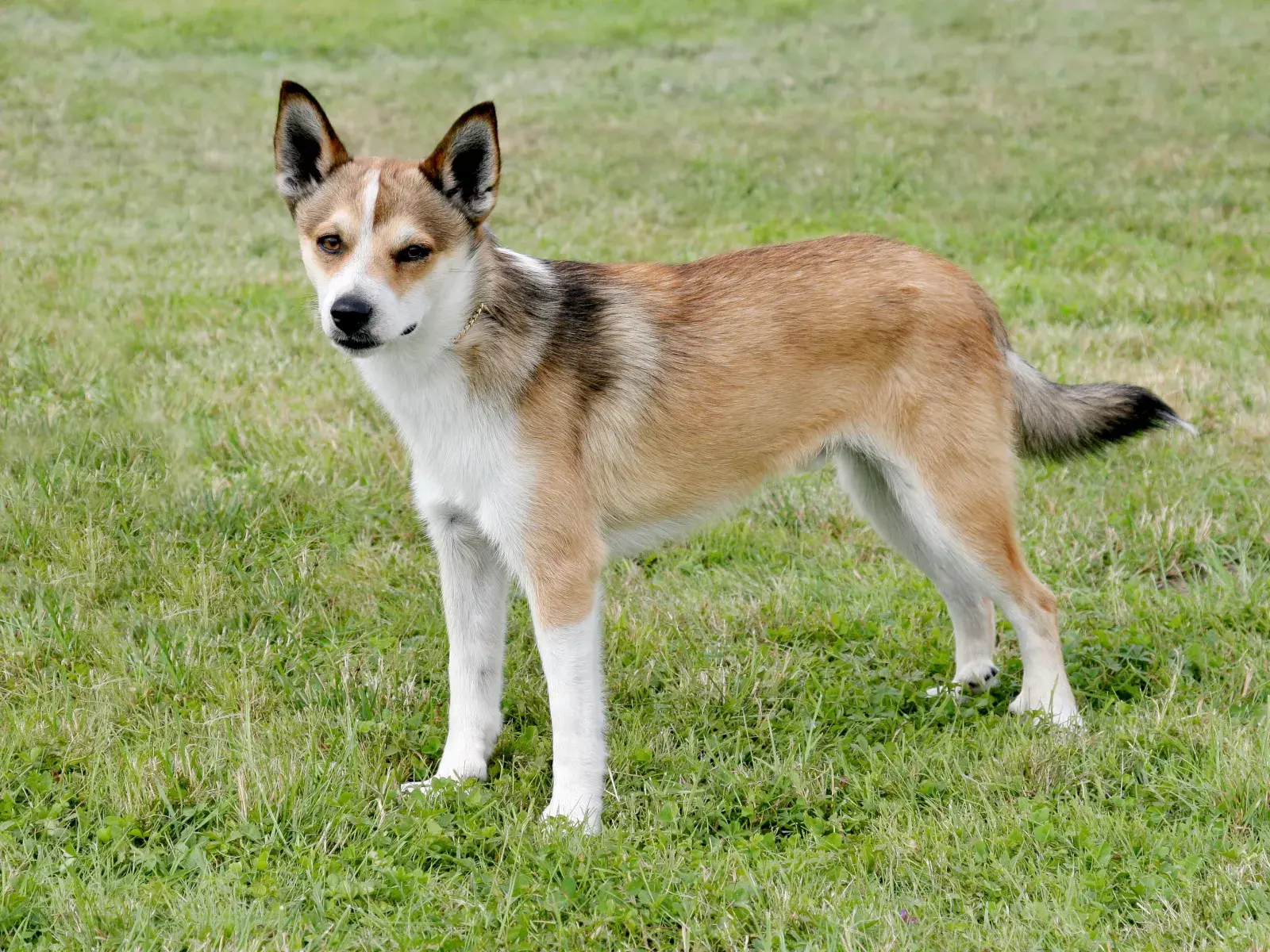
Some rare dog breeds also do not have dewclaws. The Norwegian Lundehund is known for its unique paws and often lacks dewclaws. This breed has extra flexibility but no dewclaws on its feet. Another unusual breed is the Portuguese Podengo, which sometimes lacks dewclaws. These breeds are less common but show how dewclaw absence varies worldwide.
Genetics Behind Dewclaw Absence
Dewclaws are small, extra toes found on some dog breeds. Not all dogs have them. The absence of dewclaws is linked to genetics. Genes control many physical traits in dogs. Understanding these genes helps explain why some breeds lack dewclaws.
These traits passed from parents to puppies. Some genes can turn off the development of dewclaws. This process varies between breeds. The study of these genes gives clues about dewclaw absence.
Inheritance Patterns
Genes follow certain patterns in families. Some traits appear only if both parents pass the gene. Others need only one parent’s gene. Dewclaw absence often follows a simple pattern. It can be a dominant or recessive trait. Breeders observe these patterns to predict traits. Puppies without dewclaws inherit specific gene combinations.
Evolutionary Factors
Long ago, dogs evolved from wild ancestors. These ancestors had dewclaws for climbing or gripping. Over time, some breeds lost these toes. This loss helped adapt to new environments. Dogs bred for speed or specific work often lack dewclaws. Evolution favored traits that suited their roles. This change shows how environment shapes dog traits.

Credit: www.reddit.com
Dewclaw Removal Practices
Dewclaw removal practices vary widely across dog breeds and owners. Some dogs are born without dewclaws, while others have them removed early in life. This procedure often sparks debate among veterinarians and pet owners. Understanding the medical side and ethical questions helps make informed choices.
Medical Procedures
Dewclaw removal usually happens when puppies are 2 to 5 days old. At this age, the claws are soft and the surgery is simpler. Vets use local anesthesia or no anesthesia for very young puppies. The vet cuts the dewclaw at the base and closes the wound with stitches or tissue glue. Removal in adult dogs is more complex and needs general anesthesia. Surgery takes longer and recovery time is longer too. Risks include infection, pain, and bleeding. Proper care after surgery is important for healing.
Ethical Considerations
Many question whether dewclaw removal is necessary or cruel. Some argue it prevents injury in working dogs. Others say it removes a part of the dog’s natural anatomy. Welfare groups often oppose removal without medical need. Pain and stress during and after surgery cause concern. Some countries have laws limiting or banning this practice. Owners should weigh benefits and risks carefully. Consulting a vet about their dog’s specific needs is wise.
Impact On Dog Health And Mobility
Dewclaws are small extra toes on a dog’s paws. Some dog breeds do not have these dewclaws. Their absence can affect a dog’s health and how it moves. Understanding this impact helps owners care better for their pets.
Dogs without dewclaws may experience different benefits and challenges. These differences influence daily activities and overall paw health.
Advantages Of No Dewclaws
Without dewclaws, dogs avoid certain injuries. Dewclaws can catch on objects and tear, causing pain. Dogs without them have fewer chances of such wounds.
These dogs may need less nail trimming. Dewclaws often grow unevenly and require extra care. No dewclaws mean simpler grooming routines.
Some breeds without dewclaws move more smoothly. Extra toes can sometimes affect running or walking. Their absence may improve agility and balance.
Potential Drawbacks
Dewclaws help dogs grip and climb. Dogs without them might find some tasks harder. This can affect activities like running on rough ground or holding objects.
In rare cases, missing dewclaws can cause joint strain. Other toes may work harder to compensate. This extra pressure might lead to discomfort over time.
Some vets believe dewclaws protect against paw injuries. Without them, paws might be more exposed. Owners should watch for cuts or scrapes more closely.

Credit: www.reddit.com
Choosing A Claw-free Breed
Choosing a dog breed without dewclaws can make pet care simpler. Dewclaws are extra toes that some dogs have on their legs. Not all breeds have them. Picking a claw-free breed might save time and prevent some injuries. It also affects how your dog moves and plays. Think about your daily life and needs before choosing a breed. This helps ensure your new dog fits well with your home and lifestyle.
Lifestyle Compatibility
Some dogs without dewclaws suit active homes. They often enjoy running and playing without extra nails. These breeds can handle rough outdoor activities better. Choose a breed that matches your activity level. A calm lifestyle may fit dogs with less energy. A busy home with kids might prefer a sturdy, claw-free breed. Matching breed traits with your daily life brings happiness to both you and your pet.
Maintenance And Care
Dogs without dewclaws need less nail trimming. This reduces grooming time and effort. Less risk of nails catching on objects or tearing. These breeds often require simple paw care routines. Still, regular checks of nails and paws are important. Clean paws prevent infections and keep your dog healthy. Easy care breeds fit well for first-time dog owners. They offer comfort without extra grooming challenges.
Credit: www.newsweek.com
Frequently Asked Questions
Which Dog Breeds Typically Lack Dewclaws?
Certain breeds like Boxers, Doberman Pinschers, and Great Danes often lack dewclaws. This trait is breed-specific and genetically inherited. Not all dogs have dewclaws on their hind legs. Absence of dewclaws is normal in these breeds and does not affect their mobility or health.
Why Do Some Dog Breeds Not Have Dewclaws?
Some dog breeds lack dewclaws due to genetic evolution and selective breeding. Dewclaws can sometimes interfere with performance in working dogs. Breeders may remove them early to prevent injury. This absence is a natural variation and not usually a health concern.
Are Dewclaws Removed In Certain Dog Breeds?
Yes, dewclaws are commonly removed in breeds prone to injury or working dogs. Removal is often done during puppyhood for safety. It helps prevent snagging and infections. Not all breeds have their dewclaws removed, especially those where dewclaws serve a functional purpose.
Do Dewclaw-free Dogs Face Any Health Issues?
Dogs without dewclaws generally do not face health problems related to their absence. Dewclaws do not play a major role in a dog’s movement. However, proper paw care is important regardless of dewclaw presence. Always consult a vet if you notice any paw discomfort.
Conclusion
Not all dog breeds have dewclaws. Some lack them naturally due to genetics. Knowing which breeds do not have dewclaws helps in understanding their care needs. Dewclaws can affect a dog’s movement and health. Removing or keeping them depends on the breed and owner preference.
Always check your dog’s paws regularly for any issues. This knowledge helps you care better for your pet. Every dog is unique, so learn about your breed. This makes your bond stronger and your dog healthier.


